
Crozet Islands, French Southern and Antarctic Lands: Best Wildlife, Wilderness & Raw Southern Ocean Majesty (2026)
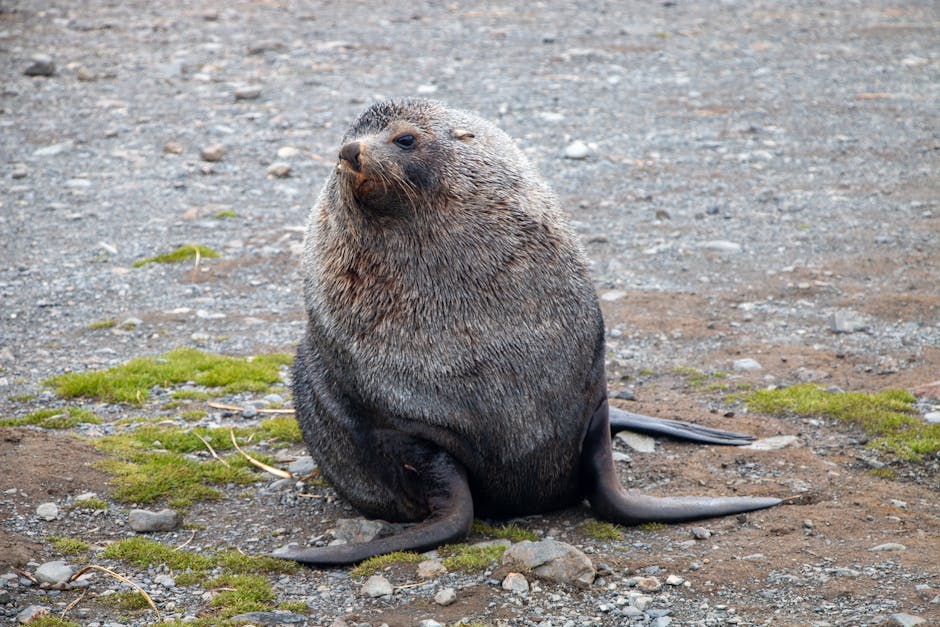
Fewer than 100 people set foot on the Crozet Islands each year, all of them researchers or support staff for the French Polar Institute. There are no hotels, no restaurants, and no permanent human residents beyond a handful of scientists. This remote archipelago, situated 1,500 miles southeast of South Africa in the furious latitudes of the “Furious Fifties,” is a UNESCO World Heritage site dedicated to nature. For the intrepid traveler on a specialized expedition vessel, it offers a front-row seat to one of the planet’s most staggering wildlife spectacles: over 5 million breeding seabirds, including half the world’s population of King Penguins.
Why Crozet Islands, French Southern and Antarctic Lands Stands Out
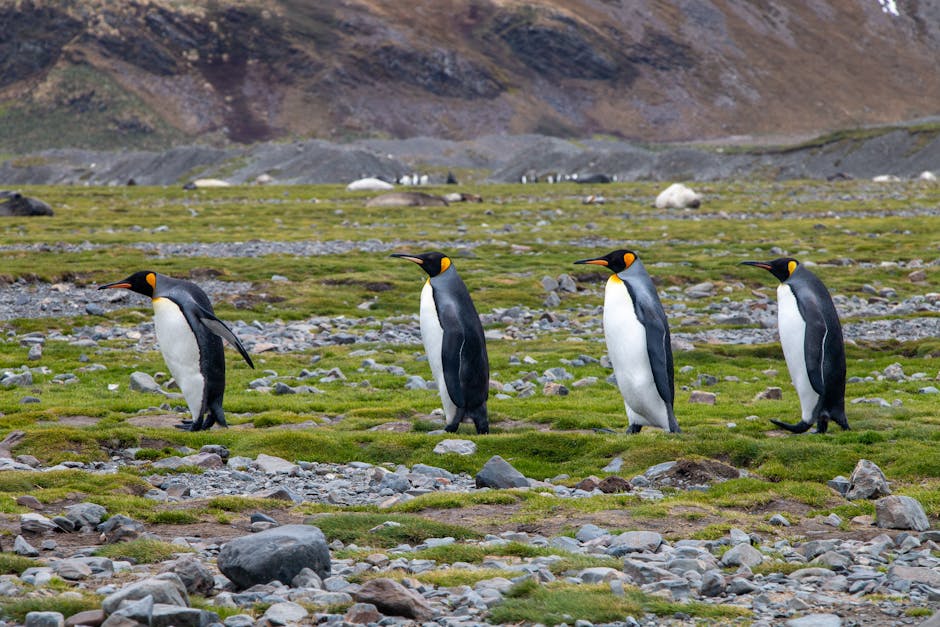
A group of King Penguins (Aptenodytes patagonicus) walking on the rocky, Crozet Islands, French Southern and Antarctic Lands
- Historic Architecture: The 1963 Alfred Faure research station on Île de la Possession is the archipelago’s sole permanent human structure, a vital hub for scientific work in extreme isolation.
- Cultural Scene: The “culture” here is one of profound scientific endeavor and survival, marked by the camaraderie of overwintering researchers who celebrate midwinter with a traditional feast.
- Local Specialties: All food is imported, but the culinary experience is the shipboard chef’s effort to provide hearty, warming meals after a day of Zodiac landings in the subantarctic cold.
Pro Tip: The only viable window for visitation is during the austral summer, from late October to early March. Expedition ships typically aim for January and February when penguin chicks are large and weather windows are slightly more favorable. Book your expedition cruise at least 12-18 months in advance due to extremely limited berths.
Map of Crozet Islands, French Southern and Antarctic Lands
Use these interactive maps to explore Crozet Islands, French Southern and Antarctic Lands and plan your route:
📍 View Crozet Islands, French Southern and Antarctic Lands on OpenStreetMap
🗺️ Open Crozet Islands, French Southern and Antarctic Lands in Google Maps
Planning Your Trip: Practical Essentials
Getting There and Around
- By Air: There is no commercial airport. Access is exclusively via expedition cruise ship, typically departing from Hobart (Tasmania), Cape Town (South Africa), or Port Louis (Mauritius). These voyages last 3-4 weeks and include other subantarctic islands. Book flights to your departure port at Skyscanner for best deals.
- By Train: Not applicable for this remote destination.
- By Car: Not applicable. All local transport is by Zodiac inflatable boat from your expedition vessel to specific, carefully managed landing sites.
- Local Transport: Your feet and your Zodiac are your transport. Landings are strictly controlled, and you must follow marked paths to avoid disturbing wildlife and fragile ecosystems.
Best Time to Visit
Timing is everything in the Southern Ocean. Your goal is to target the peak of wildlife activity while chasing the most manageable weather conditions, which are always unpredictable.
| Season | Weather | Highlights |
|---|---|---|
| Summer (Dec–Feb) | Cold (2°C to 7°C), windy, frequent rain, fog, and sudden storms. Sea conditions can be rough. | Peak wildlife activity: penguin chicks are growing, seabirds are feeding young, elephant seals are present. Maximum daylight (up to 18 hours). This is the only feasible visiting season. |
| Winter (Jun–Aug) | Extreme: Temperatures well below freezing, hurricane-force winds, perpetual darkness. No access. | No tourist access. Scientists at the research station bunker down for overwintering studies in total isolation. |
| Shoulder (Oct–Nov/Mar–Apr) | Highly volatile, colder than summer. Early spring sees ice; autumn sees departing wildlife. | Limited expedition access. November offers courtship rituals; March sees fledging chicks. These are less common cruise times due to harsher conditions. |
Budgeting for Crozet Islands, French Southern and Antarctic Lands

Group of King Penguins walking near glacier and mountains in South Georgia …, Crozet Islands, French Southern and Antarctic Lands
| Category | Budget | Mid-range | Luxury |
|---|---|---|---|
| Accommodation | N/A (only ship-based) | Expedition ship cabin (shared): $15,000 – $25,000 for full voyage | Expedition ship suite: $30,000+ for full voyage |
| Meals | All included on ship | All included on ship + occasional ship bar tab | All inclusive, premium beverages |
| Transport | Part of cruise cost | Part of cruise cost | Part of cruise cost |
| Activities | Zodiac tours & guided landings included | All included, plus optional photography workshops | All included, plus exclusive guiding |
| Daily Total | N/A | $700 – $1,200/day* | $1,500+/day* |
*Based on a 3-week expedition cruise. This is a total trip cost, not a per-destination daily rate.
Top Attractions and Must-See Sights
| Attraction | Description | Hours | Entry Fee |
|---|---|---|---|
| Baie du Marin (Île de la Possession) | Home to a colossal colony of over 300,000 breeding pairs of King Penguins—a deafening, aromatic, and utterly mesmerizing spectacle. | Landings subject to weather, typically 2-4 hour visits | Included in expedition cost |
| Île aux Cochons (Pig Island) | A volcanic island teeming with Fur Seals, Elephant Seals, and massive colonies of albatross, including the Wandering Albatross with its 11-foot wingspan. | Zodiac cruising only; no landings permitted to protect wildlife | Included in expedition cost |
| Alfred Faure Research Station | A rare glimpse into human life in extreme isolation; visits (if permitted) show the logistical marvel of sustaining science at the edge of the world. | Brief tours depend on station schedule and permissions | Included in expedition cost |
| The “Grande Manchotière” of Île de l’Est | One of the world’s largest Macaroni Penguin colonies, covering the island’s steep, tussock-grass slopes in a riot of noise and movement. | Landings are rare due to surf; often viewed by Zodiac | Included in expedition cost |
3-Day Itinerary: Crozet Islands, French Southern and Antarctic Lands’s Highlights & Hidden Gems
Note: This assumes your expedition vessel has 3 days dedicated to Crozet, with landings entirely weather-dependent.
Day 1: Kings of Possession Island
- Morning: 7:30 AM Zodiac landing at Baie du Marin. Walk the boardwalk to the main King Penguin colony. The sensory overload—the sound, the smell of guano, the sight of thousands of regal birds and their fluffy brown chicks—is unforgettable. Listen for the trumpeting calls.
- Afternoon: 1:00 PM hike to the Périmètre d’Observation, overlooking the colony and the bay. Back on the ship for a late lunch. Attend a lecture on penguin biology from the onboard naturalist.
- Evening: 6:00 PM Recap and briefing for the next day. Dinner onboard, sharing photos with fellow travelers as the ship moves to a new anchorage.
Day 2: Seals, Seabirds & Scientific Life
- Morning: 8:00 AM Zodiac cruise along the coast of Île aux Cochons. Watch for Southern Elephant Seals wallowing on beaches and Light-mantled Albatrosses soaring on the cliffs. Your guide will point out the island’s invasive rabbit problem, a legacy of 19th-century sealers.
- Afternoon: 1:00 PM Potential landing at Alfred Faure research station (if conditions and protocols allow). A 45-minute tour shows the greenhouses, living quarters, and meteorology station. It’s a humbling look at life in isolation.
- Evening: 7:00 PM Special dinner onboard, perhaps featuring a French-inspired menu. Later, stargaze from the deck in some of the clearest, most light-pollution-free skies on Earth.
Day 3: Penguins, Peaks & Pelagic Birds
- Morning: 7:00 AM Zodiac exploration of the dramatic sea cliffs of Île de l’Est. Weather permitting, attempt a landing to see Macaroni Penguins navigating the steep tussock grass. The swell here is notorious, making every landing an adventure.
- Afternoon: 12:30 PM Return to the ship for lunch while navigating towards the next island group. Attend a lecture on the conservation efforts of the French Polar Institute. Keep an eye out for cetaceans like Fin and Sperm Whales.
- Evening: 6:00 PM Farewell to Crozet as your ship sails onward. The captain’s cocktail party is a chance to reflect on the raw, untamed wilderness you’ve been privileged to witness.
Cultural Insights & Etiquette
- Language: The official language is French. Expedition staff will be multilingual. A polite “Bonjour” to any researchers you meet is appreciated.
- Customs: The paramount custom is respect for the environment. This is a nature reserve first. Follow the IAATO (International Association of Antarctica Tour Operators) guidelines: maintain a 5-meter distance from wildlife, never block animal pathways, and strictly adhere to biosecurity (cleaning boots and gear).
- Tipping: Tipping is not part of French polar culture at the research station. On your expedition ship, tipping the crew and guide staff is customary at the end of the voyage (typically $15-$20 per guest per day, pooled).
- Dress Code: Functional expedition gear only. Insulated waterproof boots (often provided), layered clothing (base layer, fleece, waterproof outer shell), waterproof pants, gloves, hat, and sunglasses are non-negotiable.
- Business Hours: The only “business” is the research station, which operates 24/7 according to scientific needs. Your ship’s schedule dictates all activities.
Where to Eat: Crozet Islands, French Southern and Antarctic Lands’s Best Bites
All dining happens on your expedition vessel. The focus is on hearty, high-energy meals to fuel your adventures. Chefs on these ships are remarkably skilled, often preparing multi-course meals with fresh ingredients loaded in the last port.
Must-Try Local Specialties
- Shipboard Bistro Fare: After a cold Zodiac cruise, nothing beats a rich soup, a hot roast, or a decadent dessert prepared by the onboard culinary team.
- French-inspired Cuisine: Given the French territory, chefs may prepare classics like coq au vin or a cheese board featuring French varieties to celebrate a successful landing.
- Freshly Baked Pastries: Waking up to the smell of fresh bread and croissants as you look out at a subantarctic dawn is a surreal and delightful contrast.
Restaurant Recommendations by Budget
| Type | Restaurant | Specialty | Price Range |
|---|---|---|---|
| Budget | The Ship’s Bistro (Main Dining Room) | Inclusive buffet-style breakfasts and lunches, plated dinners | Included in fare |
| Mid-range | The Ship’s Lounge/Bar | Pre-dinner canapés, premium coffees, and cocktails (extra cost) | $5 – $15 per item |
| Fine dining | Captain’s Table or Special Galley Dinner | Occasional specially curated tasting menus for all guests | Included or special event |
Where to Stay
Your “hotel” is your expedition cruise ship. These are ice-strengthened vessels designed for polar conditions, ranging from more basic research-style ships to luxurious small cruise liners. Compare expedition options through specialized tour operators. Book well in advance at Booking.com for pre- and post-cruise hotels in your departure port.
Best Neighborhoods for Accommodation
- Expedition Ship Cabin: Choose a cabin with a window or porthole for constant views. Lower decks midship offer the most stability in rough seas. This suits everyone, as it’s the only option.
- Hobart Waterfront (Pre-Cruise): If departing from Tasmania, staying near the waterfront allows easy access to the ship and the excellent Tasmanian Museum and Art Gallery. Suits those wanting to explore pre-voyage.
- Cape Town City Bowl (Pre-Cruise): For South African departures, the City Bowl is convenient for last-minute supplies and visits to Table Mountain. Suits travelers adding a safari or Winelands trip to their journey.
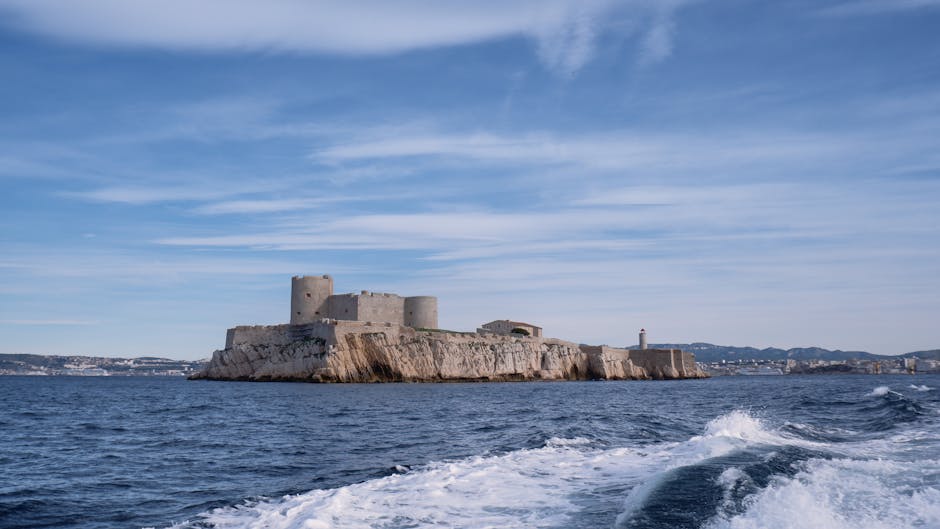
Stunning view of Château d’If on Île d’If against a bright blue sky and cal…, Crozet Islands, French Southern and Antarctic Lands
FAQs: Your Crozet Islands, French Southern and Antarctic Lands Questions Answered
1. Is Crozet Islands, French Southern and Antarctic Lands safe at night?
You will be safely onboard your ship at night. The primary safety concerns are environmental: extreme weather, cold, and rough seas during transit. On land, the main risk is from wildlife; while penguins and seals are not aggressive, you must keep a safe distance, and Elephant Seal bulls can be territorial. Always follow your guide’s instructions explicitly.
2. What currency is used and are credit cards accepted?
The official currency is the Euro (€), but there is absolutely nowhere to spend money on the islands. All expenses are covered by your expedition cruise fare. Onboard your ship, you will set up a tab for bar drinks, laundry, or the gift shop, settled by credit card at the end of the voyage. Bring cash only for souvenirs in departure ports.
3. How do I get from the airport to the city center (for my departure port)?
This depends on your port. From Hobart International Airport (HBA), a taxi to the waterfront costs about AUD 50-60. From Cape Town International (CPT), a pre-booked shuttle or taxi to the V&A Waterfront costs around ZAR 300-400. For utmost convenience, book airport transfers at GetYourGuide.
4. Do I need to speak the local language?
No. Expedition staff and naturalists are fluent in English (and often several other languages). The onboard language is typically English. Learning a few basic French phrases (“Merci,” “S’il vous plaît”) is a polite gesture but not necessary for the experience.
5. What’s the appropriate dress code?
Forget fashion; think function. The dress code is 100% technical expedition gear. You’ll need a waterproof and windproof outer shell, insulated layers, thermal base layers, waterproof pants, insulated rubber boots (often supplied), warm gloves, a beanie, and neck gaiter.

