
Copenhagen, Denmark’s Best Bikes, Hygge & Modernist Cuisine (2026)
While crowds flock to Amsterdam for its canals, Copenhagen delivers a more livable, effortlessly cool urban experience without the overwhelming tourist crush. Here, you’ll find more bicycles than people, a harbor clean enough to swim in, and a culinary scene that has quietly dominated the world for over a decade. Savvy travelers choose differently, discovering a city where design isn’t just observed but lived, and where the local concept of ‘hygge’ turns simple moments into cherished memories.
Why Copenhagen, Denmark Stands Out

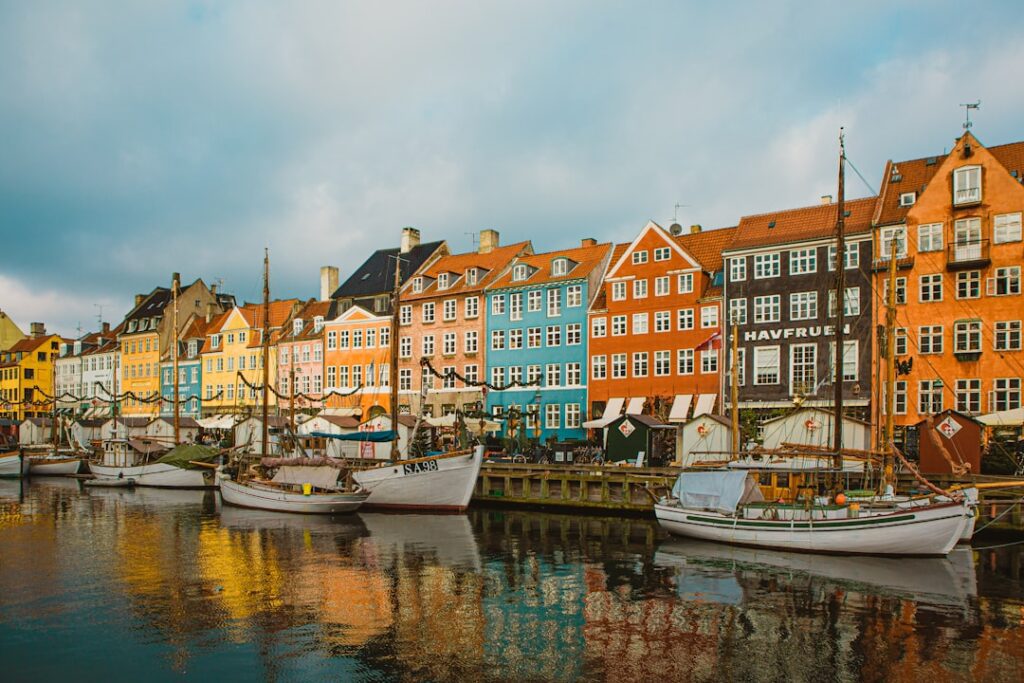
Boats on body of water near buildings, Copenhagen, Denmark
- Historic Architecture: The 17th-century Rosenborg Castle, built by King Christian IV, houses the dazzling Danish Crown Jewels in its basement treasury.
- Cultural Scene: The annual Copenhagen Distortion festival in early June transforms neighborhoods into massive street parties celebrating music and community.
- Local Specialties: You must try *smørrebrød*, the iconic open-faced sandwich, where rye bread becomes a canvas for artistic arrangements of pickled herring, roast beef, or shrimp.
Pro Tip: Visit in late May or early September. You’ll enjoy mild weather, long daylight hours, and significantly fewer crowds than peak summer, while most attractions and outdoor cafes are still fully operational. Locals are also more relaxed before and after the high season.
Map of Copenhagen, Denmark
Use these interactive maps to explore Copenhagen, Denmark and plan your route:
📍 View Copenhagen, Denmark on OpenStreetMap
🗺️ Open Copenhagen, Denmark in Google Maps
Planning Your Trip: Practical Essentials
Getting There and Around
- By Air: Copenhagen Airport (CPH) is Scandinavia’s major hub, served by SAS, Norwegian, and many international carriers. The Metro connects to the city center in 15 minutes. Book flights at Skyscanner for best deals.
- By Train: Excellent rail links from Stockholm (5 hours) and Hamburg (4.5 hours) via the Øresund Bridge. Reserve tickets at Trainline or the national railway website.
- By Car: Driving is straightforward but parking in the city is expensive and limited; a car is only recommended for day trips. Compare car rentals at RentalCars.com.
- Local Transport: The integrated Metro, bus, and train system (DOT) is efficient. A City Pass (24h/120 DKK) offers unlimited travel. For the true local experience, rent a bike from shops like Baisikeli for around 100 DKK/day.
Best Time to Visit
Copenhagen is a year-round destination with a strong indoor culture, but the city truly blossoms in the warmer months when life spills outdoors onto canals and into parks.
| Season | Weather | Highlights |
|---|---|---|
| Summer (Jun–Aug) | 15-22°C (59-72°F), long days, occasional rain | Outdoor festivals, harbor baths, Tivoli Gardens in full swing; peak crowds and prices. |
| Winter (Dec–Feb) | 0-4°C (32-39°F), short days, possible snow | Magical Christmas markets (Nov-Dec), cozy *hygge* in cafes, lower prices; some attractions have reduced hours. |
| Shoulder (Apr–May/Sep–Oct) | 8-15°C (46-59°F), changeable but pleasant | Ideal for sightseeing without queues, spring blooms or autumn colors, comfortable for cycling. |
Budgeting for Copenhagen, Denmark

A group of boats that are sitting in the water, Copenhagen, Denmark
| Category | Budget | Mid-range | Luxury |
|---|---|---|---|
| Accommodation | Hostel: 200-350 DKK/night | Boutique hotel: 900-1500 DKK/night | Design hotel/suite: 2500+ DKK/night |
| Meals | Street food/ *smørrebrød*: 80-150 DKK | Casual restaurant meal: 250-400 DKK | New Nordic tasting menu: 1000+ DKK |
| Transport | City Pass bike rental: 100-150 DKK/day | Taxi short trip: 100-200 DKK | Private driver/tours: 1000+ DKK/day |
| Activities | Free museums, canal swims | Tivoli entry: 145 DKK, museum tickets: 100 DKK avg. | Private guided tours, fine dining |
| Daily Total | 500-800 DKK | 1500-2500 DKK | 4000+ DKK |
Top Attractions and Must-See Sights
| Attraction | Description | Hours | Entry Fee |
|---|---|---|---|
| Tivoli Gardens | The world’s second-oldest amusement park, a magical blend of rides, gardens, and concert pavilions that inspired Walt Disney. | Vary by season; typically 11:00-23:00 | 145 DKK (rides extra) |
| The Little Mermaid | Based on Hans Christian Andersen’s tale, this 1913 bronze statue is a small but iconic symbol of the city on the Langelinie promenade. | 24/7 | Free |
| Nyhavn | The iconic 17th-century waterfront of colorful gabled houses, historic wooden ships, and bustling restaurants. | 24/7 | Free |
| Rosenborg Castle | A Dutch Renaissance castle built in 1606, home to the Danish Crown Jewels and stunning royal regalia. | 10:00-16:00 (Summer 10:00-17:00) | 130 DKK |
3-Day Itinerary: Copenhagen, Denmark’s Highlights & Hidden Gems
Day 1: Historic Core & Harbor Charm
- Morning (9:00 AM): Start at the Rundetårn (Round Tower), built in 1642. For 40 DKK, walk the unique spiral ramp to panoramic city views. Then, wander the Latin Quarter’s narrow streets.
- Afternoon (12:30 PM): Head to the Torvehallerne food market for lunch. Try Hallernes Smørrebrød for a classic herring sandwich (~95 DKK). Afterwards, visit Rosenborg Castle (130 DKK).
- Evening (6:00 PM): Stroll the photogenic Nyhavn canal. For dinner, skip the touristy spots and walk to nearby Kødbyens Fiskebar in the Meatpacking District for exceptional seafood (mains ~275 DKK).
Day 2: Design, Royals & Amusement
- Morning (10:00 AM): Explore the Designmuseum Danmark (130 DKK) to understand Denmark’s design legacy. Then, witness the changing of the guard at Amalienborg Palace at 12:00 (free).
- Afternoon (1:30 PM): Grab a famous hot dog from a *pølsevogn* (sausage wagon) for a quick, cheap lunch. Take a harbor cruise (from 85 DKK) from Nyhavn to see the city from the water, passing the Opera House and the Little Mermaid.
- Evening (5:00 PM): Enter the magical Tivoli Gardens (145 DKK). Ride the vintage roller coaster, enjoy the lights, and dine at one of its many restaurants, like Grøften for traditional Danish fare.
Day 3: Modern Culture & Local Life
- Morning (9:00 AM): Take the Metro to Christianshavn. Visit the free-town of Christiania, a self-proclaimed autonomous neighborhood with unique murals and cafes (be respectful, no photography in the central area).
- Afternoon (12:30 PM): Climb the spiral spire of the Church of Our Saviour for thrilling views (65 DKK). Have lunch at Morgenstedet in Christiania, a beloved vegetarian cafe (meal ~80 DKK).
- Evening (6:00 PM): Experience “hygge” in the trendy Nørrebro district. Browse independent shops on Jægersborggade, then enjoy New Nordic cuisine at the Michelin Bib Gourmand awarded Bæst for incredible pizza and charcuterie.
Cultural Insights & Etiquette
- Language: Danish is the official language, but English proficiency is exceptionally high. Learning a few words like “tak” (thank you) and “hej” (hello) is appreciated.
- Customs: Danes value punctuality, direct communication, and personal space. When toasting, look people directly in the eyes and say “skål”.
- Tipping: Service is included in all bills. It’s customary to round up the bill or leave 5-10% for exceptional service in restaurants, but it’s not mandatory.
- Dress Code: Smart-casual is the norm; Danes dress well but practically. Upscale restaurants may expect a more polished look.
- Business Hours: Shops typically open 10:00-18:00 on weekdays, with shorter hours Saturday and closed Sunday. Many museums are closed on Mondays.
Where to Eat: Copenhagen, Denmark’s Best Bites
Copenhagen’s food scene is legendary, moving far beyond pastries. It’s the birthplace of New Nordic cuisine, emphasizing local, seasonal, and foraged ingredients. From world-renowned tasting menus to humble street food, the quality is consistently high.
Must-Try Local Specialties
- Smørrebrød: The art of the open-faced sandwich. For the classic experience, visit Schønnemann, established in 1877, or the more modern Selma.
- Danish Pastry (Wienerbrød): Flaky, buttery, and often filled with marzipan or custard. Find the best at Juno the Bakery in Østerbro or Meyers Bageri.
- Stegt Flæsk: Denmark’s national dish: crispy fried pork belly served with parsley sauce and potatoes. Try it at traditional restaurants like Restaurant Klubben.
Restaurant Recommendations by Budget
| Type | Restaurant | Specialty | Price Range |
|---|---|---|---|
| Budget | Reffen (Refshaleøen) | International street food market in a creative urban space | 50-150 DKK per dish |
| Mid-range | Høst (Nørrebro) | Atmospheric, award-winning New Nordic set menus in a rustic-chic setting | 3-course menu ~395 DKK |
| Fine dining | Geranium (Kongens Have) | Three-Michelin-starred culinary artistry with panoramic park views | Tasting menu from 3,200 DKK |
Where to Stay
Neighborhood choice defines your Copenhagen experience. The city is compact and well-connected, so you’re never far from the center. Compare prices and book at Booking.com or Airbnb for apartments.
Best Neighborhoods for Accommodation
- Indre By (The Inner City): The historic heart, home to Strøget shopping street, Nyhavn, and many major sights. Ideal for first-time visitors; can be busy and pricey.
- Vesterbro: The former meatpacking district, now a hip area with great restaurants, boutiques, and nightlife. Perfect for travelers seeking a vibrant, local vibe.
- Nørrebro: Multicultural, trendy, and buzzing with energy. Full of vintage shops, ethnic eateries, and cool bars. Best for younger travelers or those wanting an edgier stay.

A group of boats parked next to each other in a harbor, Copenhagen, Denmark
FAQs: Your Copenhagen, Denmark Questions Answered
1. Is Copenhagen, Denmark safe at night?
Copenhagen is one of the safest capitals in the world. Normal precautions apply, especially in crowded areas for pickpocketing. Areas like Vesterbro and Nørrebro are lively at night and generally safe. Christiania has its own rules; visit during daylight hours and be respectful.
2. What currency is used and are credit cards accepted?
The currency is the Danish Krone (DKK). Credit and debit cards (especially Visa and Mastercard) are accepted virtually everywhere, including for small purchases. It’s wise to have a small amount of cash for markets or very old establishments, but you can easily manage without it.
3. How do I get from the airport to the city center?
The Metro is the fastest option. Line M2 runs every 4-6 minutes, takes 15 minutes to Kongens Nytorv (central square), and costs 36 DKK. Trains also run to Central Station (Hovedbanegården) in 15 minutes. Taxis are available (~250-350 DKK to the center). Book airport transfers at GetYourGuide for convenience.
4. Do I need to speak the local language?
No. English is widely spoken by almost everyone, from waiters to bus drivers. Menus, signs, and announcements are often in both Danish and English. Locals appreciate a polite “hej” (hello) and “tak” (thank you).
5. What’s the appropriate dress code?
Danes favor a smart, understated, and functional style. For most sightseeing, comfortable shoes and layers are key due to changeable weather. For fine dining, smart casual (collared shirts, dresses, nice jeans) is appropriate. Pack a waterproof jacket regardless of season.
Final Thoughts: Copenhagen, Denmark Awaits
Copenhagen offers more than a checklist of sights; it presents a masterclass in quality of life. You’ll discover a city where cutting-edge design meets cobblestone charm, where food is an art form, and where the simple joy of cycling along a canal or sharing a candlelit coffee embodies the soul of the place. It’s a city that feels both profoundly historic and vibrantly contemporary. Your best bet is to embrace the local pace—rent a bike, follow the water, and let the effortless cool of Copenhagen win you over. Don’t leave without experiencing a moment of pure *hygge*; find a cozy corner, watch the world go by, and you’ll understand why Danes are consistently ranked among the happiest people on earth.

