
Chuuk, Micronesia’s Stunning Wrecks, Reefs & Unfiltered Island Life (2026)
While divers worldwide dream of exploring the 60+ Japanese warships and aircraft resting in the Truk Lagoon, a legacy of Operation Hailstone in February 1944, Chuuk offers a secret beyond the deep. Above the waterline, you’ll find a living culture on 19 inhabited islands where traditional navigation is still practiced, and a day’s budget can be as simple as $50 for a local guesthouse, fresh fish, and a boat ride to a deserted sandbar. This is Micronesia at its most raw and authentic.
Why Chuuk, Micronesia Stands Out

Coconut trees on shore at daytime, Chuuk, Micronesia
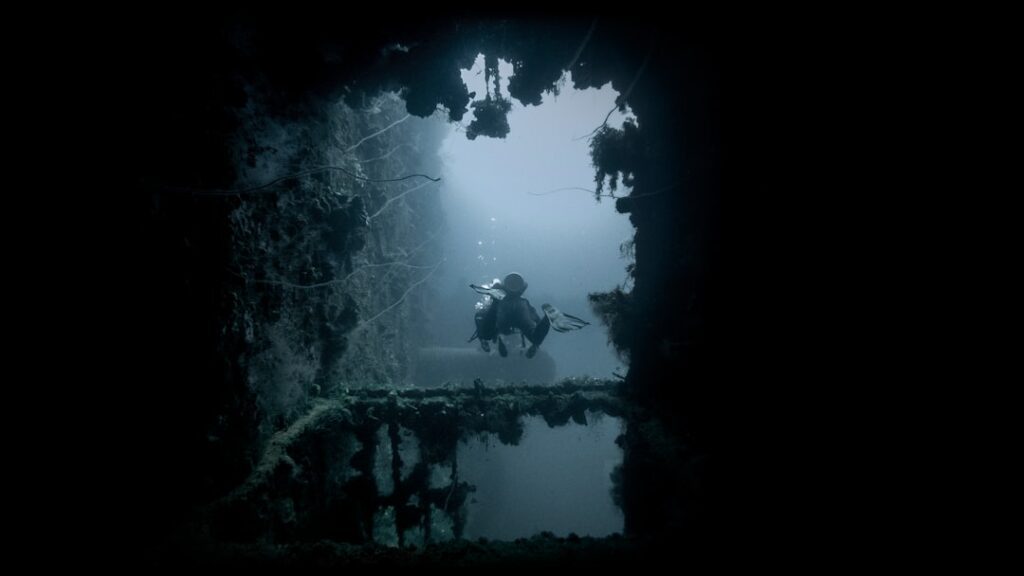
- Historic Architecture: The submerged “Ghost Fleet” of Truk Lagoon, a sprawling underwater museum of WWII wrecks from 1944, where fighter planes rest on coral gardens and engine rooms are home to giant groupers.
- Cultural Scene: The vibrant Chuuk Women’s Council Weaving Festival, where master weavers demonstrate traditional loom techniques passed down for generations, creating intricate textiles called “Lava-lavas.”
- Local Specialties: Kón, a potent fermented breadfruit paste, often served during important community gatherings and ceremonies, offering a unique taste of island tradition.
Pro Tip: For the absolute best diving conditions—crystal clear visibility and calm seas—plan your trip for the dry season window between January and April. This is when underwater photographers get those legendary shots of the wrecks. Avoid the rainy summer months (July-September) when reduced visibility can obscure the lagoon’s incredible details.
Map of Chuuk, Micronesia
Use these interactive maps to explore Chuuk, Micronesia and plan your route:
📍 View Chuuk, Micronesia on OpenStreetMap
🗺️ Open Chuuk, Micronesia in Google Maps
Planning Your Trip: Practical Essentials
Getting There and Around
- By Air: Chuuk International Airport (TKK) on Weno Island is the main gateway. United Airlines operates “Island Hopper” flights from Guam and Honolulu a few times per week—book these well in advance. Book flights at Skyscanner for best deals.
- By Train: No train service exists in Chuuk or across Micronesia. Inter-island travel is exclusively by boat or small aircraft.
- By Car: On Weno Island, you can rent a car or, more commonly, hire a taxi for the day (around $50-80). Roads are basic. Compare car rentals at RentalCars.com for available options.
- Local Transport: Between islands, you’ll rely on local “field trip” boats (scheduled passenger ferries) or charter small private boats, which can be arranged through your hotel or dive shop. On Weno, shared taxis are the main public transport.
Best Time to Visit
Chuuk has a tropical climate year-round, but your experience is heavily dictated by the trade winds and rainfall. The key distinction is between the drier, calmer “diving season” and the wetter, windier off-season.
| Season | Weather | Highlights |
|---|---|---|
| Dry Season (Jan–Apr) | 78-88°F (26-31°C), low rainfall, calm seas, excellent visibility (100+ ft) | Prime conditions for wreck diving, peak season for dive liveaboards, ideal for photography. |
| Wet Season (Jul–Oct) | 80-90°F (27-32°C), frequent heavy showers, higher humidity, possible tropical storms | Fewer tourists, lower accommodation rates, lush green landscapes, but diving visibility can be reduced. |
| Shoulder (May-Jun/Nov-Dec) | Transitional weather; generally good with occasional brief showers | A good balance of decent weather and smaller crowds, often the best value for time and money. |
Budgeting for Chuuk, Micronesia

A bird flying over a rock in the ocean, Chuuk, Micronesia
| Category | Budget | Mid-range | Luxury |
|---|---|---|---|
| Accommodation | $40-60/night (basic guesthouse) | $80-150/night (dive resort room) | $200+/night (liveaboard dive boat) |
| Meals | $5-10 (local market & small eateries) | $15-25 (resort restaurant meal) | $30+ (specialty dining/private charters) |
| Transport | $5-10/day (shared taxi trips) | $50/day (private taxi/boat charter) | $150+/day (private boat & driver) |
| Activities | Free (hiking, village visits) | $80-120 (two-tank dive trip) | $300+ (specialty tech diving courses) |
| Daily Total | $50-80 | $150-250 | $400+ |
Top Attractions and Must-See Sights
| Attraction | Description | Hours | Entry Fee |
|---|---|---|---|
| Truk Lagoon Wreck Dives | Explore the world’s greatest wreck diving site, with intact ships like the Fujikawa Maru, full of Zero fighter planes. | Dive boats depart 8 AM-3 PM | $80-120 per two-tank dive |
| Xavier High School Lookout | Panoramic view from a historic hilltop school over the lagoon and surrounding islands, offering perfect sunset vistas. | Daylight hours | Free (small donation appreciated) |
| Tonata & Eot Beach | Pristine white-sand beaches on smaller outer islands, accessible by boat, ideal for snorkeling and picnics. | Daylight hours | Free (boat charter cost applies) |
| Chuuk State Museum | Small but insightful museum on Weno detailing traditional navigation, stone money, and the history of the lagoon wrecks. | Mon-Fri, 9 AM-4 PM | $3 |
3-Day Itinerary: Chuuk, Micronesia’s Highlights & Hidden Gems
Day 1: Immersion in Weno & Wreck History
- Morning (7-9 AM): Start with a local breakfast at the Blue Lagoon Resort, trying their fresh papaya and eggs. Then, visit the Chuuk State Museum (opens at 9 AM, $3) to contextualize the wrecks you’ll soon see.
- Afternoon (12-3 PM): Take a guided land tour to key WWII sites like the Japanese Communications Bunker and the Nantaku Viewpoint. For lunch, stop at JJ Café in Weno for a hearty chicken kelaguen plate.
- Evening (6-8 PM): Head to the Xavier High School lookout for a breathtaking sunset over the lagoon. Enjoy dinner at your resort, where the catch of the day, like grilled mahi-mahi, is always a safe bet.
Day 2: The Underwater Museum
- Morning (8 AM): Board a dive boat with a reputable operator like Blue Lagoon Dive Shop or Truk Lagoon Dive Center. Your first dive (around $110) will likely be the iconic Fujikawa Maru, a freighter with intact aircraft in its hold.
- Afternoon: Surface for a packed lunch on the boat, then descend for a second dive on a wreck like the Shinkoku Maru, a tanker now adorned with stunning soft corals and home to schools of batfish.
- Evening: After returning to shore, relax and swap stories with fellow divers. Enjoy a casual dinner at the Truk Stop Hotel’s restaurant, a classic diver hangout.
Day 3: Outer Islands & Culture
- Morning: Charter a small boat ($100-150 for a group) for the 45-minute trip to Tonata Island. Spend the morning snorkeling its vibrant reef and walking the pristine beach.
- Afternoon: Have a picnic lunch on the beach (pack supplies from Weno). Return to Weno and visit a local weaving collective to see traditional textiles being made—look for the Women’s Council building.
- Evening: For your final night, seek out a local-style dinner. Ask your hotel to arrange a visit to a family home for a taste of authentic Chuukese dishes like pounded breadfruit and local reef fish.
Cultural Insights & Etiquette
- Language: Chuukese is the local language. English is spoken in tourist areas. Key phrases: “Ran annim” (Thank you), “Kaselehlie” (Hello).
- Customs: Always ask permission before taking photos of people, especially elders. Modesty is important; avoid public displays of affection. When entering a village, it’s respectful to greet the chief or head of household first.
- Tipping: Not a traditional practice, but a small tip ($5-10) for exceptional boat captains, dive guides, or tour leaders is greatly appreciated.
- Dress Code: Swimwear is for the beach/resort only. In villages and towns, wear modest clothing that covers shoulders and knees. A “lava-lava” (wraparound skirt) is acceptable for both men and women.
- Business Hours: Government offices: Mon-Fri, 8 AM-5 PM. Shops may close for a long lunch (12-1:30 PM). Many businesses are closed on Sundays.
Where to Eat: Chuuk, Micronesia’s Best Bites
Dining in Chuuk is a blend of simple resort fare and deeply traditional local cuisine centered on seafood, breadfruit, taro, and coconut. The most authentic experiences often come from small, family-run kitchens or community feasts.
Must-Try Local Specialties
- Kelaguen: The national dish of Micronesia—finely chopped chicken, fish, or shrimp “cooked” in a marinade of lemon juice, onions, and coconut. Try it at JJ Café or any local gathering.
- Pounded Breadfruit (Uht): A starchy staple, similar to mashed potatoes, often served as a side with grilled fish. Best experienced at a local home or cultural event.
- Fresh Tuna Sashimi: Incredibly fresh tuna, often caught the same day, served simply with soy sauce. Dive boat lunches frequently feature this.
Restaurant Recommendations by Budget
| Type | Restaurant | Specialty | Price Range |
|---|---|---|---|
| Budget | JJ Café (Weno) | Local plates with kelaguen, fried rice, and chicken | $5-10 |
| Mid-range | Blue Lagoon Resort Restaurant (Weno) | Western & local dishes, fresh seafood, and burgers | $15-25 |
| Fine dining | Truk Stop Hotel Restaurant (Weno) | The most varied menu on island, from steaks to local lobster | $25-40 |
Where to Stay
Accommodation is concentrated on the main island of Weno, ranging from basic guesthouses to full-service dive resorts. For the ultimate wreck-diving immersion, a liveaboard boat is the top choice. Compare prices and book at Booking.com or Airbnb for apartments (limited availability).
Best Neighborhoods for Accommodation
- Weno (Main Island): The logistical hub with all dive shops, the airport, and most services. It’s practical but not the most scenic. Best for divers and first-time visitors who need convenience.
- Dive Resort Compounds (Weno): Places like the Blue Lagoon Resort offer self-contained environments with rooms, restaurants, and dive operations on-site. Ideal for those who want everything in one place.
- Liveaboard Dive Boats: Not a neighborhood, but the premier accommodation for serious divers. You sleep above the wrecks, allowing for 3-4 dives per day. Book these specialist trips well in advance through operators like the SS Thorfinn or Truk Odyssey.

Under water view, Chuuk, Micronesia
FAQs: Your Chuuk, Micronesia Questions Answered
1. Is Chuuk, Micronesia safe at night?
Weno town has areas that can feel deserted at night. It’s advised to take taxis after dark and not walk alone. Petty theft can occur, so don’t leave valuables unattended. On resort properties and liveaboards, safety is generally not a concern. Always exercise common sense and situational awareness.
2. What currency is used and are credit cards accepted?
The US Dollar (USD) is the official currency. Credit cards (Visa/Mastercard) are accepted at major resorts, dive shops, and the Truk Stop Hotel, but always carry ample cash for smaller restaurants, taxis, boat charters, and village visits, as ATMs are limited and can be unreliable on Weno.
3. How do I get from the airport to the city center?
Chuuk International Airport (TKK) is a short drive from the main hotels. Resorts often provide pre-arranged transfers ($10-20 per person). Otherwise, taxis meet all flights; a ride to Blue Lagoon or Truk Stop should cost around $15-25. Book airport transfers at GetYourGuide for convenience if your hotel doesn’t offer one.
4. Do I need to speak the local language?
No. English is widely spoken in the tourism sector (hotels, dive shops). Learning a few basic Chuukese greetings like “Kaselehlie” (Hello) will, however, earn you warm smiles and show respect for the local culture.
5. What’s the appropriate dress code?
Modesty is key. For general wear, opt for t-shirts and shorts or skirts that cover the knees. Swimwear is only for the beach, pool, or dive boat. When visiting villages, more conservative dress (covering shoulders and knees) is a must. A sarong or light wrap is incredibly useful.
Final Thoughts: Chuuk, Micronesia Awaits
Chuuk is not a destination of polished resorts and curated cultural shows. It is a place of profound historical resonance, where history lies just beneath the waves, and authentic island life continues on the shores above. You come here for the unparalleled wreck diving, but you leave remembering the warmth of the people, the taste of fresh kelaguen, and the quiet beauty of a lagoon sunset. For the adventurous traveler seeking a destination that feels truly discovered, not manufactured, Chuuk delivers an experience that is both humbling and exhilarating. Your best final move? Book a liveaboard dive trip during the dry season—it’s the most immersive way to connect with the heart of this remarkable place.

