
Chichen Itza, Mexico: Essential Ancient Wonders, Sacred Cenotes & Mayan Mysteries (2025)
At precisely 3:45 PM during the spring equinox, the northwest corner of El Castillo casts a series of triangular shadows that create the illusion of a serpent slithering down the pyramid’s steps. This astronomical precision, engineered by Mayan mathematicians over 1,200 years ago, still draws thousands who witness the stone serpent come to life each March. While 2.6 million annual visitors photograph the iconic pyramid, fewer than 15% explore the site’s 740-acre complex or understand the sophisticated urban planning behind this UNESCO World Heritage site.
Why Chichen Itza, Mexico Stands Out

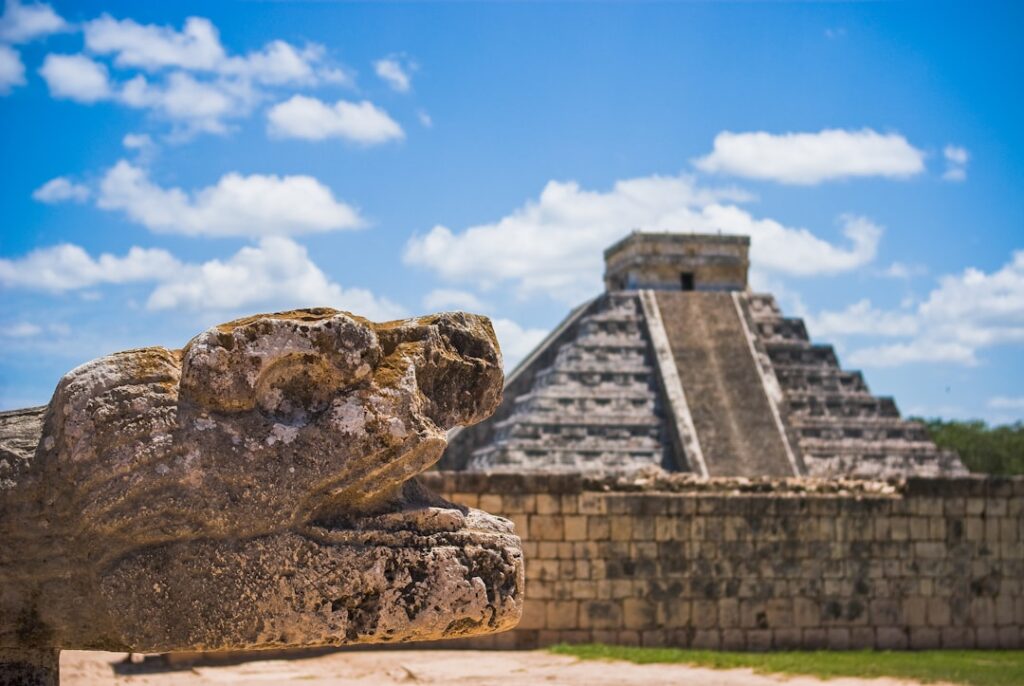
Gray temple, Chichen Itza, Mexico
- Historic Architecture: El Castillo pyramid (built circa 800-900 AD) precisely aligns with celestial events and contains a smaller pyramid inside its structure.
- Cultural Scene: The spring equinox light show transforms the pyramid into the descending serpent god Kukulcán, drawing thousands for this ancient astronomical spectacle.
- Local Specialties: Cochinita pibil – slow-roasted pork marinated in achiote and sour orange, traditionally cooked in underground pits.
Pro Tip: Arrive exactly at 8 AM when gates open to experience the main pyramid in relative solitude for about 45 minutes before tour buses arrive. The best months are November or February when temperatures are milder and crowds thinner than during peak December holidays.
Map of Chichen Itza, Mexico
Use these interactive maps to explore Chichen Itza, Mexico and plan your route:
📍 View Chichen Itza, Mexico on OpenStreetMap
🗺️ Open Chichen Itza, Mexico in Google Maps
Planning Your Trip: Practical Essentials
Getting There and Around
- By Air: Cancún International Airport (CUN) serves most international travelers, with ADO buses running directly to Chichen Itza for $25-35. Book flights at Skyscanner for best deals.
- By Train: No direct rail service to Chichen Itza, but first-class ADO buses from Merida ($15) and Cancún ($30) offer comfortable 2.5-3 hour journeys. Reserve tickets at Trainline or the national railway website.
- By Car: Highway 180D connects Merida to Chichen Itza with tolls around $15. Parking at the archaeological site costs 30 MXN. Compare car rentals at RentalCars.com.
- Local Transport: Colectivos (shared vans) run between nearby towns for 20-50 MXN. Most visitors walk the archaeological site, which spans nearly 5 kilometers of pathways.
Best Time to Visit
The ideal visiting window balances comfortable temperatures with manageable crowds. Dry season offers clearer skies but higher visitation, while shoulder months provide better photography conditions and shorter lines.
| Season | Weather | Highlights |
|---|---|---|
| Summer (Jun–Aug) | 85-95°F, humid with afternoon rains | Lush green landscapes, fewer crowds than winter, lower accommodation rates |
| Winter (Dec–Feb) | 75-85°F, dry and sunny | Perfect exploring weather but peak crowds, especially during holidays |
| Shoulder (Apr–May/Sep–Oct) | 80-90°F, moderate humidity | Best balance of weather and crowds, ideal for photography and thorough exploration |
Budgeting for Chichen Itza, Mexico

Gray concrete pyramid under blue sky during daytime, Chichen Itza, Mexico
| Category | Budget | Mid-range | Luxury |
|---|---|---|---|
| Accommodation | $25-40/night (hostels, basic hotels) | $80-150/night (boutique hotels) | $200-400/night (luxury resorts) |
| Meals | $8-15/day (street food, mercado) | $25-40/day (restaurants) | $60-100/day (fine dining) |
| Transport | $10-20/day (buses, colectivos) | $30-50/day (rental car, taxis) | $75-150/day (private driver) |
| Activities | $20-30 (site entry only) | $50-80 (guided tours, cenotes) | $100-200 (private guides, special access) |
| Daily Total | $63-105 | $185-320 | $435-850 |
Top Attractions and Must-See Sights
| Attraction | Description | Hours | Entry Fee |
|---|---|---|---|
| El Castillo (Kukulcán Pyramid) | The iconic 79-foot pyramid aligned with equinoxes to create descending serpent shadow | 8 AM-5 PM | 533 MXN (includes site entry) |
| Great Ball Court | Largest ancient ball court in Mesoamerica with remarkable acoustics and stone rings | 8 AM-5 PM | Included with site entry |
| Sacred Cenote | Natural sinkhole where precious offerings and human sacrifices were made to Chaac | 8 AM-5 PM | Included with site entry |
| Temple of the Warriors | Impressive complex with 200+ columns and Chac Mool sculpture facing rising sun | 8 AM-5 PM | Included with site entry |
3-Day Itinerary: Chichen Itza, Mexico’s Highlights & Hidden Gems
Day 1: Ancient City Exploration
- Morning: Arrive at 7:45 AM to enter precisely at opening, heading straight to El Castillo for crowd-free photos. The pyramid’s 365 steps represent the solar calendar.
- Afternoon: Explore the Great Ball Court’s acoustic wonders and Temple of the Warriors complex, then lunch at Hacienda Chichen’s restaurant (cochinita pibil for 280 MXN).
- Evening: Sound and light show at 7 PM (150 MXN extra) followed by dinner at Hotel Mayaland’s La Casona restaurant.
Day 2: Cenotes & Local Culture
- Morning: Ik Kil cenote swim before crowds (180 MXN entry) – this stunning natural sinkhole drops 85 feet with hanging vines and clear blue water.
- Afternoon: Visit Valladolid’s San Bernardino Monastery and Mercado Municipal for authentic Yucatecan street food like salbutes and panuchos.
- Evening: Traditional Maya ceremony demonstration at Hotel & Bungalows Mayaland (free for guests, 200 MXN for visitors).
Day 3: Hidden Ruins & Craft Villages
- Morning: Colectivo to Ek Balam (120 MXN round trip), climbing the Acropolis for panoramic views few tourists experience.
- Afternoon: Lunch in colonial Valladolid at Yerbabuena del Sisal (vegetarian options from 120 MXN) then explore craft workshops along Calzada de los Frailes.
- Evening: Farewell dinner at El Meson del Marques in Valladolid’s main square, trying sopa de lima and poc chuc.
Cultural Insights & Etiquette
- Language: Spanish is primary; learn “Bix a beel?” (How are you?) and “Ma’alob” (Good) in Maya to connect with locals
- Customs: Always ask permission before photographing local people, particularly Maya communities selling crafts
- Tipping: 10-15% at restaurants, 20-50 MXN for guides, 10 MXN for bathroom attendants
- Dress Code: Lightweight natural fabrics, comfortable walking shoes, hat and sunglasses essential for sun protection
- Business Hours: Archaeological sites 8 AM-5 PM, shops 10 AM-7 PM, many businesses close 2-4 PM for siesta
Where to Eat: Chichen Itza, Mexico’s Best Bites
Yucatecan cuisine blends Maya, Spanish, and Caribbean influences with distinctive flavors from achiote, sour orange, and habanero. You’ll find everything from sophisticated hotel restaurants to humble market stalls serving generations-old recipes.
Must-Try Local Specialties
- Cochinita Pibil: Pork marinated in achiote and sour orange, slow-roasted in banana leaves – best at Hacienda Chichen’s restaurant
- Poc Chuc: Grilled pork with pickled onions and sour orange – try at Hotel Mayaland’s outdoor terrace
- Panuchos & Salbutes: Fried tortillas with various toppings – most authentic at Valladolid’s municipal market stalls
Restaurant Recommendations by Budget
| Type | Restaurant | Specialty | Price Range |
|---|---|---|---|
| Budget | Las Mestizas (Valladolid market) | Authentic market food including tamales and empanadas | $5-10 per person |
| Mid-range | Hacienda Chichen Restaurant | Traditional Yucatecan dishes in historic setting | $15-25 per person |
| Fine dining | El Meson del Marques (Valladolid) | Refined regional cuisine in 17th-century courtyard | $30-50 per person |
Where to Stay
Accommodation ranges from basic hotels near the ruins to colonial gems in Valladolid 45 minutes away. Staying onsite allows early access, while Valladolid offers more dining options and authentic atmosphere. Compare prices and book at Booking.com or Airbnb for apartments.
Best Neighborhoods for Accommodation
- Archaeological Zone: Walking distance to ruins but limited dining options – perfect for serious explorers wanting early access
- Piste Town: Budget-friendly options 2km from ruins with local restaurants and convenience stores
- Valladolid: Colonial charm, excellent restaurants, and cenotes nearby – best for travelers wanting cultural immersion

People near gray building, Chichen Itza, Mexico
FAQs: Your Chichen Itza, Mexico Questions Answered
1. Is Chichen Itza, Mexico safe at night?
The archaeological site itself closes at 5 PM, but surrounding areas are generally safe. Exercise normal precautions after dark – stick to well-lit areas, don’t display expensive equipment, and use registered taxis. Violent crime is rare, but petty theft can occur in crowded areas.
2. What currency is used and are credit cards accepted?
Mexican pesos are preferred, though US dollars are often accepted at higher prices. Entry fees must be paid in pesos. Credit cards work at hotels and nicer restaurants, but carry cash for markets, small restaurants, and tips. ATMs are available in Piste and Valladolid.
3. How do I get from the airport to the city center?
From Cancún Airport, ADO buses run directly to Chichen Itza for $25-35 (3 hours). Private transfers cost $100-150. From Merida, first-class ADO buses take 2 hours for $15. Book airport transfers at GetYourGuide for convenience.
4. Do I need to speak the local language?
Basic Spanish phrases will enhance your experience, though English is spoken at major hotels and tour companies. In markets and local restaurants, knowing numbers and simple greetings makes interactions smoother. Locals appreciate attempts to speak Spanish.
5. What’s the appropriate dress code?
Lightweight, breathable clothing with sun protection is essential. Comfortable walking shoes are mandatory – the site involves extensive walking on uneven surfaces. Modest dress is respectful when visiting local communities, though tourist areas are more relaxed.
Final Thoughts: Chichen Itza, Mexico Awaits
Chichen Itza offers more than just iconic photographs – it’s a living classroom where ancient astronomy, architecture, and culture converge. Savvy travelers discover that spending two nights here transforms the experience from a crowded day trip into a meaningful immersion. The true magic emerges when you witness the morning light illuminating stone carvings without the midday crowds or hear the mysterious acoustics of the ball court in relative solitude. Don’t just check this UNESCO site off your list – allow time to understand the sophisticated civilization that engineered these wonders centuries before modern technology. Your most memorable moment might come from simply sitting in the shadow of El Castillo as the heat of day fades, imagining the vibrant city this once was.

