
Cheonan, South Korea’s Hidden Temples, Trails & Culinary Crossroads (2026)
While crowds flock to Seoul’s palaces and Busan’s beaches, Cheonan, South Korea delivers authentic Korean life and profound historical sites without the tourist queues. Savvy travelers choose differently, discovering a city where a 1,300-year-old temple sits a short bus ride from a bustling market famed for its *sundae* (blood sausage), and where the nation’s independence spirit is palpable at the Independence Hall. This is where modern Korea’s convenience meets deep-rooted tradition, all within an hour from the capital.
Why Cheonan, South Korea Stands Out

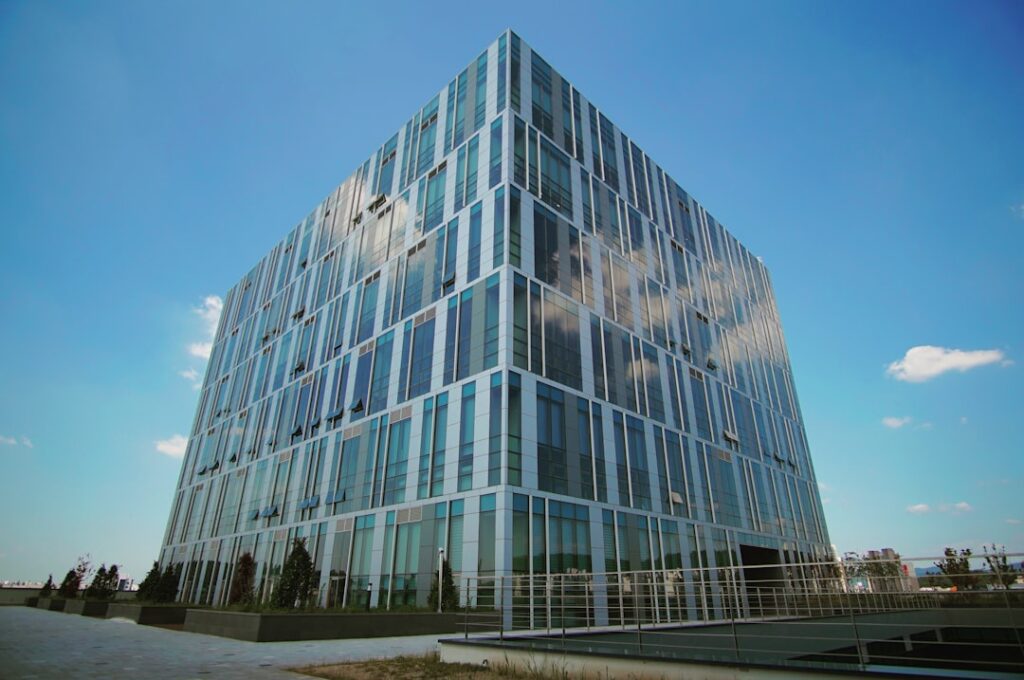
Brown wooden table near window, Cheonan, South Korea
- Historic Architecture: Gakwonsa Temple, established in 1977 to pray for national reunification, is home to the majestic Cheonbulbojeon Hall and one of Asia’s largest seated bronze Buddha statues, standing 15 meters tall.
- Cultural Scene: The Cheonan Heungtaryeong Festival each October celebrates the city’s folk song, a UNESCO Intangible Cultural Heritage, with vibrant parades, traditional performances, and communal singing.
- Local Specialties: You must try Cheonan-style *sundae*, a savory blood sausage stuffed with glass noodles and vegetables, best enjoyed at the bustling Jungang Market.
Pro Tip: For the perfect blend of pleasant weather and cultural immersion, visit in late September or October. You’ll avoid the humid summer and chilly winter, and have a high chance of catching the vibrant Heungtaryeong Festival. Weekday mornings are golden for having serene sites like Gakwonsa Temple almost to yourself.
Map of Cheonan, South Korea
Use these interactive maps to explore Cheonan, South Korea and plan your route:
📍 View Cheonan, South Korea on OpenStreetMap
🗺️ Open Cheonan, South Korea in Google Maps
Planning Your Trip: Practical Essentials
Getting There and Around
- By Air: Incheon International Airport (ICN) is the main gateway. From there, take the KTX high-speed train from Incheon Airport Station to Cheonan-Asan Station (approx. 1 hour 10 mins). Book flights at Skyscanner for best deals.
- By Train: Cheonan is a major rail hub. The KTX from Seoul Station takes just 35-40 minutes. Cheonan has two main stations: Cheonan Station (conventional lines) and Cheonan-Asan Station (KTX). Reserve tickets at Trainline or the national railway website.
- By Car: Cheonan is at the crossroads of major expressways (Gyeongbu, Seohaean). Driving from Seoul takes about 1-1.5 hours. Parking is generally available but can be tight in the old market areas. Compare car rentals at RentalCars.com.
- Local Transport: An efficient city bus network covers most attractions (base fare: ₩1,300). Taxis are affordable (starting fare ~₩3,800). For visiting outlying sites like the Independence Hall, a bus/taxi combo is your best bet.
Best Time to Visit
Cheonan experiences four distinct seasons, each offering a different charm. The shoulder seasons provide the most comfortable climate for exploration.
| Season | Weather | Highlights |
|---|---|---|
| Summer (Jun–Aug) | Hot & humid, 23°C–30°C (73°F–86°F), monsoon rains in July. | Lush green mountains, vibrant festival season. Can be crowded and uncomfortable for extensive hiking. |
| Winter (Dec–Feb) | Cold & dry, -5°C–5°C (23°F–41°F), occasional snow. | Stunning snowy temple scenes, hearty winter food. Some outdoor attractions are less accessible. |
| Shoulder (Apr–May/Sep–Oct) | Mild & pleasant, 10°C–22°C (50°F–72°F), low rainfall. | Ideal for temple visits and hiking at Gwangdeoksan Mountain. Perfect weather for the October Heungtaryeong Festival. |
Budgeting for Cheonan, South Korea

A group of people riding bikes on a road next to a pond, Cheonan, South Korea
| Category | Budget | Mid-range | Luxury |
|---|---|---|---|
| Accommodation | ₩40,000-₩60,000 (hostel/guesthouse) | ₩80,000-₩150,000 (business hotel) | ₩200,000+ (design hotel/spa resort) |
| Meals | ₩5,000-₩10,000 (market food, kimbap) | ₩12,000-₩25,000 (restaurant meal) | ₩40,000+ (hanjeongsik course meal) |
| Transport | ₩5,000 (city buses) | ₩15,000-₩25,000 (taxis/intercity bus) | ₩50,000+ (private driver for day) |
| Activities | Free (temples, parks) | ₩5,000-₩10,000 (museum entry) | ₩30,000+ (private cultural workshop) |
| Daily Total | ₩50,000-₩80,000 (~$40-$65) | ₩110,000-₩200,000 (~$90-$160) | ₩300,000+ (~$240+) |
Top Attractions and Must-See Sights
| Attraction | Description | Hours | Entry Fee |
|---|---|---|---|
| Independence Hall of Korea | A vast, moving museum complex with seven exhibition halls chronicling Korea’s struggle for independence from Japanese rule. | 9:30 AM–6:00 PM (Mar-Oct), 9:30 AM–5:00 PM (Nov-Feb), Closed Mon | Free |
| Gakwonsa Temple | A serene mountain temple famous for its colossal bronze Buddha statue and panoramic views over the city. | Sunrise to Sunset | Free (small fee for parking) |
| Cheonan Jungang Market | A bustling traditional market where the sights, sounds, and smells of local life, especially its famous *sundae*, come alive. | 8:00 AM–9:00 PM (varies by vendor) | Free to enter |
| Samgeori Park | The city’s central park, home to the iconic “Samilro” statue commemorating the 1919 March 1st Independence Movement that began here. | Open 24/7 | Free |
3-Day Itinerary: Cheonan, South Korea’s Highlights & Hidden Gems
Day 1: Spiritual Peaks & Historic Heart
- Morning (7-9 AM): Start early with a taxi (₩15,000) to **Gakwonsa Temple**. Beat the crowds and enjoy the misty morning calm. Climb the 333 steps to the main hall for a serene moment with the great Buddha.
- Afternoon (12-3 PM): Take bus #500 back to the city center for lunch at **Sundae Town** in Jungang Market. Order the *sundae jeongol* (blood sausage hot pot) for an authentic feast. Then, walk to **Samgeori Park** to see the historic Samilro statue.
- Evening (6-8 PM): Explore the **Dongchon-dong Cafe Street** along the stream. Enjoy dinner at **Yetchon Makguksu**, known for its spicy buckwheat noodles (*makguksu*), a Chungcheong region specialty.
Day 2: Independence & Cultural Immersion
- Morning (9 AM): Take bus #700 or #701 (₩1,300, 40-min ride) to the **Independence Hall of Korea**. Allocate at least 3 hours to do justice to the powerful and comprehensive exhibits. Don’t miss the replica of the Independence Gate.
- Afternoon (1 PM): Have a simple lunch at the museum’s cafeteria. Return to the city and visit the **Cheonan Museum** (₩1,000) to delve deeper into local archaeology and history.
- Evening (6 PM): For a unique dinner, head to **Cheonan Budae-jjigae Alley** near Cheonan Station. Try *budae-jjigae* (“army base stew”), a delicious fusion dish born from post-war ingenuity.
Day 3: Nature’s Trail & Artisan Flavors
- Morning (8 AM): Take a local bus to the base of **Gwangdeoksan Mountain**. Choose a hiking trail suited to your level; the paths offer beautiful forest scenery and seasonal flora. (Free).
- Afternoon (12 PM): Descend and have a well-earned lunch at **Sanchon Hoehwan**, a restaurant specializing in fresh *hoe* (Korean sashimi) and *chueotang* (loach soup).
- Evening (4 PM): Visit the **Cheonan Arts Center** to check its performance schedule, or browse the shops at **Terminal 888** (Yongam-dong) for local snacks and gifts. Enjoy a final dinner at **Gyeongbokgung**, a restaurant famous for its *hanjeongsik* (Korean table d’hôte).
Cultural Insights & Etiquette
- Language: Basic Korean phrases go a long way. Learn “Annyeonghaseyo” (Hello), “Gamsahamnida” (Thank you), and “Juseyo” (Please give me). In markets, pointing and smiling works, but a few words are appreciated.
- Customs: Receive items, especially money or gifts, with both hands. When pouring drinks for others, use two hands; turn your head away slightly when drinking in front of elders as a sign of respect.
- Tipping: Tipping is not a standard practice in Korea. In taxis, rounding up or telling the driver to keep small change is polite but not expected. No tipping in restaurants or hotels.
- Dress Code: Modest dress is required for temple visits (cover shoulders and knees). Otherwise, casual wear is fine. Have comfortable shoes for walking and temple steps.
- Business Hours: Most shops open 10 AM–8 PM. Restaurants typically 11 AM–10 PM. Banks and government offices 9 AM–6 PM on weekdays. Many museums are closed on Mondays.
Where to Eat: Cheonan, South Korea’s Best Bites
Cheonan’s cuisine is a hearty reflection of its Chungcheong province roots, emphasizing robust flavors, mountain vegetables, and unique local creations. Dining is a social, shared experience here.
Must-Try Local Specialties
- Cheonan Sundae: Distinct from other regional varieties, it’s often less stuffed with blood and more with dangmyeon (glass noodles) and veggies. Your best bet is the dedicated stalls in **Jungang Market’s “Sundae Town.”**
- Chungcheong-do Makguksu: Spicy, chilled buckwheat noodles served with crunchy vegetables and a hard-boiled egg. Find it at **Yetchon Makguksu** or any local noodle house.
- Cheonan Heotjesabap: A “fake” ceremonial meal of various seasoned vegetables, meats, and rice, originally for scholars. For an authentic version, try the set menu at **Gyeongbokgung** restaurant.
Restaurant Recommendations by Budget
| Type | Restaurant | Specialty | Price Range |
|---|---|---|---|
| Budget | Jungang Market Sundae Stalls (Central Market) | Freshly made *sundae* and *tteokbokki* | ₩5,000-₩10,000 |
| Mid-range | Yetchon Makguksu (Dongchon-dong) | Spicy buckwheat noodles (*makguksu*) | ₩8,000-₩15,000 |
| Fine dining | Gyeongbokgung (Near City Hall) | Elegant *hanjeongsik* (full Korean course meal) | ₩35,000-₩60,000 per person |
Where to Stay
Accommodation in Cheonan is practical and value-oriented, with a strong focus on business hotels. Staying near Cheonan Station or the City Hall area offers the best access to transport and dining. Compare prices and book at Booking.com or Airbnb for apartments.
Best Neighborhoods for Accommodation
- Near Cheonan Station: The most convenient for train travel, with many budget and mid-range business hotels, *jjimjilbang* (saunas), and the Budae-jjigae Alley. Ideal for short stays and transit.
- City Hall / Downtown Area: The commercial heart, close to Samgeori Park, Jungang Market, and major bus terminals. Offers a wider range of restaurants and shops. Best for first-time visitors.
- Near Cheonan-Asan Station (Asan City): A more modern, planned area with upscale hotels, large department stores, and the Oeam Folk Village nearby. Suits travelers preferring newer facilities and easy KTX access.

A room with a few people sitting at desks, Cheonan, South Korea
FAQs: Your Cheonan, South Korea Questions Answered
1. Is Cheonan, South Korea safe at night?
Yes, Cheonan is generally very safe at night. Violent crime is rare. As in any city, practice basic caution in less crowded areas. The areas around the main stations and downtown are well-lit and active until late. Taxis are a safe and affordable way to get around after dark.
2. What currency is used and are credit cards accepted?
The South Korean Won (₩) is the currency. Credit cards (Visa, Mastercard) are widely accepted in hotels, department stores, and most restaurants. However, you should always carry some cash for traditional markets, street food stalls, small family-run shops, and bus fares. ATMs are plentiful.
3. How do I get from the airport to the city center?
From Incheon Airport (ICN), the most efficient way is the KTX high-speed train. Take the airport rail to Incheon Airport Station, then the KTX to Cheonan-Asan Station (~1h10m, ₩25,000-₩30,000). A direct limousine bus is slower (2+ hours) but goes to Cheonan Bus Terminal. Book airport transfers at GetYourGuide

