
Changwon, South Korea’s Hidden Industry, Art & Coastal Serenity (2026)
While crowds flock to Busan’s Haeundae Beach, just 40 minutes west by train, Changwon delivers a masterclass in South Korea’s urban evolution without the tourist premiums. This planned city, built from the ground up in the 1970s, is a fascinating study in harmony, where wide, bicycle-friendly boulevards weave through vast green parks, a revitalized industrial port hums with public art, and the serene Masan Bay offers seafood feasts at half the price of its famous neighbor. Here’s why savvy travelers are choosing differently.
Why Changwon, South Korea Stands Out

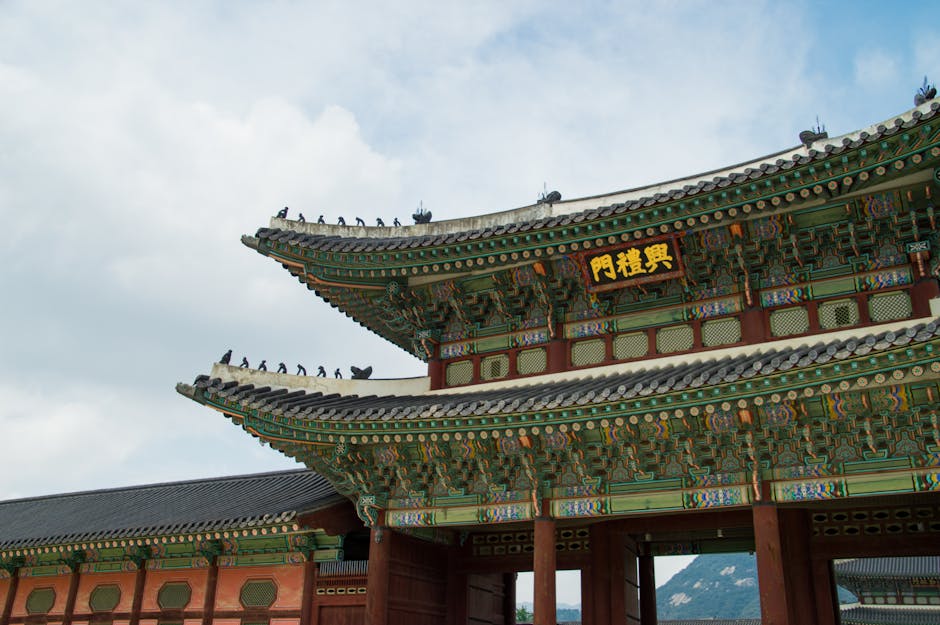
Scenic view of a traditional Korean temple in Hapcheon, South Korea., Changwon, South Korea
- Historic Architecture: The Changwon City Hall (1979) is a striking example of Korean modernist Brutalist architecture, symbolizing the city’s birth as a planned industrial hub.
- Cultural Scene: The Changwon Sculpture Biennale, held every two years, transforms the entire city into an open-air gallery with works from international artists.
- Local Specialties: You must try Masan Agujjim, a fiery braised spicy anglerfish stew, a legendary dish born from the port’s fishing history.
Pro Tip: Visit in October during the shoulder season. The weather is perfect, the summer humidity has lifted, and you can often catch the tail end of the Sculpture Biennale or the Masan Gagopa Chrysanthemum Festival without the peak-season crowds.
Map of Changwon, South Korea
Use these interactive maps to explore Changwon, South Korea and plan your route:
📍 View Changwon, South Korea on OpenStreetMap
🗺️ Open Changwon, South Korea in Google Maps
Planning Your Trip: Practical Essentials
Getting There and Around
- By Air: The nearest airport is Gimhae International Airport (PUS) in Busan. From there, take the Gimhae Light Rail to Sasang Station, then transfer to Busan Metro Line 2 to Changwon Station (approx. 90 mins, ₩3,000). Book flights at Skyscanner for best deals.
- By Train: Excellent KTX and Mugunghwa train connections from Seoul (approx. 3 hours on KTX) and Busan (as little as 22 minutes). The main station is Changwon Station. Reserve tickets at Trainline or the national railway website.
- By Car: An easy drive on the Namhae Expressway from Busan. Parking is generally easier and cheaper than in larger Korean cities. Compare car rentals at RentalCars.com.
- Local Transport: The city’s Nubija public bicycle system is legendary—your first hour is free, and it’s the best way to navigate the 500+ km of dedicated bike paths. Buses are comprehensive and cost ₩1,400 per ride.
Best Time to Visit
Changwon shines brightest in the spring and fall. Summers are hot and humid but vibrant with festivals, while winters are cold but clear, perfect for museum-hopping.
| Season | Weather | Highlights |
|---|---|---|
| Summer (Jun–Aug) | Hot & humid, 25-32°C (77-90°F), monsoon rains in July | Beach trips to nearby Jindong, vibrant night markets, and the Masan Port Festival. Crowds are moderate. |
| Winter (Dec–Feb) | Cold & dry, -2 to 7°C (28-45°F), occasional snow | Cozy seafood stews, uncrowded museums, and crisp walks in Junam Wetlands to see migratory birds. A quiet, local vibe. |
| Shoulder (Apr–May/Sep–Oct) | Mild & pleasant, 15-25°C (59-77°F), low rainfall | Ideal for cycling, outdoor sculpture viewing, and hiking Mulya Mountain. The perfect balance of comfort and activity. |
Budgeting for Changwon, South Korea
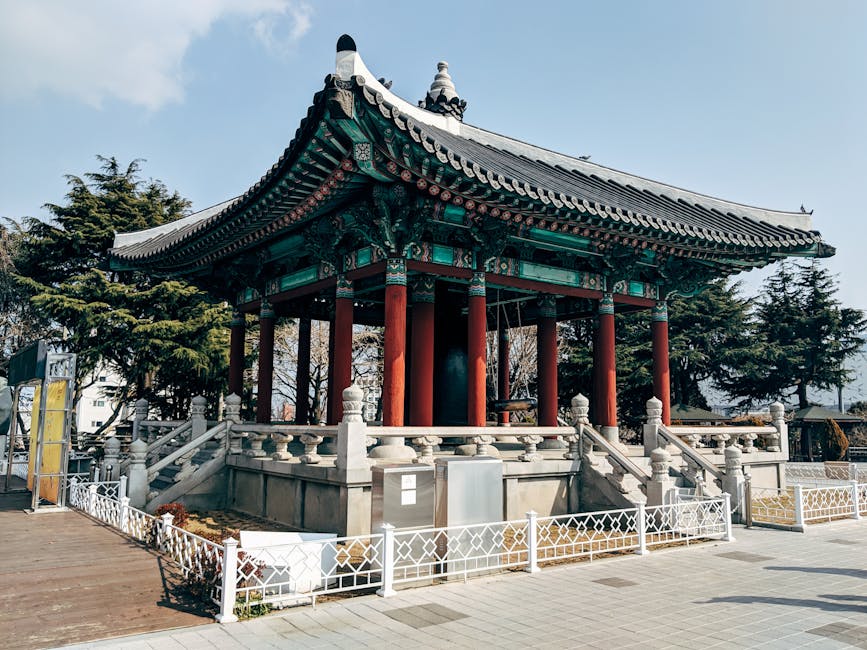
Beautiful traditional Korean pavilion architecture in Busan, Changwon, South Korea
| Category | Budget | Mid-range | Luxury |
|---|---|---|---|
| Accommodation | Hostel/Guesthouse: ₩30,000-50,000 | Business Hotel: ₩80,000-120,000 | Premium Hotel: ₩150,000+ |
| Meals | Street food/market meals: ₩5,000-10,000 | Local restaurant: ₩12,000-25,000 | Fine dining/feast: ₩50,000+ |
| Transport | Buses/Bikes: ₩3,000-5,000 | Taxis/day: ₩20,000-40,000 | Private car hire: ₩100,000+ |
| Activities | Parks, beaches, public art: Free | Museums, tours: ₩5,000-15,000 | Private guided tours: ₩100,000+ |
| Daily Total | ₩50,000-70,000 | ₩120,000-180,000 | ₩300,000+ |
Top Attractions and Must-See Sights
| Attraction | Description | Hours | Entry Fee |
|---|---|---|---|
| Changwon Marine Park & Jinhae Port | A stunning waterfront park with the iconic “Sunset Fountain of Dreams,” naval ship views, and the romantic Yeojwacheon Stream cherry blossom tunnel (blooming early April). | Park: 24/7; Fountain shows at 7:30 PM & 8:30 PM | Free |
| Masan Happo Fish Market | A sensory overload where you pick live seafood from tanks for an immediate, affordable feast at upstairs restaurants—the birthplace of Agujjim. | Market: 5 AM-10 PM; Restaurants: 10 AM-11 PM | Free to enter; Meal ~₩20,000-40,000 pp |
| Junam Wetlands | A serene haven for birdwatchers, hosting over 200 species including majestic white-naped cranes (Oct-Mar) on a peaceful 4.5km walking loop. | Open 24/7; Best at sunrise/sunset | Free |
| Changwon NC Park | Cheer on the NC Dinos baseball team in Korea’s most fan-friendly ballpark, known for its high-tech features and electric atmosphere. | Game days usually at 6:30 PM; Check schedule | Outfield: ₩8,000; Infield: ₩15,000-30,000 |
3-Day Itinerary: Changwon, South Korea’s Highlights & Hidden Gems
Day 1: Urban Green & Industrial Art
- Morning (7-9 AM): Grab a Nubija bike (first hour free) and cycle through the 3.3 Lake Park, a stunning green lung in the city center. Your best bet is to start at the Yongji Lake pavilion.
- Afternoon (12-3 PM): Explore the redeveloped Masan Old Downtown and its “M600” art project, where old factories become galleries. For lunch, head to Wonjo Masan Agujjim for the definitive spicy anglerfish stew (₩35,000 for two).
- Evening (6-8 PM): Witness the spectacular multimedia fountain show at Marine Park’s “Sunset Fountain of Dreams,” then enjoy fresh hoe (sashimi) at a park-side restaurant like Haemultang.
Day 2: Coastal Culture & Market Feasts
- Morning (9 AM): Take a local bus (₩1,400, 30 mins) to the Masan Happo Fish Market. Wander the chaotic, lively stalls and choose your lunch from tanks brimming with octopus, crab, and fish.
- Afternoon (1 PM): Have your market purchases cooked upstairs at a restaurant like Ssarijai (cooking fee ~₩5,000 per person). Then, visit the nearby Masan Modern History Museum to understand the port’s past (Free, closed Mondays).
- Evening (7 PM): Experience local nightlife in the Seongsan-gu district. Join office workers for grilled meat and soju at a packed spot like Daejanggun Samgyeopsal.
Day 3: Nature & National Pastime
- Morning (8 AM): Bus #155 to the Junam Wetlands (₩1,400, 40 mins). Walk the peaceful reservoirs, spotting egrets, swans, and, in season, thousands of migratory ducks. The observation towers offer breathtaking views.
- Afternoon (12:30 PM): Return to the city for a late lunch of Changwon-style dwaeji-gukbap (pork and rice soup) at Jinmi Gukbap, a local institution.
- Evening (6:30 PM): If there’s a game, immerse yourself in the uniquely Korean spectacle of professional baseball at Changwon NC Park. Buy a Dinos jersey, learn the team chants, and snack on stadium fried chicken and beer.
Cultural Insights & Etiquette
- Language: Basic Korean greetings go a long way. Say “Annyeonghaseyo” (Hello) and “Gamsahamnida” (Thank you). In markets, knowing numbers helps. Younger people may understand basic English.
- Customs: Always receive items, especially money, with two hands. When pouring drinks for others, use two hands; they will reciprocate. It’s polite to wait for the eldest to start eating.
- Tipping: Tipping is not customary in Korea and can be considered rude. Excellent service is the standard expectation.
- Dress Code: Smart-casual is fine. Cover shoulders and knees when visiting temples. For baseball games, wearing the home team’s merch is a fun way to blend in.
- Business Hours: Most shops open 10 AM-8 PM. Restaurants often run 11 AM-10 PM, with last orders around 9 PM. Many museums are closed on Mondays. Major holidays (Seollal, Chuseok) see widespread closures.
Where to Eat: Changwon, South Korea’s Best Bites
Changwon’s food scene is proudly local, deeply tied to its port and industrial worker history. Expect hearty, flavorful dishes centered on fresh seafood, pork, and robust stews meant to be shared.
Must-Try Local Specialties
- Masan Agujjim: The city’s signature dish: anglerfish braised in a fiery, addictive sauce with bean sprouts, kongnamul (soybean sprouts), and minced beef. Find it at any restaurant in the Happo Market area.
- Changwon Daeji-gukbap: A clear, savory pork broth served with rice and tender slices of pork, a beloved comfort food. Jinmi Gukbap near City Hall is the most famous spot.
- Masan Hongeo: For the adventurous, this is fermented skate fish, known for its powerful ammonia aroma. It’s traditionally eaten with kimchi and pork belly. Try it at dedicated Hongeo houses in Masan.
Restaurant Recommendations by Budget
| Type | Restaurant | Specialty | Price Range |
|---|---|---|---|
| Budget | Masan Happo Market Upstairs Restaurants (Ssarijai) | Fresh, cooked-to-order seafood from the market below | ₩15,000-30,000 |
| Mid-range | Wonjo Masan Agujjim (Masan) | The original, definitive spicy anglerfish stew | ₩35,000-50,000 for two |
| Fine dining | La Bella (Seongsan-gu) | Italian-Korean fusion in a sleek setting, a surprising local favorite | ₩40,000-80,000 per person |
Where to Stay
Accommodation is primarily functional business hotels, offering great value and convenience. For a more local feel, consider a minbak (homestay) near the port. Compare prices and book at Booking.com or Airbnb for apartments.
Best Neighborhoods for Accommodation
- Seongsan-gu (City Hall Area): The modern downtown. Pros: Central, great transport, dining, near 3.3 Lake Park. Cons: Less historic character. Best for first-time visitors and business travelers.
- Masan Happo-gu (Port Area): The old heart. Pros: Incredible food, historic vibe, near the fish market. Cons: Can be noisy, older infrastructure. Best for foodies and culture seekers.
- Jinhae-gu: The coastal district. Pros: Beautiful seaside views, cherry blossom central in spring, relaxed pace. Cons: Further from main city attractions. Best for nature lovers and those with a car.
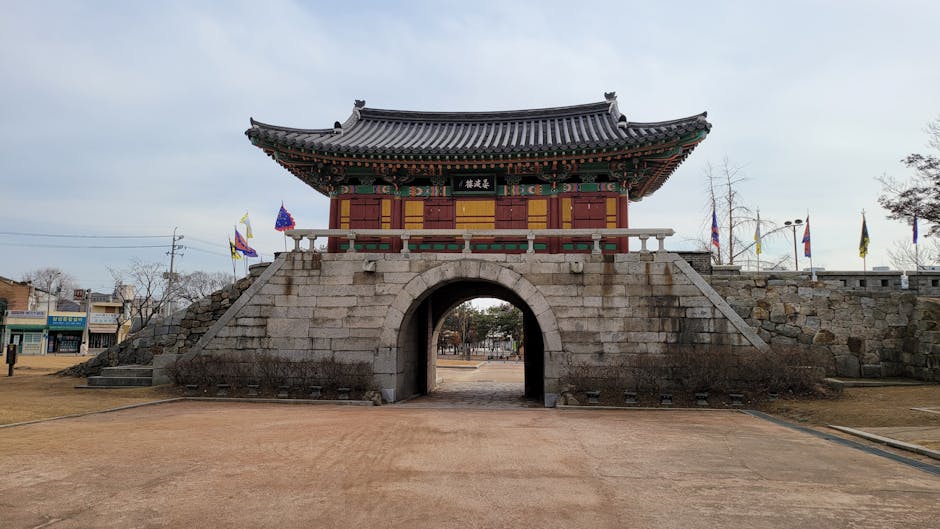
Historic Ganghwa Fortress South Gate in Incheon, Changwon, South Korea
FAQs: Your Changwon, South Korea Questions Answered
1. Is Changwon, South Korea safe at night?
Extremely safe. Like most of South Korea, Changwon has very low crime rates. The streets are well-lit, and you’ll see people out at all hours. Standard precautions like being aware of your surroundings are always wise, but travelers, including solo females, generally feel very secure.
2. What currency is used and are credit cards accepted?
The South Korean Won (₩) is the currency. Credit cards (Visa, Mastercard) are widely accepted in hotels, restaurants, and larger stores. However, you should always carry some cash for markets, street food stalls, small family-run shops, and the public bicycle system. ATMs are plentiful.
3. How do I get from the airport to the city center?
From Gimhae Airport (PUS), the most economical route is the Gimhae Light Rail to Sasang Station, then transfer to Busan Metro Line 2 to Changwon Station (total ~90 mins, ₩3,000). A direct taxi is faster (~50 mins) but costs ₩45,000-55,000. Book airport transfers at GetYourGuide for convenience.
4. Do I need to speak the local language?
No, but it enhances the experience. In hotels and major restaurants, you’ll often find staff with

