
Cetinje, Montenegro: Incredible Royal Heritage, Mountain Air & Authentic Charm (2025)
While crowds flock to the sun-drenched beaches of Budva, Cetinje, Montenegro delivers a profound sense of history and culture without the summer crush. Nestled in a karst valley at 670 meters, this former royal capital feels like an open-air museum, where every elegant embassy-turned-museum whispers tales of a tiny nation that fiercely defended its independence. Here, your afternoon espresso costs just €1.20, enjoyed on a terrace where diplomats once plotted the fate of empires.
Why Cetinje, Montenegro Stands Out

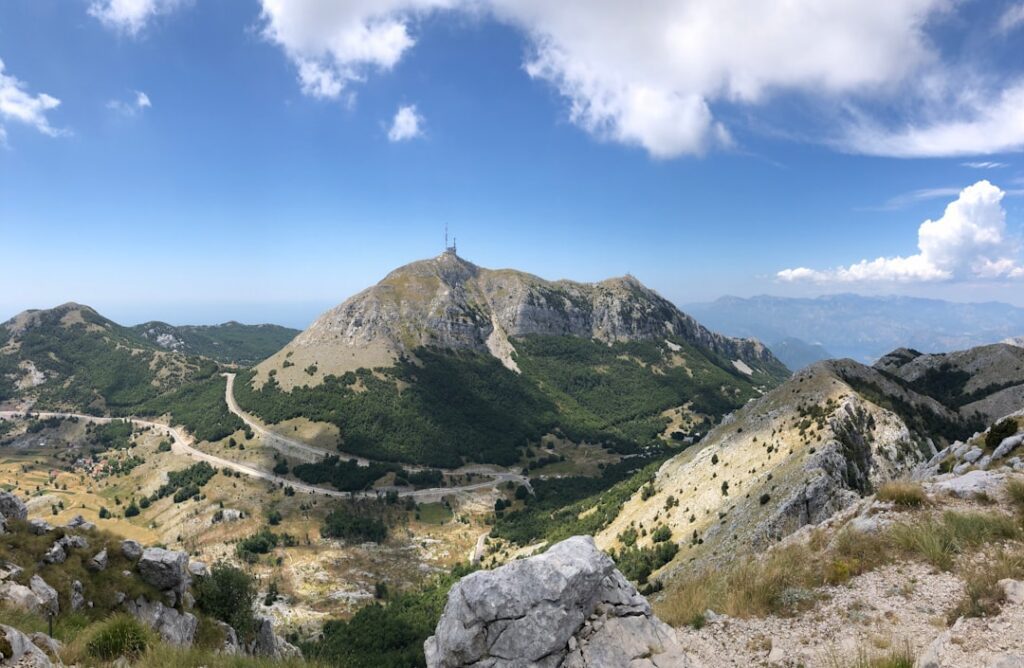
A mountain covered in clouds with a sky background, Cetinje, Montenegro
- Historic Architecture: The Cetinje Monastery, founded in 1484, houses sacred relics like the right hand of John the Baptist and the first printed book in the Cyrillic alphabet.
- Cultural Scene: The annual Cetinje Biennial of Visual Arts transforms the historic city into a contemporary art hub, drawing creators from across the Balkans.
- Local Specialties: You must try Njeguški pršut, a world-renowned smoked ham from the nearby Njeguši village, aged in mountain air for a uniquely rich flavor.
Pro Tip: Visit on a weekday morning before 11 AM. Most day-trippers from the coast arrive in the afternoon, so you’ll have the museums and the tranquil King Nikola’s Square almost to yourself. September is the sweet spot: perfect hiking weather, the summer rush has faded, and the cultural calendar springs to life.
Map of Cetinje, Montenegro
Use these interactive maps to explore Cetinje, Montenegro and plan your route:
📍 View Cetinje, Montenegro on OpenStreetMap
🗺️ Open Cetinje, Montenegro in Google Maps
Planning Your Trip: Practical Essentials
Getting There and Around
- By Air: Tivat (TIV) and Podgorica (TGD) are the nearest airports, both about a 45-minute drive. Tivat is better for coastal connections. Book flights at Skyscanner for best deals. A pre-booked taxi costs €35-€45, while the local bus is cheaper but less frequent.
- By Train: Montenegro’s rail network doesn’t serve Cetinje directly. The scenic Bar-Belgrade line stops in Podgorica; from there, you’ll need a 30-minute bus or taxi. Reserve tickets at Trainline or the national railway website.
- By Car: The drive from Kotor or Budva via the serpentine M2.3 road offers breathtaking views of Lovćen National Park. Parking in Cetinje’s center is metered (€0.50/hour). Compare car rentals at RentalCars.com.
- Local Transport: Cetinje is wonderfully walkable. For trips to Lovćen Mausoleum or the Lipa Cave, local buses depart from the main station, or you can hire a taxi for around €20-€30 one-way.
Best Time to Visit
Cetinje’s mountain location gives it a cooler, fresher climate than the coast. The ideal visit balances pleasant weather for strolling with active cultural events.
| Season | Weather | Highlights |
|---|---|---|
| Summer (Jun–Aug) | Warm, 20-28°C (68-82°F), sunny with occasional afternoon thunderstorms. | All attractions are open, vibrant café culture, but also peak day-trip crowds from the coast. |
| Winter (Dec–Feb) | Cold, 0-7°C (32-45°F), with possible snow, especially in January. | A magical, quiet atmosphere, lower prices, and the chance to see Cetinje under a dusting of snow. Some smaller museums may have reduced hours. |
| Shoulder (Apr–May/Sep–Oct) | Mild, 12-22°C (54-72°F), with crisp air and fewer rainy days. | The absolute best time. Perfect for hiking in Lovćen, enjoying museums in peace, and experiencing local life. The September Biennial is a major draw. |
Budgeting for Cetinje, Montenegro

Red and white concrete building under blue sky during daytime, Cetinje, Montenegro
| Category | Budget | Mid-range | Luxury |
|---|---|---|---|
| Accommodation | Hostel/guesthouse: €15-€25 | Boutique hotel/apt: €50-€80 | Historic palace hotel: €120+ |
| Meals | Burek & coffee: €3-€5 | Taverna lunch with wine: €15-€25 | Fine dining multi-course: €40+ |
| Transport | Local bus/walking: €2-€5 | Daily taxi hire: €30-€50 | Private driver for day trips: €80+ |
| Activities | Museum combo ticket: €10 | Guided tour + Lovćen entry: €25 | Private guide & exclusive access: €100+ |
| Daily Total | €30-€45 | €80-€130 | €250+ |
Top Attractions and Must-See Sights
| Attraction | Description | Hours | Entry Fee |
|---|---|---|---|
| Lovćen Mausoleum | Climb 461 steps to the tomb of Montenegro’s poet-prince, Petar II Petrović-Njegoš, for epic 360° views. | 9 AM – 5 PM (Summer), shorter in winter | €6 (Park entry), €2 (Mausoleum) |
| Cetinje Monastery | The spiritual heart of Montenegro, home to priceless Orthodox Christian relics and a serene courtyard. | 8 AM – 7 PM (Religious services may limit access) | Free (Donation appreciated) |
| National Museum of Montenegro | Actually a complex of five key museums, including the fascinating Biljarda (King Nikola’s former palace). | 9 AM – 5 PM, Mon closed | €10 combo ticket for all 5 |
| The Blue Palace | Now the Presidential residence, this stunning 19th-century building is a symbol of Montenegrin statehood. | Exterior viewing only; gardens sometimes open | Free |
3-Day Itinerary: Cetinje, Montenegro’s Highlights & Hidden Gems
Day 1: Royal Capital Immersion
- Morning (9 AM): Start at King Nikola’s Square. Grab a €1 espresso at Kafeterija Caffe In and watch the city wake up. Then, head to the National Museum Biljarda to see the massive relief map of Montenegro and learn about the Petrović dynasty.
- Afternoon (1 PM): Lunch at Konoba “Ćetiri Sestre” for a massive, shared plate of Njeguški steak with kajmak (creamy dairy spread). Afterwards, visit the serene Cetinje Monastery and the adjacent Vladin Dom (Government House) art museum.
- Evening (7 PM): Stroll down Njegoševa Street, peeking into the old embassy buildings. For dinner, savor traditional lamb under the bell (jagnjetina ispod sača) at the rustic Restoran “Vodanj”.
Day 2: Mountain Majesty & Artistic Flair
- Morning (8:30 AM): Hire a taxi (€25 one-way) for the 30-minute ride to Lovćen National Park. Spend 2-3 hours hiking the trails around Jezerski Vrh and visiting the awe-inspiring Njegoš Mausoleum. The view is worth every step.
- Afternoon (1:30 PM): Ask your taxi to drop you at Njeguši village on the way back. Have lunch at Konoba “Kod Pera na Bukovicu”, the definitive spot for Njeguški pršut and homemade cheese. Sample the potent local rakija (brandy).
- Evening (6 PM): Back in Cetinje, explore the city’s contemporary side at the Cetinje Cultural and Information Center, often hosting exhibitions. Enjoy a relaxed dinner at Pizzeria “Trofoglio”, a local favorite with a fantastic wood-fired oven.
Day 3: Hidden Depths & Farewell Flavors
- Morning (9 AM): Take a short taxi ride (€15) to Lipa Cave, one of the largest karst caves in the Balkans. The one-hour guided tour (€12.50) leads you through stunning underground halls and past subterranean rivers.
- Afternoon (12:30 PM): Return to town for a final museum: the Museum of Fine Arts in the former Serbian embassy, showcasing Montenegrin art. For lunch, try the delicious čorba (soup) and grilled meats at the no-frills Restoran “Lovćen”.
- Evening (5 PM): Pick up edible souvenirs from the small market: a bag of dried Lovćen herbs, a bottle of vranac red wine, and, of course, some vacuum-packed pršut. Enjoy a final drink at a café on the square, soaking in the timeless atmosphere.
Cultural Insights & Etiquette
- Language: Montenegrin is the official language. Key phrases: “Hvala” (Thank you), “Dobar dan” (Good day), “Koliko košta?” (How much?). English is widely spoken in tourist areas, but a few words go a long way.
- Customs: Hospitality is sacred. If invited for coffee or a drink, it’s polite to accept. A firm handshake with direct eye contact is the standard greeting. When toasting, say “Živjeli!” (To life!).
- Tipping: Rounding up the bill or leaving 5-10% is appreciated in restaurants and for taxi drivers, but not mandatory. In cafes, you can leave small change.
- Dress Code: Modest dress is required for religious sites (cover shoulders and knees). Otherwise, casual smart attire is perfect. Comfortable walking shoes are non-negotiable for the cobbled streets.
- Business Hours: Shops typically open 8 AM – 8 PM, with a break from 1-5 PM in smaller establishments. Museums are generally closed on Mondays. Many businesses close for Orthodox Christmas (Jan 7) and Easter.
Where to Eat: Cetinje, Montenegro’s Best Bites
Cetinje’s dining scene is defined by hearty, mountain-inspired cuisine and a proud tradition of slow food. Meals are social affairs, often featuring shared platters. Don’t expect flashy waterfront dining; here, it’s all about authentic flavor in historic, often family-run, settings.
Must-Try Local Specialties
- Njeguški Pršut & Sir: The iconic smoked ham and cheese from Njeguši. Best tried at the source in the village or at any reputable konoba (tavern) in town.
- Jagnjetina ispod sača: Lamb (or sometimes veal) slow-cooked under a metal or ceramic bell with embers on top, resulting in incredibly tender, smoky meat. A celebratory dish.
- Kacamak: A hearty polenta-like dish made from corn and potato flour, often served with kajmak and sometimes milk. Perfect comfort food for the mountain climate.
Restaurant Recommendations by Budget
| Type | Restaurant | Specialty | Price Range |
|---|---|---|---|
| Budget | Buregdžinica “Mare” (near the bus station) | Freshly baked burek (savory pie) with cheese, meat, or spinach. | €2-€4 |
| Mid-range | Konoba “Ćetiri Sestre” (Njegoševa St) | Authentic Montenegrin grilled meats and shared platters in a cozy, rustic setting. | €12-€20 per person |
| Fine dining | Restoran “Vodanj” (Ivana Crnojevića St) | Elegant takes on traditional dishes like lamb under the bell, with an excellent wine list. | €25-€40 per person |
Where to Stay
Accommodation in Cetinje ranges from charming guesthouses in historic homes to one magnificent palace hotel. Staying in the center is your best bet for atmosphere and walkability. Compare prices and book at Booking.com or Airbnb for apartments.
Best Neighborhoods for Accommodation
- The Historic Center (Around King Nikola’s Square): You’re steps from all museums, restaurants, and cafes. The atmosphere is unbeatable, but it can be quiet at night. Ideal for first-time visitors and culture enthusiasts.
- Quiet Residential Streets (West of the Center): A 5-10 minute walk from the action, these areas offer quieter guesthouses and B&Bs, often with lovely gardens and mountain views. Perfect for a peaceful retreat.
- There is no distinct third “tourist” area. Cetinje is compact, so anywhere within a 15-minute walk of the square is convenient. Savvy visitors often look for accommodations in converted historic buildings for added character.

A red building with white windows and a blue roof, Cetinje, Montenegro
FAQs: Your Cetinje, Montenegro Questions Answered
1. Is Cetinje, Montenegro safe at night?
Yes, Cetinje is considered very safe. Violent crime is extremely rare. As in any town, practice basic caution: stick to well-lit streets at night and keep valuables secure. The main risk is likely tripping on the ancient cobblestones after a hearty dinner!
2. What currency is used and are credit cards accepted?
Montenegro uses the Euro (€), though it is not an official EU member. Credit cards (Visa, Mastercard) are widely accepted in hotels, larger restaurants, and shops. However, it’s wise to carry some cash for smaller cafes, family-run konobas, taxis, and market purchases.
3. How do I get from the airport to the city center?
From Tivat or Podgorica Airport, your best options are a pre-booked private transfer (€35-€50), a taxi from the rank (negotiate price first), or a bus to Podgorica’s main station followed by a connecting bus to Cetinje (total ~€10, but takes 1.5+

