
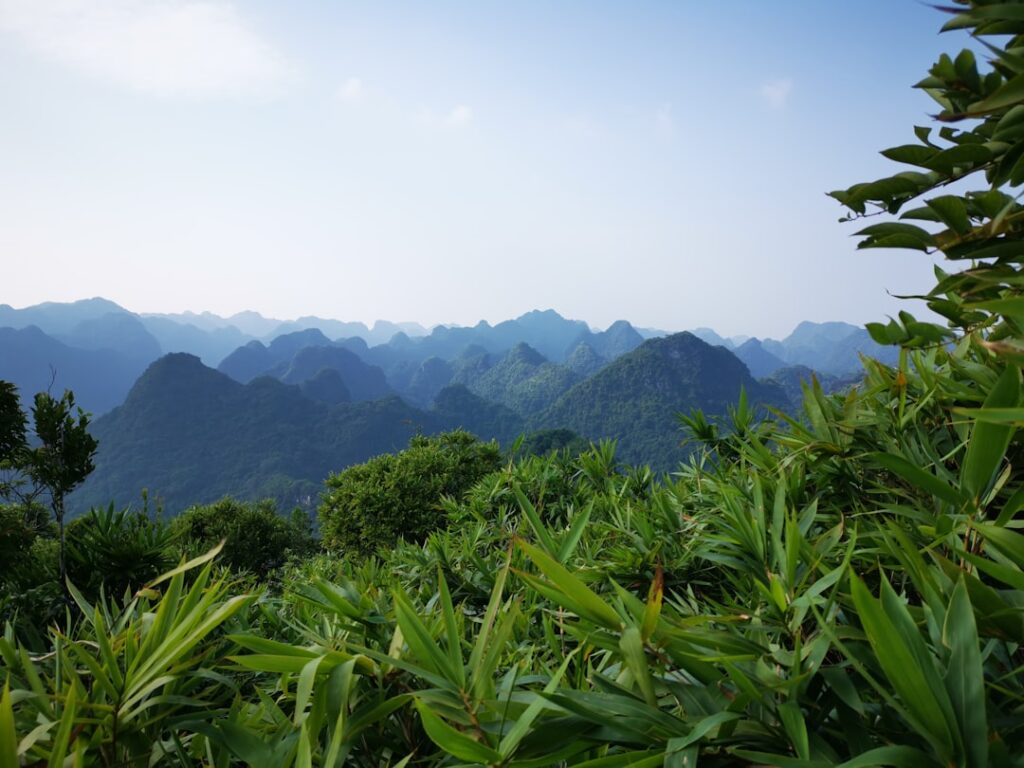
Cát Bà, Vietnam’s Epic Karst Peaks, Lan Ha Bay & Jungle Adventures (2026)
While over 7 million tourists flock to the crowded limestone pillars of Ha Long Bay each year, just a 30-minute speedboat ride away, Cát Bà Island offers a quieter, wilder, and often more affordable slice of the same UNESCO-recognized seascape. Here, you’ll find Lan Ha Bay’s 400+ karst islands virtually to yourself, a national park teeming with rare wildlife, and a laid-back town where the day’s catch is grilled right on the harbor wall. This is the Ha Long Bay experience, reimagined for the adventurous traveler.
Why Cát Bà, Vietnam Stands Out

Blue and white boat on body of water during daytime, Cát Bà, Vietnam
- Historic Architecture: The Cannon Fort, built by the Japanese in WWII and later used by the French and Vietnamese, offers not just military history but the island’s most breathtaking 360-degree sunset views over the karst-studded sea.
- Cultural Scene: The Cát Bà Island Festival, typically held every few years, transforms the town with traditional lion dances, folk games, and vibrant boat races celebrating local fishing culture.
- Local Specialties: Don’t miss *Bề Bề* (mantis shrimp), a local delicacy best enjoyed grilled with lime and salt or stir-fried with tamarind sauce at a harborside eatery.
Pro Tip: For the perfect balance of good weather and manageable crowds, target the shoulder months of April-May or September-October. Avoid the peak domestic tourist season from June to August, when prices spike and the main beach gets packed. For bay tours, book directly with operators on the main strip the afternoon before for the best deals.
Map of Cát Bà, Vietnam
Use these interactive maps to explore Cát Bà, Vietnam and plan your route:
📍 View Cát Bà, Vietnam on OpenStreetMap
🗺️ Open Cát Bà, Vietnam in Google Maps
Planning Your Trip: Practical Essentials
Getting There and Around
- By Air: The nearest airport is Cat Bi International (HPH) in Hai Phong. From there, take a 45-minute taxi/bus to Bến Bính harbor, then a 45-minute high-speed ferry to Cát Bà Island. Book flights at Skyscanner for best deals.
- By Train: While there’s no direct train to the island, you can take a train from Hanoi to Hai Phong city, then connect via road and ferry. The journey is scenic but involves multiple changes. Reserve tickets at Trainline or the national railway website.
- By Car: Driving from Hanoi takes about 2.5 hours to Hai Phong, then you must load your car onto the car ferry at Đình Vũ port. Parking is available at most hotels. Compare car rentals at RentalCars.com.
- Local Transport: Motorbike rental is king here (approx. 150,000 VND/day). “Xe ôm” (motorbike taxis) and green electric buses are available for short trips in town. For exploring the national park or remote beaches, your own wheels are your best bet.
Best Time to Visit
Cát Bà experiences a tropical monsoon climate with two distinct seasons. The ideal time for cruising, kayaking, and hiking is during the dry season, but savvy travelers can find value and beauty year-round.
| Season | Weather | Highlights |
|---|---|---|
| Summer (Jun–Aug) | Hot, humid (28-35°C), frequent heavy afternoon showers, potential for typhoons. | Lush green landscapes, warm sea for swimming. Peak domestic tourism means crowded beaches and higher prices. |
| Winter (Dec–Feb) | Cool, dry, and often overcast (15-22°C). Can be chilly on the water. | Excellent for hiking without the heat. Fewer tourists, lower prices. Some boat tours may be cancelled due to fog or wind. |
| Shoulder (Apr–May/Sep–Oct) | Pleasant, sunny, low humidity (22-28°C). Minimal rainfall. | The absolute best time to visit. Perfect conditions for all outdoor activities, calm seas for kayaking, and comfortable temperatures for exploring. |
Budgeting for Cát Bà, Vietnam

A small island in the middle of a body of water, Cát Bà, Vietnam
| Category | Budget | Mid-range | Luxury |
|---|---|---|---|
| Accommodation | Hostel dorm: 150,000-250,000 VND | 3-star hotel/private bungalow: 800,000-1,500,000 VND | 5-star resort (e.g., Flamingo): 3,000,000+ VND |
| Meals | Street food/Com Phở: 40,000-80,000 VND | Local restaurant seafood meal: 150,000-300,000 VND | Fine dining at resort: 500,000+ VND |
| Transport | Local bus/walking: 20,000 VND | Motorbike rental: 150,000 VND/day | Private car with driver: 1,200,000+ VND/day |
| Activities | Public beach, hiking in NP (40,000 VND fee) | Group bay tour: 600,000-800,000 VND | Private overnight cruise: 5,000,000+ VND/person |
| Daily Total | 500,000 – 800,000 VND | 1,800,000 – 2,500,000 VND | 6,000,000+ VND |
Top Attractions and Must-See Sights
| Attraction | Description | Hours | Entry Fee |
|---|---|---|---|
| Cát Bà National Park | A UNESCO Biosphere Reserve with hiking trails through primary tropical forest, home to the endangered Cat Ba Langur. | 7:00 AM – 5:00 PM | 40,000 VND |
| Lan Ha Bay Cruise & Kayaking | Paddle through serene lagoons and hidden caves among hundreds of limestone karsts, often with fewer boats than Ha Long Bay. | Tours depart 8:30 AM – 9:00 AM | From 600,000 VND (day tour) |
| Cannon Fort (Point 177) | Historic military site offering arguably the best panoramic view on the island, especially magical at sunset. | Sunrise to Sunset | 40,000 VND |
| Hospital Cave | A fascinating, three-story secret hospital and safe house used during the Vietnam War, built deep inside a limestone cave. | 7:00 AM – 4:30 PM | 40,000 VND |
3-Day Itinerary: Cát Bà, Vietnam’s Highlights & Hidden Gems
Day 1: Island Immersion & Sunset Heights
- Morning (7-9 AM): Fuel up with a strong Vietnamese coffee and a *Bánh Mì* at **Café Phố Núi**. Then, rent a motorbike (150,000 VND) and head straight to **Cát Bà National Park**. Hike the Ngu Lam Peak trail (90 mins round trip) for a stunning jungle canopy view before the midday heat.
- Afternoon (12-3 PM): Have lunch at **Quán Ăn Việt**, a local favorite near the market, for incredible seafood noodles. Afterwards, visit the intriguing **Hospital Cave** to explore its hidden wartime history.
- Evening (6-8 PM): Drive up to **Cannon Fort** for a spectacular sunset over the archipelago. For dinner, head to the harbor and choose a grill spot like **Bến Bèo Restaurant** for fresh *Bề Bề* (mantis shrimp).
Day 2: Lan Ha Bay by Boat
- Morning (8:00 AM): Your group bay tour (booked the day before for ~700,000 VND) departs. You’ll cruise past floating villages, stop at **Dark & Bright Cave** to kayak through a tunnel into a hidden lagoon—a true highlight.
- Afternoon (12-3 PM): Enjoy a fresh seafood lunch on board. The boat will anchor at a quiet cove in Lan Ha Bay for a refreshing swim in the emerald water. Keep an eye out for monkeys on the cliffs.
- Evening (6-8 PM): Back on land, unwind with a cocktail at **Good Bar** on the main strip. For dinner, try **Green Mango** for a more upscale twist on Vietnamese classics in a lovely garden setting.
Day 3: Beaches & Local Life
- Morning (9:00 AM): Take your motorbike to the less-visited **Cát Cò 3 Beach** (parking 20,000 VND). It’s quieter than Cát Cò 1 & 2, with calm water perfect for a morning swim.
- Afternoon (12-3 PM): Grab a simple lunch at a beach shack. Then, drive to **Trung Trang Cave**, an impressive 300-meter-long cavern within the national park zone. Afterwards, explore the **Cát Bà Town Market** to see the day’s catch and local produce.
- Evening (6-8 PM): Enjoy your final island dinner at **Phương Hằng Restaurant**, renowned for its squid dishes. End the night with a stroll along the harbor, where local families gather and the fishing boats light up the water.
Cultural Insights & Etiquette
- Language: Basic Vietnamese phrases go a long way. “Xin chào” (sin chow) = Hello. “Cảm ơn” (gam un) = Thank you. “Bao nhiêu tiền?” (bow nyew tee-en) = How much? English is spoken in tourist areas but not universally.
- Customs: The head is considered sacred, the feet dirty. Avoid touching anyone’s head or pointing your feet at people or altars. Always hand items to someone with both hands, especially money.
- Tipping: Not expected but appreciated for good service. In restaurants, rounding up the bill or leaving small change is fine. For tour guides, 50,000-100,000 VND is a thoughtful gesture.
- Dress Code: Swimwear is for the beach only. Cover shoulders and knees when visiting temples or rural villages. Light, breathable fabrics are key for the humid climate.
- Business Hours: Shops and restaurants generally open from 7:00 AM to 10:00 PM. Government offices close for lunch (11:30 AM – 1:30 PM). Major holidays like Tết (Lunar New Year) can see many businesses closed for a week.
Where to Eat: Cát Bà, Vietnam’s Best Bites
Dining on Cát Bà is a celebration of the sea. The vibe is overwhelmingly casual, with plastic stools and harborside grills dominating the scene. Your best meals will often be the simplest: incredibly fresh seafood chosen from a tank or icebox, cooked to order with local herbs and spices.
Must-Try Local Specialties
- Bề Bề (Mantis Shrimp): Don’t be intimidated by its alien appearance. Grilled or steamed, its sweet, lobster-like meat is a must. Try it at any of the grill spots clustered at the east end of the harbor.
- Cá Nục Sốt Cà (Mackerel in Tomato Sauce): A homestyle Vietnamese staple. The mackerel is firm and flavorful, stewed in a tangy, savory tomato broth. **Family Restaurant** does an excellent version.
- Hải Sản Nướng (Mixed Seafood Grill): The ultimate feast. You’ll get a platter of grilled squid, prawns, fish, and clams, served with lime-salt-pepper dip and herbs. **Bến Bèo Restaurant** is a top choice for this.
Restaurant Recommendations by Budget
| Type | Restaurant | Specialty | Price Range |
|---|---|---|---|
| Budget | **Quán Ăn Việt** (Near Market) | Huge bowls of *Bún Cá* (fish noodle soup) and other local staples. | 40,000 – 100,000 VND |
| Mid-range | **Phương Hằng Restaurant** (1/4 Street) | Extensive seafood menu, famous for its tender grilled squid. | 150,000 – 300,000 VND |
| Fine dining | **Noble House** (Flamingo Resort Area) | Upscale Vietnamese and international cuisine in an elegant, air-conditioned setting. | 500,000+ VND |
Where to Stay
Accommodation on Cát Bà ranges from basic hostels in the bustling town center to luxurious eco-resorts nestled in secluded coves. Your choice depends on whether you prioritize convenience, beach access, or tranquility. Compare prices and book at Booking.com or Airbnb for apartments.
Best Neighborhoods for Accommodation
- Cát Bà Town: The main hub with all the restaurants, tour agencies, and ferry connections. It’s lively, convenient, and noisy. Perfect for budget travelers and those who want everything on their doorstep.
- Cát Cò Beaches Area: Located a 5-minute drive from town, this strip offers hotels with direct beach access (like Cát Bà Beach Resort). It’s quieter than the town and ideal for families or couples seeking a resort vibe.
- Remote East Coast (Cái Viềng): For true seclusion, consider a bungalow or eco-lodge on the island’s less-developed eastern side. You’ll need a motorbike to get anywhere, but you’ll be rewarded with pristine nature and silence.

A yellow and black butterfly sitting on top of a plant, Cát Bà, Vietnam
FAQs: Your Cát Bà, Vietnam Questions Answered
1. Is Cát Bà, Vietnam safe at night?
Yes, Cát Bà Town is generally very safe at night. Violent crime is rare. Standard precautions apply: be aware of your belongings in crowded areas, avoid poorly lit alleyways alone, and be cautious when riding a motorbike after dark. Petty theft from unattended bags on the beach is the most common issue.
2. What currency is used and are credit cards accepted?
The Vietnamese Dong (VND) is the official currency. While some higher-end hotels, resorts, and tour operators accept credit cards (Visa/Mastercard), cash is king. ATMs are widely available in Cát Bà Town. Always carry small denominations for markets, street food, and motorbike taxis.

