
Cajas National Park, Ecuador: Incredible High-Altitude Lakes, Ancient Trails & Andean Solitude (2026)
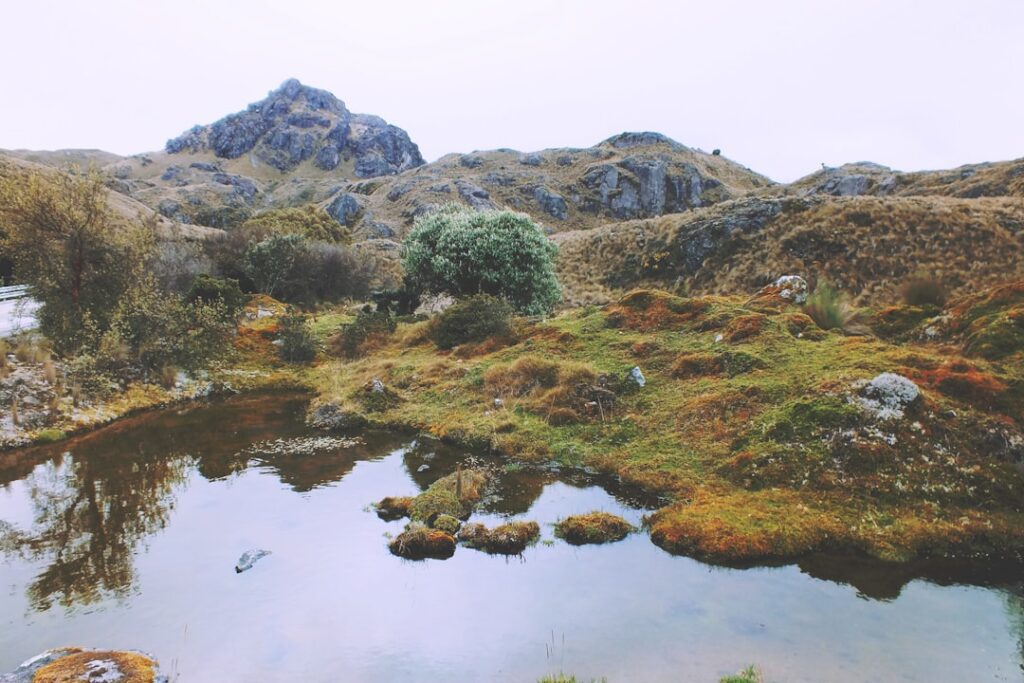
Just before dawn, the páramo grasslands of Cajas National Park reveal a world of silent, silver mist clinging to 786 glacial lakes. The only sound is the wind whispering through the *chuquiragua* flowers and the distant call of an Andean gull. This is the high-altitude ecosystem at 3,160 to 4,450 meters above sea level, a stark, breathtaking landscape where savvy travelers find a profound connection with nature that feels worlds away from Ecuador’s more trodden paths.
Why Cajas National Park, Ecuador Stands Out

A mossy tree in the middle of a forest, Cajas National Park, Ecuador
- Historic Architecture: The ancient Inca road, the Qhapaq Ñan, built in the 15th century, winds through the park, serving as a tangible link to the vast pre-Columbian empire that once traversed these mountains.
- Cultural Scene: The annual “Peregrinación a la Virgen del Cajas” in September sees hundreds of devotees walk from Cuenca to the park’s sanctuary, blending faith with a deep-rooted tradition in the páramo.
- Local Specialties: After a hike, you must try *trucha* (fresh rainbow trout), caught from the park’s own lakes and served simply grilled with llapingacho potatoes at rustic roadside eateries.
Pro Tip: Your best bet for clear skies and manageable weather is during the drier season from June to August. To avoid the thin crowds that do exist, arrive at the main Laguna Toreadora entrance right at 7:00 AM when the ranger station opens—you’ll have the most popular trails to yourself for at least two glorious hours.
Map of Cajas National Park, Ecuador
Use these interactive maps to explore Cajas National Park, Ecuador and plan your route:
📍 View Cajas National Park, Ecuador on OpenStreetMap
🗺️ Open Cajas National Park, Ecuador in Google Maps
Planning Your Trip: Practical Essentials
Getting There and Around
- By Air: Fly into Mariscal Lamar International Airport (CUE) in Cuenca, served by LATAM and Avianca from Quito and Guayaquil. From Cuenca, it’s a 45-minute drive to the park. Book flights at Skyscanner for best deals.
- By Train: While there’s no direct train to the park, the famous “Tren del Hielo I” (Ice Train I) from Durán to Bucay offers a scenic coastal journey. To reach Cajas, you’ll base yourself in Cuenca. Reserve tickets at Trainline or the national railway website.
- By Car: From Cuenca, take the well-signed Highway 35 (Via Cuenca-Molleturo) for about 30 km. Parking is available at main trailheads. A 4×4 is recommended for exploring deeper, unparked areas. Compare car rentals at RentalCars.com.
- Local Transport: The most economical way is via public bus from Cuenca’s Terminal Terrestre. Look for buses bound for Guayaquil via Molleturo and ask to be dropped at “La Toreadora” or “Cajas” (approx. $1.50, 1-hour ride). Returning, flag down a bus from the main road. Check official city transport websites for passes and schedules.
Best Time to Visit
Cajas operates on its own high-altitude clock, with weather that can change in minutes. The key is understanding the two main seasons: the drier, windier period and the wetter, fog-prone season. Locals recommend the drier months for hiking, but the wet season reveals the park’s mystical, cloud-forest character.
| Season | Weather | Highlights |
|---|---|---|
| Dry Season (Jun–Aug) | Sunny mornings, windy afternoons, temps 5°C to 15°C (41°F to 59°F). Night frosts common. | Best for long hikes like the Inca Trail, clear lake views, and birdwatching. Moderate crowds on weekends. |
| Wet Season (Dec–Apr) | Frequent rain and dense fog, temps 3°C to 12°C (37°F to 54°F). Slippery trails. | Lush, green páramo, full waterfalls, and an ethereal, solitary atmosphere. Few visitors. |
| Shoulder (May & Sep–Nov) | Unpredictable mix of sun and showers, temps 4°C to 14°C (39°F to 57°F). | A good balance, with vibrant flora and fewer people. Ideal for photography. |
Budgeting for Cajas National Park, Ecuador

View of the Lincoln Memorial across the Reflecting Pool on a winter day in …, Cajas National Park, Ecuador
| Category | Budget | Mid-range | Luxury |
|---|---|---|---|
| Accommodation | $15-25/night (hostel in Cuenca) | $50-80/night (comfortable Cuenca hotel) | $150+/night (boutique hacienda with guided tours) |
| Meals | $8-12/day (market food, picnic supplies) | $20-30/day (local restaurants, park trout lunches) | $60+/day (fine dining in Cuenca) |
| Transport | $3/day (public bus) | $40-60/day (rental car or taxi for the day) | $150+/day (private driver/guide) |
| Activities | $0 (self-guided hiking, park entry is free) | $50 (guided half-day hike) | $200+ (full-day private guiding, specialized birding tour) |
| Daily Total | $26-40 | $120-220 | $560+ |
Top Attractions and Must-See Sights
| Attraction | Description | Hours | Entry Fee |
|---|---|---|---|
| Laguna Toreadora & Visitor Center | The park’s main hub, with an informative museum on páramo ecology and an easy, stunning loop trail around the lake. | Visitor Center: 7:00 AM – 5:00 PM | Free (Donation appreciated) |
| Inca Trail (Qhapaq Ñan) Section | Hike a preserved stretch of the ancient royal road, with original stone paving, between the lakes. | Daylight hours only | Free |
| Luspa Cave | A small but significant archaeological site used for ancient rituals, offering a glimpse into pre-Inca cultures. | Accessible with guide | Included in guided tour ($30+) |
| Three Crosses Viewpoint (Tres Cruces) | The highest road pass at 4,167m, providing a panoramic, breathtaking vista over the endless lakes and valleys. | Always accessible | Free |
3-Day Itinerary: Cajas National Park, Ecuador’s Highlights & Hidden Gems
Day 1: Acclimatization & Lake Discovery
- Morning (7:00 AM): Take the early bus from Cuenca to the Laguna Toreadora entrance. Register at the ranger station and walk the 2.7km Toreadora Loop. Watch for the endemic Cajas Water Mouse and giant *puya* plants.
- Afternoon (12:30 PM): Enjoy a packed lunch by the lake or drive 5 minutes down the road to **Restaurant & Hospedaje Dos Chorreras** for their legendary grilled trout lunch ($8).
- Evening (6:00 PM): Return to Cuenca. For dinner, head to **Govinda’s** for hearty, vegetarian-friendly meals, a favorite among seasoned hikers refueling.
Day 2: Deep Hike on the Inca Road
- Morning (8:00 AM): Hire a local guide ($50 for a half-day) for a 4-hour hike on the **Qhapaq Ñan from Laguna Llaviucu to Laguna Taitachungo**. Your guide will point out medicinal plants and explain the road’s history.
- Afternoon (1:00 PM): Picnic at the serene Laguna Taitachungo. Then, take a taxi ($15) to the **Three Crosses Viewpoint** for photos in the afternoon light.
- Evening (7:00 PM): Back in Cuenca, treat yourself to a traditional *hornado* (roast pig) dinner at **Mercado 10 de Agosto** for an authentic and budget-friendly feast.
Day 3: Cultural Connection & Farewell
- Morning (9:00 AM): Visit the **Pumapungo Museum** in Cuenca (free entry) to see artifacts from the Cañari and Inca cultures that inhabited the Cajas region, providing essential context to your hikes.
- Afternoon (12:30 PM): Lunch at **Tiestos Café Restaurant** for modern Ecuadorian cuisine. Then, take a leisurely stroll along the Tomebamba River.
- Evening (5:00 PM): For a final, memorable experience, join a short **stargazing tour** ($25) on the outskirts of Cuenca. The high-altitude, clear air makes for incredible celestial views, a perfect reflection of Cajas’s raw beauty.
Cultural Insights & Etiquette
- Language: Spanish is essential. Learn key phrases: “*Buenos días*” (good morning), “*¿Cuánto cuesta?*” (how much?), “*Gracias*” (thank you). In Cuenca, some English is spoken in tourist areas, but not in the park.
- Customs: The páramo is considered sacred by indigenous communities. Always stay on marked trails, don’t remove plants or stones, and speak quietly to respect the profound silence.
- Tipping: Not expected but appreciated. Round up taxi fares, leave 10% in sit-down restaurants, and tip guides $5-10 per person for a good half-day tour.
- Dress Code: Practical, warm layers are non-negotiable. Waterproof hiking boots, a windbreaker, hat, and gloves are essential. In Cuenca, casual smart attire is fine for restaurants.
- Business Hours: In Cuenca, shops open 9:00 AM-7:00 PM, with a midday break. Everything closes on Sundays. The park is accessible from sunrise to sunset.
Where to Eat: Cajas National Park, Ecuador’s Best Bites
Dining in Cajas is about hearty, warming fuel. You’ll find simple, family-run *comedores* along the highway serving hyper-local fare. In Cuenca, the culinary scene is more sophisticated, blending traditional recipes with innovation.
Must-Try Local Specialties
- Trucha a la Plancha: Fresh rainbow trout, simply grilled with a squeeze of lime. The best spots are the rustic eateries along the highway into the park, like **Restaurant Mirador de Cajas**.
- Hornado con Mote: Succulent slow-roasted pork served with hominy corn. For the authentic experience, head to the food stalls in **Mercado 10 de Agosto** in Cuenca.
- Quimbolitos: A sweet, steamed corn cake wrapped in a bijao leaf, perfect for a pre-hike energy boost. Find them sold by vendors at bus stations and parks.
Restaurant Recommendations by Budget
| Type | Restaurant | Specialty | Price Range |
|---|---|---|---|
| Budget | Dos Chorreras (Km 35 on Via Cajas) | Grilled trout straight from the lake, served with hearty sides. | $6-10 |
| Mid-range | Tiestos Café Restaurant (Cuenca) | Creative Ecuadorian dishes like *llapingachos* with trout in a modern setting. | $12-20 |
| Fine dining | Villa Rosa (Cuenca Historic Center) | Elegant, multi-course tasting menus featuring Andean ingredients in a restored mansion. | $40+ |
Where to Stay
There are no hotels inside the park itself. Most travelers base themselves in charming Cuenca, a UNESCO World Heritage city 45 minutes away. A few rustic lodges and hostels exist on the park’s periphery for those seeking immediate immersion. Compare prices and book at Booking.com or Airbnb for apartments.
Best Neighborhoods for Accommodation
- El Centro (Historic Center): Characterized by cobblestone streets and colonial architecture. You’re steps from museums, cathedrals, and fine dining. Best for first-time visitors who want culture and convenience, though it can be noisier.
- San Sebastián: A quieter, more residential area just west of the center, with lovely plazas, local markets, and excellent mid-range hotels. Ideal for travelers seeking a more authentic, relaxed vibe.
- Near the Park (Rustic Lodges): Options like **Cabañas Yanuncay** offer basic cabins right on the park’s edge. Perfect for serious hikers and birdwatchers who want early starts, but amenities are minimal.
Capture of the iconic Rizal Monument in Manila’s Rizal Park, Cajas National Park, Ecuador
FAQs: Your Cajas National Park, Ecuador Questions Answered
1. Is Cajas National Park, Ecuador safe at night?
The park itself is not for nighttime visitation—hiking after dark is extremely dangerous due to terrain, weather, and wildlife. In Cuenca, the city is generally very safe. Exercise standard precautions: stick to well-lit areas in El Centro at night and use registered taxis for late travel.
2. What currency is used and are credit cards accepted?
Ecuador uses the US Dollar ($). In Cuenca, credit cards (Visa/Mastercard) are widely accepted in hotels and restaurants. In Cajas National Park and at roadside eateries, you will need cash. ATMs are plentiful in Cuenca; withdraw cash there before your park visit.
3. How do I get from the airport to the city center?
From Cuenca’s airport (CUE), the city center is a 15-minute drive. Official airport taxis have a fixed rate of about $6-8 to most central hotels. There is no public bus from the airport. For ease, you can book a private transfer in advance. Book airport transfers at GetYourGuide for convenience.
4. Do I need to speak the local language?
While you can manage in Cuenca with basic English, Spanish is vital for navigating the park, taking buses, and communicating with guides and local vendors. Learning a few key phrases will greatly enhance your experience and is seen as a sign of respect.

