

Cabinda, Angola’s Hidden Rainforests, Royal History & Atlantic Beaches (2025)
Ask locals about Cabinda, Angola, and they’ll tell you about the quiet power of the Maiombe Forest, a 290,000-hectare tropical expanse where lowland gorillas still roam and ancient Tchiyongo healing rituals are practiced. Most guidebooks miss this completely, focusing only on the province’s complex political status. But beyond the headlines, you’ll find a sliver of land where Kongo kingdom history whispers from 18th-century ruins, and empty Atlantic beaches like Malembo and Lândana offer miles of pristine sand, all while being a world apart from the bustling mainland.
Why Cabinda, Angola Stands Out
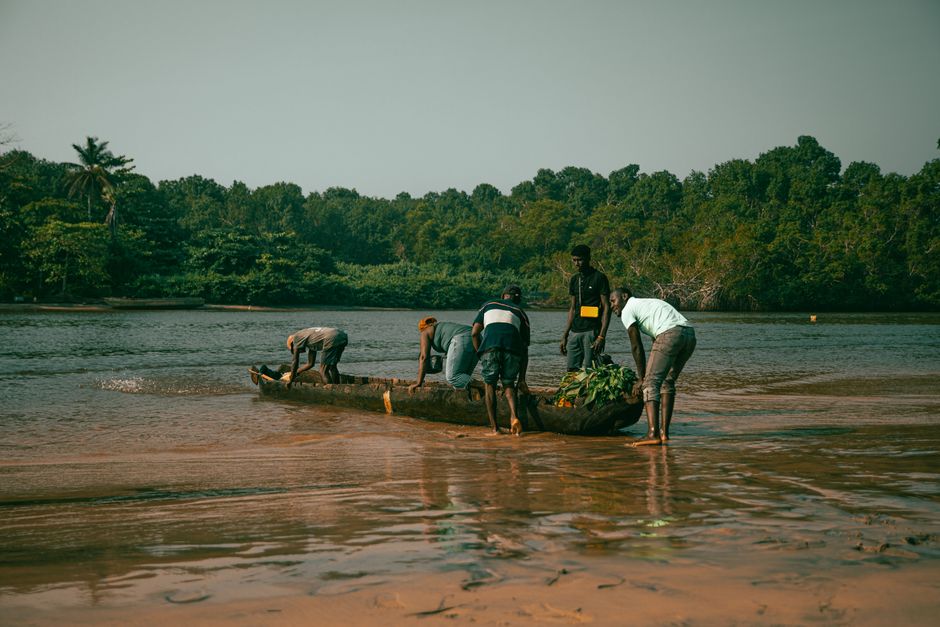
Fishermen in Cabinda, Cabinda, Angola
- Historic Architecture: The 1883 Cathedral of Our Lady of the Immaculate Conception in Cabinda city, with its distinctive blue-and-white facade, stands as a testament to the Portuguese colonial era and the region’s deep Catholic roots.
- Cultural Scene: The annual Festival of the Sea (Festa do Mar) in July transforms the coastline with vibrant processions, traditional *semba* music, and canoe races celebrating the province’s intimate connection to the Atlantic.
- Local Specialties: You must try *maboke*, a dish of fish seasoned with local spices, wrapped in banana leaves, and steamed to perfection, best enjoyed at a beachside *quiosque*.
Pro Tip: The absolute best time to visit is during the dry season, from June to September. Not only is the weather perfect for beach and forest excursions, but you can also time your trip for the Festival of the Sea in July. For the most authentic experience, avoid the weeks around major Angolan holidays when domestic tourism peaks.
Map of Cabinda, Angola
Use these interactive maps to explore Cabinda, Angola and plan your route:
📍 View Cabinda, Angola on OpenStreetMap
🗺️ Open Cabinda, Angola in Google Maps
Planning Your Trip: Practical Essentials
Getting There and Around
- By Air: You’ll fly into Cabinda Airport (CAB), served by TAAG Angola Airlines with direct flights from Luanda (about 1 hour). A taxi to the city center costs around 5,000 AOA ($10). Book flights at Skyscanner for best deals.
- By Train: There are currently no passenger train services connecting Cabinda to the rest of Angola due to its exclave status separated by the Democratic Republic of the Congo.
- By Car: Driving from other parts of Angola requires crossing the DRC border, which involves complex visas and is not recommended for tourists. Renting a car locally for day trips is possible. Compare car rentals at RentalCars.com.
- Local Transport: Your best bets are taxis (negotiate fares before getting in) or *candongueiros* (shared minibuses) for short, inexpensive hops. For longer trips to beaches or the forest, hiring a private driver for the day (approx. 25,000-40,000 AOA / $50-$80) is the most practical option.
Best Time to Visit
Cabinda has a tropical wet and dry climate. The long dry season offers the most comfortable conditions for exploration, while the wet season brings lush greenery but can make some forest roads impassable.
| Season | Weather | Highlights |
|---|---|---|
| Dry Season (Jun–Sep) | Warm, 24-28°C (75-82°F), low humidity, minimal rain. | Ideal for beaches, forest trekking, and festivals; peak season for domestic tourists. |
| Wet Season (Oct–May) | Hot, 26-30°C (79-86°F), high humidity, heavy afternoon rains. | Lush, vibrant landscapes; fewer visitors; lower prices, but some activities may be limited. |
| Shoulder (May/Jun & Sep/Oct) | Transitional, with sporadic showers but generally good conditions. | A good balance of decent weather and smaller crowds as seasons change. |
Budgeting for Cabinda, Angola

Aerial view of Lubango city with a prominent church in Huíla, Cabinda, Angola
| Category | Budget | Mid-range | Luxury |
|---|---|---|---|
| Accommodation | Guesthouse: 10,000-15,000 AOA ($20-$30) | Hotel: 25,000-40,000 AOA ($50-$80) | Top Hotel: 60,000+ AOA ($120+) |
| Meals | Street food/ *quiosque*: 1,500-3,000 AOA ($3-$6) | Local restaurant: 5,000-8,000 AOA ($10-$16) | Fine dining: 15,000+ AOA ($30+) |
| Transport | *Candongueiros*: 200-500 AOA ($0.40-$1) | Taxis/day driver: 5,000-40,000 AOA ($10-$80) | Private car & driver: 50,000+ AOA ($100+) |
| Activities | Beaches, city walking tours (free) | Guided forest walk: ~10,000 AOA ($20) | Full-day private eco-tour: 50,000+ AOA ($100+) |
| Daily Total | 15,000-25,000 AOA ($30-$50) | 45,000-90,000 AOA ($90-$180) | 130,000+ AOA ($260+) |
Top Attractions and Must-See Sights
| Attraction | Description | Hours | Entry Fee |
|---|---|---|---|
| Maiombe Forest | A vast tropical rainforest reserve, part of the Congo Basin, home to incredible biodiversity including primates and rare birds. | Daylight hours; guide required. | Guide fee ~10,000 AOA ($20) |
| Malembo Beach | A stunning, often deserted stretch of Atlantic coastline with golden sand, perfect for serene walks and sunsets. | 24/7 | Free |
| Museum of Cabinda | Houses artifacts from the Kakongo, Ngoyo, and Loango kingdoms, offering crucial insight into the region’s pre-colonial history. | Mon-Fri 9 AM-4 PM | ~500 AOA ($1) |
| Lândana Beach & Lighthouse | A picturesque beach area with a historic lighthouse and the ruins of an old Catholic mission, blending natural and historical appeal. | 24/7 | Free |
3-Day Itinerary: Cabinda, Angola’s Highlights & Hidden Gems
Day 1: Historic City & Atlantic Breezes
- Morning (7-9 AM): Start with a walk through the city center. Admire the blue-and-white facade of the **Cathedral of Our Lady of the Immaculate Conception** (1883). Your best bet is to go early to see the soft morning light on the tiles and avoid the midday heat.
- Afternoon (12-3 PM): Visit the **Museum of Cabinda** to understand the region’s complex past. For lunch, head to **Restaurante Miramar** for their superb grilled fish with *funge* (cassava porridge).
- Evening (6-8 PM): Take a taxi to **Malembo Beach** for a spectacular Atlantic sunset. Stay for dinner at one of the simple beachside *quiosques*, like **Quiosque Mar e Sol**, for fresh *maboke*.
Day 2: Forest Immersion & Local Culture
- Morning (7 AM): Arrange a guided half-day trip to the **Maiombe Forest** (approx. 10,000 AOA/$20 per person). Your guide will point out unique flora, birdlife, and share knowledge about the forest’s cultural significance to the local Bakongo people.
- Afternoon (1 PM): Return to the city for a late lunch at **Churrascaria Kizomba**, known for its Angolan-style barbecue. Then, explore the **Mercado Municipal** (Central Market) for local crafts and a vibrant atmosphere.
- Evening (7 PM): If your visit coincides with a weekend, ask locals if there’s any live music. Venues like **Clube Náutico** sometimes host nights with traditional *semba* or *kizomba* music.
Day 3: Coastal Exploration & Farewell Feasts
- Morning (8 AM): Hire a driver for the day (approx. 35,000 AOA/$70) and head north to **Lândana**. Visit the old lighthouse and the atmospheric ruins of the **Lândana Mission**, a key historical site from the 19th century.
- Afternoon (12 PM): Enjoy the quiet beach at Lândana before having lunch at **Pensão Lândana**, a simple guesthouse restaurant famous for its seafood platters.
- Evening (6 PM): Return to Cabinda city. For a final memorable meal, book a table at **Restaurante Palmeiras** (mid-range) and order *calulu* (a stew of dried fish, vegetables, and palm oil) with a cold Cuca beer.
Cultural Insights & Etiquette
- Language: Portuguese is the official language. Learning a few phrases like “Bom dia” (Good morning) and “Obrigado/a” (Thank you) is appreciated. Some locals speak French or Kikongo.
- Customs: Greetings are important. A handshake with eye contact is standard. Always ask permission before taking photos of people. The history and political status of Cabinda are sensitive topics; it’s wise to listen more than you speak on these matters.
- Tipping: Not mandatory but appreciated. In restaurants, rounding up the bill or leaving 5-10% is a good gesture. Tip guides and drivers directly at the end of a service.
- Dress Code: Dress modestly, especially when visiting religious sites or government buildings. Beachwear is for the beach only. In the evenings, smart-casual is fine for nicer restaurants.
- Business Hours: Shops generally open 8 AM-6 PM, with a break around midday. Government offices and banks are typically open 8 AM-3 PM, Monday to Friday.
Where to Eat: Cabinda, Angola’s Best Bites
Cabinda’s cuisine is a delicious blend of Atlantic seafood, tropical ingredients, and hearty Central African staples. Dining is a social affair, and the best meals are often found in unassuming local spots or at beachside shacks.
Must-Try Local Specialties
- Maboke: Fish or chicken marinated in lemon and spices, wrapped in a banana leaf parcel, and steamed. The banana leaf infuses a unique aroma. Try it at any beach *quiosque*.
- Calulu de Peixe: A rich, flavorful stew made with dried fish, okra, tomatoes, onions, and *ginguba* (peanut sauce), served with rice or *funge*. **Restaurante Palmeiras** does an excellent version.
- Pirão com Marisco: A thick, polenta-like paste made from cassava flour, served with a sauce full of fresh shellfish. It’s a filling and satisfying dish best enjoyed at **Churrascaria Kizomba**.
Restaurant Recommendations by Budget
| Type | Restaurant | Specialty | Price Range |
|---|---|---|---|
| Budget | Quiosque Mar e Sol (Malembo Beach) | Fresh, simply grilled fish and *maboke* right on the sand. | 2,000-5,000 AOA ($4-$10) |
| Mid-range | Restaurante Miramar (City Center) | Reliable for all Angolan classics, especially seafood dishes. | 6,000-10,000 AOA ($12-$20) |
| Fine dining | Hotel e Apartamentos Maiombe Restaurant | The most upscale setting in town for international and Angolan cuisine. | 15,000+ AOA ($30+) |
Where to Stay
Most accommodation is concentrated in Cabinda city, offering a range from basic guesthouses to international-standard hotels. For a more secluded experience, look for simple pensions near Lândana. Compare prices and book at Booking.com or Airbnb for apartments.
Best Neighborhoods for Accommodation
- City Center: The most convenient base with the widest choice of hotels, restaurants, and services. It’s bustling but practical. Best for first-time visitors and business travelers.
- Along the Coastal Road (Estrada Nacional 100): You’ll find a few quieter hotels here with easy access to beaches like Malembo. It suits travelers with their own transport who prefer a more relaxed setting.
- Lândana Area: Offers a truly get-away-from-it-all experience with basic guesthouses (*pensões*). Ideal for travelers seeking solitude and direct access to northern beaches and historical sites.
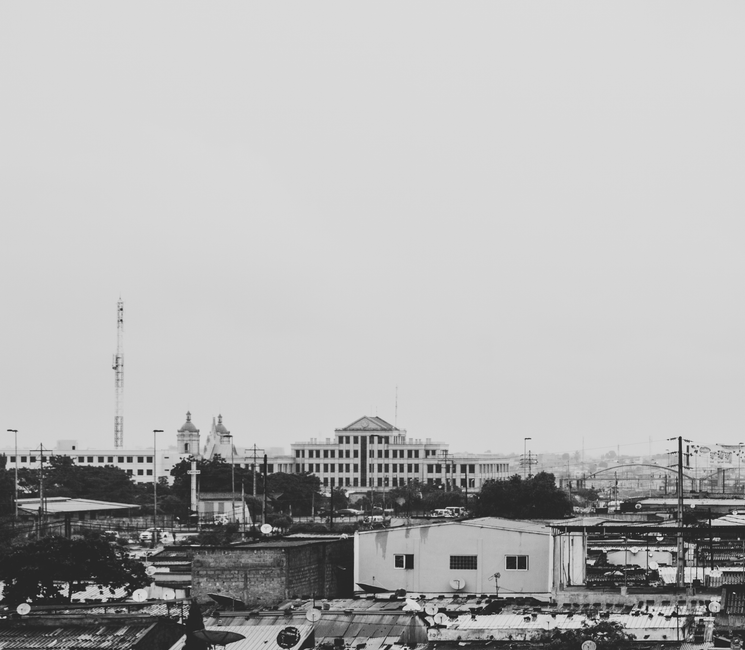
Black and white view of Angola’s urban cityscape with distinctive architecture., Cabinda, Angola
FAQs: Your Cabinda, Angola Questions Answered
1. Is Cabinda, Angola safe at night?
In Cabinda city, the central areas are generally safe at night, but you should exercise the same caution as in any unfamiliar city. Avoid walking alone in poorly lit or deserted areas. Always use registered taxis after dark. Political demonstrations are rare but should be avoided. The U.S. State Department and UK FCO advise checking current travel advisories due to the province’s unique status.
2. What currency is used and are credit cards accepted?
The official currency is the Angolan Kwanza (AOA). Carry plenty of cash, as credit cards are only accepted at major hotels, some upscale restaurants, and the airport. ATMs are available in the city center but can be unreliable. Euros and US Dollars can be exchanged at banks, but cash is king for daily transactions.
3. How do I get from the airport to the city center?
Cabinda Airport (CAB) is only about 5 km from the city. Your options are a pre-arranged hotel transfer, an official airport taxi (agree on the fare of ~5,000 AOA / $10 before departing), or a ride-hailing app if operational. There is no reliable public bus. Book airport transfers at GetYourGuide for convenience.
4. Do I need to speak the local language?
You can manage with English in major hotels, but Portuguese is essential for almost all other interactions. Staff at restaurants, markets, and taxi drivers will have very limited English. Learning basic Portuguese phrases will dramatically improve your experience and is seen as a sign of respect.

