
Bwindi Forest, Uganda’s Incredible Gorillas, Rainforests & Cultural Immersion (2025)
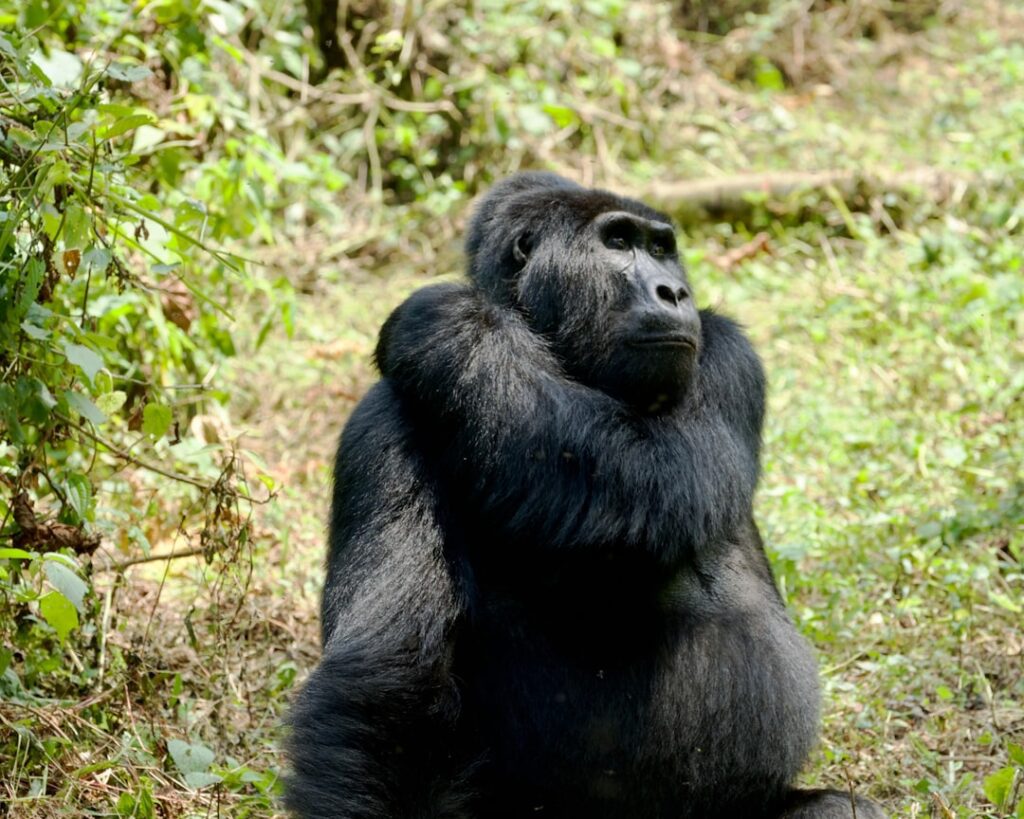
What if you could lock eyes with a creature whose DNA is 98% identical to your own? Bwindi Impenetrable National Park proves this is possible, being home to roughly half of the world’s remaining 1,063 mountain gorillas. Here, in this ancient, mist-shrouded rainforest older than the last Ice Age, you don’t just see wildlife—you share a profound, silent moment with a family of gentle giants in their only true home.
Why Bwindi Forest, Uganda Stands Out

A house in the middle of a lush green forest, Bwindi Forest, Uganda
- Historic Architecture: The Buhoma Community Walk features traditional Bakiga huts, constructed using ancient techniques with woven bamboo and grass thatch, offering a living history of the region’s indigenous architecture.
- Cultural Scene: The annual Ekitaguriro dance festival, a vibrant display of energetic drumming, storytelling, and dance performed by the Batwa and Bakiga people, celebrates the deep cultural heritage of the forest’s communities.
- Local Specialties: Don’t miss Matoke, a savory dish of steamed green bananas, often served with groundnut sauce and goat stew—a staple that fuels gorilla trekkers and locals alike.
Pro Tip: Secure your gorilla trekking permit at least 6-9 months in advance, especially for the peak seasons of June-August and December-February. For the best chance of shorter, less strenuous treks, request the Buhoma or Ruhija sectors, which generally have gentler terrain than Rushaga or Nkuringo.
Map of Bwindi Forest, Uganda
Use these interactive maps to explore Bwindi Forest, Uganda and plan your route:
📍 View Bwindi Forest, Uganda on OpenStreetMap
🗺️ Open Bwindi Forest, Uganda in Google Maps
Planning Your Trip: Practical Essentials
Getting There and Around
- By Air: Most travelers fly into Entebbe International Airport (EBB). From there, you’ll take a domestic charter flight (about 1.5 hours) with Aerolink or Bar Aviation to airstrips like Kihihi or Kisoro near Bwindi’s sectors. Book flights at Skyscanner for best deals.
- By Train: Uganda’s passenger rail network does not service the Bwindi region. Overland travel by 4×4 vehicle is the only alternative to flying.
- By Car: A 4×4 is mandatory for the 8-10 hour drive from Entebbe/Kampala. The route via Mbarara and Kabale is the most common, offering scenic but bumpy mountain roads. Compare car rentals at RentalCars.com.
- Local Transport: Once at your lodge, all transport is arranged through your tour operator or lodge. Walking and guided drives are the primary modes of movement around the park sectors.
Best Time to Visit
The best time for gorilla trekking is during the two drier seasons, when trails are less muddy. However, Bwindi is a rainforest—rain is possible year-round, and the forest is lush and beautiful in the wetter months.
| Season | Weather | Highlights |
|---|---|---|
| Dry Season (Jun–Aug, Dec–Feb) | Warmer, with daytime temps of 70-80°F (21-27°C). Mornings are cool and misty. Light rain still occurs. | Optimal trekking conditions with firmer trails. Peak season; permits are most competitive. |
| Wet Season (Mar–May, Sep–Nov) | Heavier, more frequent rainfall. Temperatures are similar but with higher humidity. Trails are muddy and slippery. | Fewer tourists, easier permit availability. The forest is at its most vibrant and photogenic. Birding is exceptional. |
| Shoulder (Late Feb, Late Aug) | Transitional weather, a mix of sun and showers. | A good balance of decent trekking conditions and slightly smaller crowds as seasons change. |
Budgeting for Bwindi Forest, Uganda

A baby gorilla laying on its back in the forest, Bwindi Forest, Uganda
| Category | Budget | Mid-range | Luxury |
|---|---|---|---|
| Accommodation | $30-$80/night (community campsites, basic lodges) | $150-$350/night (comfortable safari lodges) | $500-$1,500+/night (high-end luxury lodges) |
| Meals | $10-$20/day (lodge-packed lunches, local eateries) | $40-$70/day (full board at mid-range lodges) | Included (fine dining at luxury lodges) |
| Transport | $100 (shared shuttle from Kampala) | $400-$600 (private 4×4 driver/guide) | $1,000+ (private charter flights) |
| Activities | $700 (Gorilla Permit – fixed cost) | $50-$100 (community walks, birding) | $800 (second gorilla trek permit) |
| Daily Total | $850-$900* | $1,200-$1,500* | $2,500+* |
*Note: Daily totals are highly skewed by the one-off cost of the gorilla permit ($700 for foreigners). A typical 3-day/2-night trip will average these costs.
Top Attractions and Must-See Sights
| Attraction | Description | Hours | Entry Fee |
|---|---|---|---|
| Mountain Gorilla Trekking | The premier experience: a guided hike to spend one sacred hour with a habituated gorilla family in their natural habitat. | Treks depart at 8:00 AM from sector headquarters. | $700 (Foreign Non-Resident Permit). Book via UWA. |
| Batwa Cultural Experience | A poignant and educational walk with the indigenous Batwa pygmies, learning ancient forest survival skills and traditions. | Typically 9:00 AM or 2:00 PM, lasts 2-4 hours. | ~$80 per person |
| Bwindi Community Walk | Visit local villages, a brewery, a medicine man, and craft workshops to see the positive impact of tourism. | Morning or afternoon, arranged by lodges. | ~$40 per person |
| Birding in the Impenetrable Forest | Home to 350+ bird species, including 23 Albertine Rift endemics like the stunning African Green Broadbill. | Early morning (6:30 AM start) is best. | Included with guide fee (~$30/hr) |
3-Day Itinerary: Bwindi Forest, Uganda’s Highlights & Hidden Gems
Day 1: Arrival & Immersion
- Morning: Arrive at Kihihi Airstrip via charter flight from Entebbe (approx. $350 one-way). Your lodge driver will meet you for the 1-2 hour scenic transfer to Buhoma sector, your gateway to the forest.
- Afternoon: After settling into your lodge (like the comfortable Buhoma Lodge), take a gentle acclimatization walk on the Munyaga River Trail. Look out for primates and butterflies. Enjoy lunch at your lodge, trying the local stew with Matoke.
- Evening: Attend a pre-trek briefing at the Uganda Wildlife Authority (UWA) office in Buhoma at 5:00 PM to get your group assignment. Enjoy a quiet dinner at your lodge, listening to the sounds of the rainforest.
Day 2: The Gorilla Trek
- Morning: A hearty breakfast at 6:30 AM. Report to the UWA headquarters by 7:45 AM with your packed lunch, water, and trekking gear. After a brief cultural performance, you’ll meet your guide and trackers and begin your trek (2-6 hours, varying by group location). Your one-hour encounter with the gorillas is a life-changing experience—remember your camera, but also take moments to just be present.
- Afternoon: Return to your lodge, often by early to mid-afternoon, exhilarated and muddy. Celebrate your achievement with a hot shower and a cold Nile Special beer on your lodge’s deck.
- Evening: Share stories with fellow trekkers over dinner. Consider a visit to the nearby Bwindi Bar for a nightcap, a simple but lively spot popular with guides and travelers.
Day 3: Culture & Departure
- Morning: After a leisurely breakfast, embark on the Batwa Cultural Experience ($80). This sensitive tour, led by Batwa guides, offers profound insight into their ancient forest culture, including demonstrations of hunting, honey gathering, and medicinal plants.
- Afternoon: Enjoy a final lunch at your lodge. You might have time for some last-minute souvenir shopping at the Buhoma Community Craft Shop, which supports local women. Your driver will then transfer you back to the airstrip for your charter flight to Entebbe.
- Evening: Depart from Entebbe International Airport, or extend your Ugandan adventure to Queen Elizabeth National Park for tree-climbing lions or to Jinja for the source of the Nile.
Cultural Insights & Etiquette
- Language: The local languages are Rukiga and Rufumbira. English and Swahili are widely understood. Learn a few phrases: “Webale” (Thank you), “Osiibire ota?” (How are you?), “Ndyaho” (I’m fine).
- Customs: Always greet people before asking questions or taking photographs. It is respectful to use your right hand for giving and receiving items, including money. When visiting villages, always follow your guide’s lead.
- Tipping: Tipping is expected for good service. For your gorilla trek, a tip of $15-$25 per person for the lead guide, and $10-$15 each for the trackers and porters (if used) is customary, given as a group at the end.
- Dress Code: For trekking: sturdy hiking boots, long, thick pants, long-sleeved shirts, and gardening gloves for pushing through vegetation. In villages, modest dress (covering knees and shoulders) is appreciated.
- Business Hours: Park activities run on daylight hours. Shops in trading centers are typically open from 8:00 AM to 6:00 PM. Sunday is a day of rest for many.
Where to Eat: Bwindi Forest, Uganda’s Best Bites
Dining in Bwindi is almost exclusively lodge-based, with meals included in most packages. The cuisine is a mix of international and hearty Ugandan staples designed to fuel trekkers. The focus is on fresh, wholesome ingredients.
Must-Try Local Specialties
- Matoke: Steamed green banana or plantain, mashed into a savory, potato-like consistency. It’s the ultimate Ugandan comfort food, best tried at your lodge or a local homestay.
- Rolex: Not the watch! A popular street-food omelette rolled in a chapati. You might find a version at a small stand in the Buhoma trading centre—a perfect, filling snack.
- Fresh River Fish: Tilapia or Nile Perch, often grilled whole and served with chips (fries) or rice. A tasty alternative to standard lodge fare.
Restaurant Recommendations by Budget
| Type | Restaurant | Specialty | Price Range |
|---|---|---|---|
| Budget | Local Eateries in Buhoma Centre | Simple, hearty plates of beans, rice, Matoke, and stew. | $3-$7 per meal |
| Mid-range | Your Safari Lodge (e.g., Buhoma Lodge, Mahogany Springs) | Multi-course set menus featuring soups, grilled meats, and local vegetables. | Included in board |
| Fine dining | Sanctuary Gorilla Forest Camp, Clouds Mountain Gorilla Lodge | Gourmet plated dinners with international wines, often served in stunning forest-view settings. | Included in board |
Where to Stay
Accommodation is clustered around the four main park sectors: Buhoma (north), Ruhija (east), Rushaga, and Nkuringo (south). Buhoma has the most options and easiest access. Compare prices and book at Booking.com or Airbnb for apartments (though lodges are more common here).
Best Neighborhoods for Accommodation
- Buhoma Sector: The original and most developed gateway. Pros: widest range of lodges, easiest terrain for trekking, community activities. Cons: can feel busier. Ideal for first-time visitors.
- Ruhija Sector: Higher elevation, cooler temperatures. Pros: excellent for birding, quieter atmosphere, stunning views. Cons: fewer lodging choices. Suits birdwatchers and those seeking solitude.
- Nkuringo/Rushaga Sectors: In the south. Pros: dramatic mountain scenery, challenging but rewarding treks, a sense of remoteness. Cons: most strenuous trekking terrain, longer transfers. Best for experienced hikers and photographers.

A close up of a gorilla with a tree in the background, Bwindi Forest, Uganda
FAQs: Your Bwindi Forest, Uganda Questions Answered
1. Is Bwindi Forest, Uganda safe at night?
Yes, it is very safe. You will be within the confines of your lodge or camp after dark. The main concerns are wildlife (always follow lodge guidelines and don’t walk alone at night) and general travel precautions like securing valuables. Crime against tourists in the park areas is extremely rare.
2. What currency is used and are credit cards accepted?
The Ugandan Shilling (UGX) is the local currency. US Dollars are widely accepted for major expenses like permits and lodge bills, but shillings are needed for small purchases, tips, and village markets. Credit cards are accepted at most mid-range and luxury lodges, but connectivity can be unreliable—carry cash as backup.
3. How do I get from the airport to the city center?
From Entebbe International Airport (EBB), you will either connect to a domestic charter flight to a Bwindi airstrip or begin a long road transfer. For the road option, most travelers pre-book a private 4×4 with a driver/guide through their tour operator (8-10 hours, ~$400-$600). Book airport transfers at GetYourGuide for convenience for initial Entebbe arrangements.
4. Do I need to speak the local language?
No. English is an official language of Uganda and is spoken by all guides, lodge staff, and in tourism hubs. Learning a few basic greetings in Rukiga, however, will delight locals and enhance your cultural experience immensely.
5. What’s the appropriate dress code?
Practical

