
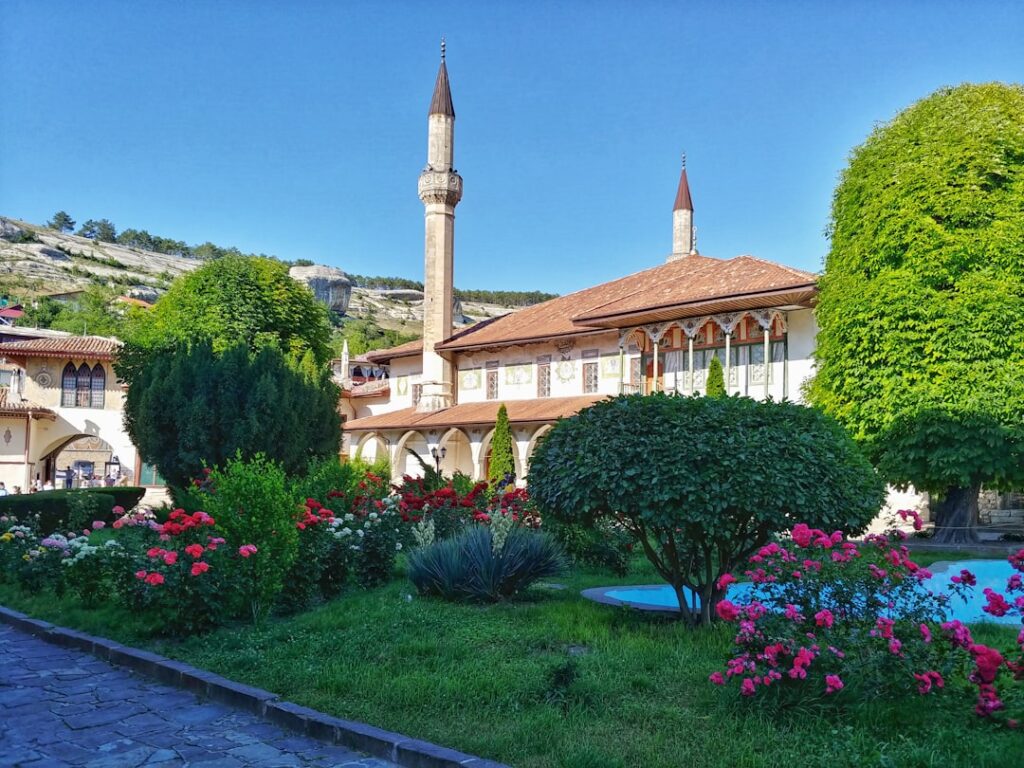
Bursa, Turkey’s Amazing Ottoman Grandeur, Silk Markets & Thermal Springs (2025)
While Istanbul draws 16 million annual visitors, just 90 minutes away Bursa receives only 2.5 million travelers despite being the Ottoman Empire’s first capital with six sultans’ tombs. Early morning in Koza Han reveals merchants unfurling silk bolts that once funded the empire, the scent of fresh chestnuts roasting in copper pans mingling with calls to prayer from 14th-century mosques. This is living history where imperial legacy meets authentic Turkish daily life.
Why Bursa Stands Out

A city with many buildings, Bursa, Turkey (first Ottoman capital)
- Historic Architecture: The Green Mosque (1419) showcases early Ottoman tilework with its namesake turquoise interior and intricate calligraphy.
- Cultural Scene: The annual Bursa Festival each June features shadow puppet theater honoring Karagöz, the city’s legendary 14th-century folk hero.
- Local Specialties: Iskender kebab – thinly sliced lamb over pita with tomato sauce and browned butter, invented here in 1867.
Pro Tip: Visit between September and November when summer crowds thin, temperatures average 18°C, and the Uludağ mountain foliage creates spectacular hiking conditions without the ski season prices.
Map of Bursa, Turkey
Use these interactive maps to explore Bursa, Turkey and plan your route:
📍 View Bursa, Turkey on OpenStreetMap
🗺️ Open Bursa, Turkey in Google Maps
Planning Your Trip: Practical Essentials
Getting There and Around
- By Air: Yenisehir Airport (YEI) serves domestic flights from Istanbul (1 hour). Book flights at Skyscanner for best deals.
- By Train: High-speed rail from Istanbul takes 3 hours via Bursa YHT Station. Reserve tickets at Trainline or the national railway website.
- By Car: O-5/E881 highway from Istanbul (2.5 hours). Compare car rentals at RentalCars.com.
- Local Transport: BursaCard (₺50 deposit + credit) covers trams, buses, and teleferik; single rides ₺15. Check official city transport websites for passes and schedules.
Best Time to Visit
Bursa offers distinct seasonal charms, with shoulder months providing ideal conditions for exploring both city and mountain attractions without extreme temperatures or crowds.
| Season | Weather | Highlights |
|---|---|---|
| Summer (Jun–Aug) | 25-32°C, dry and sunny | Uludağ hiking, outdoor dining, festivals; crowded at popular sites |
| Winter (Dec–Feb) | 2-8°C, occasional snow | Ski season at Uludağ, thermal baths, holiday markets; fewer tourists |
| Shoulder (Apr–May/Sep–Oct) | 15-22°C, mild with some rain | Perfect city exploration, comfortable hiking, best photography light |
Budgeting for Bursa, Turkey

A group of people walking around a park, Bursa, Turkey (first Ottoman capital)
| Category | Budget | Mid-range | Luxury |
|---|---|---|---|
| Accommodation | ₺800-1200/night (hostels) | ₺1500-2500/night (boutique hotels) | ₺4000+/night (thermal resorts) |
| Meals | ₺150-250 (street food/lokanta) | ₺300-500 (restaurants) | ₺800+ (fine dining) |
| Transport | ₺100/day (public transport) | ₺300/day (taxis) | ₺800/day (private driver) |
| Activities | ₺200 (mosques/markets) | ₺500 (museums/teleferik) | ₺1200 (private guides/spa) |
| Daily Total | ₺1250-1750 | ₺2600-3800 | ₺6800+ |
Top Attractions and Must-See Sights
| Attraction | Description | Hours | Entry Fee |
|---|---|---|---|
| Grand Mosque (Ulu Cami) | 14th-century Ottoman masterpiece with 20 domes and stunning calligraphy-covered interior | 9 AM-6 PM daily | Free (donations welcome) |
| Bursa Citadel & Tombs | Original Ottoman capital complex with ornate tombs of Osman I and Orhan Gazi | 8:30 AM-5:30 PM | ₺100 |
| Koza Han Silk Market | 1491 caravanserai where silk trading continues amid courtyard tea gardens | 8 AM-7 PM | Free |
| Uludağ Teleferik | World’s longest cable car ascending 9km to Turkey’s premier ski resort | 10 AM-5 PM (8 PM summer) | ₺250 round trip |
3-Day Itinerary: Bursa’s Highlights & Hidden Gems
Day 1: Ottoman Heritage & Historic Markets
- Morning: Start at 7:30 AM at Grand Mosque to experience morning prayers and photograph the empty courtyard. The 1399 structure features a stunning ablution fountain under its central dome.
- Afternoon: Explore Koza Han and Covered Bazaar from 12 PM, then lunch at Kebapçı İskender (₺350) for the original Iskender kebab invented here in 1867.
- Evening: Sunset at Bursa Citadel overlooking the city lights, followed by dinner at Tarihi Çınaraltı Çay Bahçesi for traditional mezes.
Day 2: Silk Road Legacy & Thermal Springs
- Morning: Visit Irgandı Bridge (1442) at 8 AM – one of only four covered bridges in the world with shops – before crowds arrive. Watch artisans in workshops beneath the arches.
- Afternoon: Bursa City Museum (₺80) then lunch at Kafkas Döner for their legendary lamb döner. Afterwards, experience traditional Turkish bath at Eski Kaplıca (₺400).
- Evening: Dinner at Uludağ Kebapçısı followed by Karagöz shadow puppet show at the cultural center (shows at 7 PM, ₺150).
Day 3: Mountain Escape & Village Charm
- Morning: Teleferik to Uludağ (₺250 round trip) departing at 9 AM. Hike to Sarıalan plateau for spectacular views and picnic with gözleme from mountain huts.
- Afternoon: Return via Cumalıkızık Ottoman village for lunch at Köy Evı Restaurant (₺280) and explore 700-year-old cobbled streets with traditional houses.
- Evening: Final dinner at Şehzade Sofrası with panoramic city views, trying Bursa’s famous chestnut dessert (kestane şekeri).
Cultural Insights & Etiquette
- Language: Turkish with key phrases: Merhaba (hello), Teşekkür ederim (thank you), Ne kadar? (how much?). English limited outside tourist areas.
- Customs: Remove shoes before entering mosques and homes. Always accept tea offers – it’s a sign of hospitality.
- Tipping: 10% in restaurants, round up taxi fares, ₺10-20 for hamam attendants.
- Dress Code: Modest clothing for mosques (covered shoulders/knees), women bring headscarves. Casual elsewhere.
- Business Hours: Shops 9 AM-7 PM (closed 1-2 PM), closed Sundays in markets. Mosques close 30 minutes during prayer times.
Where to Eat: Bursa’s Best Bites
Bursa’s culinary scene reflects its imperial past with rich meat dishes, silk-road spices, and unique dairy products from mountain pastures. Don’t miss the atmospheric historical restaurants in hans (old trading inns) where merchants once dined.
Must-Try Local Specialties
- İskender Kebap: Thinly sliced lamb over pita with tomato sauce and browned butter, best at original Kebapçı İskender since 1867
- Kestane Şekeri: Candied chestnuts made from Uludağ’s famous chestnuts, available at confectioners around Koza Han
- İnegöl Köfte: Spiced meatballs from nearby İnegöl, perfectly grilled at Tarihi İnegöl Köftecisi since 1893
Restaurant Recommendations by Budget
| Type | Restaurant | Specialty | Price Range |
|---|---|---|---|
| Budget | Kafkas Döner (City Center) | Freshly carved lamb döner in fresh bread | ₺150-250 |
| Mid-range | Uludağ Kebapçısı (Tophane) | Regional kebaps with panoramic views | ₺300-500 |
| Fine dining | Kitap Evi Hotel Restaurant (Historic Mansion) | Modern Ottoman cuisine in restored mansion | ₺800+ |
Where to Stay
Bursa offers diverse accommodation from historic hans converted to boutique hotels to modern thermal resorts. The city center puts you steps from major sights, while Çekirge offers luxury thermal hotels. Compare prices and book at Booking.com or Airbnb for apartments.
Best Neighborhoods for Accommodation
- City Center: Walking distance to mosques and markets, vibrant but noisy; perfect for first-time visitors
- Çekirge: Thermal spring hotels with Ottoman architecture, quieter atmosphere; ideal for relaxation seekers
- Osmangazi: Residential area with local character, good public transport; great for longer stays

A tall tower towering over a city next to buildings, Bursa, Turkey (first Ottoman capital)
FAQs: Your Bursa Questions Answered
1. Is Bursa safe at night?
Bursa is generally very safe, even at night in city center areas. Standard precautions apply – avoid poorly lit side streets late at night and keep valuables secure in crowded markets. The historic center remains lively until midnight with families and couples enjoying evening strolls.
2. What currency is used and are credit cards accepted?
Turkish Lira (₺) is the official currency. Credit cards are widely accepted in hotels, restaurants, and larger shops, but you’ll need cash for markets, street food, and smaller establishments. ATMs are plentiful throughout the city.
3. How do I get from the airport to the city center?
From Yenisehir Airport, the Havabus shuttle (₺50) takes 45 minutes to city center. Taxis cost approximately ₺400. From Istanbul airports, take the ferry to Yalova then bus to Bursa (₺150 total, 3 hours). Book airport transfers at GetYourGuide for convenience.
4. Do I need to speak the local language?
English is limited outside tourist areas, but you’ll manage with basic Turkish phrases and gestures. Restaurant menus often include pictures, and shopkeepers are patient. Learning “Teşekkür ederim” (thank you) and “Ne kadar?” (how much?) goes a long way.
5. What’s the appropriate dress code?
Casual Western clothing is fine for most situations. When visiting mosques, cover shoulders and knees (scarves provided for women). Thermal baths require swimwear. Evenings are casual – smart casual suffices for nicer restaurants.
Final Thoughts: Bursa Awaits
Bursa offers that rare combination of profound historical significance and authentic daily life that many heritage sites lose to mass tourism. Here, you’ll walk where Ottoman sultans established their empire, shop in the same silk markets that funded their conquests, and taste dishes created for palace tables. The city’s perfect balance of imperial grandeur and mountain tranquility makes it Turkey’s most rewarding alternative to Istanbul’s crowds. Savvy travelers know to save their final afternoon for the thermal baths in Çekirge – the perfect Ottoman-era conclusion to exploring this living museum of Turkish history.

