
Bukavu, Democratic Republic of the Congo: Best Lakes, Legends & Lush Highlands (2025)
Sunrise over Lake Kivu reveals a city cradled by volcanic hills, where fishermen in brightly painted pirogues cast their nets as mist rises from one of Africa’s most biologically unique great lakes. The air carries the scent of blooming jacarandas and freshly roasted coffee from nearby plantations. This is Bukavu, a resilient city of vibrant markets, colonial-era architecture, and a profound connection to a landscape of staggering beauty, offering an authentic Congolese experience far from the standard tourist trail.
Why Bukavu, Democratic Republic of the Congo Stands Out

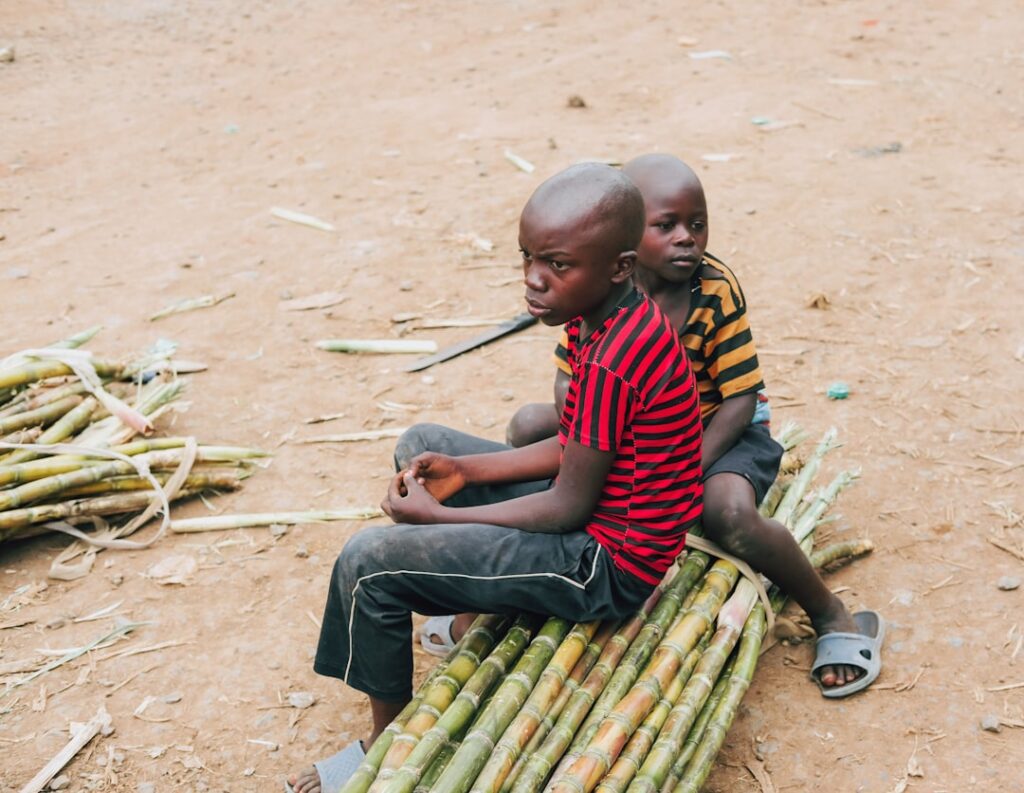
Man in red and white striped polo shirt sitting on brown woven mat, Bukavu, Democratic Republic of the Congo
- Historic Architecture: The 1929 Governor’s Residence (now part of the Catholic Diocese) showcases classic Art Deco colonial design, perched dramatically on a peninsula with panoramic lake views.
- Cultural Scene: The vibrant sounds of Congolese rumba and Soukous spill from local bars, a living soundtrack to the city’s energetic nightlife and social heart.
- Local Specialties: You must try Sambaza, tiny fried fish from Lake Kivu, served piping hot with pili-pili chili and a squeeze of lime—a ubiquitous and delicious street food.
Pro Tip: The absolute best time to visit is during the dry seasons from June to August or December to February. Not only is travel easier, but the skies are clearest for those breathtaking lake sunsets. For a truly local experience, visit the central market (Marché de Kadutu) on a Tuesday or Friday morning when it’s at its most vibrant.
Map of Bukavu, Democratic Republic of the Congo
Use these interactive maps to explore Bukavu, Democratic Republic of the Congo and plan your route:
📍 View Bukavu, Democratic Republic of the Congo on OpenStreetMap
🗺️ Open Bukavu, Democratic Republic of the Congo in Google Maps
Planning Your Trip: Practical Essentials
Getting There and Around
- By Air: Kavumu Airport (BKY), about 30km north of the city, is served by local airlines like Congo Airways from Kinshasa and Goma. A pre-arranged taxi to the city center costs around $25-30. Book flights at Skyscanner for best deals.
- By Train: There are no direct passenger train services to Bukavu. Overland travel is primarily by road or via boat on Lake Kivu from Goma.
- By Car: The drive from Goma to Bukavu (approx. 120km) along the RN2 offers stunning lake views but requires a robust 4×4 and local driver knowledge due to road conditions. Compare car rentals at RentalCars.com for options in major hubs.
- Local Transport: Motorcycle taxis (“moto-taxis”) are the fastest way around town for short trips (approx. $0.50-$1). For longer distances, shared minibuses (“taxi-buses”) run set routes. Always agree on the fare before starting your journey.
Best Time to Visit
Bukavu’s equatorial highland climate is mild year-round, but timing your visit with the dry seasons makes exploration significantly more comfortable and reliable.
| Season | Weather | Highlights |
|---|---|---|
| Dry Season (Jun–Aug) | Sunny, warm days (20-25°C/68-77°F), cool nights, very little rain. | Ideal for lake activities, hiking, and clear photography; peak travel period. |
| Short Dry Season (Dec–Feb) | Similar to June-August, warm and mostly dry. | Great for outdoor exploration and festivals; a popular time for regional travel. |
| Rainy Seasons (Mar–May/Sep–Nov) | Frequent, heavy afternoon showers, humid, lush greenery. | Fewer visitors, lower prices, and landscapes at their most vibrant green; travel can be challenging. |
Budgeting for Bukavu, Democratic Republic of the Congo

Iconic mural depicting two statesmen kissing, at Berlin Wall., Bukavu, Democratic Republic of the Congo
| Category | Budget | Mid-range | Luxury |
|---|---|---|---|
| Accommodation | $15-30 (basic guesthouse) | $50-100 (comfortable hotel with amenities) | $150+ (top hotel with lake view & services) |
| Meals | $5-10 (street food & local cafes) | $15-25 (restaurant meals) | $40+ (fine dining at hotel restaurants) |
| Transport | $2-5 (moto-taxis & shared taxis) | $10-20/day (private taxi for hire) | $50+/day (private car & driver) |
| Activities | $0-10 (market visits, walking) | $20-50 (guided tours, boat trips) | $100+ (private guided excursions) |
| Daily Total | $25-50 | $100-200 | $300+ |
Top Attractions and Must-See Sights
| Attraction | Description | Hours | Entry Fee |
|---|---|---|---|
| Lake Kivu Shoreline | A serene volcanic great lake perfect for sunset strolls along the Corniche and boat rides. | Always accessible | Free (boat hire ~$20-50) |
| Marché de Kadutu | The sprawling, multi-level central market, a sensory overload of colors, sounds, and local life. | 7 AM – 5 PM daily | Free |
| CBD Kinazi Coffee Plantation | Tour one of the region’s renowned coffee cooperatives to see the process from bean to cup. | By appointment (9 AM – 3 PM) | $10-15 for tour & tasting |
| Panoramic Hill (Colline Panoramique) | The highest point in the city for a breathtaking 360-degree view of Bukavu and the lake. | Daylight hours | Free |
3-Day Itinerary: Bukavu, Democratic Republic of the Congo’s Highlights & Hidden Gems
Day 1: City Pulse & Lakeside Serenity
- Morning (7-9 AM): Start with a walk along the **Corniche de Bukavu** as the city wakes up. Watch the fishing pirogues return to shore. Your best bet is to grab a fresh mandazi (fried dough) from a street vendor for breakfast.
- Afternoon (12-3 PM): Dive into the vibrant chaos of **Marché de Kadutu**. Navigate its alleys for fabrics, crafts, and produce. For lunch, head to **Restaurant Tam-Tam** near the market for a hearty plate of Pondu (cassava leaves) with fish and fufu for about $8.
- Evening (6-8 PM): Take a sunset boat ride on Lake Kivu from the Ihusi Hotel jetty (approx. $25 per hour). Afterwards, enjoy dinner at **Café Concerto**, known for its grilled tilapia and lakeside terrace seating.
Day 2: Culture, Coffee & Views
- Morning (8 AM): Arrange a visit to the **CBD Kinazi Coffee Plantation** (about a 45-minute drive; tour ~$15). You’ll see the drying beds and processing facilities, and taste some of Africa’s finest arabica.
- Afternoon (1 PM): Return to the city and visit the **Cathedral of St. John the Baptist** in the Bagira district. Then, have lunch at **Boule de Neige**, a local favorite for its Chinese-Congolese fusion dishes.
- Evening (5 PM): Hike or take a moto-taxi up to **Colline Panoramique** for the golden hour view. Later, experience local nightlife at a bar like **Makuti** where you can hear live Soukous music.
Day 3: History & Handicrafts
- Morning (9 AM): Explore the **architectural legacy** in the city center. See the old **Governor’s Residence** (1929) and the **Hotel du Lac** building. Visit the **Centre d’Art Waza** to view and purchase authentic Congolese paintings and sculptures.
- Afternoon (12 PM): Enjoy a leisurely lunch at **Orchids Safari Club**, set in a tranquil garden. Then, take a moto-taxi to the **peaceful shores of Nyalukemba** for a quieter lake experience.
- Evening (6 PM): For your final dinner, savor grilled sambaza at a simple lakeside shack. Reflect on your journey over a Primus beer as the lights of Bukavu and Goma twinkle across the water.
Cultural Insights & Etiquette
- Language: French is the official language; Swahili is widely spoken. A few key phrases: “Jambo” (Hello), “Asante” (Thank you), “Habari gani?” (How are you?). Even a little effort is greatly appreciated.
- Customs: Greetings are important. Always greet someone before launching into a question or transaction. A handshake is common, sometimes followed by a light touch of the left hand to the right forearm as a sign of respect.
- Tipping: Not universally expected but welcomed for good service. In restaurants, rounding up the bill or leaving 5-10% is generous. For guides and drivers, a tip of $5-10 per day is appropriate.
- Dress Code: Dress modestly, especially when visiting markets or residential areas. Avoid very short shorts or revealing tops. Smart-casual attire is suitable for nicer hotels and restaurants.
- Business Hours: Shops generally open from 8 AM to 5 PM, often closing for a lunch break. Government offices keep shorter hours (approx. 8 AM – 3 PM). Sunday is a quiet day for many businesses.
Where to Eat: Bukavu, Democratic Republic of the Congo’s Best Bites
Bukavu’s cuisine is a hearty blend of Congolese staples and influences from across the Great Lakes region. Dining ranges from bustling street-side grills to hotel restaurants with international menus. Fresh fish from the lake is the star ingredient.
Must-Try Local Specialties
- Sambaza: These tiny, sardine-like fish from Lake Kivu are lightly fried whole until crispy. They’re addictive finger food, best eaten with a sprinkle of salt and chili. Find them at any lakeside stall or market.
- Pondu (Cassava Leaves): A rich, dark green stew made from pounded cassava leaves, often cooked with palm oil, onions, and fish or meat. It’s a flavor-packed staple served with fufu or rice.
- Brochettes: Skewers of grilled goat, beef, or fish, marinated with local spices. They’re a popular evening snack, sold at roadside grills (michopo) across the city.
Restaurant Recommendations by Budget
| Type | Restaurant | Specialty | Price Range |
|---|---|---|---|
| Budget | Lakeside Sambaza Grills (near Kadutu) | Freshly fried sambaza & brochettes | $3-7 |
| Mid-range | Restaurant Tam-Tam (Ave. du Lac) | Authentic Congolese stews & grilled fish | $8-15 |
| Fine dining | Café Concerto (Ihusi Hotel) | International & Congolese cuisine with lake views | $20-40 |
Where to Stay
Accommodation in Bukavu ranges from basic guesthouses to a few comfortable lakeside hotels offering security and amenities. The best areas are along the lake or in the city center for convenience. Compare prices and book at Booking.com or Airbnb for apartments.
Best Neighborhoods for Accommodation
- Bagira (Lakefront): Home to the Ihusi Hotel and other lodgings with direct lake access and stunning views. It’s peaceful and scenic, though a short moto-taxi ride from the bustling center. Ideal for relaxation.
- Kadutu/Centre Ville: The bustling heart of the city, close to markets, restaurants, and transport hubs. Offers more basic guesthouses and a truly immersive local experience. Best for budget travelers and those wanting to be in the action.
- Nyakavogo: A residential area with a mix of quieter guesthouses and small hotels. It offers a good balance between tranquility and relatively easy access to the city center.
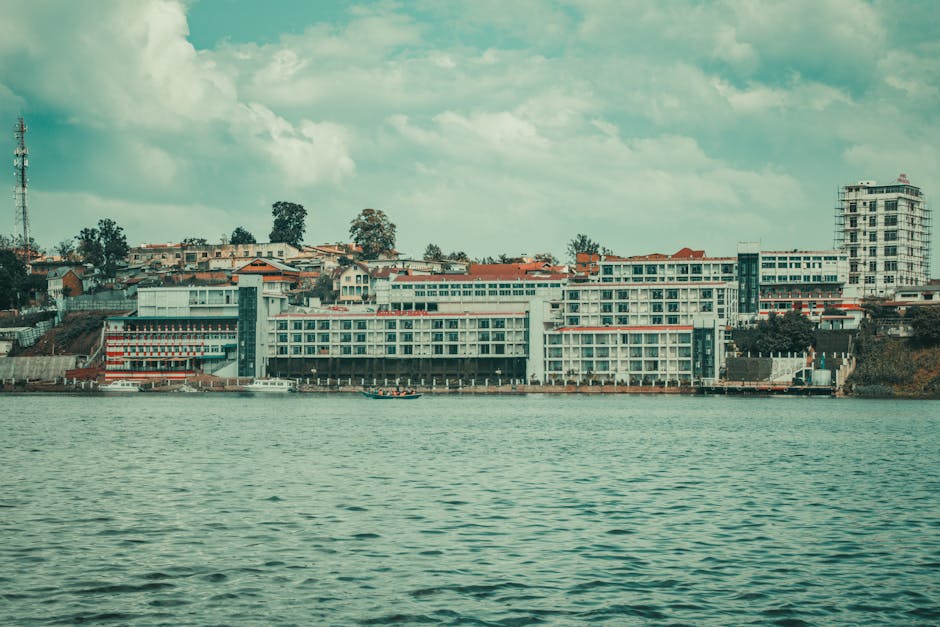
Tranquil view of the Bukavu waterfront with modern architecture and lake in…, Bukavu, Democratic Republic of the Congo
FAQs: Your Bukavu, Democratic Republic of the Congo Questions Answered
1. Is Bukavu, Democratic Republic of the Congo safe at night?
As with any city, caution is advised. It’s best to avoid walking alone at night, especially in poorly lit areas. Use trusted moto-taxis or taxis for evening transport, even for short distances. Stay in well-known neighborhoods and follow the advice of your hotel or local contacts. Petty crime can occur, so keep valuables discreet.
2. What currency is used and are credit cards accepted?
The Congolese Franc (CDF) is the local currency. US dollars are widely accepted, but bills should be new, unblemished, and dated 2006 or later. Credit cards are rarely accepted outside of major hotels (like Ihusi). Your best bet is to carry sufficient cash in USD and exchange smaller amounts into local francs for daily expenses.
3. How do I get from the airport to the city center?
Kavumu Airport (BKY) is about a 45-minute to 1-hour drive from Bukavu center. There is no reliable public transport. You must take a taxi; it’s safest to pre-arrange one through your hotel (cost: ~$25-30). Book airport transfers at GetYourGuide for convenience, though local arrangement upon arrival is common.
4. Do I need to speak the local language?
While not strictly necessary, knowing basic French or Swahili phrases will immensely improve your experience. English is not widely spoken outside of hotel staff and some NGO workers. A translation app or a small phrasebook is a savvy traveler’s tool for navigating markets and transport.
5. What’s the appropriate dress code?
Dress modestly and comfortably. Lightweight, breathable fabrics are ideal for the climate. For general sightseeing, long trousers or skirts and shirts that cover the shoulders are recommended. You can dress more casually at lakefront hotels. Always have a light jacket for cooler evenings.
Final Thoughts: Bukavu, Democratic Republic of the Congo Awaits
Bukavu offers a travel experience defined not by curated tourist attractions, but by raw authenticity and profound natural beauty. It’s a place where you engage directly with the rhythm of local life

