
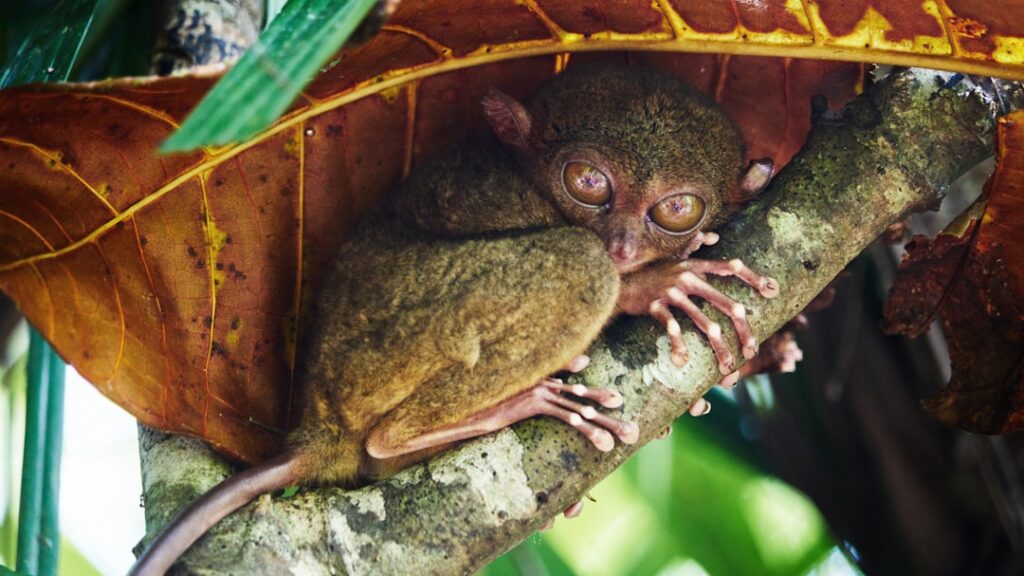
Bohol, Philippines: Best Chocolate Hills, Tarsier Encounters & Island Paradise (2025)
What if you could explore geological wonders that look like giant Hershey’s Kisses, spot primates smaller than your hand, and swim in waters with 70-foot visibility—all within one compact island? Bohol proves this tropical diversity exists across its 4,821 square kilometers, where you’ll find 1,268 perfectly cone-shaped Chocolate Hills formed from coral deposits and marine limestone, alongside the world’s second-smallest primate thriving in protected forests. While neighboring Cebu draws beach crowds, Bohol delivers equally stunning white sand and marine life with half the tourists.
Why Bohol, Philippines Stands Out

Person standing on boat, Bohol, Philippines
- Historic Architecture: Baclayon Church (1727) stands as one of Philippines’ oldest stone churches, built from coral stones and egg whites.
- Cultural Scene: The Sandugo Festival each July reenacts the 1565 blood compact between Spanish explorer Legazpi and local chieftain Sikatuna.
- Local Specialties: Kalamay—a sticky sweet made from coconut milk, brown sugar, and glutinous rice served in coconut shells.
Pro Tip: Visit during shoulder months of April-May or September-October when weather is dry but crowds are thinner—book accommodations near Panglao Island 3 months in advance for the best rates.
Map of Bohol, Philippines
Use these interactive maps to explore Bohol, Philippines and plan your route:
📍 View Bohol, Philippines on OpenStreetMap
🗺️ Open Bohol, Philippines in Google Maps
Planning Your Trip: Practical Essentials
Getting There and Around
- By Air: Bohol-Panglao International Airport receives direct flights from Manila, Cebu, and Davao via Philippine Airlines, Cebu Pacific, and AirAsia. Taxis to Alona Beach cost ₱400-600. Book flights at Skyscanner for best deals.
- By Train: No direct train service exists—travelers typically ferry from Cebu City (2 hours, ₱800-1,200) or combine with bus routes from northern destinations.
- By Car: Renting a car or motorcycle (₱1,500-2,500/day) offers flexibility for hill country exploration—major roads are well-paved but rural routes can be challenging. Compare car rentals at RentalCars.com.
- Local Transport: Tricycles (₱50-150 per ride) serve short distances while multicabs (shared jeepneys) connect towns for ₱25-50. Hire private vans for day tours (₱3,000-4,000).
Best Time to Visit
Bohol’s tropical climate means you’ll find warm temperatures year-round, but timing your visit around dry season ensures optimal conditions for island hopping and countryside exploration.
| Season | Weather | Highlights |
|---|---|---|
| Summer (Jun–Aug) | 28-34°C, frequent afternoon showers | Sandugo Festival celebrations, lush green landscapes, fewer tourists despite rain |
| Winter (Dec–Feb) | 25-30°C, minimal rainfall, lower humidity | Perfect beach weather, excellent diving conditions, peak tourist season |
| Shoulder (Apr–May/Sep–Oct) | 27-32°C, occasional brief showers | Best value accommodations, manageable crowds, ideal for comprehensive touring |
Budgeting for Bohol, Philippines

Blue calm sea under blue and white skies, Bohol, Philippines
| Category | Budget | Mid-range | Luxury |
|---|---|---|---|
| Accommodation | ₱800-1,500/night (guesthouses) | ₱2,500-5,000/night (boutique hotels) | ₱8,000-20,000/night (resorts) |
| Meals | ₱150-300 (carinderia local eateries) | ₱400-800 (restaurants) | ₱1,200-2,500 (resort dining) |
| Transport | ₱200-500 (public transport) | ₱800-1,500 (tricycle rentals/taxis) | ₱3,000-4,000 (private van with driver) |
| Activities | ₱500-1,000 (free beaches, DIY tours) | ₱1,500-3,000 (guided tours) | ₱4,000-8,000 (private boat tours) |
| Daily Total | ₱1,650-3,300 | ₱5,200-10,800 | ₱16,200-34,500 |
Top Attractions and Must-See Sights
| Attraction | Description | Hours | Entry Fee |
|---|---|---|---|
| Chocolate Hills Complex | View 1,268 geological formations that turn chocolate-brown in dry season from elevated viewing deck | 6:00 AM-6:00 PM daily | ₱100 (includes environmental fee) |
| Philippine Tarsier Sanctuary | Observe the world’s second-smallest primate in protected natural habitat with expert guides | 9:00 AM-4:00 PM daily | ₱120 (includes conservation fee) |
| Loboc River Cruise | Float through emerald jungle waters with onboard buffet lunch and cultural performances | 11:00 AM-2:00 PM daily | ₱850 (includes lunch) |
| Alona Beach | Pristine white sand beach with vibrant marine life perfect for swimming and sunset viewing | 24 hours | Free (beach access) |
3-Day Itinerary: Bohol, Philippines’s Highlights & Hidden Gems
Day 1: Countryside Wonders & River Adventures
- Morning: 7:00 AM departure for Chocolate Hills (₱100 entry) to beat crowds and heat—the 214-step climb rewards with panoramic views of geological marvels formed during the Late Pliocene to Early Pleistocene.
- Afternoon: 12:00 PM Loboc River Cruise (₱850) with floating restaurant experience—don’t miss the chicken inasal and fresh buko juice while traditional musicians perform. Arrive by 11:30 AM to secure prime seating.
- Evening: 6:30 PM dinner at Gerarda’s in Tagbilaran (₱400-800)—their crispy pata and seafood kare-kare showcase Filipino-Spanish fusion in a restored ancestral home.
Day 2: Wildlife Encounters & Island Hopping
- Morning: 8:00 AM Philippine Tarsier Sanctuary visit (₱120)—these nocturnal primates with 150-degree head rotation capabilities are most active in early hours. Photography restrictions protect their sensitive eyes.
- Afternoon: 1:00 PM island hopping from Alona Beach (₱1,800-2,500/group)—snorkel Balicasag Island’s marine sanctuary with 70-foot visibility, then visit Virgin Island’s sandbar during low tide.
- Evening: 6:00 PM sunset cocktails at Alona Tropical Beach Resort followed by dinner at Buzz Cafe (₱500-900)—their kinilaw (ceviche) uses freshly caught tuna marinated in coconut vinegar.
Day 3: Historical Heritage & Marine Discovery
- Morning: Tricycle tour (₱1,500/day) to Baclayon Church and Museum (₱50)—this 1727 National Cultural Treasure contains religious artifacts dating to Spanish colonization, including gold-embroidered vestments.
- Afternoon: Blood Compact Shrine visit (free) commemorating the 1565 peace treaty, then lunch at Payag Restaurant (₱350-600) for authentic Boholano dishes like utan bisaya (vegetable soup).
- Evening: Final beach walk along Dumaluan Beach—less crowded than Alona but equally stunning, with firefly viewing tours available along Abatan River as your farewell experience.
Cultural Insights & Etiquette
- Language: While Filipino (Tagalog) is official, Boholano (Cebuano dialect) dominates—learn “Maayong buntag” (Good morning) and “Salamat” (Thank you). English is widely understood in tourist areas.
- Customs: Elders are addressed with “Po” as sign of respect—use “Mano” (taking elder’s hand to forehead) when greeting grandparents. Remove shoes before entering homes.
- Tipping: Not mandatory but appreciated—round up taxi fares, leave ₱50-100 for restaurant servers, ₱200-300 for tour guides for full-day services.
- Dress Code: Lightweight clothing suits the climate, but cover shoulders and knees when visiting churches. Beachwear should remain at the beach.
- Business Hours: Most shops open 9:00 AM-6:00 PM, with malls until 9:00 PM. Many businesses close between 12:00-1:00 PM for lunch, and on Sundays for family time.
Where to Eat: Bohol, Philippines’s Best Bites
Boholano cuisine reflects its agricultural and coastal resources—you’ll find freshwater shrimp from rivers, coconut in countless forms, and seafood so fresh it might have been swimming hours earlier. Dining ranges from humble carinderias (local eateries) to sophisticated resort restaurants, but the common thread is generous hospitality.
Must-Try Local Specialties
- Chicken Halang-Halang: Spicy coconut-based chicken stew infused with lemongrass and chili leaves—find authentic versions at Mano’s Grill in Tagbilaran (₱250-350).
- Ube Kalamay: Purple yam version of the classic sticky sweet, often sold in town markets like Dao Terminal Pasalubong Center (₱150-200 per container).
- Fresh Tuna Kinilaw: Ceviche-style dish marinated in coconut vinegar and calamansi, best enjoyed at beachside stalls in Alona (₱180-250).
Restaurant Recommendations by Budget
| Type | Restaurant | Specialty | Price Range |
|---|---|---|---|
| Budget | Jasmin Cafe (Panglao) | Hearty Filipino breakfast with local coffee | ₱150-300 |
| Mid-range | Bohol Bee Farm (Dauis) | Organic farm-to-table with flower salads | ₱400-800 |
| Fine dining | Amorita Resort (Panglao) | Seafood platters with sunset ocean views | ₱1,200-2,500 |
Where to Stay
Accommodation in Bohol ranges from basic beach huts to luxury eco-resorts, with the highest concentration of options in Panglao Island. Savvy travelers often split their stay between beachfront locations and inland spots to minimize daily travel time to different attractions. Compare prices and book at Booking.com or Airbnb for apartments.
Best Neighborhoods for Accommodation
- Alona Beach (Panglao): Tourist hub with vibrant nightlife, diving centers, and restaurant options—ideal for first-time visitors and water sports enthusiasts, though can be crowded.
- Dumaluan/Punta Cruz Area: Quieter beaches with resort clusters offering more space and privacy—perfect for families and relaxation seekers.
- Tagbilaran City: Urban center with budget options and convenient access to historical sites—best for travelers prioritizing cultural immersion over beach time.

Photo of four loungers under gazebo facing swimming pool, Bohol, Philippines
FAQs: Your Bohol, Philippines Questions Answered
1. Is Bohol, Philippines safe at night?
Generally yes—tourist areas like Alona Beach have good lighting and security, though standard precautions apply. Avoid isolated areas after dark and use registered transportation. The Philippines’ Department of Tourism maintains a 24/7 tourist hotline (1-632-524-1660) for assistance.
2. What currency is used and are credit cards accepted?
Philippine Peso (₱) is the currency—exchange rates average ₱55-60 to $1 USD. Major establishments accept credit cards, but you’ll need cash for markets, tricycles, and smaller eateries. ATMs are widely available in Tagbilaran and Panglao.
3. How do I get from the airport to the city center?
Bohol-Panglao Airport offers metered taxis (₱400-600 to Alona Beach, 30 minutes) and airport vans (₱150-200 per person). Many hotels provide transfer services—confirm when booking. Book airport transfers at GetYourGuide for convenience.
4. Do I need to speak the local language?
Not essential—English is an official language and widely spoken in tourist areas. Locals appreciate basic Filipino greetings: “Magandang umaga” (Good morning), “Salamat” (Thank you), and “Paalam” (Goodbye).
5. What’s the appropriate dress code?
Lightweight, breathable clothing works year-round. Cover shoulders and knees when visiting churches. Swimwear is acceptable at beaches and pools but should be covered when moving to other areas. A light rain jacket is useful during rainy season (June-October).
Final Thoughts: Bohol, Philippines Awaits
Bohol delivers that rare combination of natural wonders, rich history, and authentic cultural experiences in one accessible package. Where else can you witness geological phenomena millions of years in the making, encounter some of the planet’s most unique wildlife, and indulge in culinary traditions spanning centuries—all within short distances? Travelers often discover that Bohol’s true magic lies beyond its famous hills and tiny primates, in the warm hospitality of its people and the seamless blend of adventure and relaxation. Don’t miss the early morning paddleboard tour through the Loboc River’s mangrove forests—watching the jungle awaken while gliding through mirror-still waters provides the perfect farewell memory from this Philippine paradise.

