
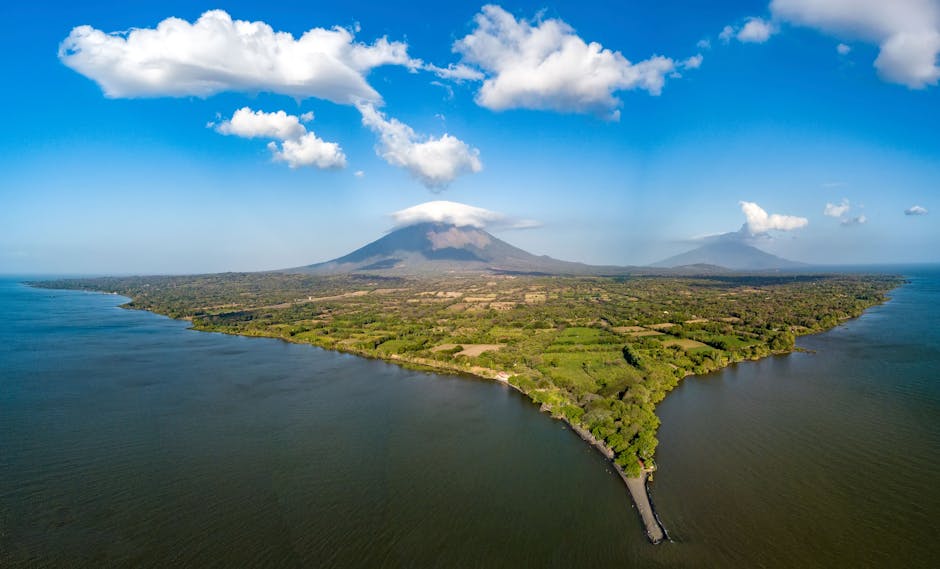
Bluefields, Nicaragua: Hidden Caribbean Rhythms, Creole Culture & Coastal Adventure (2025)
While crowds flock to the colonial streets of Granada or the surf breaks of San Juan del Sur, Bluefields, Nicaragua offers a cultural immersion you simply can’t find on the Pacific coast. As the capital of the South Caribbean Autonomous Region, this is the heart of Nicaragua’s Afro-Caribbean and Indigenous Miskito heritage. Here, the official language is Spanish, but the soundtrack is reggae, the food is coconut-infused, and the welcome is as warm as the tropical sun. This is where you trade cobblestones for wooden stilt houses and discover a side of Nicaragua most travelers never see.
Why Bluefields, Nicaragua Stands Out
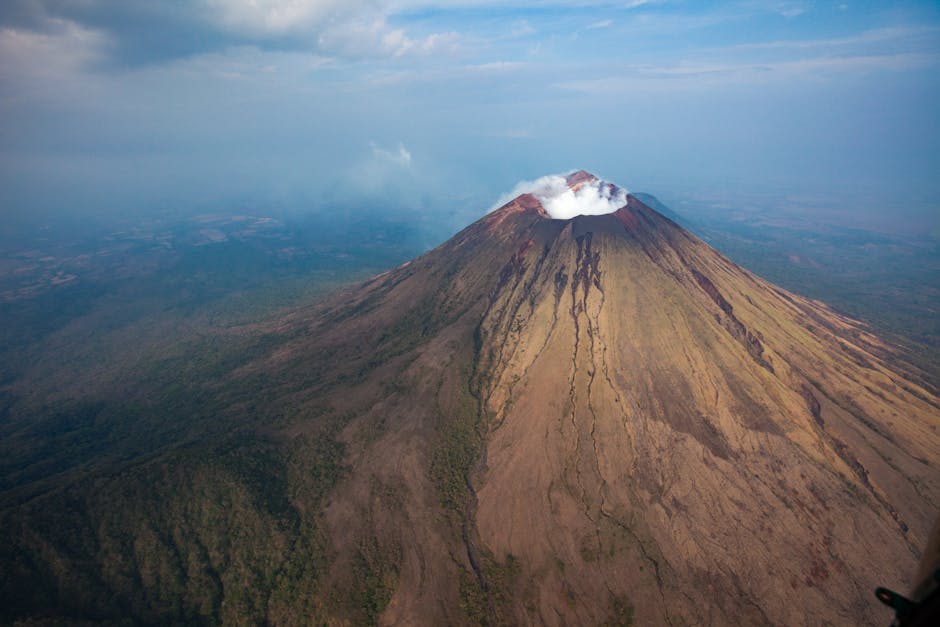
A stunning aerial view of San Cristobal Volcano, Bluefields, Nicaragua
- Historic Architecture: The Moravian Church, built in 1849, stands as a testament to the city’s unique Protestant heritage and distinct Caribbean colonial style, unlike any other in Nicaragua.
- Cultural Scene: The annual Palo de Mayo festival in May explodes with vibrant costumes, hypnotic drumming, and energetic dances celebrating fertility and Afro-Caribbean roots.
- Local Specialties: You must try Rondón, a rich, slow-cooked coconut milk stew filled with seafood, root vegetables, and local spices, best enjoyed in a family-run comedor.
Pro Tip: Plan your visit for early May to experience the legendary Palo de Mayo festival, but book accommodations months in advance. For fewer crowds and good weather, the shoulder months of late November or early February are your best bet.
Map of Bluefields, Nicaragua
Use these interactive maps to explore Bluefields, Nicaragua and plan your route:
📍 View Bluefields, Nicaragua on OpenStreetMap
🗺️ Open Bluefields, Nicaragua in Google Maps
Planning Your Trip: Practical Essentials
Getting There and Around
- By Air: The main gateway is Bluefields Airport (BEF). La Costeña Airlines operates daily 1-hour flights from Managua (approx. $120-$180 round trip). Book flights at Skyscanner for best deals.
- By Train: There are no passenger train services to Bluefields. The adventurous overland route involves bus and boat combinations.
- By Car: Driving is not recommended for tourists due to remote, unpaved roads and river crossings requiring ferries. Compare car rentals at RentalCars.com for exploring other parts of Nicaragua first.
- Local Transport: Within Bluefields, taxis are plentiful and cheap (C$20-40 per ride within the city). For a true local experience, hop on a collective *panga* (motorized canoe) for trips across the bay or to nearby communities (C$10-50 depending on distance).
Best Time to Visit
The climate is tropical and humid year-round. The key difference is rainfall. The “dry” season offers more reliable sunshine, but the “green” season has its own lush, vibrant charm and cultural highlights.
| Season | Weather | Highlights |
|---|---|---|
| Dry Season (Feb–Apr) | Hot, humid, less rain. Avg 28-32°C (82-90°F). | Ideal for boat trips, fishing, and exploring the coast. Peak tourist time for the region. |
| Green/Rainy Season (May–Nov) | Very humid with frequent, heavy afternoon showers. Avg 26-30°C (79-86°F). | Lush scenery, the spectacular Palo de Mayo festival in May, and fewer visitors. Be prepared for rain. |
| Shoulder (Dec–Jan) | Moderate humidity, sporadic rain. Pleasant temperatures. | A great balance of decent weather and the festive holiday atmosphere, with Christmas and New Year celebrations. |
Budgeting for Bluefields, Nicaragua

Stunning aerial view of Cerro Negro volcano with lush green surroundings in León, Bluefields, Nicaragua
| Category | Budget | Mid-range | Luxury |
|---|---|---|---|
| Accommodation | Hostel/C$500-800 ($14-$22) | Local Hotel/C$1,200-2,000 ($33-$55) | Best Hotel in Town/C$2,500+ ($68+) |
| Meals | Comedor Plate/C$150-250 ($4-$7) | Restaurant Meal/C$300-500 ($8-$14) | Hotel Restaurant/C$600+ ($16+) |
| Transport | Panga/Public Taxi (C$10-40) | Private Taxis (C$50-100/trip) | Private Boat Charter ($100+/day) |
| Activities | Walking tours, beach visits (Free-$10) | Guided boat tours ($30-$50) | Private fishing/snorkeling trips ($100+) |
| Daily Total | C$800-1,200 ($22-$33) | C$2,000-3,000 ($55-$82) | C$4,000+ ($110+) |
Top Attractions and Must-See Sights
| Attraction | Description | Hours | Entry Fee |
|---|---|---|---|
| El Bluff Peninsula | A long, narrow sandbar offering pristine beaches, fishing villages, and incredible sunset views over the Caribbean. | Accessible by panga (daylight hours) | Panga ride ~C$50-100 roundtrip |
| Bluefields Historical Museum | Housed in the old Moravian mission, it details the region’s Indigenous, Afro-Caribbean, and colonial history. | Mon-Fri 8 AM – 12 PM, 2 PM – 5 PM | C$50 (under $2) |
| Rama Cay | An island community of the Rama Indigenous group, accessible by boat, for a glimpse into traditional life and crafts. | Day trips by arrangement | Boat charter required (~$50+ per group) |
| The Old Quarter (Barrio Pointeen) | Stroll among colorful wooden houses on stilts, feel the sea breeze, and observe daily Creole life. | Always open | Free |
3-Day Itinerary: Bluefields, Nicaragua’s Highlights & Hidden Gems
Day 1: Immersion in Creole Culture
- Morning (7-9 AM): Start with a strong local coffee at a *fritanga* stall near the municipal market. Then, explore the bustling market itself—your senses will be filled with the smell of fresh fish, spices, and tropical fruit.
- Afternoon (12-3 PM): Visit the Bluefields Historical Museum to understand the city’s roots. For lunch, head to Comedor Martha for an authentic heaping plate of Rondón (C$250).
- Evening (6-8 PM): Take a sunset stroll along the *Costanera* (waterfront). For dinner, try Bar-Restaurant Caribbean Taste for grilled snapper and a cold Victoria beer. Later, ask locals where to find live *Punta* or reggae music.
Day 2: Island & Coastal Adventure
- Morning (7 AM): Hire a collective *panga* from the municipal wharf to El Bluff (C$50-100 roundtrip, 30-min ride). Spend the morning beachcombing, birdwatching, and visiting the small fishing community.
- Afternoon (1 PM): Return to Bluefields for a late lunch at Ranchón El Pelicano, known for its seafood and views. Then, relax or arrange a guided boat tour to the Pearl Cays with a local operator like Bluefields Tours (from $50/person).
- Evening (7 PM): Enjoy a casual dinner. For a unique experience, if it’s a weekend, see if there’s a local baseball game—it’s a national passion.
Day 3: History & Local Life
- Morning (8 AM): Take a taxi (C$30) to the neighborhood of Cotton Tree to see the iconic, giant kapok tree sacred to Garifuna and Creole communities. Then, wander the photogenic Old Quarter (Barrio Pointeen).
- Afternoon (12 PM): Have lunch at Comedor Miramar. In the afternoon, visit the Moravian Church and its peaceful cemetery, reflecting the unique Protestant history.
- Evening (6 PM): For your final night, savor a special dinner at Hotel South Atlantic’s restaurant. Afterwards, find a local bar for a *coco loco* (rum in a fresh coconut) and reflect on your Caribbean Nicaraguan journey.
Cultural Insights & Etiquette
- Language: Spanish is official, but English Creole is widely spoken. A friendly “Wah gwaan?” (What’s going on?) or “Tenk ya” (Thank you) goes a long way.
- Customs: Life moves at a relaxed, “Creole time” pace. Be patient. Always greet people before asking for directions or help. Respect is paramount.
- Tipping: Not mandatory but appreciated. In restaurants, 10% is fine if service isn’t included. For boat captains or guides, a small tip (C$50-100) is a nice gesture.
- Dress Code: Casual and light due to heat, but modest. Swimwear is for the beach only. Cover shoulders and knees when visiting churches or Indigenous communities.
- Business Hours: Shops typically open 8 AM – 12 PM, close for siesta, and reopen 2 PM – 6 PM. Government offices keep shorter hours. Many things are closed on Sundays.
Where to Eat: Bluefields, Nicaragua’s Best Bites
Dining here is about flavor, not frills. You’ll find exceptional local *comedores* (family-run eateries) serving hearty, coconut-based Creole cuisine. Seafood is always fresh, and plantains are a staple.
Must-Try Local Specialties
- Rondón: The king of Creole dishes. A slow-simmered stew of fish, shellfish, yuca, plantains, and dumplings in coconut milk and spices. Try it at Comedor Martha.
- Gallo Pinto Caribeño: The Caribbean version of rice and beans, cooked in coconut milk, giving it a richer, sweeter flavor than the national dish. Served everywhere at breakfast.
- Pan de Coco: Sweet, dense coconut bread that’s perfect for a snack. Buy it fresh from street vendors or bakeries in the morning.
Restaurant Recommendations by Budget
| Type | Restaurant | Specialty | Price Range |
|---|---|---|---|
| Budget | Comedor Martha (Near market) | Authentic Rondón & daily plates | C$150-250 ($4-$7) |
| Mid-range | Ranchón El Pelicano (Waterfront) | Grilled whole fish & lobster | C$300-600 ($8-$16) |
| Fine dining | Hotel South Atlantic Restaurant | International & upscale Creole dishes | C$600+ ($16+) |
Where to Stay
Accommodation ranges from basic guesthouses to a few comfortable hotels. Most are centrally located. For a more local feel, some families rent rooms. Compare prices and book at Booking.com or Airbnb for apartments.
Best Neighborhoods for Accommodation
- Central Bluefields (near market/wharf): The most convenient location for transport, food, and walking to sights. Can be noisy. Best for first-time visitors and short stays.
- Costanera (Waterfront): Offers nicer views, sea breezes, and proximity to some better restaurants. Slightly quieter but still central. Ideal for mid-range travelers.
- Residential Areas (e.g., San Pedro): Quieter, more local experience. You’ll rely more on taxis. Best for longer stays or those seeking deeper immersion.

Close-up of a marked map of Central America, Bluefields, Nicaragua
FAQs: Your Bluefields, Nicaragua Questions Answered
1. Is Bluefields, Nicaragua safe at night?
Exercise common sense as in any city. The central areas are generally safe in the early evening. Stick to well-lit streets, avoid displaying valuables, and take taxis for longer distances after dark. Petty theft can occur, so be vigilant in crowded areas like the market.
2. What currency is used and are credit cards accepted?
The Nicaraguan Córdoba (C$) is the currency. U.S. dollars are sometimes accepted but not universally—always have córdobas. Credit cards are only accepted at the larger hotels and a few upscale restaurants. Your best bet is to carry cash withdrawn from local ATMs (BAC or Banpro).
3. How do I get from the airport to the city center?
Bluefields Airport (BEF) is very close to town. Taxis wait outside arrivals and charge a fixed rate of about C$50-80 ($1.50-$2.50) for the 5-10 minute ride into the center. There is no public bus. Book airport transfers at GetYourGuide for convenience, though it’s often simpler to just take a local taxi.
4. Do I need to speak the local language?
You can manage with basic Spanish. In tourist spots and with younger locals, you might find some English. Learning a few Creole phrases (like “Tenk ya” for thank you) will earn you big smiles and a warmer welcome.
5. What’s the appropriate dress code?
Light, breathable, casual clothing is essential due to the heat and humidity. Pack quick-dry fabrics. While beachwear is fine for El Bluff, in town you should dress modestly. A light rain jacket or umbrella is wise year-round.
Final Thoughts: Bluefields, Nicaragua Awaits
Bluefields offers a travel experience defined not by checklist monuments, but by cultural resonance. It’s in the rhythm of the drums during Palo de Mayo, the taste of coconut in a steaming bowl of Rondón, and the sight of wooden houses standing resilient against the Caribbean sun. This is where you experience the rich, multicultural tapestry that makes Nicaragua so fascinating. For the savvy traveler looking beyond the well-trodden path, Bluefields provides an authentic, unforgettable encounter with the Caribbean soul of Central America. Don’t leave without taking a boat ride at sunset—the view of the city from the water, with colors melting into the sea, is the perfect farewell memory.

