
Bering Land Bridge National Preserve, USA: Stunning Wilderness, Ancient History & Arctic Solitude (2026)
In the vast, silent expanse of Alaska’s Seward Peninsula, the midnight sun casts long shadows over the Serpentine Hot Springs, where steam rises from granite tors shaped 13,000 years ago. Here, in a preserve larger than Connecticut, fewer than 300 adventurous souls venture annually, yet this is the very ground where humanity first walked into the Americas. This isn’t just remote; it’s a living museum of geology, ice-age megafauna, and the enduring legacy of the Iñupiat people, offering a profound sense of scale and discovery found almost nowhere else on Earth.
Why Bering Land Bridge National Preserve, USA Stands Out

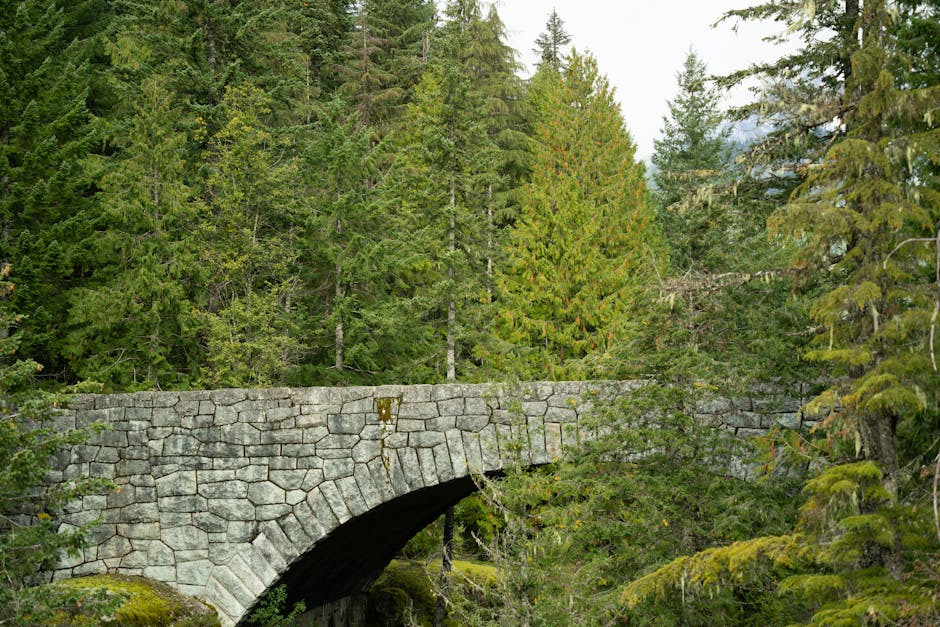
A stunning view of a dry landscape with driftwood against the lush forest b…, Bering Land Bridge National Preserve, USA
- Historic Architecture: The ancient granite tors and bathhouses at Serpentine Hot Springs, built by the Civilian Conservation Corps in 1930, offer a surreal blend of natural sculpture and human history in the middle of the Arctic wilderness.
- Cultural Scene: The ongoing subsistence practices of the local Iñupiat communities, including caribou hunting and berry gathering, represent a living cultural tradition dating back thousands of years, intimately connected to this landscape.
- Local Specialties: While there are no restaurants, experiencing traditional foods like *muktuk* (whale skin and blubber), dried caribou, or freshly picked salmonberries, often shared in local villages like Shishmaref or Deering, is a profound cultural encounter.
Pro Tip: Your absolute best window for access and manageable weather is late June through early August. This is when the tundra is (mostly) dry, temperatures are in the 40s-60s°F, and charter flight services from Nome are most reliable. Even then, pack for all conditions—Arctic weather is famously mercurial.
Map of Bering Land Bridge National Preserve, USA
Use these interactive maps to explore Bering Land Bridge National Preserve, USA and plan your route:
📍 View Bering Land Bridge National Preserve, USA on OpenStreetMap
🗺️ Open Bering Land Bridge National Preserve, USA in Google Maps
Planning Your Trip: Practical Essentials
Getting There and Around
- By Air: All journeys start in Nome (OME). Fly via Anchorage on Ravn Alaska. From Nome, you must charter a small bush plane (like with Bering Air or Cape Smythe Air) to a landing strip in the preserve, like at Serpentine Hot Springs. Costs range from $600-$1200+ per person round-trip. Book flights at Skyscanner for best deals to Anchorage.
- By Train: No train service exists to or within Alaska’s remote western coast. Your overland options are severely limited to tracked vehicles or snow machines in winter, which require local guides and extensive preparation.
- By Car: There are no roads into the preserve. You can drive the partially paved roads from Nome a short distance toward the preserve boundary (like the Teller Highway), but access to interior features requires air charter. Compare car rentals in Nome at RentalCars.com for initial exploration.
- Local Transport: Within the preserve, transport is your own two feet, skis, or a rented ATV/snowmobile from Nome, which you’d need to fly in. There is no public transport. Savvy visitors coordinate all ground logistics with their air charter operator or a guiding service.
Best Time to Visit
Timing is everything in the Arctic. Your experience is dictated entirely by the season, which governs not just weather but the very methods of access and the activities available.
| Season | Weather | Highlights |
|---|---|---|
| Summer (Jun–Aug) | 40-65°F (4-18°C). Long days, midnight sun. Mosquitoes can be fierce. Tundra is wet but passable. | Prime hiking, birding, and wildflowers. Bush plane access is reliable. Best for first-time visitors. Few crowds, but most annual visitors come now. |
| Winter (Dec–Feb) | -10 to -30°F (-23 to -34°C). Near-total darkness or short twilight days. Extreme conditions. | For experts only. Potential for aurora viewing and travel by snow machine. Profound solitude and stark beauty. Access is complex and dangerous without serious cold-weather skills. |
| Shoulder (May/Sep) | 20-45°F (-7 to 7°C). Unpredictable mix of snow, rain, and mud. Rapidly changing conditions. | Transitional beauty with fewer insects. Access is tricky as ice breaks up or forms. Recommended only for very experienced Arctic travelers with flexible plans. |
Budgeting for Bering Land Bridge National Preserve, USA

Explore Zion National Park with its iconic entrance sign along a picturesqu…, Bering Land Bridge National Preserve, USA
| Category | Budget | Mid-range | Luxury |
|---|---|---|---|
| Accommodation | $0 (Backcountry camping) | $150/night (Bunkhouse at Serpentine) | $300+/night (Guided tour lodge-style tents) |
| Meals | $30/day (Pack all your own food) | $75/day (Pre-packaged gourmet camp meals) | $150+/day (Meals provided by a guided expedition) |
| Transport | $600 (Shared charter flight) | $900 (Small group charter) | $1200+ (Private charter) |
| Activities | $0 (Self-guided hiking) | $200/day (Day guide from Nome) | $500+/day (Full-service guided multi-day expedition) |
| Daily Total | $210+ (Minimal 3-day trip) | $450+ per day | $800+ per day |
*Note: “Daily” totals are rough estimates for a 3-5 day trip, heavily skewed by the large one-time cost of the charter flight. A realistic minimum budget for a 4-day solo summer trip is $1,500-$2,000.
Top Attractions and Must-See Sights
| Attraction | Description | Hours | Entry Fee |
|---|---|---|---|
| Serpentine Hot Springs | Soak in 110°F geothermal waters surrounded by stunning, wind-sculpted granite tors, with a historic bunkhouse nearby. | 24/7, accessible summer by air, winter by snow machine | $0 (Preserve entry is free) |
| The Lost Jim Lava Flow | Walk across a 1,000-2,000 year-old lava field, a stark, black landscape of aa and pahoehoe lava contrasting with green tundra. | Daylight hours | $0 |
| Imuruk Lake | Alaska’s second-largest lake, a vital habitat for migratory birds and a centerpiece of the preserve’s aquatic ecosystem. | Daylight hours | $0 |
| Coastal Areas near Cape Espenberg | Explore shifting sand dunes, archaeological sites, and witness the dramatic coastal erosion that reveals ancient artifacts and fossils. | Daylight hours | $0 |
3-Day Itinerary: Bering Land Bridge National Preserve, USA’s Highlights & Hidden Gems
Day 1: Arrival & Immersion at Serpentine
- Morning (7-9 AM): Charter flight from Nome with Bering Air ($700-$900 round-trip). The 90-minute flight offers unparalleled views of the Seward Peninsula. Touch down on the gravel airstrip at Serpentine Hot Springs.
- Afternoon (12-3 PM): Set up camp or settle into the historic bunkhouse (reserve months ahead via NPS). Take a short hike to survey the tors. Lunch is your packed sandwiches. Keep an eye out for muskoxen grazing in the distance.
- Evening (6-8 PM): Your first soak in the hot springs as the Arctic sun circles the sky. Dinner is a rehydrated backpacker meal. Spend the “night” reading the journals left by other travelers in the bunkhouse—a tradition here.
Day 2: Geology & Tundra Exploration
- Morning (8 AM): Hike from the springs toward the prominent tors. This is prime photography time. Look for lichens, Arctic flowers, and maybe caribou tracks. The silence is profound.
- Afternoon (1 PM): Pack a lunch and hike 2-3 miles northeast across the tundra. Your goal is to find a high point for panoramic views. This is bear country, so carry bear spray and know how to use it.
- Evening (7 PM): Return to the hot springs for a restorative soak. If you coordinated with a guide service, this is when they might share stories of the area’s archaeology and the “Beringian” past over a hot drink.
Day 3: Departure & Nome Culture
- Morning (10 AM): Final pack-up and cleanup (pack out EVERYTHING). Your charter pilot will confirm pickup time via satellite phone. Take one last quiet moment at the springs.
- Afternoon (12-3 PM): Flight back to Nome. Upon return, head straight to Airport Pizza in Nome for a well-earned meal and a taste of local life.
- Evening (6 PM): Visit the Carrie M. McLain Memorial Museum in Nome to contextualize your trip with exhibits on the Bering Land Bridge, gold rush history, and Iñupiat culture. It’s the perfect bookend to the wilderness experience.
Cultural Insights & Etiquette
- Language: English is widely spoken. Learning a few Iñupiaq words shows respect: “Quyanaq” (Thank you), “Apa’a” (Hello), “Taikuu” (Goodbye).
- Customs: Respect subsistence activities. If you encounter hunters or gatherers, give them wide berth. Never touch or remove archaeological artifacts, bones, or antlers—it’s illegal and disrespectful.
- Tipping: Tip your bush pilot 10-15% of the charter cost, as they are your lifeline. For guides in Nome, 15-20% is standard for good service.
- Dress Code: Practical, layered, weather-resistant clothing is essential. In Nome, dress is casual. When visiting villages, modest, non-flashy attire is respectful.
- Business Hours: In Nome, typical 9-5. In the preserve, there are no businesses. Villages like Shishmaref operate on their own schedules; always call ahead if seeking to visit.
Where to Eat: Bering Land Bridge National Preserve, USA’s Best Bites
Dining here is about preparation, not reservation. You will bring all your food into the preserve. Nome, however, offers a chance to refuel and sample local fare, from classic American to Native Alaskan specialties.
Must-Try Local Specialties
- Reindeer Sausage: A breakfast staple across Alaska. You’ll find it in most Nome diners, often served with eggs. Try it at Fat Freddie’s Restaurant.
- Fresh-caught Salmon: In summer, local catches appear on menus. The Bering Sea produces incredible salmon, halibut, and crab.
- Akutaq (Eskimo Ice Cream): A traditional dish made from whipped fat (seal, caribou), berries, and sometimes sugar. It’s a rich, cultural food often shared at community events; ask respectfully if you get the opportunity to try it.
Restaurant Recommendations by Budget
| Type | Restaurant | Specialty | Price Range |
|---|---|---|---|
| Budget | Airport Pizza (Nome) | Hearty pizzas, sandwiches, and local vibe. | $10-$25 |
| Mid-range | Fat Freddie’s Restaurant (Nome) | Classic American & Alaskan diner food, great breakfasts. | $15-$40 |
| Fine dining | The Nome Nugget Inn Dining Room | The closest to upscale in Nome, with steak and seafood. | $30-$60+ |
Where to Stay
Accommodation ranges from backcountry camping to a simple bunkhouse in the preserve, with more standard hotels in Nome. Plan and book your Nome base well ahead, especially during the Iditarod finish in March. Compare prices and book at Booking.com or Airbnb for apartments in Nome.
Best Neighborhoods for Accommodation
- Downtown Nome: Walking distance to museums, restaurants, and the airport. Convenient for pre- and post-trip logistics. Suits all travelers. (e.g., Nome Nugget Inn).
- Serpentine Hot Springs Bunkhouse: The only indoor accommodation in the preserve itself. Four bunks, a wood stove, and basic cooking gear. Requires advance reservation via the NPS. Suits self-sufficient adventurers.
- Backcountry Camping (Preserve-wide): Complete immersion. You must follow strict Leave No Trace principles, be bear-aware, and be entirely self-sufficient. Suits experienced backpackers and seekers of ultimate solitude.

Stunning view of the natural stone arch in Bryce Canyon, Utah., Bering Land Bridge National Preserve, USA
FAQs: Your Bering Land Bridge National Preserve, USA Questions Answered
1. Is Bering Land Bridge National Preserve, USA safe at night?
Safety is less about crime and entirely about wilderness preparedness. In the preserve, you must be alert for wildlife (bears, muskoxen), rapidly changing weather, and the challenges of remote terrain. Always carry a satellite communication device (like a Garmin inReach), bear spray, and a solid first-aid kit. Traveling with a partner is highly recommended.
2. What currency is used and are credit cards accepted?
US Dollars. In Nome, credit cards are accepted at most businesses. In the preserve, there are no services. You must use cash for tipping pilots/guides and in some smaller village stores. Bring more cash than you think you’ll need.
3. How do I get from the airport to the city center?
Nome’s airport (OME) is essentially in the city center. It’s a 5-minute, flat walk to most downtown hotels. Taxis are available for a few dollars if you have heavy gear. Your major transport hurdle is the charter flight from Nome into the preserve, which you arrange directly with air services. Book airport transfers at GetYourGuide for convenience in other destinations, but for Nome, walking or a quick cab suffices.
4. Do I need to speak the local language?
No. English is fine. However, learning a few Iñupiaq phrases is

