
Belfast, United Kingdom’s Epic Titanic Tales, Street Art & Whiskey Trails (2026)
While crowds flock to Dublin for its famous pubs, Belfast delivers a raw, authentic narrative of resilience and reinvention without the overwhelming tourist crush. Here, you can trace the rivets on the ship that couldn’t sink, follow the brushstrokes of world-renowned street artists on political walls, and sip whiskey in a Victorian pub where the air is thick with stories. This is a city where history isn’t just in museums—it’s etched into the very fabric of the streets, waiting for savvy travelers to choose a different path.
Why Belfast, United Kingdom Stands Out

Brown brick building under white clouds during daytime, Belfast, United Kingdom
- Historic Architecture: The Belfast City Hall, completed in 1906, is a stunning Baroque Revival masterpiece of Portland stone, symbolizing the city’s prosperous industrial past.
- Cultural Scene: The annual Belfast International Arts Festival transforms the city each October with cutting-edge theatre, music, and visual art from global and local innovators.
- Local Specialties: You must try an Ulster Fry—a hearty breakfast plate of soda bread, potato bread, sausages, bacon, egg, and black pudding, best enjoyed as a weekend ritual.
Pro Tip: For the best weather and to experience the city in full swing without peak summer crowds, target the shoulder months of May or September. The days are long, the major festivals are gearing up or winding down, and you’ll find better accommodation rates.
Map of Belfast, United Kingdom
Use these interactive maps to explore Belfast, United Kingdom and plan your route:
📍 View Belfast, United Kingdom on OpenStreetMap
🗺️ Open Belfast, United Kingdom in Google Maps
Planning Your Trip: Practical Essentials
Getting There and Around
- By Air: Belfast has two airports: Belfast International (BFS) for major carriers and low-cost airlines, and George Best Belfast City (BHD) closer to downtown. The 600 Airport Express bus runs from BFS to the city centre in 30 minutes for £8 single. Book flights at Skyscanner for best deals.
- By Train: Direct trains connect Belfast to Dublin in just over 2 hours via the Enterprise service. The central station is Lanyon Place. Book in advance for the best fares. Reserve tickets at Trainline or the national railway website.
- By Car: Driving from Dublin takes about 1 hour 45 minutes via the M1/A1. In the city, parking can be tricky; use secure multi-story car parks like Victoria Square. For exploring the stunning Causeway Coast, a rental is ideal. Compare car rentals at RentalCars.com.
- Local Transport: The Metro bus network is comprehensive. A day ticket costs around £4. Black taxis are iconic, especially for political history tours in West Belfast. The Glider rapid transit service is efficient for east-west routes.
Best Time to Visit
Belfast has a temperate maritime climate, meaning it’s rarely extremely hot or cold, but rain is always a possibility. The ideal time balances decent weather with vibrant local life.
| Season | Weather | Highlights |
|---|---|---|
| Summer (Jun–Aug) | 55–65°F (13–18°C), longest days, most rainfall. | Festivals in full swing, open-top bus tours, bustling outdoor pub gardens. Peak crowds and prices. |
| Winter (Dec–Feb) | 37–46°F (3–8°C), short days, potential for frost. | Magical Christmas markets at City Hall, cozy pub atmospheres, lower prices. Some attractions have reduced hours. |
| Shoulder (Apr–May/Sep–Oct) | 46–59°F (8–15°C), changeable but often pleasant. | Best balance: fewer tourists, mild weather for walking, cultural events like the Arts Festival in October. Your best bet for value. |
Budgeting for Belfast, United Kingdom

A large building with a garden in front of it with Belfast Castle in the ba…, Belfast, United Kingdom
| Category | Budget | Mid-range | Luxury |
|---|---|---|---|
| Accommodation | Hostel dorm: £20-£35/night | Boutique hotel/B&B: £80-£140/night | 5-star hotel: £200+/night |
| Meals | Pub lunch/street food: £8-£12 | Restaurant dinner: £20-£35 for main + drink | Fine dining tasting menu: £70+ per person |
| Transport | Bus day pass: £4, walking | Black taxi tour: ~£30 per group, occasional taxis | Private driver/chauffeured tours |
| Activities | Street art walks, Cathedral Quarter exploration (free) | Titanic Belfast: £19.50, Crumlin Road Gaol: £12 | Private whiskey tasting experiences, helicopter tour of coast |
| Daily Total | £45-£65 | £110-£180 | £300+ |
Top Attractions and Must-See Sights
| Attraction | Description | Hours | Entry Fee |
|---|---|---|---|
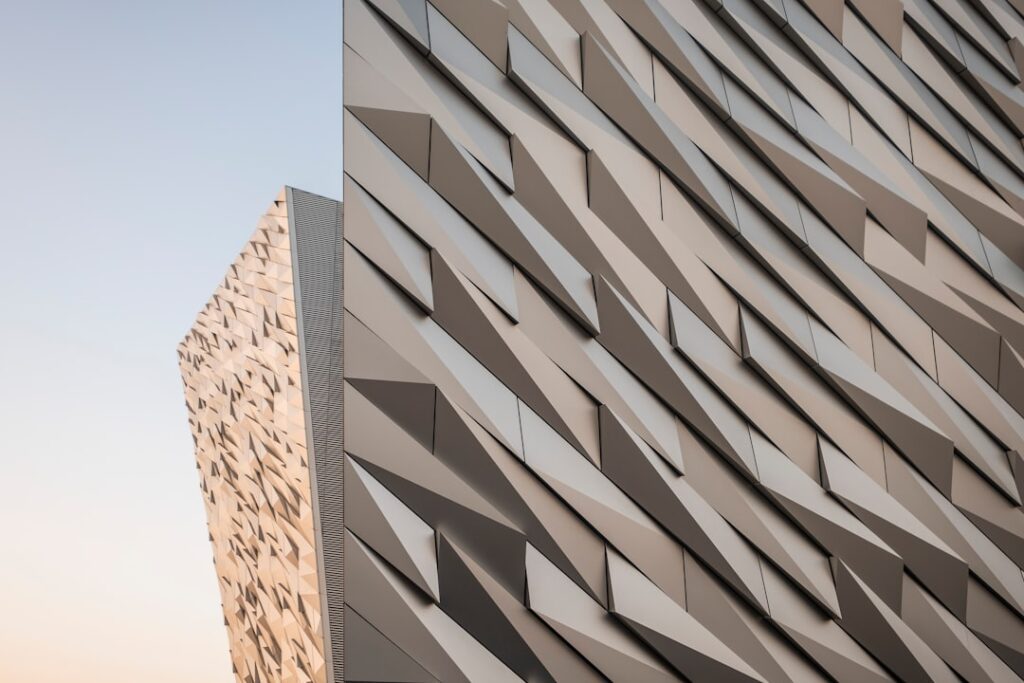
| Titanic Belfast | A stunning, iceberg-shaped museum on the very shipyard where the RMS Titanic was built, offering an immersive, nine-gallery journey. | Daily, 10:00-17:00 (later in summer) | £19.50 (book online for timed slot) |
| Crumlin Road Gaol | Take a guided tour through this Victorian-era prison, operational until 1996, to hear tales of inmates and walk the underground tunnel to the courthouse. | Tours run daily from 10:00, every 20 mins | £12 for self-guided audio tour |
| St. George’s Market | Belfast’s last surviving Victorian market, a vibrant hub for local food, antiques, and live music on weekends—the smell of fresh fish and baked goods is unforgettable. | Fri 8:00-14:00, Sat 9:00-15:00, Sun 10:00-16:00 | Free entry |
| Belfast City Hall | Step inside this opulent civic building for a free tour to marvel at the marble staircase, stained glass, and learn about the city’s history. | Building open Mon-Thu 8:30-17:00, Fri 8:30-16:00. Tours at 11:00, 14:00, 15:00 | Free (donations welcome) |
3-Day Itinerary: Belfast, United Kingdom’s Highlights & Hidden Gems
Day 1: Maritime History & Market Halls
- Morning (9:00 AM): Start at Titanic Belfast (book the 9:30 AM slot to avoid crowds). Allow 2-3 hours. Don’t miss the Shipyard Ride and the atmospheric reconstruction of the cabins.
- Afternoon (1:00 PM): Walk to the nearby Titanic Hotel for a lunch of fish and chips in the historic Harland & Wolff Drawing Offices. Then, explore the SS Nomadic, Titanic’s tender ship, moored outside (£7).
- Evening (7:00 PM): Head to the Cathedral Quarter for dinner at The Muddlers Club, a hidden gem serving inventive Irish cuisine. Afterwards, grab a pint at The Duke of York, a traditional pub adorned with vintage whiskey mirrors.
Day 2: Political History & Street Art
- Morning (10:00 AM): Book a Black Taxi Political Tour (£30-40 per group). Your local driver-guide will take you through the Falls Road (Nationalist) and Shankill Road (Loyalist) areas, explaining the murals and peace walls. It’s an unflinching and essential history lesson.
- Afternoon (1:30 PM): Have lunch at The Barking Dog on the Lisburn Road for modern Irish fare. Then, visit the free exhibition at the Ulster Museum in Botanic Gardens to see the Troubles archive and a genuine Egyptian mummy.
- Evening (6:30 PM): Experience a different side of local culture with a performance at the Grand Opera House, a stunning Victorian theatre. For a late bite, try the small plates at Yugo East, a fantastic Asian fusion spot.
Day 3: Coastal Majesty & Victorian Elegance
- Morning (8:00 AM): Rent a car or join a coach tour (from £35) for the 90-minute drive to the Giant’s Causeway. Walk the basalt columns, a UNESCO site, and visit the dramatic Carrick-a-Rede Rope Bridge (booking essential, £13).
- Afternoon (1:00 PM): Enjoy a seafood lunch with a view at The Nook in the nearby village of Portballintrae. On the return trip, stop at the haunting ruins of Dunluce Castle, perched on a cliff edge.
- Evening (7:30 PM): For your final dinner, savor local ingredients at OX Belfast, a Michelin-starred restaurant with a view of the River Lagan. End your trip with a nightcap at The Crown Liquor Saloon, a National Trust-owned, gas-lit Victorian pub.
Cultural Insights & Etiquette
- Language: English is universal. You’ll hear the distinctive Belfast accent. A friendly “Aye” means yes, “wee” often means small (as in “a wee bite”).
- Customs: The history of “The Troubles” is sensitive. Listen more than you speak on the topic. In pubs, it’s common to take turns buying a “round” of drinks for your group.
- Tipping: 10-12% is standard in restaurants if service isn’t included. For taxi drivers, rounding up the fare is appreciated. Not expected in pubs.
- Dress Code: Casual and practical is fine. Pack a waterproof jacket regardless of season. Smart-casual for nicer restaurants and theatres.
- Business Hours: Shops generally open 9:00-17:30, later on Thursdays. Pubs close at 1:00 AM. Many attractions are closed on Mondays or have reduced winter hours.
Where to Eat: Belfast, United Kingdom’s Best Bites
Belfast’s food scene has exploded, moving far beyond traditional pub grub to embrace world-class local produce, from Atlantic seafood to County Down beef. The atmosphere is unpretentious, with a focus on hearty, flavorful food.
Must-Try Local Specialties
- Ulster Fry: The ultimate breakfast. For a classic version, head to Maggie May’s Café near Queen’s University. Their potato bread is legendary.
- Irish Stew: Tender lamb, potatoes, carrots, and onions. The best is often found in traditional pubs like The Morning Star, one of Belfast’s oldest pubs.
- Yellowman: A chewy, honeycomb toffee sold in chunks. You’ll find it at St. George’s Market, especially on weekends—it’s a sweet, crunchy local tradition.
Restaurant Recommendations by Budget
| Type | Restaurant | Specialty | Price Range |
|---|---|---|---|
| Budget | Boojum (Various locations) | Huge, customizable burritos and nachos—a local institution for fast, filling food. | £7-£10 |
| Mid-range | Holohan’s Pantry (Ballyhackamore) | Unbeatable traditional Irish cuisine in a cozy setting; their seafood chowder is a must. | £20-£30 for main + drink |
| Fine dining | EIPIC (Howard Street) | Michelin-starred tasting menus that are a theatrical celebration of Northern Irish ingredients. | Tasting menu from £95 |
Where to Stay
Belfast is compact, so most central neighborhoods are within walking distance of key sights. The Cathedral Quarter is best for nightlife, the Queen’s Quarter for a youthful, academic vibe, and the Titanic Quarter for modern hotels with maritime views. Compare prices and book at Booking.com or Airbnb for apartments.
Best Neighborhoods for Accommodation
- Cathedral Quarter: The creative heart, packed with pubs, restaurants, and street art. Perfect for travelers who want to be in the middle of the action. Can be noisy on weekend nights.
- Queen’s Quarter: Home to Queen’s University and the Botanic Gardens. Offers a lively, bohemian atmosphere with great cafes, bookshops, and more affordable B&Bs. Suits students and culture lovers.
- Titanic Quarter: A modern, waterfront regeneration area. You’ll find sleek hotels like the Titanic Hotel Belfast, with easy access to the namesake museum. It’s quieter and more spaced out, best for those prioritizing a contemporary stay.

A building with trees around it, Belfast, United Kingdom
FAQs: Your Belfast, United Kingdom Questions Answered
1. Is Belfast, United Kingdom safe at night?
Yes, central Belfast is generally very safe for tourists at night. The usual city precautions apply: stick to well-lit main streets, be aware of your belongings, and use licensed taxis. The areas around the Cathedral Quarter and City Hall are bustling into the evening. Some neighborhoods outside the centre have higher deprivation, but tourists have little reason to visit them at night.
2. What currency is used and are credit cards accepted?
Northern Ireland uses the Pound Sterling (£), though the notes are issued by local banks (Bank of Ireland, Danske Bank, etc.). These are legal tender and accepted everywhere in NI, but some vendors in mainland Britain can be hesitant. You can exchange them at any bank. Credit/debit cards are widely accepted, and contactless payment is the norm. It’s wise to carry some cash for smaller pubs, markets, and taxis.
3. How do I get from the airport to the city center?
From George Best Belfast City Airport (BHD), the 600 Airport Express bus takes 10 minutes and costs £2.60 single. A taxi costs around £10-£12 and takes 5-10 minutes. From Belfast International Airport (BFS), the 300 Airport Express bus takes 30-45 minutes and costs £8 single. A taxi from BFS is significantly more expensive, around £35-£40. Book airport transfers at GetYourGuide for convenience.
4. Do I need to speak the local language?
No. English is the primary language. The local accent can be strong, but don’t be shy to ask someone to repeat themselves—people are famously friendly. Learning a few phrases like “Cheers” (thanks) or “What’s the craic?” (What’s happening?) will earn you smiles.

