
Discover Battambang, Cambodia’s hidden gem! Explore bamboo trains, colonial charm & sunset bat caves. Your ultimate travel guide
Introduction: Discovering Battambang, Cambodia’s Hidden Gem
Nestled along the tranquil Sangkae River in northwestern Cambodia, Battambang is a captivating blend of colonial charm, rural authenticity, and artistic vibrancy. Often overshadowed by the temples of Siem Reap or the bustle of Phnom Penh, this underrated province offers a slower, more immersive Cambodian experience—where crumbling French-era architecture lines the riverfront, golden rice fields stretch to the horizon, and the rhythmic clatter of bamboo trains echoes through the countryside.
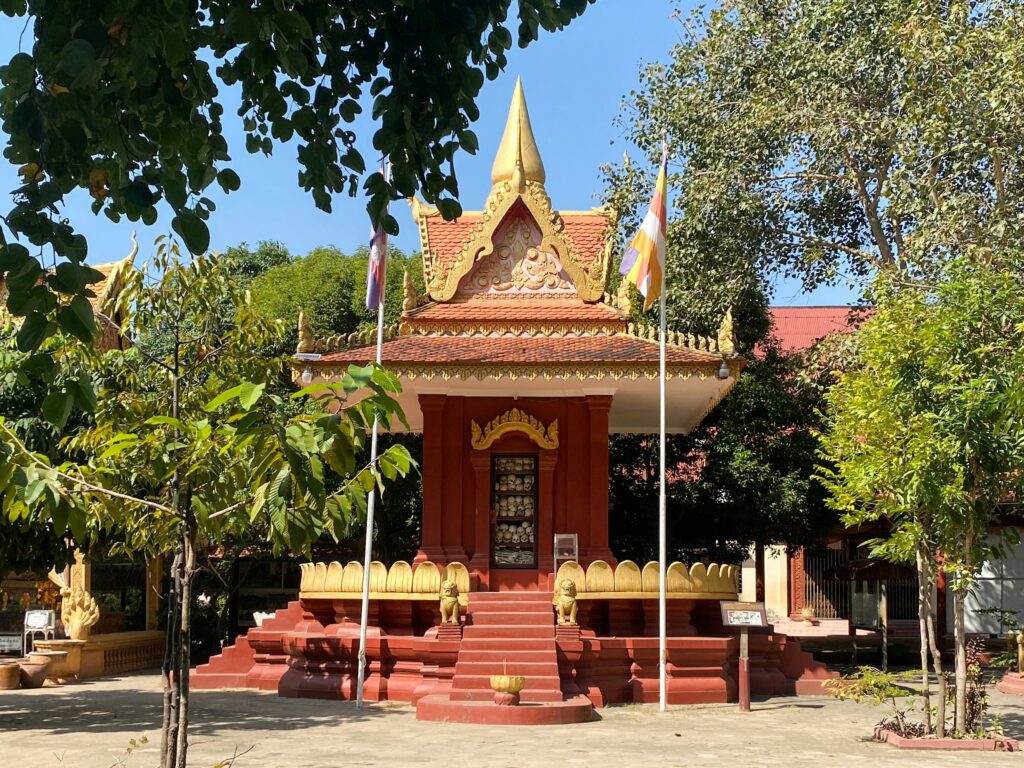
Known as the “rice bowl of Cambodia”, Battambang’s fertile landscapes and traditional villages provide a glimpse into rural life, while its thriving arts scene—from shadow puppet theaters to contemporary galleries—showcases the region’s creative spirit.
Why Visit Battambang?
- Authentic Cambodian culture without mass tourism
- Rich history (French colonial, Khmer Rouge sites)
- Affordable travel (budget-friendly food, lodging, transport)
- Unique experiences (bamboo train, bat caves, circus performances)
Personal Anecdote:
On my first visit to Battambang, I woke at dawn to the sound of monks chanting and the scent of jasmine rice steaming in street-side stalls. The city felt untouched by time—a rare blend of nostalgia and raw, living culture.
Map of Battambang
Planning Your Trip to Battambang
Best Time to Visit
- Dry season (November–April): Ideal for outdoor activities (20–30°C). Cool mornings are perfect for cycling, while evenings are balmy.
- Wet season (May–October): Lush landscapes but occasional flooding. The countryside turns emerald green, and fewer tourists mean lower prices.
Pro Tip: Visit in February for the Battambang Arts Festival, where streets come alive with music, dance, and pop-up galleries.
How to Get There
- From Phnom Penh: 5–6 hours by bus (Giant Ibis, $12). The route passes through scenic villages and rice paddies.
- From Siem Reap: 3–4 hours by bus (Mekong Express, $10). Opt for a morning departure to avoid midday heat.
- By Bamboo Train: A scenic (but bumpy) ride from Sisophon. Not for the faint-hearted!
Where to Stay
| Budget | Mid-Range | Luxury |
|---|---|---|
| Here Be Dragons ($5/night, dorm) – Social hostel with rooftop bar | Classy Hotel ($25/night) – Colonial-style rooms with AC | La Villa ($80/night) – Boutique riverside villa with pool |
Sensory Detail:
At La Villa, the scent of frangipani mingles with the river breeze, and the hum of cicadas lulls you to sleep in four-poster beds draped in mosquito nets.
Pro Tip: Book a riverside guesthouse for sunset views over the Sangkae River.
What to Pack
- Lightweight, breathable clothing (linen or cotton)
- Comfortable walking shoes (for temple climbs)
- Sunscreen & mosquito repellent (DEET-based for wet season)
- Reusable water bottle (tap water is unsafe)
Detailed 3-Day Battambang Itinerary
Day 1: Culture & History
Morning:
– Psar Nat Market: Dive into the chaos of Battambang’s oldest market. Try nom banh chok (rice noodles with fish curry) from a stall near the east entrance. The broth is tangy with lemongrass, topped with crunchy banana blossoms.
– Battambang Provincial Museum: A hidden gem with 9th-century Vishnu statues. The curator, Mr. Sok, shares gripping tales of looted artifacts.
Afternoon:
– Bamboo Train ($5): Ride the norrie (local name) through rice fields. The wind rushes past as you bounce over uneven tracks—hold onto your hat!
– Phnom Sampeau: Climb 700 steps to the Killing Caves, a somber Khmer Rouge site. At dusk, watch 3 million bats spiral from the cave mouth like a living tornado.
Evening:
– Dinner at Jaan Bai: Their amok trey (steamed fish curry) is silky with coconut milk, served in a banana leaf. Book ahead—it’s tiny!
– Phare Ponleu Selpak Circus ($18): Acrobats flip to live drums in a story of Cambodian resilience.
Day 2: Countryside & Art
Morning:
– Cycle through rice paddies ($2/day rental): Pedal past water buffalo and kids shouting “Hello!” Stop at Wat Kor Village to see stilted wooden houses.
– Wat Banan: A 10th-century “mini Angkor Wat” with fewer crowds. The steep stairs reward you with panoramic views.
Afternoon:
– Lunch at Smokin’ Pot: Their lok lak (peppery beef) is legendary. Sit by the river and watch boats drift past.
– Phare Ponleu Selpak Art School: Tour studios where teens paint murals of Cambodian folklore. Buy a $5 sketch to support them.
Evening:
– Sunset at Choco l’Art Café: Sip tamarind margaritas in a garden strewn with recycled-art sculptures.
Day 3: Local Life & Relaxation
Morning:
– Cooking class at Nary Kitchen ($15): Learn to roll spring rolls with Nary, who jokes as she demonstrates. The market tour is a highlight.
– Ek Phnom Temple: A ruined 11th-century sanctuary with tree roots snaking through walls.
Afternoon:
– Boat cruise on the Sangkae River ($10): Glide past floating villages. Bring snacks—vendors sell grilled corn from canoes.
– Colonial architecture walk: Snap photos of faded yellow facades on Street 1.5.
Evening:
– Farewell dinner at La Villa: Their duck à l’orange is a French-Khmer fusion masterpiece.
Want a printable itinerary? Contact us.
Local Transportation Guide
Best Ways to Get Around
- Tuk-tuks ($2–$5 per ride): Drivers like Mr. Vannak (+855 12 345 678) know every hidden wat.
- Bamboo Train ($5): Tourist-only now, but still fun. The original “norries” were used by farmers!
- Bicycle rentals ($1–$2/day): Try Battambang Bike for sturdy mountain bikes.
Pro Tip: Negotiate full-day tuk-tuk tours ($15–$20) for temple hopping.

Budget Considerations
Daily Costs (Per Person)
| Category | Budget | Mid-Range |
|---|---|---|
| Accommodation | $5–$15 | $20–$50 |
| Food | $3–$8 | $10–$20 |
| Transport | $5–$10 | $15–$30 |
| Activities | $5–$15 | $20–$50 |
Money-Saving Tips:
– Eat at Psar Nat Market for $1–$3 meals.
– Share tuk-tuks with other travelers.
Safety & Cultural Etiquette
Dos & Don’ts
✅ Do:
– Dress modestly at temples (cover shoulders/knees).
– Use the sampeah (palms-together greeting).
❌ Don’t:
– Touch someone’s head (considered sacred).
– Point feet at people or Buddha statues.
Cultural Insight:
Cambodians value “sabai sabai” (relaxed harmony). Don’t rush interactions—pause to chat with vendors or monks.
Emergency Numbers:
– Tourist Police: +855 53 952 555
Frequently Asked Questions (FAQs)
1. Is Battambang worth visiting?
Absolutely! It offers authentic Cambodian culture without the crowds of Siem Reap. The bamboo train and bat caves are unforgettable.
2. How many days do I need?
2–3 days is ideal. Add an extra day if you love art or countryside cycling.
3. Is the bamboo train safe?
Yes, but hold on tight—it’s bumpy! The “driver” uses a stick to brake.
4. What’s the best local dish?
Try prahok ktis (fermented fish dip with pork) or banh chao (crispy rice crepes).
5. Can I visit Battambang as a day trip from Siem Reap?
Possible, but not recommended—the 6-hour round-trip is exhausting. Stay overnight to see the bats at dusk.
6. Are credit cards accepted?
Most places are cash-only. ATMs dispense USD (bring small bills for markets).
7. Is Battambang safe for solo travelers?
Very! Locals are friendly, and scams are rare. Avoid walking alone late at night near the river.
Got more questions? Ask us in the comments!
Conclusion: Start Your Battambang Adventure Today!
Battambang is Cambodia’s best-kept secret—a place where history, culture, and natural beauty blend seamlessly. Whether you’re gliding on a bamboo train, marveling at bat-filled sunsets, or savoring street food, this hidden gem promises unforgettable memories.
Don’t wait—book your trip now and experience the real Cambodia!
Keywords:
**”Battambang Cambodia travel guide 2024″ “best things to do in Battambang Cambodia (with prices)” “is Battambang worth visiting? Cambodia hidden gems vs Siem Reap” “Battambang bamboo train ride – cost location and tips for tourists” “where to stay in Battambang: best hotels & guesthouses near the riverfront” “Battambang to Phnom Penh bus – schedule prices and booking” “Battambang street food guide: