
Barranquilla, Colombia’s Epic Carnival, Caribbean Rhythms & Riverfront Energy (2025)
While crowds flock to Cartagena’s colonial walls, Barranquilla delivers authentic, unfiltered Caribbean culture without the premium price tag. For $45 a day, you can feast on fresh seafood by the Magdalena River, dance to live cumbia in a local salsa club, and explore vibrant street art in El Prado. Compare that to Cartagena’s $85+ daily budget, and you’ll see why savvy travelers are choosing Colombia’s Golden Gate for a rhythm-filled, wallet-friendly adventure.
Why Barranquilla, Colombia Stands Out

Green-leafed trees, Barranquilla, Colombia
- Historic Architecture: The 1946 Estadio Romelio Martínez is a national monument and a temple to the city’s deep passion for football, hosting legendary matches and local fervor.
- Cultural Scene: The Barranquilla Carnival, a UNESCO Masterpiece of Oral and Intangible Heritage, explodes for four days each February with parades, music, and elaborate costumes.
- Local Specialties: You must try a hearty plate of *arroz de lisa*, a unique dish of seasoned mullet rice cooked in banana leaves, found at traditional eateries.
Pro Tip: To experience the city’s energy without the Carnival crowds and peak hotel rates, visit during the shoulder seasons of March-May or September-November. The weather is still excellent, and you can often catch rehearsals and pre-Carnaval events where locals practice their dances in the neighborhoods.
Map of Barranquilla, Colombia
Use these interactive maps to explore Barranquilla, Colombia and plan your route:
📍 View Barranquilla, Colombia on OpenStreetMap
🗺️ Open Barranquilla, Colombia in Google Maps
Planning Your Trip: Practical Essentials
Getting There and Around
- By Air: Ernesto Cortissoz International Airport (BAQ) is well-connected with Avianca, LATAM, and low-cost carrier Viva Air. A taxi to the city center takes 20 minutes and costs around 40,000 COP ($10). Book flights at Skyscanner for best deals.
- By Train: Colombia’s passenger rail network is limited. Your best bet for a scenic land route is by bus from major cities like Cartagena (2 hours) or Santa Marta (1.5 hours).
- By Car: Driving from Cartagena via the Troncal del Caribe highway is straightforward. Parking can be challenging in the city center; your hotel may offer secure parking. Compare car rentals at RentalCars.com.
- Local Transport: Use inexpensive, ubiquitous taxis (always insist on the meter or agree on a fare first) or ride-sharing apps like Didi. Local buses are very cheap (approx. 2,500 COP) but less intuitive for visitors.
Best Time to Visit
Barranquilla is hot and humid year-round, but timing your visit around its famous festival or the drier seasons makes a big difference.
| Season | Weather | Highlights |
|---|---|---|
| Dry Season (Dec–Apr) | Hot, 85-95°F (29-35°C), low humidity, minimal rain. | Peak for the world-famous Carnival (usually Feb/Mar). Book accommodation 6+ months in advance. High season prices. |
| Wet Season (May–Nov) | Very hot, 88-93°F (31-34°C), high humidity, frequent afternoon showers. | Lush greenery, fewer tourists, and lower prices. Great for indoor cultural sites and enjoying air-conditioned cafes. |
| Shoulder (Mar–May/Sep–Nov) | Warm, 86-92°F (30-33°C), sporadic rain. | The sweet spot. You avoid the post-Carnival price hangover and the peak rains, enjoying a more local pace with good weather. |
Budgeting for Barranquilla, Colombia

Snow covered field and trees during daytime, Barranquilla, Colombia
| Category | Budget | Mid-range | Luxury |
|---|---|---|---|
| Accommodation | Hostel: 60,000-90,000 COP ($15-22) | 3-star hotel: 180,000-250,000 COP ($45-62) | 5-star hotel: 500,000+ COP ($125+) |
| Meals | Local eatery/street food: 15,000-25,000 COP ($4-6) | Restaurant meal: 35,000-60,000 COP ($9-15) | Fine dining: 100,000+ COP ($25+) |
| Transport | Local bus: 2,500 COP ($0.60) | Taxis (short trips): 8,000-15,000 COP ($2-4) | Private driver: 50,000+ COP/hr ($12+) |
| Activities | Free walking tours, Malecón, window shopping | Museum entry: 10,000-20,000 COP ($2.50-5) | Private Carnival costume fitting, VIP festival tickets |
| Daily Total | 100,000-150,000 COP ($25-38) | 280,000-400,000 COP ($70-100) | 700,000+ COP ($175+) |
Top Attractions and Must-See Sights
| Attraction | Description | Hours | Entry Fee |
|---|---|---|---|
| Museo del Caribe | An immersive, modern museum exploring the entire Caribbean region’s biodiversity, culture, and history—a perfect introduction. | Tue-Fri 8 AM-5 PM, Sat-Sun 9 AM-6 PM | 20,000 COP ($5) |
| El Malecón (Puerto Colombia) | This iconic, recently renovated pier stretching into the Caribbean is the city’s favorite sunset spot for strolling and people-watching. | 24/7 (best visited 4-7 PM) | Free |
| Barrio El Prado | An architectural open-air museum of gorgeous early 20th-century mansions, showcasing Barranquilla’s golden age as a commercial hub. | Always accessible | Free (to walk) |
| Estadio Metropolitano | Feel the city’s football passion on a tour of this massive stadium, home to the Junior team, a source of immense local pride. | Tours by appointment | ~15,000 COP ($3.75) |
3-Day Itinerary: Barranquilla, Colombia’s Highlights & Hidden Gems
Day 1: Culture, History & Riverfront Vibes
- Morning (9 AM): Start at the Museo del Caribe. Spend 2 hours here—don’t miss the Gabriel García Márquez room. Grab a fresh juice from a vendor outside.
- Afternoon (1 PM): Head to the historic Mercado de la Trinidad for lunch at a stall like “Doña Chepa” for authentic *arroz de lisa* (about 18,000 COP). Then, wander the colorful streets of the nearby Barrio Abajo, the birthplace of Cumbia.
- Evening (6 PM): Take a taxi to El Malecón de la 72 along the Magdalena River. Join locals for an evening stroll, then have dinner at Restaurante Cucayo for superb seafood with a view (mains from 35,000 COP).
Day 2: Architecture, Art & Nightlife
- Morning (10 AM): Explore the majestic homes of Barrio El Prado. Look for the Hotel El Prado, a national monument. Stop at Panadería La Francesa (Calle 72) for a classic *bunuelo* and coffee.
- Afternoon (2 PM): Visit the Museo de Arte Moderno de Barranquilla (MAMB) to see works by Fernando Botero and Alejandro Obregón (Entry: 10,000 COP). For lunch, try the *sancocho de costilla* at nearby La Cueva, a historic literary pub.
- Evening (8 PM): Experience Barranquilla’s legendary nightlife. Start with drinks at a rooftop bar like Salón Ghetto, then head to La Troja in Barrio Abajo—a no-frills, authentic salsa and champeta club where dancing is mandatory.
Day 3: Carnival Spirit & Local Markets
- Morning (9 AM): Take a taxi to the Carnaval Museum (Casa del Carnaval) in Barrio Abajo. See the dazzling costumes and learn about the festival’s history (Entry: 15,000 COP). If you’re lucky, a local dance group might be practicing outside.
- Afternoon (1 PM): Have a final feast at Patacón con Todo in the Alto Prado area, famous for its massive, loaded fried plantain dishes (from 22,000 COP). Then, shop for souvenirs at the Centro Comercial Villa Country for local crafts.
- Evening (6 PM): For your last night, enjoy a more relaxed evening at Parque de la Electrificadora, a trendy food park with diverse stalls. Cap it off with a *coco loco* (coconut drink) and live music.
Cultural Insights & Etiquette
- Language: Spanish is essential. Key phrases: “¿A cómo?” (How much?), “¡Qué calor!” (It’s so hot!—a great icebreaker). Locals appreciate any effort.
- Customs: Barranquilleros are famously outgoing and festive. Greet people warmly. During Carnival, expect to be sprayed with foam (*espuma*)—it’s all in good fun. Always ask before taking photos of people in costume.
- Tipping: A 10% tip is standard in sit-down restaurants if service isn’t included. For taxis, rounding up is fine. Tip tour guides 10-15%.
- Dress Code: Casual and light due to the heat. For nightclubs, smart casual is expected (no shorts or sandals for men). During Carnival, wear comfortable shoes you don’t mind getting dirty.
- Business Hours: Shops typically open 9 AM-7 PM, often closing for a midday siesta (1-3 PM). Many places are closed on Sundays.
Where to Eat: Barranquilla, Colombia’s Best Bites
Barranquilla’s cuisine is a hearty mix of Caribbean coast flavors—think coconut rice, fried fish, stews, and tropical fruits. Dining is a social, relaxed affair. Don’t just eat; engage with the vendors and restaurant owners, who love to share stories about their food.
Must-Try Local Specialties
- Arroz de Lisa: The city’s signature dish: seasoned mullet fish with rice, cooked in banana leaves. Find the authentic version at market stalls like those in Mercado de la Trinidad.
- Sancocho de Guandú con Carne Salada: A rich stew of pigeon peas, salted beef, yuca, and plantains. Try it at traditional lunch spots like Comidas Típicas Mi Ranchito.
- Patacón con Todo: A giant, crispy fried green plantain acting as a base for your choice of toppings—shredded beef, chicken, cheese, and sauces. Patacón con Todo (the restaurant) is the go-to.
Restaurant Recommendations by Budget
| Type | Restaurant | Specialty | Price Range |
|---|---|---|---|
| Budget | Mercado de la Trinidad (Various Stalls) | Authentic, no-frills local plates like *arroz de lisa* and *fritos*. | 10,000-20,000 COP ($2.50-5) |
| Mid-range | La Cueva (Carrera 43) | Historic pub with great *sancocho* and literary ambiance—a favorite of Gabriel García Márquez. | 30,000-50,000 COP ($7.50-12.50) |
| Fine dining | Restaurante Cucayo (Malecón de la 72) | Elevated Caribbean seafood with stunning river views. Perfect for a special dinner. | 70,000+ COP ($17.50+) per main |
Where to Stay
Your neighborhood choice defines your Barranquilla experience. El Prado is historic and central, the North is modern and upscale, and the South is authentic and bustling. Compare prices and book at Booking.com or Airbnb for apartments.
Best Neighborhoods for Accommodation
- El Prado/Altos del Prado: The historic heart with beautiful architecture, classic hotels like the Hotel El Prado, and walkable access to many restaurants. Best for first-time visitors and culture lovers.
- North (Riomar, Buenavista): The modern, upscale part of the city with newer malls, international chain hotels, and trendy eateries. Ideal for business travelers or those preferring contemporary comforts.
- Sur (Barrio Abajo, Las Nieves): The soulful, traditional neighborhoods. You’ll find guesthouses and a truly local vibe, right in the cradle of Carnival culture. Best for adventurous travelers seeking deep immersion.

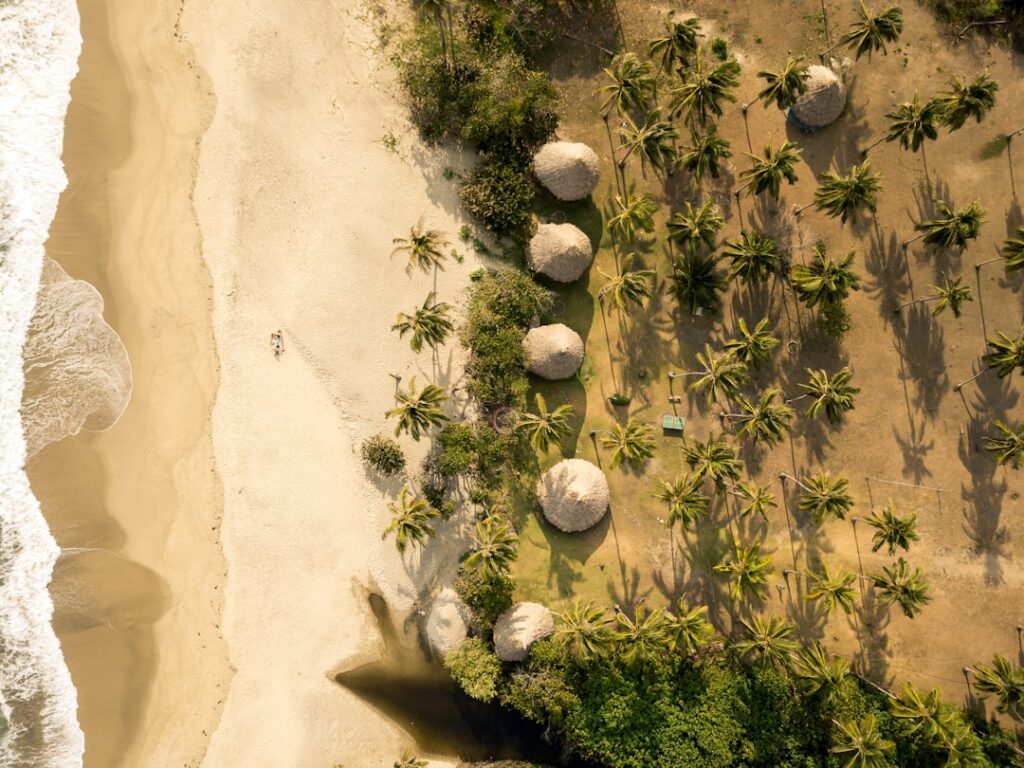
A sandy beach with palm trees and people swimming in the water, Barranquilla, Colombia
FAQs: Your Barranquilla, Colombia Questions Answered
1. Is Barranquilla, Colombia safe at night?
In the main tourist and commercial areas like El Prado, El Malecón, and the northern districts, you’ll generally feel safe at night by using common sense. Stick to well-lit, populated areas, use official taxis or ride-sharing apps, and avoid displaying expensive jewelry or electronics. As in any large city, be more cautious in less familiar neighborhoods after dark.
2. What currency is used and are credit cards accepted?
The Colombian Peso (COP) is the currency. Credit cards (Visa/Mastercard) are widely accepted in hotels, malls, and sit-down restaurants. However, you should always carry cash for markets, street food, taxis, and smaller establishments. ATMs are plentiful; use those inside banks or malls for security.
3. How do I get from the airport to the city center?
Ernesto Cortissoz Airport (BAQ) is close. The most convenient option is an official airport taxi, which has a fixed-fare booth inside arrivals (approx.

