
Barra Honda National Park, Costa Rica: Best Caverns, Vistas & Tropical Dry Forest Secrets (2026)
While crowds flock to the steamy rainforests of Manuel Antonio, Barra Honda National Park delivers a completely different, and often overlooked, Costa Rican ecosystem. Here, in the heart of the Nicoya Peninsula, you’ll find a vast, rolling landscape of tropical dry forest hiding a secret: over 42 subterranean limestone caverns, some plunging more than 240 meters deep. At dawn, the haunting calls of howler monkeys echo across the hills, and the scent of blooming Guapinol trees fills the air. This is Costa Rica from a different, more ancient, perspective.
Why Barra Honda National Park, Costa Rica Stands Out
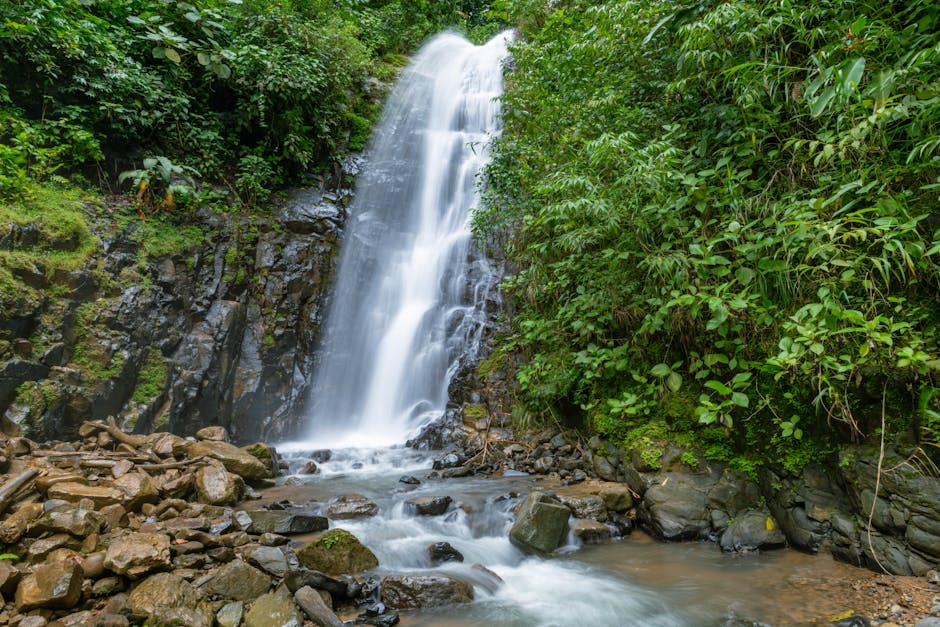
Serene waterfall cascading into rocky pool in Costa Rica’s rainforest., Barra Honda National Park, Costa Rica
- Historic Architecture: The park’s “architecture” is natural, formed over 60 million years when the area was a coral reef, now creating the largest known cave system in Costa Rica.
- Cultural Scene: The annual “Fiestas Civicas” in nearby Nicoya each July feature traditional bullfights, folk dancing, and horse parades, offering a deep dive into authentic *sabanero* (cowboy) culture.
- Local Specialties: You must try a *chorreada*, a sweet, fresh corn pancake often served with *natilla* (sour cream), a staple from local farms surrounding the park.
Pro Tip: The absolute best time to visit is in the early dry season, from late December to February. The forest is lush from recent rains, but the trails are dry and safe. Arrive at the park gate by 7:30 AM to secure a spot on the first guided cave descent of the day and have the surface trails largely to yourself before the heat peaks.
Map of Barra Honda National Park, Costa Rica
Use these interactive maps to explore Barra Honda National Park, Costa Rica and plan your route:
📍 View Barra Honda National Park, Costa Rica on OpenStreetMap
🗺️ Open Barra Honda National Park, Costa Rica in Google Maps
Planning Your Trip: Practical Essentials
Getting There and Around
- By Air: The closest major airport is Daniel Oduber Quirós International Airport (LIR) in Liberia, about a 2-hour drive away. Domestic flights to Nicoya’s small airstrip are limited. Book flights at Skyscanner for best deals.
- By Train: Costa Rica does not have a passenger train network servicing this region.
- By Car: A 4×4 vehicle is highly recommended, especially in the rainy season. From Nicoya, take Route 150 towards Santa Ana, then follow signs to the park. The final 12 km is a rugged, unpaved road. Compare car rentals at RentalCars.com.
- Local Transport: Public buses run from Nicoya to the nearby town of Barra Honda village; from there, you’ll need a taxi (₡15,000-₡20,000 / ~$25-35 USD) to cover the final distance to the park entrance. Organized tours from Tamarindo or Samara often include transport.
Best Time to Visit
The park’s character changes dramatically with the seasons. The dry season (Dec-April) offers golden landscapes and reliable trail access, while the green season (May-Nov) transforms the forest into a lush, vibrant paradise, though some trails may be muddy and cave access can be restricted after heavy rain.
| Season | Weather | Highlights |
|---|---|---|
| Dry Season (Dec–Apr) | Hot, sunny, and dusty (28-35°C / 82-95°F). Virtually no rain. | Guaranteed cave access, excellent wildlife spotting at waterholes, busy with fewer logistical worries. |
| Green Season (May–Nov) | Warm with afternoon showers (26-32°C / 79-90°F). Mornings are often clear. | Stunningly lush scenery, blooming flowers, far fewer visitors, and a more dramatic atmosphere. |
| Shoulder (Late Nov/Early Dec, Apr) | Transitional; warm with sporadic, short rains. | The best of both worlds: good trail conditions, emerging greenery, and moderate crowds. |
Budgeting for Barra Honda National Park, Costa Rica

Stunning aerial view of Arenal Lake with lush greenery in Costa Rica., Barra Honda National Park, Costa Rica
| Category | Budget | Mid-range | Luxury |
|---|---|---|---|
| Accommodation | ₡15,000-₡25,000 ($25-$40) for a hostel or basic *cabina* | ₡40,000-₡70,000 ($65-$115) for a comfortable lodge with A/C | ₡100,000+ ($165+) for an eco-lodge or boutique hotel with guided experiences |
| Meals | ₡5,000-₡8,000 ($8-$13) at a *soda* (local diner) | ₡10,000-₡18,000 ($16-$30) at a restaurant | ₡25,000+ ($40+) for a curated dining experience at a resort |
| Transport | Public bus & shared taxi (₡10,000 / ~$16 total) | Rental 4×4 car (₡35,000-₡50,000 / $55-$80 per day) | Private driver/guided tour transport (₡80,000+ / $130+ per day) |
| Activities | Park entry & surface hiking only (₡6,000 / ~$10) | Park entry + guided cave descent (₡25,000 / ~$40) | Private guided multi-day speleology expedition (₡100,000+ / $165+) |
| Daily Total | ₡30,000-₡45,000 ($50-$75) | ₡80,000-₡130,000 ($130-$215) | ₡200,000+ ($330+) |
Top Attractions and Must-See Sights
| Attraction | Description | Hours | Entry Fee |
|---|---|---|---|
| Terciopelo Cave Descent | The only cave open for public descent, featuring stunning stalactites, a 40-meter rappel, and an otherworldly chamber called “The Organ”. | Descents at 8:00 AM & 1:00 PM (Must reserve) | ₡25,000 (~$40) inc. guide & gear |
| Nicoya Peninsula Overlook (Mirador) | A breathtaking 360-degree panoramic view from the park’s highest point, stretching to the Gulf of Nicoya on clear days. | Accessible during park hours (8 AM – 4 PM) | Included in park fee |
| La Cascada Waterfall Trail | A scenic 3km hike through dry forest to a seasonal waterfall, excellent for spotting white-faced monkeys and coatis. | Accessible during park hours | Included in park fee |
| Santa Ana Cave Exploration (Surface) | Peer into the dramatic 50-meter deep vertical entrance of this cave, a thrilling sight without needing to descend. | Accessible during park hours | Included in park fee |
3-Day Itinerary: Barra Honda National Park, Costa Rica’s Highlights & Hidden Gems
Day 1: Descent into the Depths & Dry Forest Hikes
- Morning (7:30 AM): Arrive at the park entrance, pay the ₡6,000 fee, and check in for your 8:00 AM Terciopelo Cave descent. The 2.5-hour adventure includes a safety briefing, a 40-meter rappel, and exploring magnificent formations.
- Afternoon (12:30 PM): Enjoy a packed lunch at the picnic area. Then, hike the 4km round-trip trail to the **Nicoya Peninsula Overlook**. The climb is steep but rewards you with arguably the best vista in the region.
- Evening (6:00 PM): Head to the town of Nicoya for dinner at **Soda Vicky**, a legendary local spot for massive *casados* (typical plates) for about ₡6,500. Stay at a nearby lodge like **Hotel Nicoya**.
Day 2: Wildlife, Waterfalls & Local Culture
- Morning (7:00 AM): Return to the park for an early wildlife hike on the **La Cascada Trail**. Your best chance to see troops of howler and white-faced monkeys is in the cool morning hours.
- Afternoon (1:00 PM): Drive 30 minutes to the **Pueblo Antiguo** cultural museum near Nicoya. For lunch, stop at **Rancho La Cascada** for fresh *tilapia* (fish) straight from their ponds.
- Evening (5:30 PM): Take a leisurely stroll around Nicoya’s central park and visit the iconic **Church of San Blas**, one of Costa Rica’s oldest colonial churches, built in 1644.
Day 3: Rural Charms & River Relaxation
- Morning (8:00 AM): Drive 45 minutes to the **Rio Ora** area. For about ₡15,000, take a guided horseback ride through private farms and forest, a true *sabanero* experience.
- Afternoon (12:30 PM): Enjoy a rustic lunch at a riverside *soda*. Then, spend a few hours swimming and relaxing in the clear, cool pools of the **Rio Ora**.
- Evening (6:00 PM): For your final dinner, savor wood-fired pizza and local craft beer at **Cactus Bar & Restaurant** in the village of Barra Honda, sharing stories of caves and caverns.
Cultural Insights & Etiquette
- Language: Spanish is essential here. Learn key phrases: “*Buenos días*” (Good morning), “*¿Cuánto cuesta?*” (How much?), “*Gracias*” (Thank you). English is not widely spoken outside of tour operators.
- Customs: Greetings are important. A handshake or a slight nod with “*Buenas*” is standard. Life moves slower (*pura vida*); patience is appreciated.
- Tipping: Not mandatory but welcomed for good service. Tip cave guides ₡5,000-₡10,000 ($8-$16). Round up restaurant bills or leave 10%.
- Dress Code: Modest, practical clothing. For caves, you must wear long pants and closed-toe shoes provided by the park. For towns, casual wear is fine.
- Business Hours: Shops often close for a midday siesta (12 PM – 2 PM). Government offices, including the park, typically operate 8 AM – 4 PM.
Where to Eat: Barra Honda National Park, Costa Rica’s Best Bites
Dining here is about hearty, farm-fresh *comida típica* (typical food). You’ll eat at family-run *sodas*, where the menu is built around rice, beans, fresh cheese, plantains, and whatever meat or fish is local that day. Don’t expect flashy decor—expect authentic flavor.
Must-Try Local Specialties
- Chorreada: A sweet, pancake-like treat made from fresh ground corn, often served with *natilla* (sour cream) or cheese. Best tried at a roadside stall or local market.
- Olla de Carne: A hearty beef and vegetable stew, considered a weekend comfort food. **Soda La Terraza** in Nicoya makes a legendary version on Saturdays.
- Queso Palmito: A fresh, stringy cheese unique to the Nicoya Peninsula, often eaten with tortillas or *ayote* (squash) preserves. Look for it at the **Nicoya Feria** (farmers market) on Saturday mornings.
Restaurant Recommendations by Budget
| Type | Restaurant | Specialty | Price Range |
|---|---|---|---|
| Budget | Soda Vicky (Nicoya) | Giant, flavorful *casados* with all the fixings | ₡5,000-₡7,000 ($8-$12) |
| Mid-range | Rancho La Cascada (Near Park) | Freshly caught *tilapia* served whole with rice and salad | ₡10,000-₡15,000 ($16-$25) |
| Fine dining | El Gustico (Santa Ana area) | Fusion Costa Rican cuisine in a beautiful garden setting | ₡20,000+ ($33+) |
Where to Stay
Accommodations range from basic *cabinas* near the park to comfortable hotels in Nicoya. Staying closer to the park allows for earlier access, while Nicoya offers more amenities and dining. Compare prices and book at Booking.com or Airbnb for apartments.
Best Neighborhoods for Accommodation
- Near the Park Entrance: A handful of rustic lodges and farms offer simple rooms. It’s ideal for serious explorers wanting to beat the crowds, but dining options are very limited. Perfect for self-sufficient travelers.
- Nicoya Town: The cultural and commercial hub, offering a range of hotels, banks, supermarkets, and restaurants. You’ll have a 30-45 minute drive to the park each day, but you’re immersed in local life.
- Surrounding Rural Areas: Scattered eco-lodges and farmstays (*fincas*) offer serene, immersive experiences. This is your best bet for birdwatching and total disconnect, but you’ll need your own transport.

Stunning aerial shot of the lush coastline and turquoise waters of Manuel A…, Barra Honda National Park, Costa Rica
FAQs: Your Barra Honda National Park, Costa Rica Questions Answered
1. Is Barra Honda National Park, Costa Rica safe at night?
The park itself is closed after 4 PM. The towns and rural areas are generally safe, but standard precautions apply: avoid walking alone on unlit roads at night, secure your valuables, and stick to populated areas after dark. Crime rates are low, but petty theft from unattended vehicles can occur.
2. What currency is used and are credit cards accepted?
The Costa Rican Colón (₡) is the official currency. In Nicoya, credit cards (Visa/Mastercard) are accepted at most hotels and larger restaurants. However, at the park entrance, in *sodas*, and for small vendors, you will need cash. ATMs are available in Nicoya.
3. How do I get from the airport to the park?
From Liberia Airport (LIR), your best options are a pre-booked rental car (2-hour drive) or a private shuttle (approx. $120-150 one way). There is no direct public bus. Book airport transfers at <

