
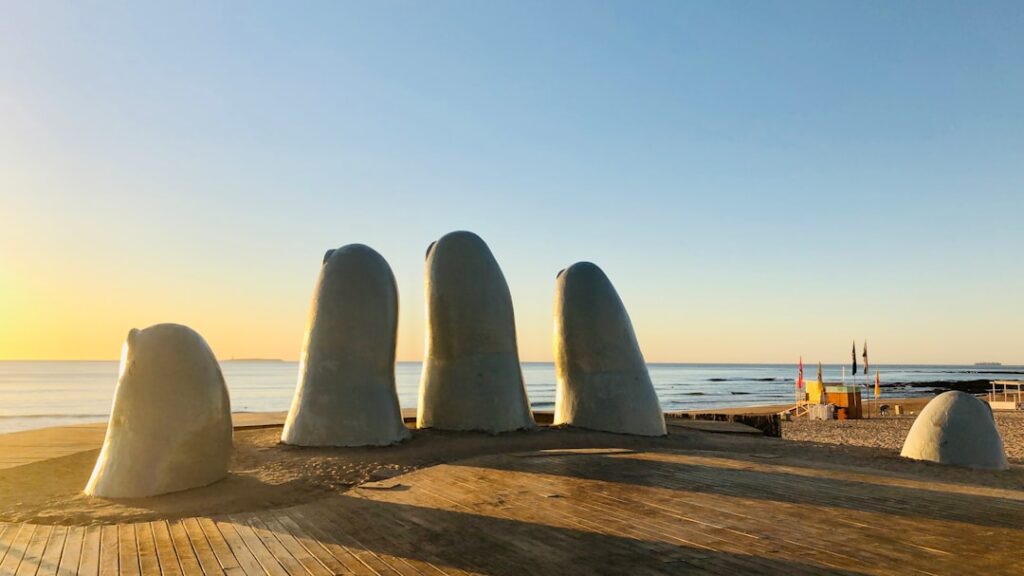
Barra de Valizas, Uruguay’s Hidden Dunes, Starlight & Bohemian Soul (2026)
Ask locals about Uruguay’s coast, and they’ll tell you about the magic of Cabo Polonio, but whisper about the quieter, more authentic magic just south. Barra de Valizas, a village of roughly 200 permanent residents, is where the paved road ends and a different rhythm begins. Here, sand is your sidewalk, horse-drawn carts share the “street” with 4x4s, and the only constant is the Atlantic’s roar. This is not a place you simply visit; it’s a place you experience, a deliberate step away from the modern world.
Why Barra de Valizas, Uruguay Stands Out

A large white building sitting on the side of a road, Barra de Valizas, Uruguay
- Historic Architecture: The iconic, candy-striped lighthouse of Cabo Polonio, built in 1881, stands sentinel over the shifting dunes you’ll cross to reach Barra, a testament to the region’s treacherous maritime history.
- Cultural Scene: The annual Fiesta de la Barra in summer transforms the village with live folk music (candombe and murga), artisan markets, and communal asados under the stars.
- Local Specialties: You must try a hearty chivito al plato, Uruguay’s legendary steak sandwich loaded with toppings, best enjoyed at a rustic parrilla after a day in the elements.
Pro Tip: Visit during the shoulder seasons of March-April or October-November. You’ll enjoy mild, sunny days perfect for hiking, have the massive dunes nearly to yourself, and avoid the summer (December-February) price surges and booked-out lodgings.
Map of Barra de Valizas, Uruguay
Use these interactive maps to explore Barra de Valizas, Uruguay and plan your route:
📍 View Barra de Valizas, Uruguay on OpenStreetMap
🗺️ Open Barra de Valizas, Uruguay in Google Maps
Planning Your Trip: Practical Essentials
Getting There and Around
- By Air: The nearest major airport is Capitán de Corbeta Carlos A. Curbelo International (PDP) in Punta del Este, about a 3-hour drive. From Montevideo’s Carrasco International (MVD), it’s a 4-hour drive. Book flights at Skyscanner for best deals.
- By Train: Uruguay’s passenger rail network is limited. Your best bet is a bus from Montevideo’s Tres Cruces terminal to the town of Rocha (3 hours), then a local bus or taxi to the entrance to Barra de Valizas.
- By Car: Drive east on Route 9 from Montevideo towards Rocha, then follow signs to La Paloma and Valizas. A 4×4 is recommended but not strictly necessary in dry seasons; regular cars park at the entrance, and specialized truck-taxis ferry you the final 7km through dunes to the village (approx. $10 USD per person). Compare car rentals at RentalCars.com.
- Local Transport: Within Barra, you walk. For excursions to Cabo Polonio, you can hike (2.5 hours along the beach), hire a local guide with a 4×4, or take a seasonal boat. Horseback riding is also a popular and authentic way to explore.
Best Time to Visit
Barra de Valizas is a seasonal destination with a dramatic shift in atmosphere. Summer is vibrant and social, while the off-season offers profound solitude and connection with nature.
| Season | Weather | Highlights |
|---|---|---|
| Summer (Dec–Feb) | Warm, 68-82°F (20-28°C), sunny, can be windy. | Lively atmosphere, all services open, festivals, swimming. Expect crowds and higher prices. |
| Winter (Jun–Aug) | Cool, 45-59°F (7-15°C), often rainy and stormy. | Extreme solitude, dramatic Atlantic storms, whale watching (June-Oct), deeply discounted lodging. Many businesses close. |
| Shoulder (Mar–May & Sep–Nov) | Mild, 55-75°F (13-24°C), pleasant and less windy. | Ideal hiking weather, fewer visitors, lower prices, perfect balance of activity and tranquility. |
Budgeting for Barra de Valizas, Uruguay

Uruguayan flag waving against a blue sky., Barra de Valizas, Uruguay
| Category | Budget | Mid-range | Luxury |
|---|---|---|---|
| Accommodation | $25-40 USD (camping, hostel dorm) | $60-100 USD (cabin, private room in posada) | $120+ USD (full-service eco-lodge) |
| Meals | $15 USD (market food, simple parrilla) | $25-35 USD (restaurant meals with wine) | $50+ USD (multi-course seafood feast) |
| Transport | $10 USD (truck-taxi round trip) | $30 USD (4×4 tour to Cabo Polonio) | $100 USD (private guided horseback day) |
| Activities | $0 (hiking, beach, dunes) | $20-40 USD (surf lesson, boat trip) | $80+ USD (private yoga/wellness retreat) |
| Daily Total | $50-65 USD | $115-175 USD | $250+ USD |
Top Attractions and Must-See Sights
| Attraction | Description | Hours | Entry Fee |
|---|---|---|---|
| Hike to Cabo Polonio | A breathtaking 2.5-hour coastal trek over massive dunes to the iconic, off-grid sea lion colony and lighthouse. | Daylight hours recommended | Free (National Park fee for Cabo: ~$3 USD) |
| Cerro de la Buena Vista | Climb this 90-meter dune for a 360-degree panoramic view of the ocean, lagoons, and the entire village. | Sunrise or sunset for best light | Free |
| Laguna de Valizas | A serene freshwater lagoon perfect for birdwatching (flamingos, black-necked swans), kayaking, or a peaceful swim. | All day | Free |
| Playa de la Aguada | The vast, wild beach stretching north, ideal for long solitary walks, surfing, and finding secluded spots. | All day | Free |
3-Day Itinerary: Barra de Valizas, Uruguay’s Highlights & Hidden Gems
Day 1: Arrival & Dune Immersion
- Morning (7-9 AM): Arrive via truck-taxi from the main road, feeling the shift as you bounce over the dunes. Check into your posada and immediately walk to Panadería La Barra for fresh medialunas (croissants) and coffee.
- Afternoon (12-3 PM): Hike up Cerro de la Buena Vista for orientation. For lunch, head to Parador La Boya for their superb pescado del día (catch of the day) right on the beach.
- Evening (6-8 PM): Sunset walk on Playa de la Aguada. For dinner, grab a table at Lo de Tere, a local institution known for its massive milanesas and rustic charm.
Day 2: The Coastal Trek to Cabo Polonio
- Morning (8 AM): Pack water, snacks, and sunscreen. Start the 2.5-hour hike north along the beach to Cabo Polonio. The key is to time your walk with low tide for easier footing.
- Afternoon (12-3 PM): Explore Cabo Polonio. Visit the sea lion colony, climb the lighthouse ($2 USD), and have lunch at Bar Puesto del Faro for simple, hearty food with unbeatable views.
- Evening (6-8 PM): Return to Barra (hike back or arrange a 4×4 pickup in advance). Enjoy a well-earned dinner at Parrilla El Viejo Lobo, savoring a classic chivito and a glass of Tannat wine.
Day 3: Lagoons & Local Life
- Morning (9 AM): Rent a kayak or join a guided tour ($20-30 USD) on the Laguna de Valizas. Paddle quietly to spot waterfowl and enjoy the mirror-like calm.
- Afternoon (12-3 PM): Linger over a long lunch at María Canela, a beloved spot for its creative vegetarian and seafood options. Afterwards, browse the few artisan shops for handmade jewelry and woolens.
- Evening (6-8 PM): Your final sunset. Join locals for a picnic on the dunes with cheese, olives, and a bottle of wine from the pulpería (general store). It’s the perfect, authentic farewell.
Cultural Insights & Etiquette
- Language: Spanish is essential here. Learn basics: “Hola” (Hello), “Gracias” (Thank you), “¿Cuánto cuesta?” (How much?). Locals appreciate the effort immensely.
- Customs: Life is slow and relational. Greet shopkeepers when you enter. Dinner starts late, often after 9 PM. Sharing mate (herbal tea) is a sacred social ritual; only drink if offered.
- Tipping: Not mandatory but appreciated. Round up the bill or leave 10% for good service in restaurants. For tour guides, 10-15% is a nice gesture.
- Dress Code: Utterly casual and practical. Think sturdy sandals, shorts, layers for wind, a wide-brimmed hat, and a swimsuit always at the ready. No need for fancy attire.
- Business Hours: Erratic, especially outside summer. Shops may open late and close for siesta. In winter, many places operate on reduced hours or close completely. Always carry some cash.
Where to Eat: Barra de Valizas, Uruguay’s Best Bites
Dining in Barra is about hearty, straightforward fuel for adventure, with a surprising focus on fresh seafood and, of course, expertly grilled meat. Don’t expect extensive menus; expect quality ingredients cooked with care.
Must-Try Local Specialties
- Chivito al Plato: Uruguay’s national sandwich deconstructed on a plate: thin steak, ham, cheese, egg, olives, mayo, and fries. Try it at any parrilla.
- Pescado a la Parrilla: Whole fish, often corvina or brótola, simply grilled over wood fire. Parador La Boya does this to perfection.
- Milanesa: A breaded, fried cutlet (beef or chicken) that’s a comfort food staple. Lo de Tere serves arguably the best in town.
Restaurant Recommendations by Budget
| Type | Restaurant | Specialty | Price Range |
|---|---|---|---|
| Budget | Lo de Tere (Central village) | Hearty, home-style Uruguayan classics and massive portions | $10-15 USD |
| Mid-range | María Canela (Near the lagoon) | Creative, fresh dishes with vegetarian options and great seafood | $20-30 USD |
| Fine dining | Parador La Boya (On the beach) | Fresh grilled fish and seafood with stunning oceanfront views | $30-45 USD |
Where to Stay
Accommodation ranges from rustic hostels to comfortable eco-cabins. Book well in advance for summer. Compare prices and book at Booking.com or Airbnb for apartments.
Best Neighborhoods for Accommodation
- Village Center: Close to the main path, shops, and restaurants. Convenient and social, but can be noisier in peak season. Ideal for first-timers.
- Near the Dunes/Lagoon: Offers more privacy, stunning views, and direct access to nature. A slightly longer walk to services. Perfect for couples and solitude-seekers.
- Beachfront: A handful of posadas sit right on Playa de la Aguada. You pay for the unparalleled access to sunrise and the sound of waves. Best for those who prioritize the beach above all.

A beach with a city in the background, Barra de Valizas, Uruguay
FAQs: Your Barra de Valizas, Uruguay Questions Answered
1. Is Barra de Valizas, Uruguay safe at night?
Extremely safe. Crime is virtually nonexistent in this small, close-knit community. The main “hazards” are walking in deep sand in the dark and the occasional curious cow. Standard precautions with your belongings are always wise, but you can wander freely at all hours.
2. What currency is used and are credit cards accepted?
The Uruguayan Peso (UYU) is the official currency. Due to the remote nature of Barra, cash is KING. Many places do not accept credit cards, or systems fail due to spotty satellite internet. Withdraw sufficient cash in Rocha, Montevideo, or Punta del Este before arriving. Some higher-end lodges may accept cards.
3. How do I get from the airport to the village?
From Carrasco International (MVD), take a bus to Montevideo’s Tres Cruces terminal (30 min), then a COT bus to Rocha (3 hrs). From Rocha, a local bus or taxi goes to the entrance of Barra de Valizas. The final leg is via mandatory truck-taxi (7km through dunes, ~$10 USD). Pre-booking a private transfer from Montevideo is easier. Book airport transfers at GetYourGuide for convenience.
4. Do I need to speak the local language?
Yes, basic Spanish is very helpful. English is not widely spoken here. Learning key phrases for food, directions, and prices will greatly enhance your experience and is seen as a sign of respect. A translation app can be a lifesaver.
5. What’s the appropriate dress code?
Think “functional bohemian.” You’ll live in swimwear, shorts, tank tops, and sandals. A warm layer for cool nights and a windbreaker are essential. A hat, sunglasses, and high-SPF sunscreen are non-negotiable. Leave formal shoes and dresses at home.
Final Thoughts: Barra de Valizas, Uruguay Awaits
Barra de Valizas is not for every traveler. It’s for those who find beauty in simplicity, who value a stunning landscape over luxury amenities, and who understand that getting “off the grid” is the whole point. You come here to hike breathtaking coasts, to fall asleep to the sound

