
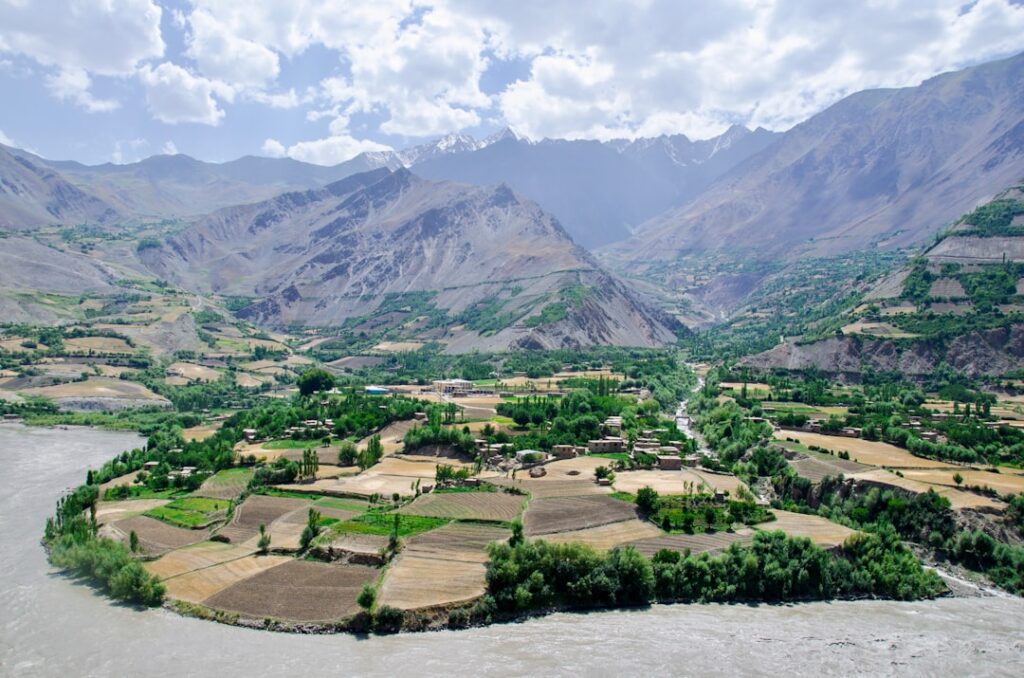
Band-e Amir National Park, Afghanistan: Ultimate Azure Lakes, Ancient Legends & Himalayan Vistas (2026)
Sunrise over Band-e Haibat, the largest of the six sapphire lakes, reveals a spectacle of light and color found nowhere else on the Tibetan Plateau. The first rays hit the 10-meter-high travertine dam, turning the mineral-rich waters from deep indigo to a startling, luminous turquoise. The only sounds are the wind whispering through the 3,000-meter-high Hindu Kush and the distant call of a shepherd. This is Afghanistan’s first and only national park, a place of profound geological wonder and resilient beauty.
Why Band-e Amir National Park, Afghanistan Stands Out

Green grass field and mountains under blue sky during daytime, Band-e Amir National Park, Afghanistan
- Historic Architecture: The 13th-century Shahr-e Zohak (Red City) fortress ruins, perched on a crimson cliff, offer silent testimony to the region’s strategic importance on the ancient Silk Road.
- Cultural Scene: Experiencing the simple, nomadic lifestyle of the local Hazara people, who have herded sheep in this stark landscape for centuries, provides a profound cultural connection.
- Local Specialties: You must try fresh, creamy *qaimaq* (clotted cream) served with warm, unleavened *naan* bread, often shared as a gesture of hospitality by local herders.
Pro Tip: Your best bet for perfect conditions is late May to early June. The winter snowmelt has filled the lakes to their most brilliant blue, the wildflowers are in bloom, and the harsh summer heat hasn’t yet set in. Arrive at any lake by 6:00 AM to have the mesmerizing mirror-like reflections completely to yourself before any day-trippers arrive from Bamiyan.
Map of Band-e Amir National Park, Afghanistan
Use these interactive maps to explore Band-e Amir National Park, Afghanistan and plan your route:
📍 View Band-e Amir National Park, Afghanistan on OpenStreetMap
🗺️ Open Band-e Amir National Park, Afghanistan in Google Maps
Planning Your Trip: Practical Essentials
Getting There and Around
- By Air: The main gateway is Kabul International Airport (KBL). From there, you’ll need to travel overland to Bamiyan. Book flights at Skyscanner for best deals.
- By Train: Afghanistan has no passenger railway network serving this region. All travel is by road.
- By Car: The journey from Kabul to Bamiyan (the base town) is a 6-8 hour drive on mountainous roads. A 4×4 with a experienced local driver is non-negotiable. From Bamiyan, Band-e Amir is a further 1.5-hour drive west. Compare car rentals at RentalCars.com for options in Kabul, but hiring a driver/vehicle as a package through a local tour operator is the standard and safest practice.
- Local Transport: Within the park, your own vehicle is essential. There is no public transport between the six scattered lakes. Some travelers hire a jeep and driver in Bamiyan for a full-day tour (approx. $60-$100).
Best Time to Visit
The park’s high-altitude desert climate dictates a very narrow ideal visiting window. Summers are short and warm, while winters are brutally cold and inaccessible due to snow blocking the roads.
| Season | Weather | Highlights |
|---|---|---|
| Summer (Jun–Aug) | Warm days (20-25°C/68-77°F), cool nights, very low rainfall. Intense sun. | All access roads are open. Best for clear skies and photography. Can be dusty. |
| Winter (Dec–Feb) | Extremely cold (-15 to -25°C/5 to -13°F). Heavy snow. Roads impassable. | The park is essentially closed. Access is dangerous and not recommended. |
| Shoulder (May & Sep–Oct) | Pleasant days (10-20°C/50-68°F), freezing nights. Unpredictable weather in late fall. | May is prime for wildflowers and full lakes. September offers fewer visitors and golden landscapes. |
Budgeting for Band-e Amir National Park, Afghanistan

Green grass field and mountain under blue sky during daytime, Band-e Amir National Park, Afghanistan
| Category | Budget | Mid-range | Luxury |
|---|---|---|---|
| Accommodation | $10-$20 (Basic homestay in Bamiyan) | $40-$70 (Local guesthouse or hotel in Bamiyan) | $100+ (Full-service tour package from Kabul) |
| Meals | $5-$10 (Local eateries, kebabs, rice) | $15-$25 (Restaurant meals in Bamiyan) | $30+ (Arranged meals on a guided tour) |
| Transport | $15/day (Shared taxi to Bamiyan from Kabul) | $60-$100 (Private 4×4 & driver for day trip from Bamiyan) | $300+ (Private driver/guide from Kabul for multi-day) |
| Activities | Free (Hiking, lake viewing) | $5-$10 (Entry donation, small boat ride on a lake) | $50+ (Guided hiking, cultural visits) |
| Daily Total | $30-$45 | $120-$200 | $500+ |
Top Attractions and Must-See Sights
| Attraction | Description | Hours | Entry Fee |
|---|---|---|---|
| Band-e Haibat (Lake of Awe) | The largest and most famous lake, with a stunning travertine dam you can walk across for panoramic views. | Sunrise to Sunset | ~$3 Donation |
| Band-e Zulfiqar (Lake of the Sword) | Known for its deep, narrow shape and incredibly clear, deep-blue water, perfect for reflection photos. | Sunrise to Sunset | ~$3 Donation |
| Band-e Panir (Lake of Cheese) | A smaller, intimate lake with unique, cheese-like travertine formations along its edges. | Sunrise to Sunset | ~$3 Donation |
| Shahr-e Zohak (Red City) | The dramatic ruins of a 12th-13th century fortress guarding the entrance to the Bamiyan Valley, en route from Bamiyan. | Daylight Hours | ~$2 Donation |
3-Day Itinerary: Band-e Amir National Park, Afghanistan’s Highlights & Hidden Gems
Day 1: Arrival & Bamiyan Valley Foundations
- Morning (7-9 AM): Depart Kabul early with your pre-arranged driver. The 6-hour journey to Bamiyan is part of the adventure, winding through the dramatic Hajigak Pass.
- Afternoon (12-3 PM): Stop for a simple lunch of *mantu* (steamed dumplings) at a roadside chaikhana in the town of Sayghan. Arrive in Bamiyan and check into your guesthouse.
- Evening (6-8 PM): Visit the empty niches of the Giant Buddhas for sunset—the light turns the cliffs a fiery gold. Enjoy dinner at **Bamiyan Restaurant** for a hearty *ashak* (leek-filled pasta).
Day 2: The Lakes of Band-e Amir
- Morning (7 AM): Depart Bamiyan for Band-e Amir (1.5 hrs). Head straight to **Band-e Haibat** to see the lake in the morning light. Walk across the natural dam.
- Afternoon (12-3 PM): Drive to **Band-e Zulfiqar** for the most vivid blue waters. Local boys may offer short, simple boat rides ($5) for a unique perspective. Enjoy a picnic lunch by the shore (pack supplies from Bamiyan).
- Evening (6-8 PM): Visit **Band-e Panir** as the afternoon shadows grow long. Return to Bamiyan for dinner at **Silk Road Hotel**, known for its *kabuli palau* (rice with lamb and carrots).
Day 3: Culture & Return
- Morning (8 AM): Explore the ancient **Shahr-e Zohak** fortress on your way out of the valley. The climb is steep but rewards with unparalleled views.
- Afternoon (12 PM): Visit the fascinating **Bamiyan Cultural Centre** to understand the region’s history. Have a final lunch at a local home, arranged by your guesthouse, to taste authentic home cooking.
- Evening (2 PM): Begin the return journey to Kabul, arriving by nightfall.
Cultural Insights & Etiquette
- Language: The local language is Dari (Persian). Key phrases: *Salam* (Hello), *Tashakor* (Thank you), *Man az… am* (I am from…). Basic English is understood by some in the tourism sector.
- Customs: Always ask permission before photographing people, especially women. Hospitality is sacred; if offered tea or food, it is polite to accept at least a little. Use your right hand for eating and handing/receiving items.
- Tipping: Not universally expected but greatly appreciated for good service. For a driver/guide, 5-10% of the total trip cost is a generous gesture.
- Dress Code: Conservative dress is essential. Men should wear long trousers. Women must wear a headscarf, loose-fitting clothing covering arms and legs. This is respectful and practical.
- Business Hours: Shops and sites operate from roughly 8 AM to 5 PM. Friday is the Muslim day of prayer, so some services may be limited.
Where to Eat: Band-e Amir National Park, Afghanistan’s Best Bites
Dining here is about hearty, simple sustenance. In Bamiyan, you’ll find small local restaurants; at the lakes themselves, options are limited to maybe a small chaikhana (tea house) or your own picnic. The cuisine is centered on rice, bread, dumplings, and grilled meats, reflecting the rugged environment.
Must-Try Local Specialties
- Bamiyan Potato: A famous local variety, often boiled or added to stews. They’re known for their unique flavor due to the high-altitude soil.
- Ashak: Scallion or leek-filled dumplings topped with a minty yogurt sauce and minced meat. A Bamiyan specialty.
- Qaimaq with Naan: The ultimate local snack. Thick, slightly sour clotted cream spread on fresh, warm flatbread, often drizzled with a bit of honey or jam.
Restaurant Recommendations by Budget
| Type | Restaurant | Specialty | Price Range |
|---|---|---|---|
| Budget | Local Chaikhana (Bamiyan Bazaar) | Green tea, kebabs, simple rice dishes | $3-$7 per meal |
| Mid-range | Bamiyan Restaurant (Central Bamiyan) | Ashak, mantu, and grilled chicken | $8-$15 per meal |
| Fine dining | Silk Road Hotel Restaurant (Bamiyan) | The best kabuli palau in town, in a clean, comfortable setting | $10-$20 per meal |
Where to Stay
All accommodation is in the town of Bamiyan, about 1.5 hours from the lakes. Options range from basic homestays to comfortable, locally-run hotels. There is no lodging within the national park itself. Compare prices and book at Booking.com or Airbnb for apartments, though many places in Bamiyan are best booked directly or through a tour operator.
Best Neighborhoods for Accommodation
- Central Bamiyan (near the bazaar): The most convenient location with easy access to restaurants, shops, and transport. It can be a bit dusty and noisy. Best for independent travelers.
- Quiet outskirts near the Buddha Cliffs: Several guesthouses here offer stunning views and tranquility. You’ll need to walk or take a short ride to the center. Ideal for photographers and those seeking peace.

A rocky mountain with a blue sky, Band-e Amir National Park, Afghanistan
FAQs: Your Band-e Amir National Park, Afghanistan Questions Answered
1. Is Band-e Amir National Park, Afghanistan safe at night?
Travelers do not stay in the park at night. You will be based in Bamiyan town. Safety conditions in Afghanistan are fluid and can change rapidly. It is absolutely critical to consult your government’s travel advisories, hire a reputable local guide/driver with extensive knowledge of the current situation, and travel with a registered tour operator who understands the local dynamics. Never travel alone or at night on the roads.
2. What currency is used and are credit cards accepted?
The currency is the Afghan Afghani (AFN). Carry ample cash in small denominations, as credit cards are virtually useless outside of major hotels in Kabul. ATMs are unreliable in Bamiyan. Exchange money in Kabul before you depart. US dollars are sometimes accepted but not guaranteed.
3. How do I get from the airport to the city center?
From Kabul Airport (KBL), you will need to arrange transport to Bamiyan, which is a full-day journey, not just to a city center. This is not a typical taxi ride. Your best bet is to have a tour operator pre-arrange a trusted driver with a suitable 4×4 vehicle to meet you at the airport. Book airport transfers at GetYourGuide for convenience in other destinations, but for Afghanistan, specialized local operators are essential.
4. Do I need to speak the local language?
It is not required but is immensely helpful. Your driver/guide will translate. Learning a few basic Dari phrases (greetings, thank you, numbers) will deeply enrich your interactions and is seen as a sign of great respect by locals.
5. What’s the appropriate dress code?
Conservative, loose-fitting clothing is mandatory. For women: a headscarf (hijab) covering the hair, long sleeves, and a long skirt or loose trousers. For men: long trousers and shirts. Avoid tight-fitting clothes. This is non-negotiable for cultural respect and your own comfort.
Final Thoughts: Band-e Amir National Park, Afghanistan Awaits
Band-e Amir is not a casual destination; it is a journey for the intentional traveler. It rewards you with a vision of sublime natural beauty forged by minerals and time, set within a landscape of profound history and human resilience. The experience is as much about the majestic, silent lakes as it is about the warmth of the Hazara people who call this starkly beautiful place home. For those who venture here with respect and preparation, the memory of those impossible blue waters, cradled by the bare bones of the Hindu Kush, will remain etched

