
Bajawa, Indonesia’s Essential Volcanoes, Megaliths & Ancient Ngada Culture (2026)
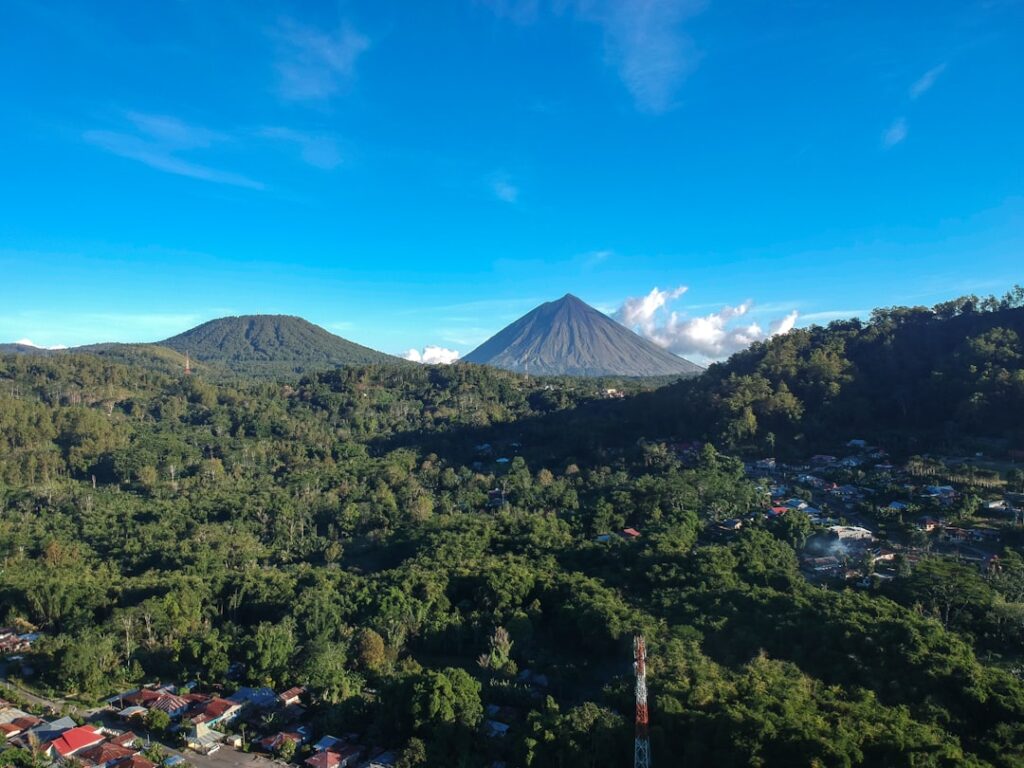
While crowds flock to Bali’s beaches, Bajawa, the highland heart of Flores, delivers a raw, authentic encounter with Indonesia’s volcanic soul and living traditions. Here, you’ll navigate a landscape sculpted by fire, where 17 conical volcanoes pierce the sky and ancient stone megaliths stand guard over villages unchanged for centuries. The air is crisp, the coffee is legendary, and the welcome is genuine—this is Indonesia at its most elemental and profound.
Why Bajawa, Indonesia Stands Out

Stunning view of the modern Grand Mosque in Bandung, West Java, Indonesia., Bajawa, Indonesia
- Historic Architecture: The traditional Ngada villages, like Bena and Wogo, feature unique thatched-roof clan houses (bhaga and ngadhu) and megalithic stone altars, representing a social and spiritual structure dating back over 1,200 years.
- Cultural Scene: Witness the Reba festival, a massive annual thanksgiving ceremony held between December and February, featuring days of ritual dances, sacrificial buffalo, and the communal drinking of tuak (palm wine).
- Local Specialties: You must try a cup of Flores Arabica coffee, grown on the volcanic slopes around Bajawa; it’s known for its low acidity, full body, and spicy, earthy notes, often served thick and black.
Pro Tip: The absolute best time to visit is during the dry season from May to September. For the clearest volcano views and coolest trekking conditions, aim for July or August. Avoid the peak of the rainy season in January and February when trails can be slippery and cloud cover is persistent.
Map of Bajawa, Indonesia
Use these interactive maps to explore Bajawa, Indonesia and plan your route:
📍 View Bajawa, Indonesia on OpenStreetMap
🗺️ Open Bajawa, Indonesia in Google Maps
Planning Your Trip: Practical Essentials
Getting There and Around
- By Air: The nearest airport is Turelelo Soa Airport in Bajawa (BJW), with limited flights from Kupang on Wings Air. Most travelers fly into Komodo Airport in Labuan Bajo (LBJ) and take a 6-8 hour scenic drive east. Book flights at Skyscanner for best deals.
- By Train: There are no train services on Flores Island. Overland travel is by car or bus.
- By Car: Renting a car with a driver is the most practical and recommended way to explore. The Trans-Flores Highway connects Bajawa to Ruteng and Ende. Roads are winding but paved. Compare car rentals at RentalCars.com.
- Local Transport: Within Bajawa town, bemos (minivans) and ojeks (motorcycle taxis) are common. For visiting villages and sights, hiring a car and driver for the day (approx. 600,000 – 800,000 IDR) is your best bet.
Best Time to Visit
Bajawa enjoys a cooler highland climate. The dry season offers optimal conditions for trekking and photography, while the rainy season brings lush greenery but more challenging travel.
| Season | Weather | Highlights |
|---|---|---|
| Dry Season (May–Sep) | Sunny, warm days (22-28°C), cool nights, minimal rain. | Perfect for volcano hikes, clear views, cultural tours; peak tourist season. |
| Rainy Season (Dec–Feb) | Frequent heavy showers, humid, temperatures 20-26°C. | Lush landscapes, the vibrant Reba festival; fewer tourists but slippery trails. |
| Shoulder (Mar–Apr/Oct–Nov) | Mix of sun and short showers, pleasant temperatures. | Good value, fewer crowds, landscapes are green; a balanced time to visit. |
Budgeting for Bajawa, Indonesia

Aerial view of the historic Jam Gadang clock tower amidst Bukittinggi’s vib…, Bajawa, Indonesia
| Category | Budget | Mid-range | Luxury |
|---|---|---|---|
| Accommodation | 150,000 – 300,000 IDR (homestay) | 400,000 – 800,000 IDR (local hotel) | 1,200,000+ IDR (boutique lodge) |
| Meals | 25,000 – 50,000 IDR (warung) | 60,000 – 150,000 IDR (restaurant) | 200,000+ IDR (resort dining) |
| Transport | 20,000 IDR (ojek/bemo trip) | 600,000 IDR/day (car+driver) | Private tour packages |
| Activities | Donation to villages (10,000-50,000 IDR) | Guided trek (200,000-400,000 IDR) | Multi-day cultural tours |
| Daily Total | 200,000 – 400,000 IDR | 1,200,000 – 1,800,000 IDR | 2,500,000+ IDR |
Top Attractions and Must-See Sights
| Attraction | Description | Hours | Entry Fee |
|---|---|---|---|
| Bena Traditional Village | A stunning UNESCO-nominated Ngada village with two rows of traditional houses, megalithic tombs, and stone shrines overlooking Mount Inerie. | Daylight hours | Donation ~20,000 IDR |
| Mount Inerie Volcano | Trek to the summit (2,245m) of this perfectly conical active volcano for a breathtaking sunrise over the Bajawa caldera. | Start trek ~3 AM | Guide fee ~300,000 IDR |
| Mengeruda Hot Springs | Soak in naturally heated volcanic pools with stunning views, a perfect reward after a long trek or drive. | 8 AM – 5 PM | 15,000 IDR |
| Aimere & Blue Stone Beach | Visit the local arak (palm spirit) distillers in Aimere, then see the unique turquoise-hued stones at nearby Blue Stone Beach. | Daylight hours | Free (distillery tour by donation) |
3-Day Itinerary: Bajawa, Indonesia’s Highlights & Hidden Gems
Day 1: Ancient Villages & Volcanic Vistas
- Morning (7-9 AM): Depart early for Bena Traditional Village. Arrive as the morning mist lifts off Mount Inerie for phenomenal photos. Explore the megaliths with a local guide (tip 50,000 IDR).
- Afternoon (12-3 PM): Drive to the Wogo traditional village, less visited than Bena but equally impressive. For lunch, stop at Rumah Makan Family in Bajawa town for their signature Ayam Rica-Rica (spicy chicken).
- Evening (6-8 PM): Relax at the Mengeruda Hot Springs as the sun sets. Enjoy dinner at Bajawa Bakery & Restaurant, known for its fresh bread and hearty local soups.
Day 2: Summit Chase & Coffee Culture
- Morning (3-10 AM): Start a pre-dawn guided trek up Mount Inerie (cost ~300,000 IDR per person). The challenging 3-4 hour ascent rewards you with a sunrise above the clouds. Savvy visitors know to pack warm layers—the summit is cold.
- Afternoon (12-3 PM): Recover with a late lunch at Kopi Mane, a local coffee shop, sampling their famous Bajawa brew. Then, visit a nearby coffee plantation to see the process from bean to cup.
- Evening (6-8 PM): Enjoy a relaxed dinner at your hotel or try Warung Ikan Bakar Jembatan near the bridge for fresh grilled fish.
Day 3: Local Crafts & Distillery Discovery
- Morning (8 AM): Hire a driver to Aimere (1.5-hour drive). Tour the traditional arak distilleries and learn how palm sap is transformed into spirit. A small bottle costs around 50,000 IDR.
- Afternoon (12-3 PM): Visit the unique Blue Stone Beach to see the colored stones. Have lunch at a simple local warung in Aimere serving Nasi Campur (mixed rice).
- Evening (6-8 PM): Return to Bajawa for a final feast at Pia’s Cafe, a traveler favorite for its Western and Indonesian fusion dishes and cozy atmosphere.
Cultural Insights & Etiquette
- Language: Bahasa Indonesia is the national language. In Ngada villages, local languages are spoken. Key phrases: “Terima kasih” (Thank you), “Selamat pagi” (Good morning), “Boleh foto?” (May I take a photo?).
- Customs: Always ask for permission before entering a village area or taking photographs of people, especially elders. It is respectful to use your right hand for giving and receiving items.
- Tipping: Not mandatory but appreciated. For guides, 50,000-100,000 IDR per day is generous. Round up taxi fares or leave small change at restaurants.
- Dress Code: Modesty is key, especially in traditional villages. Cover shoulders and knees. When visiting megalithic sites, behave respectfully as they are sacred spaces.
- Business Hours: Shops open from 8 AM to 5 PM. Many close for a midday break. Government offices operate Monday-Friday. Major holidays like Eid al-Fitr can see widespread closures.
Where to Eat: Bajawa, Indonesia’s Best Bites
Dining in Bajawa is a humble, hearty affair. You’ll find simple warungs (food stalls) serving incredibly flavorful local fare, with a focus on fresh vegetables, free-range chicken, and volcanic-grown coffee. Don’t expect fancy decor—the taste is the true luxury here.
Must-Try Local Specialties
- Ayam Gula Aren: Chicken cooked in rich, sweet palm sugar sauce, often found at local warungs. Try it at Rumah Makan Pondok Hijau.
- Jagung Bose: A savory maize porridge cooked with peanuts and kidney beans, a Flores staple. Best sampled in a village homestay.
- Kopi Bajawa: The region’s famous arabica coffee, served thick (tubruk) or filtered. Kopi Mane and Bajawa Bakery are top spots.
Restaurant Recommendations by Budget
| Type | Restaurant | Specialty | Price Range |
|---|---|---|---|
| Budget | Warung Ikan Bakar Jembatan (near the bridge) | Fresh grilled fish & sambal | 25,000 – 60,000 IDR |
| Mid-range | Bajawa Bakery & Restaurant (Jl. Diponegoro) | Bakery goods, soups, local mains | 50,000 – 150,000 IDR |
| Fine dining | Pia’s Cafe (Jl. Ahmad Yani) | Fusion cuisine, pasta, great coffee | 80,000 – 250,000 IDR |
Where to Stay
Accommodation ranges from basic homestays to a few comfortable hotels and one exceptional boutique eco-lodge. Most places are centrally located in Bajawa town, making exploration easy. Compare prices and book at Booking.com or Airbnb for apartments.
Best Neighborhoods for Accommodation
- Central Bajawa (Jl. Ahmad Yani/Diponegoro): The main hub with most restaurants, shops, and transport options. Convenient for everything, but can be a bit noisy. Suits first-time visitors and budget travelers.
- Outskirts near Hot Springs: A quieter area closer to nature and the Mengeruda Hot Springs. Requires transport to town. Ideal for those seeking tranquility and proximity to trekking.
- Traditional Village Homestays (e.g., Bena): For a truly immersive cultural experience. Facilities are very basic (shared bathroom, no hot water), but the opportunity is priceless. Suits adventurous travelers.

Wide view of the modern Jakarta International Stadium on a sunny day, Bajawa, Indonesia
FAQs: Your Bajawa, Indonesia Questions Answered
1. Is Bajawa, Indonesia safe at night?
Bajawa is generally very safe. Violent crime is rare. As in any place, exercise common sense: avoid poorly lit areas alone late at night, keep valuables secure, and be aware of your surroundings. The main concern for travelers is road safety on winding mountain roads after dark.
2. What currency is used and are credit cards accepted?
The Indonesian Rupiah (IDR) is the currency. Carry ample cash, as credit cards are only accepted at a few higher-end hotels and restaurants in Bajawa. ATMs are available in town but can sometimes run out of cash. Smaller villages and warungs are cash-only.
3. How do I get from the airport to the city center?
From Turelelo Soa Airport (BJW), the town center is only about a 10-minute drive. Your best bet is to pre-arrange a pickup with your hotel or take an ojek (motorcycle taxi) for around 30,000 IDR. If arriving via Labuan Bajo, you’ll need a pre-booked private transfer or shuttle bus (6-8 hours). Book airport transfers at GetYourGuide for convenience.
4. Do I need to speak the local language?
Not necessarily. Basic Bahasa Indonesia is helpful, especially with drivers and in villages, but many people in the tourism industry speak some English. Learning a few key phrases (hello, thank you, how much) is always appreciated and enhances your experience.
5. What’s the appropriate dress code?
Dress modestly and for variable weather. Pack light layers for cool mornings and evenings, and sturdy shoes for trekking. In traditional villages, clothing that covers shoulders and knees is mandatory as a sign of respect. A light rain jacket is wise year-round.
Final Thoughts: Bajawa, Indonesia Awaits
Bajawa is not a destination of luxury resorts or curated Instagram backdrops. It is a journey into the rugged, spiritual, and breathtakingly beautiful heart of Flores. Here, you trade beach loungers for volcanic ridges, souvenir shops for ancient megaliths, and tourist crowds for the profound hospitality of the Ngada people. Your visit directly supports these living cultures. Come for the volcanoes, but you’ll leave with a deeper understanding of Indonesia’s soul. Don’t miss the simple ritual of sharing a

