
Bắc Hà, Vietnam’s Incredible Highland Markets, Hmong Culture & Terraced Vistas (2026)
While thousands of travelers crowd the Sunday market in Sapa, just 75 kilometers away, the true heart of the northern highlands beats in Bắc Hà. Every Sunday, over 10,000 people from a dozen different ethnic groups converge here, not for tourists, but for a centuries-old ritual of trade, socializing, and tradition. The air is thick with the scent of simmering *thắng cố* (horse meat stew), the chatter of Flower Hmong in dazzling indigo and embroidered jackets, and the lowing of buffalo being traded in dusty pens. This is Vietnam’s most authentic and spectacular highland market, a living tapestry where the journey is as breathtaking as the destination itself.
Why Bắc Hà, Vietnam Stands Out
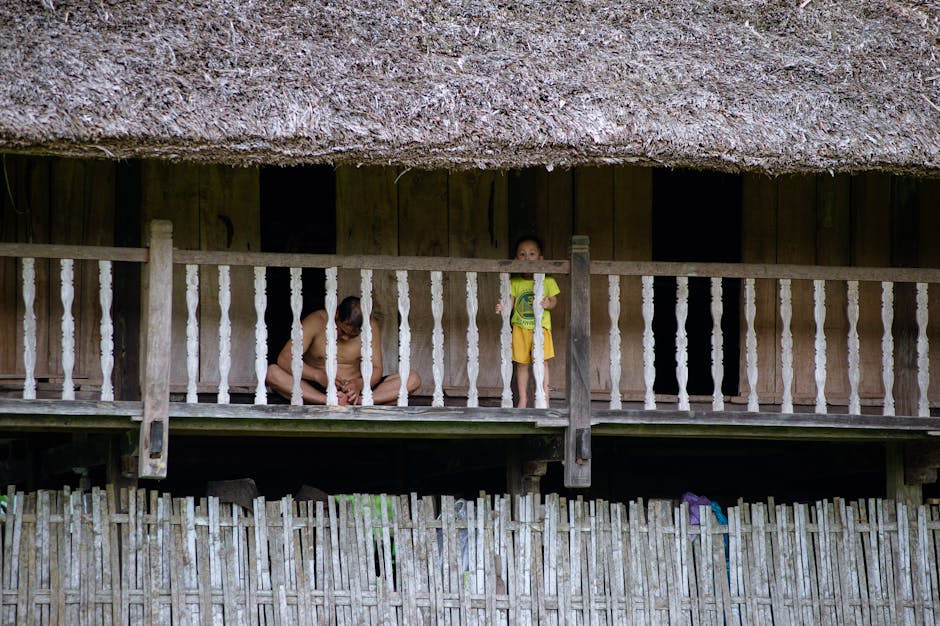
A traditional stilt house in Hà Giang, Bắc Hà, Vietnam
- Historic Architecture: The French-built Bắc Hà Palace (1906), once a royal residence, is a rare example of European architecture adapted to the highland climate, featuring thick stone walls and a unique, fading grandeur.
- Cultural Scene: The Bắc Hà Sunday Market is an immersive spectacle where Flower Hmong, Tay, Phu La, and Dao people trade everything from water buffalo to hand-stitched textiles in a vibrant, cacophonous celebration of highland life.
- Local Specialties: You must be adventurous to try *thắng cố*, a fragrant, herbal stew traditionally made with horse meat and organs, considered the signature warming dish of the highlands.
Pro Tip: For the ultimate experience, visit on a Saturday. You can stay overnight in a local homestay, witness the quiet anticipation as villagers prepare their goods, and be at the market by 6:00 AM on Sunday to see it spring to life before the day-trip buses from Sapa arrive around 9:30 AM.
Map of Bắc Hà, Vietnam
Use these interactive maps to explore Bắc Hà, Vietnam and plan your route:
📍 View Bắc Hà, Vietnam on OpenStreetMap
🗺️ Open Bắc Hà, Vietnam in Google Maps
Planning Your Trip: Practical Essentials
Getting There and Around
- By Air: The nearest major airport is in Hanoi (Noi Bai International – HAN). From there, you’ll need ground transport. Book flights at Skyscanner for best deals.
- By Train: The scenic overnight train from Hanoi to Lào Cai is a classic experience (8-9 hours). From Lào Cai station, it’s a 2-hour drive to Bắc Hà. Reserve tickets at Trainline or the national railway website.
- By Car: A private car from Hanoi takes 6-7 hours. The route via the new Hanoi – Lao Cai Expressway cuts time significantly. From Sapa, it’s a 2.5-hour drive on winding mountain roads. Compare car rentals at RentalCars.com.
- Local Transport: Your best bet is hiring a local driver with a 4×4 or motorbike for the day (approx. 1,200,000-1,500,000 VND / $50-65). *Xe ôm* (motorbike taxis) are available for short trips in town.
Best Time to Visit
The ideal time to visit Bắc Hà is during the dry season, when roads are passable and market days are bustling under clear skies. However, each season paints the surrounding rice terraces with a different palette, offering unique photographic opportunities.
| Season | Weather | Highlights |
|---|---|---|
| Dry Season (Oct–Apr) | Cool, sunny days (10-20°C/50-68°F); cold, foggy mornings, especially Dec-Feb. | Perfect for trekking and market visits; January-February brings peach and plum blossoms; vibrant, clear photography light. |
| Rainy Season (May–Sep) | Warm, humid with frequent afternoon showers (20-28°C/68-82°F); risk of landslides. | Lush, emerald-green terraced fields; fewer tourists; dramatic cloudscapes, but travel can be challenging. |
| Shoulder (Late Sep–Oct, Apr–May) | Pleasant, transitional weather with less rain and moderate temperatures. | Best balance: comfortable for exploration, beautiful scenery, and avoiding the peak of either season. |
Budgeting for Bắc Hà, Vietnam
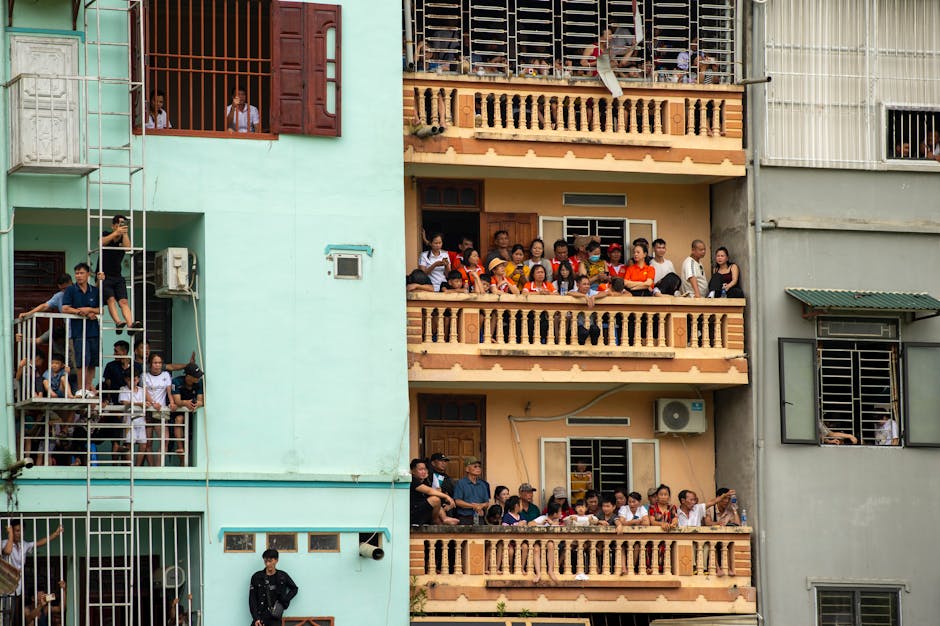
Group of people watching an event from balconies of apartment buildings in …, Bắc Hà, Vietnam
| Category | Budget | Mid-range | Luxury |
|---|---|---|---|
| Accommodation | Homestay: 250,000-400,000 VND ($11-17) | Local guesthouse: 600,000-1,200,000 VND ($26-52) | Boutique lodge: 1,500,000+ VND ($65+) |
| Meals | Market stalls & local eateries: 50,000-100,000 VND ($2-4.5) | Guesthouse/restaurant meals: 120,000-250,000 VND ($5-11) | Multi-course dinners at top lodges: 400,000+ VND ($17+) |
| Transport | Local bus/motorbike taxi: 100,000 VND/day ($4.5) | Private car & driver (day trip): 1,200,000 VND ($52) | Private 4×4 with guide: 2,000,000+ VND ($87+) |
| Activities | Market visits (free), self-guided walks | Guided half-day trek: 500,000 VND ($22) | Private multi-day cultural trek |
| Daily Total | 400,000-600,000 VND ($17-26) | 1,800,000-2,500,000 VND ($78-108) | 3,500,000+ VND ($152+) |
Top Attractions and Must-See Sights
| Attraction | Description | Hours | Entry Fee |
|---|---|---|---|
| Bắc Hà Sunday Market | The vibrant epicenter of highland life, a riot of color, sound, and tradition where ethnic groups trade livestock, textiles, and household goods. | Sunrise to 2:00 PM (peak 6:00 AM-12:00 PM) | Free |
| Bắc Hà Palace (Hoàng A Tưởng Mansion) | An imposing, hybrid French-Chinese palace built in 1906 for a local Hmong king, offering a glimpse into the region’s colonial-era aristocracy. | 7:30 AM – 5:00 PM daily | 20,000 VND ($0.85) |
| Cán Cấu Saturday Market | A smaller, more rugged alternative 20km from Bắc Hà, frequented primarily by Flower Hmong and offering an even less-commercialized market experience. | Saturday, 6:00 AM – 1:00 PM | Free |
| Terraced Rice Fields of Tả Van Chư | Stunning, sculpted landscapes just a short trek from town, best photographed at sunrise or during the green (May-Sep) or golden (Sep-Oct) seasons. | Always accessible | Free |
3-Day Itinerary: Bắc Hà, Vietnam’s Highlights & Hidden Gems
Day 1: Market Immersion & Royal History
- Morning (6:00 AM): Dive into the Bắc Hà Sunday Market. Start at the animal section to see buffalo trading, then weave through the textile aisles. Your best bet for authentic crafts is from older women in full traditional dress. Have a brave breakfast: try a bowl of *thắng cố* (approx. 50,000 VND) from a bustling stall.
- Afternoon (1:00 PM): After the market winds down, visit the Bắc Hà Palace. Explore its decaying halls and climb to the rooftop for panoramic views. For lunch, head to **Quán Ăn Ngon Bắc Hà** near the market for excellent local dishes like grilled pork and sticky rice.
- Evening (6:00 PM): Enjoy a quiet dinner at your homestay or guesthouse. If you’re staying at **Bắc Hà Eco Homestay**, they often host informal cultural exchanges with local Hmong families in the evening.
Day 2: Trekking & Village Life
- Morning (8:00 AM): Take a guided trek (approx. 500,000 VND for a half-day) to the **Lùng Phình or Tả Van Chư villages**. You’ll walk through breathtaking terraced fields and visit local homes to see traditional indigo dyeing and hemp weaving processes firsthand.
- Afternoon (12:30 PM): Enjoy a simple lunch prepared by your guide’s family in the village. Afterwards, continue your trek or return to Bắc Hà town. Savvy visitors know to bring small gifts like notebooks or pencils for village children (avoid candy).
- Evening (6:00 PM): Dine at **Bắc Hà Restaurant** on the main road for a more extensive menu of Vietnamese classics. Then, take a leisurely stroll around the quiet town—a stark contrast to the morning’s frenzy.
Day 3: Lesser-Known Markets & Scenic Drives
- Morning (7:00 AM): If it’s Saturday, hire a motorbike or car (approx. 400,000 VND roundtrip) to the **Cán Cấu Market**. This steep, mountainside market feels more remote and is spectacular for photography. If not Saturday, visit the **Coc Ly Market** (Tuesday only) instead.
- Afternoon (1:00 PM): On your return, ask your driver to stop at scenic viewpoints over the Chảy River valley. For lunch, stop at a roadside *quán* in one of the small villages for *phở* or *cơm* (rice with dishes).
- Evening (5:00 PM): Your final evening is for relaxation. Enjoy a cup of local San Tuyết tea, purchase any last-minute handicrafts from shops around the old market square, and reflect on the profound cultural immersion of the past few days.
Cultural Insights & Etiquette
- Language: Vietnamese is the official language, but each ethnic group has its own tongue. Key phrases: *Xin chào* (Hello), *Cảm ơn* (Thank you). In markets, a smile and simple gestures work well. A few Hmong words like *Ua tsaug* (Thank you) are greatly appreciated.
- Customs: Always ask for permission before taking portraits of locals, especially the elderly. A polite nod and gesture to your camera is sufficient; many will agree, sometimes expecting a small tip (10,000-20,000 VND). Never touch anyone’s head, and use both hands or your right hand when giving or receiving items.
- Tipping: Not expected but appreciated for good service. For guides, 5-10% is generous. In restaurants, rounding up the bill is fine. For homestays, a small gift from your home country or leaving unused toiletries is a kind gesture.
- Dress Code: Dress modestly, especially at markets and villages. Cover shoulders and knees. The highlands are cool, so layers are practical. Sturdy, comfortable shoes are essential for trekking on muddy or rocky paths.
- Business Hours: Shops open early (7:00 AM) and close by 8:00 PM. The market is a Sunday (or Saturday for Cán Cấu) morning phenomenon. Government sites like the Palace keep standard hours.
Where to Eat: Bắc Hà, Vietnam’s Best Bites
Dining in Bắc Hà is about hearty, warming food suited to the cool climate. You’ll find a mix of classic Vietnamese fare and unique highland specialties. Most eateries are simple, family-run establishments where the food is fresh and flavorful.
Must-Try Local Specialties
- Thắng Cố: The iconic highland stew. The traditional version uses horse meat, but you’ll also find beef or pork variations. It’s a fragrant, herbal broth served with greens and *mèn mén* (steamed corn powder). Try it at the Sunday market for the most authentic experience.
- Cơm Lam: Sticky rice cooked inside a fresh bamboo tube over an open fire, giving it a subtle smoky, woody flavor. It’s often served with grilled pork or chicken. Look for it at market stalls.
- Rượu Ngô (Corn Wine): A clear, potent spirit distilled from local corn. It’s a social drink, often offered as a welcome. Sip it slowly from a shared bowl. You can buy bottles at the market.
Restaurant Recommendations by Budget
| Type | Restaurant | Specialty | Price Range |
|---|---|---|---|
| Budget | Market Food Stalls (Sunday Market) | *Thắng cố*, *cơm lam*, grilled meats, fresh noodles. | 20,000 – 80,000 VND ($0.85 – $3.5) |
| Mid-range | Bắc Hà Restaurant (Trần Phú Street) | Reliable Vietnamese classics, good *lẩu* (hotpot), and stir-fries in a clean, simple setting. | 80,000 – 200,000 VND ($3.5 – $8.5) |
| Fine dining | Sao Mai Bắc Hà Hotel Restaurant | The most upscale option in town, offering a refined take on local dishes and set menus in a pleasant dining room. | 250,000 – 500,000 VND ($11 – $22) |
Where to Stay
Accommodation in Bắc Hà ranges from basic homestays in ethnic villages to a few comfortable guesthouses in town. The true magic lies in staying close to the local community. For the Sunday market, book well in advance. Compare prices and book at Booking.com or Airbnb for apartments.
Best Neighborhoods for Accommodation
- Bắc Hà Town Center: The most convenient location for the Sunday market and restaurants. You’ll find simple guesthouses like **Sao Mai Bắc Hà Hotel**. Perfect for first-time visitors who want easy access.
- Outlying Villages (Lùng Phình, Tả Van Chư): For an immersive cultural experience, choose a homestay in a village. **Bắc Hà Eco Homestay** is a great example. It’s quieter, offers stunning terrace views, and involves a short drive to the market. Ideal for trekkers and those seeking authenticity.
- Riverside Lodges: A few secluded lodges are situated along the Chảy

Colorful traditional parade of Hmong children at Bac Ha Festival, Vietnam., Bắc Hà, Vietnam


