
Baalbek, Lebanon’s Stunning Roman Grandeur, Epic Ruins & Mountain Majesty (2025)
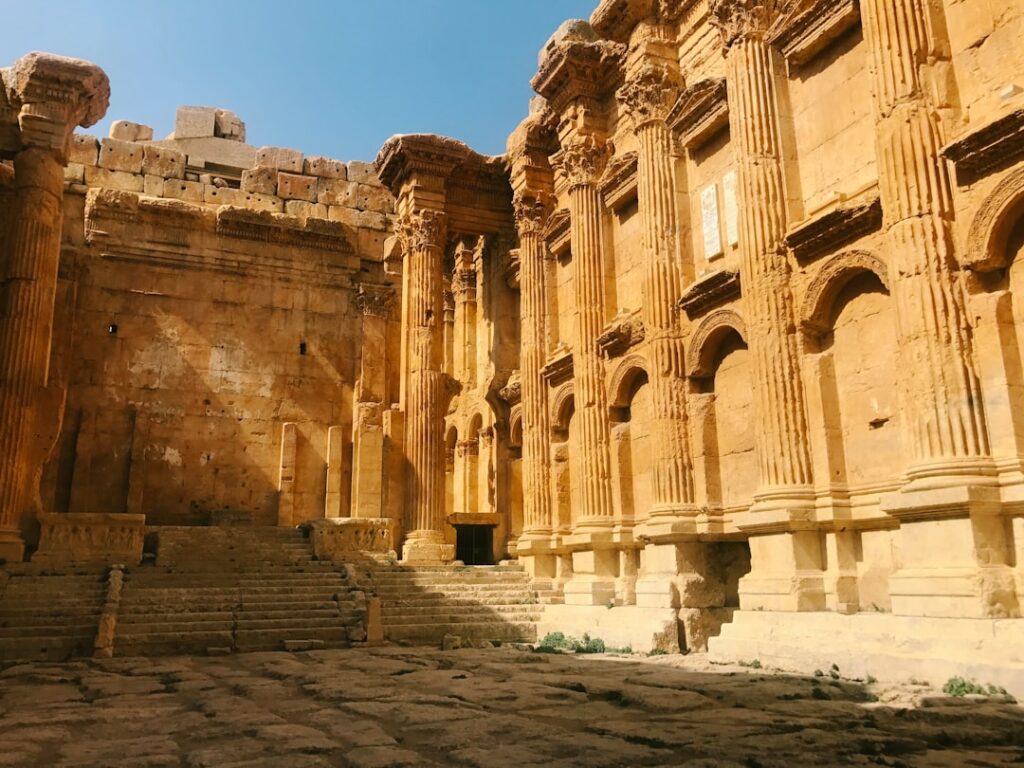
What if the world’s largest Roman temple complex wasn’t in Rome but nestled in Lebanon’s Bekaa Valley? Baalbek proves this reality with the Temple of Jupiter’s 2,000-ton foundation stones – heavier than any blocks in Egypt’s pyramids. When golden hour light strikes these 2nd-century AD columns, you’ll understand why emperors chose this sacred ground. Most visitors rush through in 2 hours, but seasoned travelers know the magic unfolds when you linger as shadows dance across ancient carvings.
Why Baalbek, Lebanon Stands Out

Tree near Parthenon, Baalbek, Lebanon
- Historic Architecture: The Temple of Bacchus (150 AD) remains the world’s best-preserved Roman temple, featuring intricate ceiling carvings that have survived earthquakes and empires.
- Cultural Scene: The Baalbek International Festival transforms the ruins each summer with world-class opera and music performances against the monumental backdrop.
- Local Specialties: Don’t leave without trying makali – crisp fried zucchini flowers stuffed with rice and herbs, a Bekaa Valley specialty found nowhere else.
Pro Tip: Arrive at opening time (8 AM) on weekdays to experience the temples in magical morning light with minimal crowds, then visit the nearby quarry around noon when sunlight perfectly illuminates the Stone of the Pregnant Woman.
Map of Baalbek, Lebanon
Use these interactive maps to explore Baalbek, Lebanon and plan your route:
📍 View Baalbek, Lebanon on OpenStreetMap
🗺️ Open Baalbek, Lebanon in Google Maps
Planning Your Trip: Practical Essentials
Getting There and Around
- By Air: Fly into Beirut-Rafic Hariri International Airport (BEY), served by Middle East Airlines, Turkish Airlines, and Emirates. Shared taxis to Baalbek cost $25-30 for the 2-hour journey through mountain passes.
- By Train: Lebanon’s railway system is currently inactive, though historic rail enthusiasts can visit the abandoned Riyaq station nearby to see old French Mandate-era locomotives.
- By Car: The Beirut-Baalbek highway offers stunning mountain views. Rent from reputable companies like Europcar or Budget. Parking near the ruins costs 5,000 LBP ($0.50) per hour.
- Local Transport: Service taxis (shared vans) connect Baalbek to nearby towns for 3,000-8,000 LBP. Within town, walking is best for the compact center.
Best Time to Visit
Spring and autumn deliver perfect conditions with mild temperatures ideal for exploring ruins. Summer brings festival energy but intense heat, while winter offers dramatic snow-capped mountain backdrops though some sites may have limited access.
| Season | Weather | Highlights |
|---|---|---|
| Summer (Jun–Aug) | 75-95°F, dry and sunny | Baalbek International Festival, long days, vibrant atmosphere but crowded |
| Winter (Dec–Feb) | 30-50°F, possible snow | Dramatic snow-capped ruins, no crowds, but some areas may be inaccessible |
| Shoulder (Apr–May/Sep–Oct) | 60-75°F, pleasant | Ideal exploring weather, harvest festivals in vineyards, perfect photography light |
Budgeting for Baalbek, Lebanon

Brown concrete building under blue sky during daytime, Baalbek, Lebanon
| Category | Budget | Mid-range | Luxury |
|---|---|---|---|
| Accommodation | $25-40 (guesthouses) | $60-100 (boutique hotels) | $150+ (heritage villas) |
| Meals | $5-10 (street food) | $15-25 (restaurants) | $40+ (fine dining) |
| Transport | $3-5 (service taxis) | $20-30 (private taxi) | $50+ (private driver) |
| Activities | $5 (ruins entry) | $20 (guided tour) | $75+ (private archaeologist) |
| Daily Total | $40-60 | $100-150 | $250+ |
Top Attractions and Must-See Sights
| Attraction | Description | Hours | Entry Fee |
|---|---|---|---|
| Temple of Jupiter | Six standing 22-meter columns from what was the Roman world’s largest temple | 8 AM-6 PM | 15,000 LBP |
| Temple of Bacchus | Astoundingly preserved 2nd-century temple with intricate ceiling carvings and massive doors | 8 AM-6 PM | Included in main ticket |
| Stone of the Pregnant Woman | Massive 1,000-ton stone in nearby quarry showing Roman engineering ambition | 24 hours | Free |
| Baalbek Museum | Collection of artifacts found on-site including Roman statues and Phoenician relics | 9 AM-4 PM | 5,000 LBP |
3-Day Itinerary: Baalbek, Lebanon’s Highlights & Hidden Gems
Day 1: Ancient Wonders & Local Flavors
- Morning: 8 AM entry to Temple Complex (15,000 LBP) to beat crowds. Start at Temple of Jupiter when morning light highlights the massive scale. Don’t miss the hexagonal courtyard’s original Roman paving.
- Afternoon: 12 PM exploration of Temple of Bacchus followed by lunch at Restaurant Fakhr el Din (mains 25,000 LBP) for their signature grilled kebeh and fattoush salad.
- Evening: 6 PM walk through the Old Souk as shops illuminate, then dinner at Al-Sindibad (35,000 LBP) for their famous stuffed vine leaves and lamb ouzi.

Low angle photography of brown pillars, Baalbek, Lebanon
Day 2: Quarries, Vineyards & Mountain Views
- Morning: 7:30 AM visit to Stone of the Pregnant Woman quarry (free) when sunlight reveals carving marks. Continue to nearby Qalaat Faqra Roman temple ruins (10,000 LBP) with panoramic mountain views.
- Afternoon: 1 PM wine tasting at Château Ksara (20,000 LBP tasting), Lebanon’s oldest winery founded 1857, with cellar tour through Roman caves. Lunch at their terrace restaurant.
- Evening: 6:30 PM return to Baalbek for sunset photography at the temples from outside the walls, then dinner at local favorite Abou Nizar for authentic makali and labneh.
Day 3: Cultural Immersion & Departure
- Morning: 9 AM service taxi (8,000 LBP) to Anjar’s Umayyad ruins, the only surviving commercial city from this 8th-century Islamic dynasty with unique Armenian influence.
- Afternoon: 1 PM traditional lunch at Beit al Kottab in Zahle (35,000 LBP) overlooking the Berdawni River, famous for their mixed grill and fresh mint lemonade.
- Evening: 5 PM final stroll through Baalbek’s evening market for last-minute souvenirs like olive wood carvings before departure.
Cultural Insights & Etiquette
- Language: Arabic is official but most in tourism speak English and French. Learn “marhaba” (hello), “shukran” (thank you), and “keefak” (how are you).
- Customs: Hospitality is sacred – always accept coffee when offered. Avoid political discussions and photographing military installations.
- Tipping: 10% in restaurants, round up taxi fares, 5,000 LBP for guides. Tip in Lebanese pounds rather than dollars.
- Dress Code: Modest clothing preferred, especially when visiting religious sites. Cover shoulders and knees at minimum.
- Business Hours: Shops open 9 AM-6 PM with 1-3 PM lunch break. Closed Sundays. Many close early during Ramadan.
Where to Eat: Baalbek, Lebanon’s Best Bites
Baalbek’s cuisine reflects its agricultural heartland location with fresh produce, grilled meats, and Bekaa Valley specialties you won’t find elsewhere in Lebanon. Family-run establishments dominate, where recipes pass through generations.
Must-Try Local Specialties
- Makali: Seasonal fried zucchini flowers stuffed with rice and herbs, best at Abou Nizar from May-August
- Kebeh Baalbekiyyeh: Baked bulgur and meat pie with pomegranate molasses, a local variation found at Restaurant Fakhr el Din
- Shish Barak: Yogurt soup with meat-filled dumplings, perfect comfort food at Al-Sindibad during cooler months
Restaurant Recommendations by Budget
| Type | Restaurant | Specialty | Price Range |
|---|---|---|---|
| Budget | Abou Nizar (Old Souk) | Fresh makali and mezze | $5-10 |
| Mid-range | Restaurant Fakhr el Din (Near ruins) | Mixed grill and kebeh | $15-25 |
| Fine dining | Al-Sindibad (City center) | Traditional Lebanese banquet | $30-50 |
Where to Stay
Accommodation ranges from basic guesthouses to restored Ottoman homes. Staying within walking distance of the ruins maximizes your time, while vineyard stays offer rural tranquility just outside town.
Best Neighborhoods for Accommodation
- City Center: Walking distance to all major sites, vibrant atmosphere but can be noisy – perfect for first-time visitors
- Old Souk Area: Historic charm with traditional architecture, closer to authentic dining options though parking is limited
- Vineyard Surroundings: Peaceful rural settings 10-15 minutes drive from ruins, ideal for romantic getaways and wine enthusiasts
FAQs: Your Baalbek, Lebanon Questions Answered
1. Is Baalbek, Lebanon safe at night?
The temple area is well-lit and patrolled until 10 PM. Stick to main streets in the city center after dark and avoid isolated areas. Locals are protective of visitors, but basic precautions like not flashing expensive equipment apply.
2. What currency is used and are credit cards accepted?
Lebanese pounds (LBP) are official currency, though US dollars are widely accepted. Carry cash as many smaller establishments don’t take cards. ATMs dispense both currencies, but have backup cash for rural areas.
3. How do I get from the airport to the city center?
Shared taxis from Beirut airport cost $25-30 for the 2-hour journey. Pre-book through your hotel for reliability. Private transfers run $60-80. Public buses are unreliable for this route with luggage.
4. Do I need to speak the local language?
English and French are widely spoken in tourism. In markets and rural areas, basic Arabic phrases help. Most signs at historical sites include English translations.
5. What’s the appropriate dress code?
Modest clothing shows respect – cover shoulders and knees, especially when visiting religious sites. Light layers work best for varying temperatures between sunny ruins and cool interiors.
Final Thoughts: Baalbek, Lebanon Awaits
Baalbek delivers what few ancient sites can – the awe of standing before engineering marvels that still baffle experts, all while experiencing genuine Lebanese hospitality. Beyond the monumental stones, you’ll discover a living culture where Roman history intertwines with vibrant modern traditions. Savvy travelers know the real magic happens when you slow down – lingering as the setting sun turns thousand-year-old columns to gold, sharing stories with shopkeepers in the old souk, and tasting recipes unchanged since Phoenician times. Your journey through one of antiquity’s greatest sites begins with that first step between the towering columns of Jupiter’s temple.

