
Azores (Pico Island), Portugal: Essential Volcano Hikes, UNESCO Vineyards & Whale Watching (2025)
At dawn on Pico Island, the Atlantic’s first light touches Portugal’s highest peak – 2,351 meters of volcanic rock rising from the sea. The scent of saltwater mingles with the earthy aroma of basalt vineyards as fishermen prepare their boats in Madalena harbor. This UNESCO-protected landscape reveals why savvy travelers bypass crowded Mediterranean islands for Portugal’s mid-Atlantic archipelago, where volcanic soil produces world-class wines and humpback whales breach just offshore from vineyards growing between lava rock walls.
Why Azores (Pico Island), Portugal Stands Out

A trail with a sign on the side of it, Azores (Pico Island), Portugal
- Historic Architecture: The 18th-century Whaling Industry Museum in Lajes do Pico, housed in a former whaling factory, tells the island’s dramatic transformation from whaling center to whale watching capital.
- Cultural Scene: The August Whalers’ Week festival features traditional boat races and folk music celebrating Pico’s maritime heritage with events passed down through generations.
- Local Specialties: Don’t leave without trying lapas grelhadas (grilled limpets) served with Pico wine – the volcanic terroir creates wines with distinctive mineral notes found nowhere else.
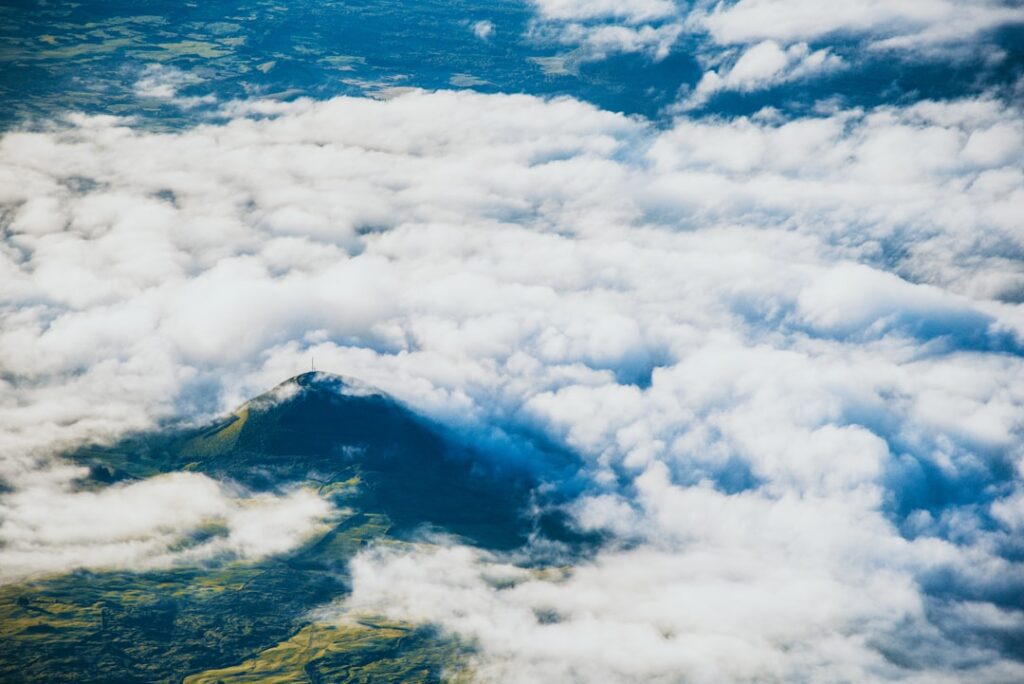
Pro Tip: Visit in late September when the grape harvest concludes and crowds thin, but weather remains ideal for hiking. Arrive at Pico Mountain trailhead by 6 AM to secure parking and experience sunrise above the clouds before afternoon fog rolls in.
Map of Azores (Pico Island), Portugal
Use these interactive maps to explore Azores (Pico Island), Portugal and plan your route:
📍 View Azores (Pico Island), Portugal on OpenStreetMap
🗺️ Open Azores (Pico Island), Portugal in Google Maps
Planning Your Trip: Practical Essentials
Getting There and Around
- By Air: Pico Airport (PIX) receives daily SATA Air Açores flights from Lisbon (2 hours) and inter-island connections. Book flights at Skyscanner for best deals.
- By Train: No train service exists on Pico Island, but ferries connect to Faial (30 minutes) and São Jorge (1.5 hours) from Madalena harbor. Reserve tickets at Atlânticoline.
- By Car: Rent a 4×4 for exploring mountain roads – Ilha Verde offers the best rates. Compare car rentals at RentalCars.com.
- Local Transport: Limited buses serve main villages (€2 per ride), but taxis are reliable for specific destinations – book through your accommodation.
Best Time to Visit
Pico’s mild oceanic climate means you can visit year-round, but each season offers distinct advantages. Whale watching peaks April-October, while hiking conditions are ideal June-September. Shoulder seasons deliver the best value with fewer visitors.
| Season | Weather | Highlights |
|---|---|---|
| Summer (Jun–Aug) | 18-26°C, sunny with occasional fog | Perfect hiking weather, festival season, whale watching at its peak (crowded and higher prices) |
| Winter (Dec–Feb) | 12-16°C, rainy and windy | Dramatic storm watching, thermal pool soaking, budget accommodation (some attractions closed) |
| Shoulder (Apr–May/Sep–Oct) | 15-22°C, mixed sun and clouds | Ideal whale watching, wine harvest activities, fewer crowds with most services operating |
Budgeting for Azores (Pico Island), Portugal

A lush green hillside covered in lots of grass, Azores (Pico Island), Portugal
| Category | Budget | Mid-range | Luxury |
|---|---|---|---|
| Accommodation | €40-60 guesthouse | €80-120 boutique hotel | €180+ wine estate stay |
| Meals | €12-18 local tascas | €25-40 restaurant dining | €60+ fine dining with wine |
| Transport | €10 bus/taxi daily | €35 rental car daily | €80+ private driver |
| Activities | Free hiking trails | €50 whale watching tour | €120 private guide |
| Daily Total | €65-90 | €120-180 | €280+ |
Top Attractions and Must-See Sights
| Attraction | Description | Hours | Entry Fee |
|---|---|---|---|
| Mount Pico Summit | Conquer Portugal’s highest point with epic Atlantic views from the volcanic crater | 24/7 (guided tours 7 AM-2 PM) | Free (guide €50) |
| Pico Vineyard Culture Landscape | UNESCO World Heritage site featuring unique vineyards protected by black lava stone walls | Always accessible | Free |
| Gruta das Torres Lava Tube | Explore one of the world’s longest lava tunnels with dramatic geological formations | Tours at 10:30 AM, 2:30 PM, 4:30 PM | €10 |
| Whale Watching in Lajes do Pico | Spot sperm whales, dolphins and migrating humpbacks from former whaling capital | Departures 8:30 AM, 1:30 PM | €55-75 |
3-Day Itinerary: Azores (Pico Island), Portugal’s Highlights & Hidden Gems
Day 1: Volcanic Landscapes & Wine Culture
- Morning: 7 AM start at Cabeço Bravo viewpoint for sunrise over vineyards before crowds arrive. The 16th-century curraletas (stone-walled vineyards) create a stunning geometric pattern across the landscape.
- Afternoon: 12 PM wine tasting at Pico Wines Cooperative (€8 for 4 wines) followed by lunch at Cella Bar (try their famous lapas with Pico white wine). This architectural marvel built into lava rock offers panoramic ocean views.
- Evening: 6 PM stroll through Lajido village’s UNESCO-protected landscape, then dinner at Ancoradouro in Madalena for fresh grilled fish caught that morning.
Day 2: Whale Heritage & Coastal Wonders
- Morning: 8:30 AM whale watching tour with Futurismo (€65) – their marine biologists provide exceptional commentary. You’ll likely spot common dolphins and possibly sperm whales.
- Afternoon: 1 PM visit Whaling Industry Museum (€3) in Lajes do Pico, then lunch at Restaurante Sereia overlooking the harbor where whalers once launched their boats.
- Evening: 5 PM swim at Poça da Prainha natural pools followed by sunset drinks at Aldeia da Fonte restaurant, known for their local cheese platter with Pico pineapple.
Day 3: Mountain Adventure & Thermal Relaxation
- Morning: 7 AM guided hike to Pico Mountain’s summit (€50 including equipment) – the 4-6 hour round trip rewards with views spanning multiple Azorean islands on clear days.
- Afternoon: 2 PM recovery lunch at A Transmontana in São Roque featuring cozido (meat stew cooked in volcanic ground) then explore the 18th-century Fort of Santa Catarina.
- Evening: 6 PM thermal bathing at Ponta da Ilha’s natural pools as the Atlantic crashes against lava rocks – the perfect end to your Pico adventure.
Cultural Insights & Etiquette
- Language: Portuguese is official, but English widely spoken in tourism. Learn “bom dia” (good morning), “obrigado/obrigada” (thank you m/f), and “saúde” (cheers).
- Customs: Remove shoes when entering homes, greet shopkeepers when entering establishments, and never walk on the curraletas (vineyard walls).
- Tipping: Not expected but appreciated – round up taxi fares, leave 5-10% for exceptional service in restaurants.
- Dress Code: Casual but modest – cover shoulders in churches, wear sturdy shoes for volcanic terrain, and always carry a waterproof layer.
- Business Hours: Shops 9 AM-1 PM & 3-7 PM, restaurants serve lunch 12-3 PM and dinner 7-10 PM, most closed Sundays.
Where to Eat: Azores (Pico Island), Portugal’s Best Bites
Pico’s cuisine reflects its volcanic origins and maritime heritage – expect incredibly fresh seafood, unique dairy from free-range cows, and vegetables grown in mineral-rich soil. Dining here is simple, authentic, and deeply connected to the landscape.
Must-Try Local Specialties
- Lapas Grelhadas: Grilled limpets harvested from volcanic rocks, served with garlic butter and lemon – best at Cella Bar with their panoramic views
- Cozido das Furnas: Meat and vegetable stew slow-cooked in volcanic ground heat – try the authentic version at A Transmontana
- Queijo do Pico: Distinctive semi-soft cheese with volcanic terroir notes – pair with local pineapple at any village market
Restaurant Recommendations by Budget
| Type | Restaurant | Specialty | Price Range |
|---|---|---|---|
| Budget | O Ancoradouro, Madalena | Fresh grilled fish with local vegetables | €12-18 |
| Mid-range | Restaurante Sereia, Lajes | Traditional Azorean seafood stews | €20-35 |
| Fine dining | Cella Bar, Madalena | Creative takes on local ingredients with wine pairings | €45-65 |
Where to Stay
Accommodation ranges from simple guesthouses to converted wine estates. Madalena offers the most services, Lajes do Pico provides authentic fishing village charm, and rural areas deliver complete tranquility. Compare prices and book at Booking.com or Airbnb for apartments.
Best Neighborhoods for Accommodation
- Madalena: Central location with ferry access, good restaurants, and proximity to vineyards (can be noisy near port, ideal for first-time visitors)
- Lajes do Pico: Authentic whaling heritage, whale watching departure point, excellent seafood (limited evening entertainment, perfect for nature lovers)
- São Roque:
Mountain access, thermal pools, quieter atmosphere (fewer dining options, best for hiking enthusiasts)

A very tall mountain surrounded by clouds in the sky, Azores (Pico Island), Portugal
FAQs: Your Azores (Pico Island), Portugal Questions Answered
1. Is Azores (Pico Island), Portugal safe at night?
Extremely safe – violent crime is virtually nonexistent. You can walk anywhere at night, though carry a flashlight on rural roads. The main concerns are natural – heed weather warnings and wear proper footwear on volcanic terrain.
2. What currency is used and are credit cards accepted?
Euros are the currency. Credit cards work in hotels and larger restaurants, but carry cash for rural establishments, taxis, and small shops. ATMs are available in Madalena, Lajes, and São Roque.
3. How do I get from the airport to the city center?
Pico Airport is 8km from Madalena. Taxis cost €15-20, or pre-book transfers through your accommodation. Rental cars are recommended for exploring. Book airport transfers at GetYourGuide for convenience.
4. Do I need to speak the local language?
Portuguese is helpful in villages, but English is widely spoken in tourism. Locals appreciate attempts at basic Portuguese – “por favor” (please) and “obrigado/a” (thank you) go a long way.
5. What’s the appropriate dress code?
Layered casual clothing – temperatures change rapidly. Sturdy walking shoes are essential, plus swimwear for natural pools and a waterproof jacket. Dress modestly when visiting churches.
Final Thoughts: Azores (Pico Island), Portugal Awaits
Pico Island delivers what mass tourism has erased elsewhere – authentic connection to landscape, culture, and community. Here, you’ll hike volcanic peaks in morning fog, taste wines grown in lava rock, and watch whales where whalers once hunted. The island’s magic lies in its contrasts: rugged wilderness beside UNESCO refinement, adventurous spirit paired with deep tranquility. Savvy travelers know to book whale watching and mountain guides in advance, but leave room for spontaneous discovery – whether stumbling upon a village festival or sharing stories with vineyard owners. Don’t miss the simple pleasure of watching sunset from Madalena harbor, where Pico Mountain glows rose-gold against the Atlantic horizon, reminding you why some places remain truly unforgettable.

