
Ayaviri, Peru’s Epic Alpacas, Andean Architecture & Authentic Altiplano Life (2026)
Ask locals about Ayaviri, Peru, and they’ll tell you about the quiet hum of the high plains, where herds of alpacas outnumber tourists ten to one. Most guidebooks miss this completely, focusing instead on the well-trodden path to Cusco. Yet here, at 3,910 meters above sea level, you’ll find the beating heart of Peru’s southern altiplano, a living tapestry of colonial history, pre-Incan roots, and a pastoral culture that has defined this region for centuries. This is where the real Peru breathes, far from the crowds.
Why Ayaviri, Peru Stands Out

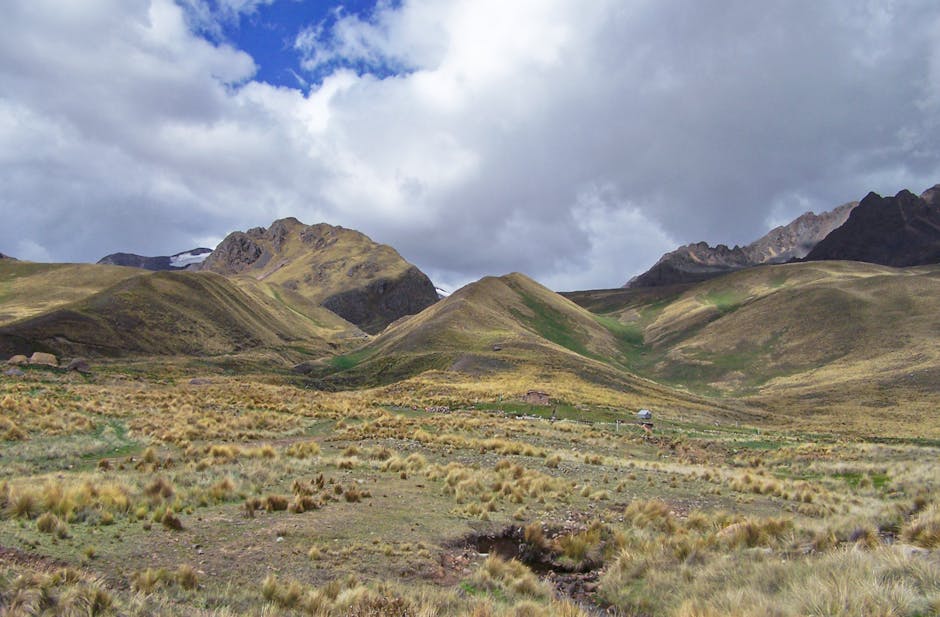
Scenic view of rugged mountains and valleys in Ayaviri, Ayaviri, Peru
- Historic Architecture: The 17th-century Cathedral of San Francisco de Asís, built from striking red volcanic stone, dominates the Plaza de Armas with its unique mestizo-baroque style.
- Cultural Scene: The Fiesta de la Virgen de la Candelaria in early February transforms the town with vibrant processions, traditional dances like the *Llamerada*, and elaborate brass bands.
- Local Specialties: You must try *Chairo*, a hearty, slow-cooked soup of lamb, chuño (freeze-dried potato), and local herbs, perfect for the chilly altiplano climate.
Pro Tip: Plan your visit for the dry season months of May through September. The skies are clear, the days are sunny (though nights are freezing), and you’ll avoid the muddy, impassable roads of the rainy season. For the ultimate local experience, time your trip with the Sunday livestock market, which starts at dawn.
Map of Ayaviri, Peru
Use these interactive maps to explore Ayaviri, Peru and plan your route:
📍 View Ayaviri, Peru on OpenStreetMap
🗺️ Open Ayaviri, Peru in Google Maps
Planning Your Trip: Practical Essentials
Getting There and Around
- By Air: The nearest major airport is in Juliaca (JUL), about a 2-hour drive away. LATAM and Sky Airline offer daily flights from Lima. From Juliaca, your best bet is a pre-arranged taxi (approx. 120-150 PEN) or a colectivo (shared van) to Ayaviri. Book flights at Skyscanner for best deals.
- By Train: There is no direct passenger train to Ayaviri. The famous Andean Explorer luxury train from Cusco to Puno passes through the region but does not stop. For regional travel, buses are the primary mode. Reserve tickets at Trainline or the national railway website for other Peruvian routes.
- By Car: Ayaviri sits directly on the paved Pan-American Highway (PE-3S), making it a straightforward drive from Puno (2.5 hours) or Cusco (4.5 hours). Parking is generally easy around the main plaza. Compare car rentals at RentalCars.com from Juliaca or Cusco.
- Local Transport: The town is very walkable. For nearby attractions, *mototaxis* (three-wheeled rickshaws) are everywhere and cost just 3-5 PEN for a ride within town. For trips to surrounding communities, *colectivos* (shared taxis or vans) depart from designated spots near the market.
Best Time to Visit
Ayaviri’s high-altitude climate means cool to cold temperatures year-round, with a sharp divide between a dry, sunny season and a wet, green season. Savvy travelers target the dry season for ease of travel and outdoor exploration.
| Season | Weather | Highlights |
|---|---|---|
| Dry Season (May–Sep) | Sunny days (10-18°C), freezing nights (can drop to -5°C). Almost no rain. | Ideal for hiking, visiting ruins, and clear photography. Peak tourist season for the region, but Ayaviri remains quiet. |
| Wet Season (Dec–Mar) | Frequent heavy rain, milder days (12-20°C), less cold nights. Lush green landscapes. | Beautiful scenery but rural roads can become muddy and difficult. Fewer visitors; a more solitary experience. |
| Shoulder (Apr & Oct–Nov) | Unpredictable mix of sun and showers. Temperatures between seasons. | Good balance of decent weather and minimal crowds. A chance to see the landscape in transition. |
Budgeting for Ayaviri, Peru

Explore the stunning ancient ruins of Machu Picchu, Ayaviri, Peru
| Category | Budget | Mid-range | Luxury |
|---|---|---|---|
| Accommodation | Hostal: 40-60 PEN/night | Comfortable Hotel: 120-180 PEN/night | Best in town: 250+ PEN/night |
| Meals | Market/Menu: 8-15 PEN | Local Restaurant: 25-40 PEN | Fine dining is limited; a nice dinner: 50+ PEN |
| Transport | Mototaxis/Walking: 10 PEN/day | Private taxi for half-day tour: 80-120 PEN | Full-day private driver: 200+ PEN |
| Activities | Plaza, Cathedral, Market (Free) | Guided tour of Kalisaya: 50 PEN | Private cultural/weaving tour: 150+ PEN |
| Daily Total | 60-90 PEN | 200-300 PEN | 450+ PEN |
Top Attractions and Must-See Sights
| Attraction | Description | Hours | Entry Fee |
|---|---|---|---|
| Cathedral of San Francisco de Asís | A stunning example of Andean baroque architecture, built from distinctive red stone in the 1600s. | Mass times only; exterior always viewable. | Free (donation appreciated) |
| Mercado Modelo (Livestock Market) | The authentic Sunday spectacle where local farmers trade alpacas, llamas, and sheep—a true altiplano tradition. | Sunday, 5:00 AM – 12:00 PM | Free |
| Kalisaya Hill & Ruins | Pre-Incan archaeological site overlooking the town, offering panoramic views and a glimpse into ancient Lupaca culture. | Daylight hours | Free (guide recommended: 30-50 PEN) |
| Plaza de Armas | The vibrant heart of town, perfect for people-watching and soaking in the daily life of Ayaviri. | Always open | Free |
3-Day Itinerary: Ayaviri, Peru’s Highlights & Hidden Gems
Day 1: Immersion in Town & History
- Morning (7-9 AM): Start early with a walk to **Kalisaya Hill**. The morning light is perfect for photos of the ruins and the sprawling town below. The hike takes about 45 minutes from the plaza.
- Afternoon (12-3 PM): Explore the **Plaza de Armas** and the imposing **Cathedral**. For lunch, head to **Restaurant Don Lucho** near the market for a massive and delicious *Lomo Saltado* (about 25 PEN).
- Evening (6-8 PM): As the temperature drops, find a *picantería* (traditional eatery) like **La Casona** for a steaming bowl of **Chairo** soup. Afterwards, take a leisurely evening stroll around the illuminated plaza.
Day 2: Alpacas & Altiplano Culture
- Morning (5-9 AM): If it’s a Sunday, this is non-negotiable: experience the **Mercado Modelo** livestock market. Arrive by 6 AM to see the trading in full swing. It’s a sensory overload of sounds, smells, and vibrant local color. Grab a fresh *tamal* and coffee from a market stall for breakfast.
- Afternoon (12-4 PM): Visit a local **alpaca or sheep ranch**. Ask your hotel to arrange a visit (approx. 20 PEN for a tour). You’ll learn about herding, fiber, and rural life. For lunch, try **Pollería El Rey** for perfectly roasted chicken.
- Evening (6 PM): Enjoy a quieter dinner at **Restaurant Turístico Ayaviri**. Ask if they have *Trucha* (fresh trout) from nearby lakes. Then, cozy up with a cup of *mate de coca* (coca leaf tea) to help with the altitude.
Day 3: Scenic Excursion & Crafts
- Morning (8 AM): Hire a taxi (approx. 100 PEN round-trip) for the 30-minute drive to **Laguna de Orurillo**, a serene high-altitude lake. It’s a birdwatcher’s paradise and offers stunning reflections of the surrounding hills.
- Afternoon (1-3 PM): Return to town and explore the **craft workshops** around the market area. Look for handwoven textiles made from alpaca and sheep wool. Your best bet for quality is the **Artesanías San Francisco** cooperative. Lunch at **El Fogón** for a hearty *Adobo Ayavireño* (pork stew).
- Evening (6 PM): Your final evening calls for a relaxed *paseo* (stroll). Pick up some local cheese and bread for a picnic in the plaza, soaking in the peaceful atmosphere of this authentic Andean town.
Cultural Insights & Etiquette
- Language: Spanish is the main language; Quechua and Aymara are widely spoken in rural areas. Learn a few phrases: “Allillanchu” (Hello in Quechua), “Imaynalla?” (How are you?), “Añay” (Thank you).
- Customs: Always ask permission before taking photos of people, especially at the market or in rural areas. A simple “¿Se puede?” (May I?) with a smile goes a long way.
- Tipping: Not mandatory but appreciated. In restaurants, 10% is standard for good service. For guides or drivers, 10-15 PEN is a thoughtful gesture.
- Dress Code: Dress in layers for the variable climate. When visiting churches, modest dress (covered shoulders and knees) is respectful. Sturdy walking shoes are essential.
- Business Hours: Shops typically open 9 AM-1 PM and 3-7 PM. Many close on Sunday afternoons. Major holidays like Inti Raymi (June) and Fiesta de la Candelaria (Feb) see many closures for celebrations.
Where to Eat: Ayaviri, Peru’s Best Bites
Dining in Ayaviri is about hearty, comforting food that fuels the body against the altiplano chill. You’ll find few international menus here; instead, embrace the local *cocina criolla* and pastoral traditions. Most restaurants offer a cheap *menú del día* (set lunch) including soup, a main, and a drink.
Must-Try Local Specialties
- Chairo: The iconic soup of the region. This isn’t a light starter—it’s a meal in a bowl, with lamb, beef, *chuño*, potatoes, and herbs. Try it at any traditional *picantería* like **La Casona**.
- Trucha Frita: Fresh trout, often from Lake Titicaca or local lagoons, simply fried and served with rice and potatoes. **Restaurant Turístico Ayaviri** is a reliable spot.
- Queso Andino: The local highland cheese, often slightly salty and firm. It’s perfect for picnics. Buy it fresh at the **Mercado Modelo** or from street vendors.
Restaurant Recommendations by Budget
| Type | Restaurant | Specialty | Price Range |
|---|---|---|---|
| Budget | **El Rápido** (Jr. Mariano Nuñez) | Cheap, filling *menú del día* and sandwiches. | 8-15 PEN |
| Mid-range | **Restaurant Don Lucho** (Near Market) | Classic Peruvian dishes like Lomo Saltado and great juices. | 20-35 PEN |
| Fine dining | **Restaurant Turístico Ayaviri** (Plaza de Armas) | The nicest setting in town, with trout and traditional stews. | 40-60 PEN |
Where to Stay
Accommodation in Ayaviri is functional and straightforward, focused on warmth and comfort rather than luxury. Most hotels are family-run and clustered near the Plaza de Armas. Book in advance during festival times. Compare prices and book at Booking.com or Airbnb for apartments.
Best Neighborhoods for Accommodation
- Around Plaza de Armas: The most convenient location. You’ll be steps from the cathedral, restaurants, and transport hubs. It can be a bit noisier during the day but is perfectly safe. Ideal for first-time visitors.
- Near the Market Area: A more local and bustling atmosphere. You’ll have immediate access to cheap eats and street food. Best for travelers seeking an immersive, no-frills experience.
- Outskirts of Town: A few hospedajes on the roads leading out of town offer more peace and quiet, often with great views of the countryside. You’ll need to rely on mototaxis to get to the center.

View of the historic Coricancha temple in Cusco, Ayaviri, Peru
FAQs: Your Ayaviri, Peru Questions Answered
1. Is Ayaviri, Peru safe at night?
Ayaviri is generally a very safe and quiet town. The main plaza and central streets are well-lit and peaceful in the evenings. As in any place, take standard precautions: avoid poorly lit side streets late at night, don’t flash valuables, and use licensed mototaxis. Travelers often discover the greatest sense of security comes from the town’s close-knit community feel.
2. What currency is used and are credit cards accepted?
The Peruvian Sol (PEN) is the currency. You must carry cash, especially small bills. While a few larger hotels and restaurants near the plaza may accept credit cards (Visa more common than Mastercard), the market, street vendors, colectivos, and most local eateries are cash-only. There are several ATMs around the Plaza de Armas.
3. How do I get from the airport to the city center?
You’ll likely fly into Juliaca (JUL). The most reliable option is to pre-book a private transfer through your hotel (approx. 120-150 PEN). Alternatively, take a taxi from the airport to the Juliaca bus terminal (10 PEN), then catch a frequent colectivo

