
Awash National Park, Ethiopia: Amazing Wildlife, Waterfalls & Volcanic Wonders (2025)
Sunrise over the Awash River reveals something extraordinary: 458 bird species calling across the canyon while Beisa oryx cast long shadows across volcanic plains. The distant roar of Filwoha Hot Springs mingles with the scent of acacia trees as local Afar herders guide their cattle through landscapes unchanged for centuries. This is East Africa’s wild heart, where the Great Rift Valley’s dramatic geology creates an ecosystem found nowhere else on Earth, yet receives fewer than 5,000 international visitors annually compared to Tanzania’s Serengeti which welcomes over 350,000.
Why Awash National Park, Ethiopia Stands Out

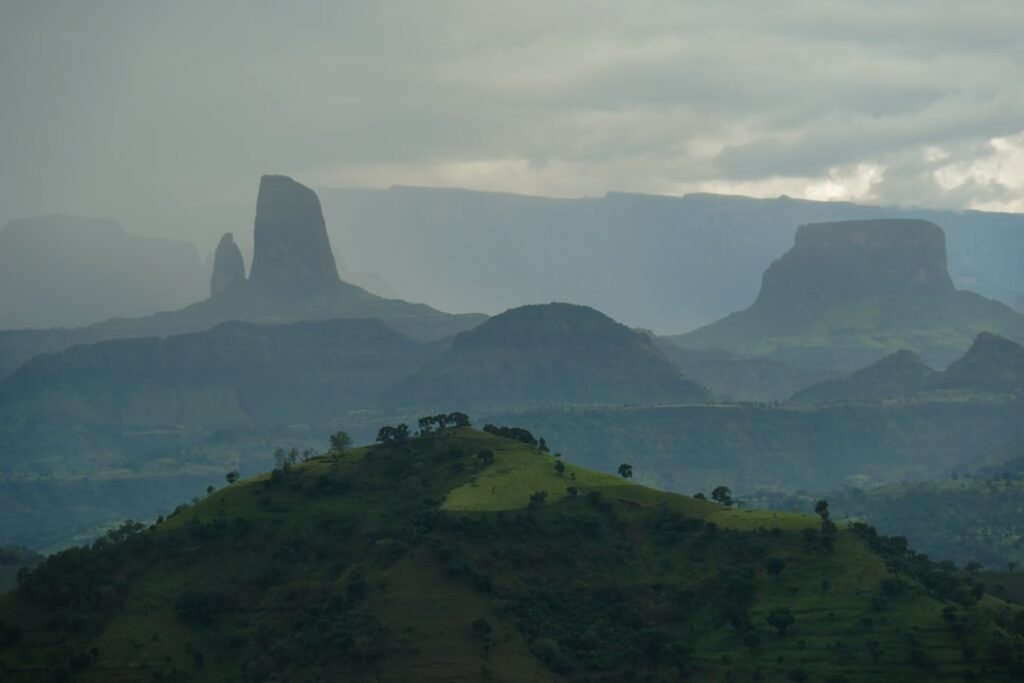
Rock formations, Awash National Park, Ethiopia
- Historic Architecture: The 16th-century Adal Sultanate ruins at Melka Werer showcase early Islamic settlement patterns in the Horn of Africa.
- Cultural Scene: The Afar people’s traditional salt caravan routes still operate through the park’s northern sectors.
- Local Specialties: You must try ful medames at roadside stops – slow-cooked fava beans with berbere spice served with fresh injera.
Pro Tip: Visit during late January through early March when wildlife congregates around permanent water sources and temperatures are manageable (25-30°C), avoiding both the rainy season mud and peak heat from April to June when temperatures can exceed 40°C.
Map of Awash National Park, Ethiopia
Use these interactive maps to explore Awash National Park, Ethiopia and plan your route:
📍 View Awash National Park, Ethiopia on OpenStreetMap
🗺️ Open Awash National Park, Ethiopia in Google Maps
Planning Your Trip: Practical Essentials
Getting There and Around
- By Air: Fly into Addis Ababa Bole International Airport (ADD), then take a 3-hour drive east. Ethiopian Airlines offers daily international connections. Book flights at Skyscanner for best deals.
- By Train: The Addis Ababa-Djibouti railway stops at Awash Station, just 15km from park headquarters. The journey takes 2.5 hours from Addis. Reserve tickets at Trainline or the national railway website.
- By Car: The paved Addis-Harar highway runs along the park’s northern boundary. 4WD vehicles are essential for park exploration. Compare car rentals at RentalCars.com.
- Local Transport: Shared minibuses run from Awash town to park gates (50 ETB), but you’ll need arranged transport inside the park. Official guides with vehicles cost 1,500-2,000 ETB per day.
Best Time to Visit
The optimal visiting window balances comfortable temperatures with wildlife viewing opportunities. Dry seasons offer better road conditions and animal concentrations around water sources.
| Season | Weather | Highlights |
|---|---|---|
| Summer (Jun–Aug) | 22-28°C, heavy afternoon rains | Lush vegetation, bird breeding season, fewer visitors but challenging road conditions |
| Winter (Dec–Feb) | 20-30°C, dry and sunny | Prime wildlife viewing at waterholes, excellent photography conditions, peak season |
| Shoulder (Apr–May/Sep–Oct) | 25-35°C, occasional showers | Balanced experience with moderate crowds, migrating birds, flowering acacias |
Budgeting for Awash National Park, Ethiopia

Aerial photography of green mountains during daytime, Awash National Park, Ethiopia
| Category | Budget | Mid-range | Luxury |
|---|---|---|---|
| Accommodation | 300-600 ETB camping | 1,200-2,500 ETB lodges | 4,000+ ETB luxury tents |
| Meals | 150-300 ETB local eateries | 400-700 ETB lodge restaurants | 800+ ETB full-board options |
| Transport | 500 ETB shared vehicles | 2,000 ETB private 4WD | 4,000+ ETB premium safari vehicle |
| Activities | 200 ETB park entry | 500 ETB guided walks | 1,500 ETB specialized birding tours |
| Daily Total | 1,150-1,600 ETB | 4,100-5,700 ETB | 10,300+ ETB |
Top Attractions and Must-See Sights
| Attraction | Description | Hours | Entry Fee |
|---|---|---|---|
| Awash Falls | Dramatic 50-meter waterfall where the Awash River plunges into a basalt gorge | Sunrise to sunset | Included in park fee |
| Filwoha Hot Springs | Natural volcanic springs surrounded by palm groves, frequented by wildlife | 6 AM-6 PM | Included in park fee |
| Mount Fantalle | Extinct volcano offering panoramic views across the entire park from 2,007 meters | Guide required | 500 ETB guide fee |
| Kudu Valley | Prime location for spotting greater kudu, dik-diks, and 450+ bird species | 6 AM-6 PM | Included in park fee |
3-Day Itinerary: Awash National Park, Ethiopia’s Highlights & Hidden Gems
Day 1: Waterfalls & Wildlife Introduction
- Morning: 7 AM game drive along the Awash River circuit spotting hamadryas baboons, vervet monkeys, and waterbuck. Your best bet for photography is the golden hour light.
- Afternoon: 12 PM picnic lunch at Awash Falls viewpoint followed by a guided walk to the falls’ edge. Don’t miss the local coffee ceremony at the park restaurant.
- Evening: 6 PM sundowner at Kereyu Lodge terrace watching elephants come to drink, followed by dinner featuring traditional tibs and injera.
Day 2: Volcanic Landscapes & Hot Springs
- Morning: 6:30 AM hike up Mount Fantalle with a local guide (1,500 ETB) – the crater rim reveals stunning views and rare plant species found only in this microclimate.
- Afternoon: Relax at Filwoha Hot Springs after your descent, where the mineral-rich waters reach 45°C. Pack a lunch from your lodge as facilities are basic.
- Evening: Night drive (2,000 ETB) to spot nocturnal species including aardvarks, genets, and the rare striped hyena.
Day 3: Cultural Encounters & Birding Paradise
- Morning: 4WD transfer to the park’s northern sector (2,000 ETB) to observe Afar salt caravans and visit the Melka Werer archaeological site dating to the 16th century.
- Afternoon: Specialized bird watching in the acacia woodlands with over 50 species possible in one afternoon, followed by lunch at a local Afar homestead.
- Evening: Final game drive focusing on predators at dusk, when lions and leopards become active near the Ilala Sala Plains.
Cultural Insights & Etiquette
- Language: Amharic phrases like “ameseginalehu” (thank you) and “salam” (hello) are appreciated, though many guides speak English
- Customs: Always ask permission before photographing local people, particularly Afar herders who maintain traditional lifestyles
- Tipping: Guides expect 10-15% of tour cost, while restaurant staff appreciate 50-100 ETB for good service
- Dress Code: Conservative clothing is respected – knee-length shorts and covered shoulders, with sturdy footwear for walking
- Business Hours: Park gates open 6 AM-6 PM, with most lodges serving meals until 9 PM; Friday is the main prayer day affecting some services
Where to Eat: Awash National Park, Ethiopia’s Best Bites
Dining options range from simple local eateries serving authentic Ethiopian cuisine to lodge restaurants offering international dishes with local ingredients. The park’s remote location means most meals are taken at accommodation establishments.
Must-Try Local Specialties
- Kitfo: Minced raw beef marinated in mitmita spice, best tried at Kereyu Lodge where they source from local herds
- Shiro: Chickpea stew served with injera, available at all park lodges and perfect for vegetarian travelers
- Buna: Traditional Ethiopian coffee ceremony you can experience at any lodge – don’t refuse the third cup as it’s considered a blessing
Restaurant Recommendations by Budget
| Type | Restaurant | Specialty | Price Range |
|---|---|---|---|
| Budget | Awash Falls Restaurant near park headquarters | Fresh ful medames and local coffee | 100-250 ETB |
| Mid-range | Kereyu Lodge main restaurant | Traditional Ethiopian platters with meat and vegetable options | 300-600 ETB |
| Fine dining | Awash National Park Lodge terrace | International cuisine with Ethiopian influences and sunset views | 700-1,200 ETB |
Where to Stay
Accommodation ranges from basic camping to comfortable lodges, all strategically located for wildlife viewing. Most visitors stay inside the park for early morning and late evening game viewing opportunities. Compare prices and book at Booking.com or Airbnb for apartments.
Best Neighborhoods for Accommodation
- Awash Falls Area: Centrally located with easy access to main attractions, perfect for first-time visitors wanting convenience
- Mount Fantalle Base: More remote experience with spectacular volcanic views, ideal for adventurous travelers and hikers
- Northern Sector: Cultural immersion near Afar communities, best for those interested in traditional lifestyles and photography

Three zebras standing in a field with a mountain in the background, Awash National Park, Ethiopia
FAQs: Your Awash National Park, Ethiopia Questions Answered
1. Is Awash National Park, Ethiopia safe at night?
Inside park boundaries with a qualified guide, night drives are perfectly safe. However, you should remain in your accommodation after dark unless on an organized activity. Wildlife is active at night, so never walk alone after sunset.
2. What currency is used and are credit cards accepted?
Ethiopian Birr (ETB) is the official currency. Credit cards are rarely accepted except at major lodges, so carry sufficient cash. There are no ATMs in the park – withdraw money in Addis Ababa or larger towns before arrival.
3. How do I get from the airport to the park?
From Addis Ababa Bole Airport, pre-book a 4WD vehicle with driver (6,000-8,000 ETB round trip) for the 3-hour journey. Public transport reaches Awash town but not park interiors. Book airport transfers at GetYourGuide for convenience.
4. Do I need to speak the local language?
English is widely spoken by guides and lodge staff. Learning a few Amharic greetings will enhance your experience with local communities, but you can manage perfectly with English throughout your visit.
5. What’s the appropriate dress code?
Lightweight neutral-colored clothing is ideal for both cultural respect and wildlife viewing. Sturdy walking shoes are essential, along with a hat and sunglasses for sun protection. Evenings can be cool, so bring layers.
Final Thoughts: Awash National Park, Ethiopia Awaits
Awash National Park delivers an authentic East African safari experience without the crowds of more famous destinations. Here, you’ll discover the raw beauty of the Rift Valley’s volcanic landscapes, encounter wildlife that has adapted to this unique environment, and gain insights into cultures that have coexisted with nature for millennia. Savvy travelers know that the magic happens when you slow down – spend an extra hour at Filwoha Springs, take that early morning bird walk, and accept that third cup of coffee from your Afar hosts. This park rewards those who embrace its rhythms rather than rushing through checklists. Your most memorable moment might just be watching the sun set over Mount Fantalle while listening to the distant calls of hyenas, knowing you’re experiencing one of Africa’s best-kept wildlife secrets.

