
Australian Capital Territory, Australia: Essential Democracy, Design & Natural Drama (2025)
While crowds flock to Sydney’s harbour or Melbourne’s laneways, the Australian Capital Territory delivers a profound, curated experience of national identity without the overwhelming tourist crush. Here, in a city purpose-built for governance, you’ll find a stunning concentration of world-class art, architecture, and wilderness, all within a 20-minute drive. This is where Australia tells its story, from ancient Indigenous cultures to its modern democratic heartbeat, set against a backdrop of dramatic, bush-clad hills.
Why Australian Capital Territory, Australia Stands Out

Cityscape during daytime, Australian Capital Territory, Australia
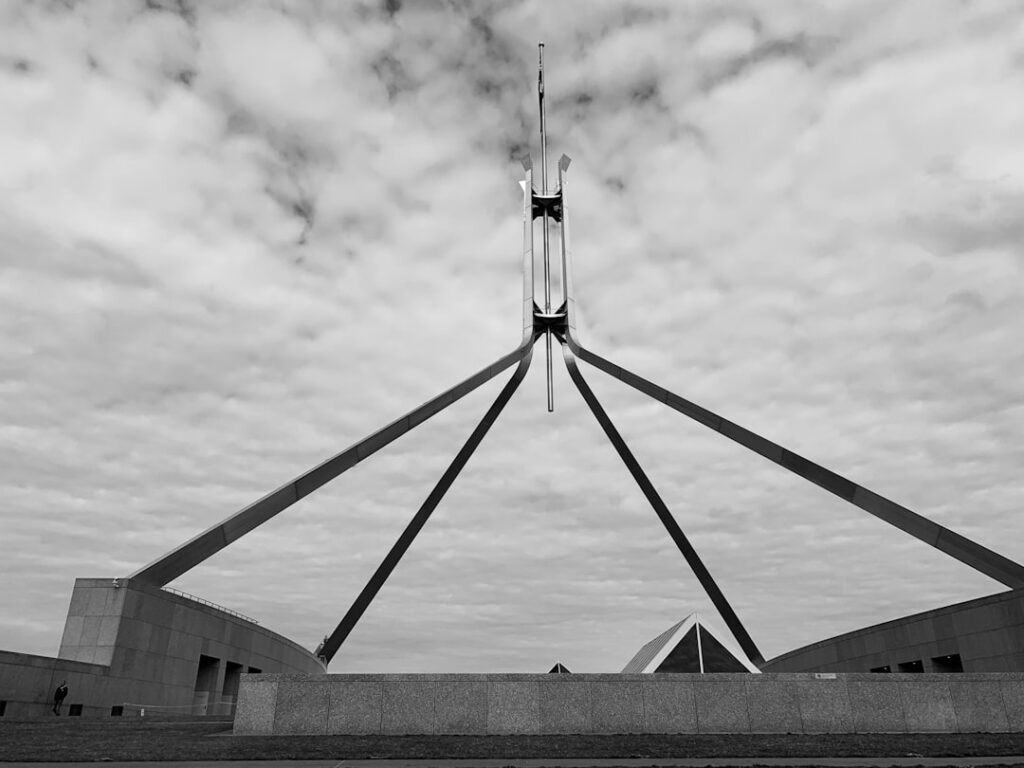
- Historic Architecture: Parliament House, opened in 1988, is a modern masterpiece built into Capital Hill, symbolizing democracy rising from the land.
- Cultural Scene: Enlighten Festival in March transforms the Parliamentary Triangle into a dazzling canvas of light, music, and food for nine nights.
- Local Specialties: You must try a Canberra District cool-climate wine, particularly a Riesling or Shiraz from a Murrumbateman cellar door.
Pro Tip: Visit during the autumn months (March to May). The weather is crisp and perfect for walking, the summer crowds have dissipated, and the city’s 500,000 trees—especially the exotic deciduous plantings—erupt in spectacular gold and red foliage, making it the most photogenic time of year.
Map of Australian Capital Territory, Australia
Use these interactive maps to explore Australian Capital Territory, Australia and plan your route:
📍 View Australian Capital Territory, Australia on OpenStreetMap
🗺️ Open Australian Capital Territory, Australia in Google Maps
Planning Your Trip: Practical Essentials
Getting There and Around
- By Air: Canberra Airport (CBR) is a 10-minute drive from the city centre, served by domestic flights from all major Australian cities. A taxi to the city costs around $35-$45, while the Airport Express bus is about $10. Book flights at Skyscanner for best deals.
- By Train: NSW TrainLink offers daily services from Sydney (approx. 4.5 hours). The train station is in Kingston, a short taxi ride from the CBD. Reserve tickets at Trainline or the national railway website.
- By Car: It’s a scenic 3-hour drive from Sydney via the Hume and Federal Highways. Parking in the Parliamentary Zone is limited; your best bet is to use the paid car parks and walk. Compare car rentals at RentalCars.com.
- Local Transport: Canberra’s public bus network, Transport Canberra, is reliable. Buy a MyWay card for cheaper fares. The free ‘Culture Loop’ bus runs on weekends, connecting major institutions. For maximum flexibility, especially to reach Tidbinbilla or the wineries, a car is highly recommended.
Best Time to Visit
Canberra experiences four distinct seasons, each offering a different vibe. Autumn is widely considered the premium time, but winter brings its own magic with clear skies and cultural events.
| Season | Weather | Highlights |
|---|---|---|
| Autumn (Mar–May) | 12°C to 25°C (54°F to 77°F), crisp and sunny | Stunning foliage, perfect walking weather, Floriade festival in autumn, fewer crowds. |
| Winter (Jun–Aug) | 1°C to 12°C (34°F to 54°F), cold, frosty mornings | Clear skies, Truffle Festival (June-July), cozy fireside dining in pubs, and the magical “Skyfire” fireworks in August. |
| Spring/Summer (Sep–Feb) | Spring: 6°C-20°C (43°F-68°F); Summer: 12°C-28°C (54°F-82°F) | Floriade (Sep-Oct), bustling outdoor cafes, and long evenings. Summer can be hot, but it’s great for lake activities. |
Budgeting for Australian Capital Territory, Australia

White and gray concrete buildings, Australian Capital Territory, Australia
| Category | Budget | Mid-range | Luxury |
|---|---|---|---|
| Accommodation | Hostel/Airbnb: $80-$120/night | Hotel in CBD/Braddon: $180-$280/night | 5-star (Hyatt, Hotel Realm): $350+/night |
| Meals | Food court/market lunch: $12-$18 | Restaurant main course: $25-$40 | Degustation at a hatted restaurant: $150+/person |
| Transport | MyWay bus card: $5/day cap | Rideshare/Taxi: $15-$30 per trip | Private car hire: $150+/day |
| Activities | Most national institutions are free | Paid museum exhibitions: $20-$30 | Private winery tours: $200+/person |
| Daily Total | $110-$170 | $250-$400 | $600+ |
Top Attractions and Must-See Sights
| Attraction | Description | Hours | Entry Fee |
|---|---|---|---|
| Australian War Memorial | A profoundly moving shrine and museum chronicing the Australian experience of war, culminating in the daily Last Post Ceremony at 4:45 pm. | 10am–5pm daily | Free (donation appreciated) |
| National Gallery of Australia | Home to over 160,000 works, including the world’s largest collection of Aboriginal and Torres Strait Islander art and Jackson Pollock’s “Blue Poles”. | 10am–5pm daily | Free (charges for special exhibitions) |
| Parliament House | Tour the chambers, stand on the grass-covered roof for panoramic views, and see the magnificent Forecourt mosaic by Indigenous artist Kumantje Jagamara. | 9am–5pm (Sat-Sun 10am-4pm) | Free |
| Questacon | The National Science and Technology Centre, with over 200 interactive exhibits; a brilliant, hands-on experience for families and the curious. | 9am–5pm daily | $23.50 Adult, $17.50 Child |
3-Day Itinerary: Australian Capital Territory, Australia’s Highlights & Hidden Gems
Day 1: The Heart of the Nation
- Morning (9 AM): Start at the Australian War Memorial. Allow at least 3 hours. Don’t rush the Hall of Memory and the Roll of Honour. The dioramas in the World War I galleries are uniquely powerful.
- Afternoon (1 PM): Walk across Anzac Parade to Lonsdale Street in Braddon for lunch. Try a legendary beef brisket roll at **Messenger**. Then, explore the National Portrait Gallery (free), a smaller, often-overlooked gem.
- Evening (6 PM): Take a sunset stroll across the Kings Avenue Bridge for views of the lake. For dinner, book a table at Pilot. in Ainslie for innovative, vegetable-focused dishes in a relaxed setting.
Day 2: Art, Architecture & Aperitifs
- Morning (10 AM): Dive into the National Gallery of Australia. Head straight to the Aboriginal and Torres Strait Islander galleries on the ground floor—they are unmissable. Then, find the sculpture garden with works by Rodin and Moore.
- Afternoon (1:30 PM): Walk to Parliament House (15 mins). Take the free guided tour (departs hourly) or explore at your own pace. Have a light lunch in the Queen’s Terrace Café. Afterwards, walk up to the grassy roof.
- Evening (5:30 PM): Drive 25 minutes to Mount Ainslie Lookout. This is the classic, postcard view down Anzac Parade to Parliament House. Then, enjoy a wine tasting and dinner at The Knox Made in Watson, a local hub in a former 1950s service station.
Day 3: Wildscapes & Winelands
- Morning (9 AM): Rent a car and drive 40 minutes to Tidbinbilla Nature Reserve ($13 per vehicle). Do the 2.5km Koala Path walk to spot koalas, kangaroos, and emus in a stunning valley setting. It’s a true bushland experience on the city’s doorstep.
- Afternoon (1 PM): Drive 15 minutes to the Murrumbateman wine region. For lunch, stop at Clonakilla (book well ahead) or the more casual Four Winds Vineyard for superb wood-fired pizza and their award-winning Sangiovese.
- Evening (7 PM): Return to the city for a final dinner in the vibrant NewActon precinct. Dine at Monster Kitchen and Bar in the artsy Ovolo Nishi hotel, a feast for the eyes and palate, before a nightcap at their hidden bar, Lucky’s Speakeasy.
Cultural Insights & Etiquette
- Language: English. A simple “hello” or “thanks” is fine. You may hear “G’day” (good day) and “No worries” (you’re welcome/it’s okay).
- Customs: Respectful conduct at memorials and war sites is paramount—speak quietly. Always acknowledge Country; it’s common for events to begin with a Welcome to Country or Acknowledgement of Traditional Custodians.
- Tipping: Not obligatory but appreciated for good service. In restaurants, 10% is a generous guide if a service charge isn’t included. Rounding up taxi fares is common.
- Dress Code: Smart-casual is suitable for most restaurants. Pack layers; even summer days can cool rapidly. Comfortable walking shoes are essential for exploring the expansive Parliamentary Triangle.
- Business Hours: Shops generally 9am-5:30pm, later on Thursdays. Cafes open early (7am). Most national institutions are open 10am-5pm. Many smaller shops close on Mondays.
Where to Eat: Australian Capital Territory, Australia’s Best Bites
Canberra’s dining scene punches well above its weight, driven by proximity to premium regional produce—think Capital Territory truffles, Murrumbateman lamb, and fresh cheese from the high country. The vibe is innovative and unpretentious, with a strong cafe culture.
Must-Try Local Specialties
- Canberra District Wine: The cool climate produces exceptional Riesling, Shiraz, and Pinot Noir. Taste them at cellar doors in Murrumbateman or Hall.
- Local Truffles: In winter (June-August), hunt for black Perigord truffles on a farm tour, then enjoy them shaved over pasta or eggs at places like Italian and Sons.
- Craft Beer: The city has a thriving microbrewery scene. Sample a pale ale or pilsner at BentSpoke Brewing Co. in Braddon, often ranked among Australia’s best.
Restaurant Recommendations by Budget
| Type | Restaurant | Specialty | Price Range |
|---|---|---|---|
| Budget | Mookie Burger (NewActon/Braddon) | Gourmet burgers and Korean-fried chicken burgers that are a local obsession. | $15-$22 per burger |
| Mid-range | Akiba (City) | Vibrant, loud Asian fusion with incredible share plates like the duck bao and fried chicken. | $50-$70 per person |
| Fine dining | Onred (Red Hill) | Modern Australian degustation with panoramic city views from the top of Red Hill. | $150+ per person for degustation |
Where to Stay
Accommodation clusters in the CBD, Braddon, and the Parliamentary triangle. For a leafy, suburban feel, look to Manuka or Kingston. Compare prices and book at Booking.com or Airbnb for apartments.
Best Neighborhoods for Accommodation
- City Centre (CBD): Central for business and close to transport hubs. Convenient but can be quiet on weekends. Best for first-time visitors who want to be in the middle of things.
- Braddon: The hipster epicentre, packed with cafes, restaurants, boutiques, and microbreweries. Lively, walkable, and perfect for foodies. Slightly noisier at night.
- Kingston/Manuka: Upscale, leafy suburbs south of the lake. Renowned for their boutique shopping precincts (the Kingston Foreshore, Manuka Circle) and excellent dining. Offers a more relaxed, village-like atmosphere.

A building with a sign on top of it, Australian Capital Territory, Australia
FAQs: Your Australian Capital Territory, Australia Questions Answered
1. Is Australian Capital Territory, Australia safe at night?
Canberra is generally a very safe city. As in any urban area, practice common sense: stick to well-lit areas in the CBD, Braddon, or Kingston at night. The main entertainment precincts are busy and safe. Avoid walking alone in isolated parkland areas after dark.
2. What currency is used and are credit cards accepted?
Australian Dollars (AUD). Credit and debit cards (Visa, Mastercard) are widely accepted almost everywhere, including taxis and most market stalls. It’s still wise to carry some cash for smaller cafes or parking meters. American Express is accepted at many but not all establishments.
3. How do I get from the airport to the city centre?
Canberra Airport is only 7km from the CBD. A taxi or rideshare (Uber) takes 10-15 minutes and costs $35-$45. The Airport Express (Route 11) bus runs frequently and costs $10.20 adult single to the City Bus Interchange. Book airport transfers at GetYourGuide for convenience.
4. Do I need to speak the local language?
English is the official language. You will have no language barriers. Australians appreciate a polite “please” and “thank you.” Learning a few words like “arvo” (afternoon) or “brekkie” (breakfast) can be fun, but is certainly not necessary.

