
“Discover hidden gems in Arusha, Tanzania: offbeat adventures & local secrets most tourists miss. Unveil unique experiences & plan your perfect trip now!”
Introduction: Why Arusha Should Be on Your Bucket List
As the sun sets over Arusha, Tanzania, the sky ignites in shades of orange and purple—a fitting welcome to this vibrant city. Far more than just a safari gateway, Arusha brims with history, culture, and adventure. Nestled at the foothills of Mount Meru, this bustling hub is a melting pot of Swahili, Maasai, and colonial influences, offering travelers an intoxicating blend of urban energy and natural beauty.
Key Highlights
- Iconic Landmarks: Visit the historic Clock Tower, Tanzania’s first electrified building, where the pulse of the city converges.
- Cultural Gems: Explore the Arusha Declaration Museum (open daily 9 AM–6 PM; $5 entry) to delve into Tanzania’s fight for independence and the socialist policies of Julius Nyerere.
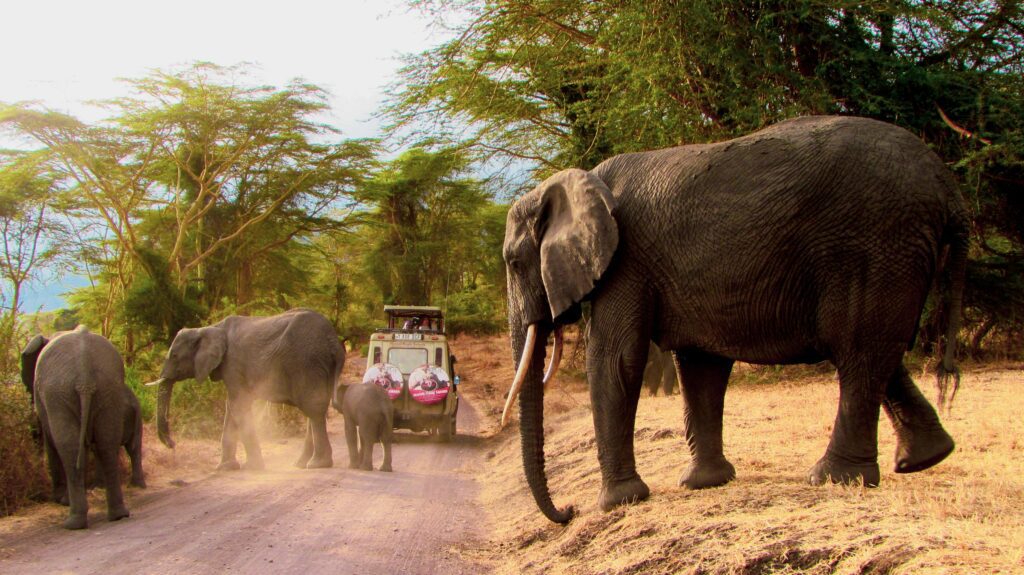
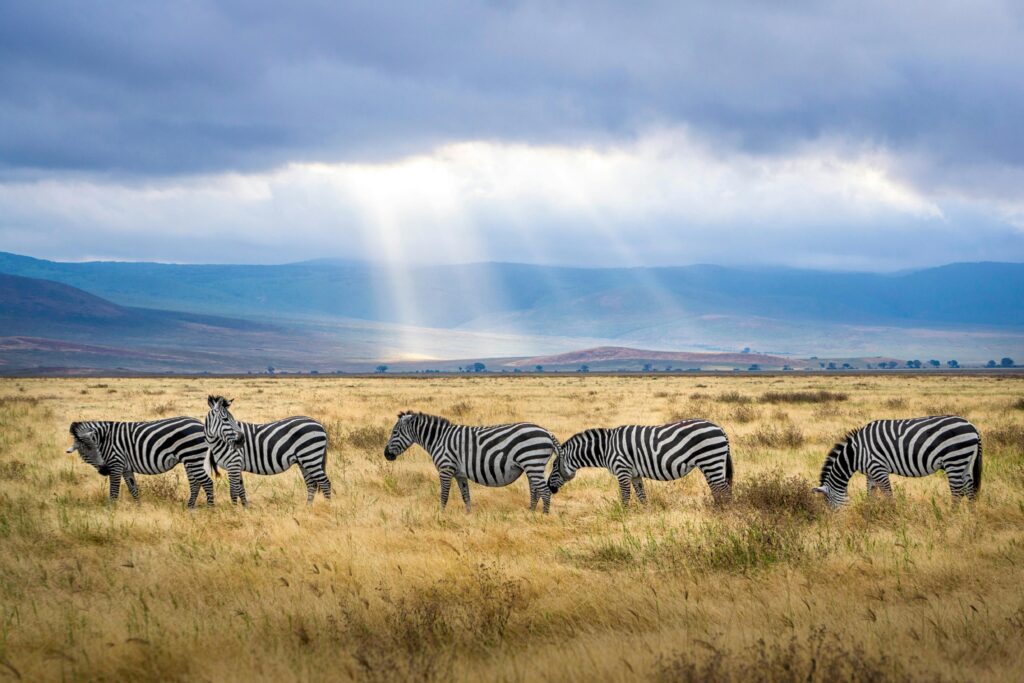
- Wildlife & Nature: Spot giraffes and flamingos in Arusha National Park, just 30 minutes from the city, where the Ngurdoto Crater and Momella Lakes create a surreal landscape.
- Local Flavors: Sip freshly brewed Tanzanian coffee at a rooftop café or haggle for spices at Central Market, where the air is thick with the scent of cardamom and cloves.
Pro Tip: Visit between June–October for dry-season safaris or January–February for lush landscapes and fewer crowds.
Map of Arusha
Best Time to Visit Arusha
Seasonal Breakdown
| Season | Months | Highlights | Considerations |
|---|---|---|---|
| Dry Season | June–October | Best for safaris, hiking Mount Meru, clear skies for photography | Higher prices, peak crowds (book lodges 3+ months ahead) |
| Short Rains | November–December | Lush greenery, fewer tourists, vibrant birdlife | Afternoon showers (pack a rain jacket) |
| Long Rains | March–May | Low-season discounts, serene landscapes | Some trails may be muddy; fewer guided tours available |
Personal Anecdote
During my visit in July, the crisp mountain air made sunrise hikes unforgettable. I’ll never forget the way the mist clung to Mount Meru’s slopes as colobus monkeys chattered in the canopy. Pro tip: Pack layers—mornings are chilly (around 12°C/54°F), but by noon, temperatures soar to 28°C (82°F).
Note: Book your Arusha National Park Tour in advance for peak season.
3-Day Arusha Itinerary: The Perfect Blend of Culture & Adventure

Day 1: City Exploration & Culture
- Morning:
- Start at the Arusha Declaration Museum (allow 1.5 hours). Don’t miss the original 1967 declaration documents under dim, reverent lighting.
- Stroll to the Clock Tower, the unofficial midpoint between Cairo and Cape Town. Snap photos of its colonial-era architecture juxtaposed with Maasai vendors in vibrant shukas.
- Afternoon:
- Lunch at Fifi’s Restaurant (try the coconut fish curry, $8).
- Shop for Maasai crafts at the Cultural Heritage Centre, a three-story gallery of Tanzanian art. Bargain for a beaded necklace (start at 50% of the asking price).
- Evening:
- Dine at Khan’s Barbecue (grilled tilapia with ugali, $6). The smoky aroma of charred meat fills the open-air courtyard.
- Nightcap at Via Via Café—their passionfruit mojito ($4) is legendary.
Day 2: Wildlife & Nature
- Morning:
- 6 AM safari in Arusha National Park ($45 entry + $20 guide fee). Keep your camera ready for giraffes silhouetted against Mount Meru and flamingos wading in Momella Lakes’ alkaline waters.
- Afternoon:
- Shanga Coffee Tour ($15): Crush coffee cherries with your hands, then sip a cup brewed from beans roasted over an open fire. The owner’s story of empowering disabled artisans is inspiring.
- Evening:
- Sunset drinks at The Arusha Coffee Lodge (their spiced coffee martini, $7, is a must). The veranda overlooks a plantation where fireflies dance at dusk.
Day 3: Off-the-Beaten-Path Adventures
- Morning:
- Hike to Mount Meru Waterfall (2-hour round trip). The trail winds through moss-covered fig trees—listen for the screech of black-and-white colobus monkeys.
- Afternoon:
- Visit the Maasai Market (Sekei Street). Watch artisans forge spearheads and bead intricate bracelets. Pro tip: Buy a kanga (colorful wrap) to blend in.
- Evening:
- Relax at Africafe with Tanzanian peaberry coffee ($3). The caramel notes pair perfectly with their mandazi (fried dough, $1).
Top Things to Do in Arusha
1. Arusha National Park
- Best for: Wildlife photography, hiking, canoe safaris.
- Entry fee: $45 (foreign adults), $15 (kids).
- Must-see: Momella Lakes’ flamingos, Ngurdoto Crater’s “Little Ngorongoro,” and the chance to spot rare black-and-white colobus monkeys.
- Hidden gem: Canoe past hippos at dawn ($30 extra)—the water mirrors the pink sky.
2. Maasai Market
- Best for: Authentic souvenirs (beadwork, kangas, soapstone carvings).
- Bargaining tip: Smile and ask, “Bei ya rafiki?” (“Friend’s price?”). Settle at 60–70% of the initial quote.
- Cultural insight: Maasai vendors may invite you to share a gourd of mursik (fermented milk)—a sign of respect.
3. Mount Meru Trek
- Duration: 3–4 days (shorter than Kilimanjaro but equally stunning).
- Difficulty: Moderate; summit at 4,566 meters (14,980 ft).
- Cost: $800–$1,200 (includes permits, guides, and huts).
- Best memory: Watching the sunrise from Socialist Peak, with Kilimanjaro glowing in the distance.
Personal Anecdote: Sipping spiced chai with Maasai villagers near Olpopongi—their laughter echoing under a star-strewn sky—was my most cherished cultural exchange.
Essential Travel Tips for Arusha
Transportation
- Taxis: Always negotiate fares upfront (~$5–$10 for short trips). Ask your hotel to call a trusted driver.
- Dala-Dalas: Cheap ($0.50) but crowded minibuses—best for short hops (e.g., Clock Tower to Central Market).
- Private Drivers: $50/day for park transfers; safer for night travel.
Safety Tips
- Avoid walking alone at night in dimly lit areas like Themi.
- Keep valuables in a money belt—pickpockets target crowded markets.
- Scam alert: “Friendly” guides may overcharge; book through registered tour operators.
Packing List
- Clothing: Lightweight layers, a wide-brimmed hat, and a shuka (Maasai wrap) for cultural sites.
- Gear: Binoculars for safaris, a reusable water bottle (tap water isn’t safe), and a Swahili phrasebook.
FAQs About Traveling to Arusha
1. Is Arusha safe for tourists?
Yes, but exercise caution. Stick to well-lit areas at night, avoid displaying expensive cameras, and use registered taxis. Petty theft is the main concern.
2. What’s the best way to get around?
Taxis or private drivers are safest. For budget travelers, dala-dalas are an adventure—just mind your belongings.
3. Can I visit Arusha as a solo traveler?
Absolutely! Stay in social hostels like Arusha Backpackers ($10/night) or join group tours to meet others.
4. Do I need a visa for Tanzania?
Most nationalities require a visa ($50–$100). Apply online via Tanzania Immigration or get one on arrival (allow 1+ hour at Kilimanjaro Airport).
5. What’s the local currency?
Tanzanian Shillings (TZS), but USD is accepted for tours and lodges. ATMs dispense TZS (avoid street money changers).
Conclusion: Start Your Arusha Adventure Today!
From wildlife safaris to vibrant markets, Arusha offers an unforgettable mix of experiences. Whether you’re a history buff tracing Tanzania’s independence, an adventure seeker summiting Mount Meru, or a foodie savoring Swahili cuisine, this Tanzanian gem has something for you.
Note: Book your Arusha trip now before peak season sells out!
Keywords:
“Arusha travel guide” “things to do in Arusha” “best time to visit Arusha” “where to stay in Arusha” “Arusha safari tours”

