
Aru Islands, Indonesia’s Best Pearls, Prehistoric Forests & Papuan Culture (2026)
What if you could explore an archipelago where the primary currency for centuries wasn’t gold, but pearls? The Aru Islands, a sprinkle of 95 low-lying isles in the Arafura Sea, were once the epicenter of the global pearl shell trade, a secret guarded by Makassan and later European traders. Today, fewer than 500 international tourists a year venture this far into eastern Indonesia, bypassing the well-trodden paths of Bali for a frontier where dugongs outnumber people and the jungle holds birds of paradise unseen elsewhere on Earth.
Why Aru Islands, Indonesia Stands Out

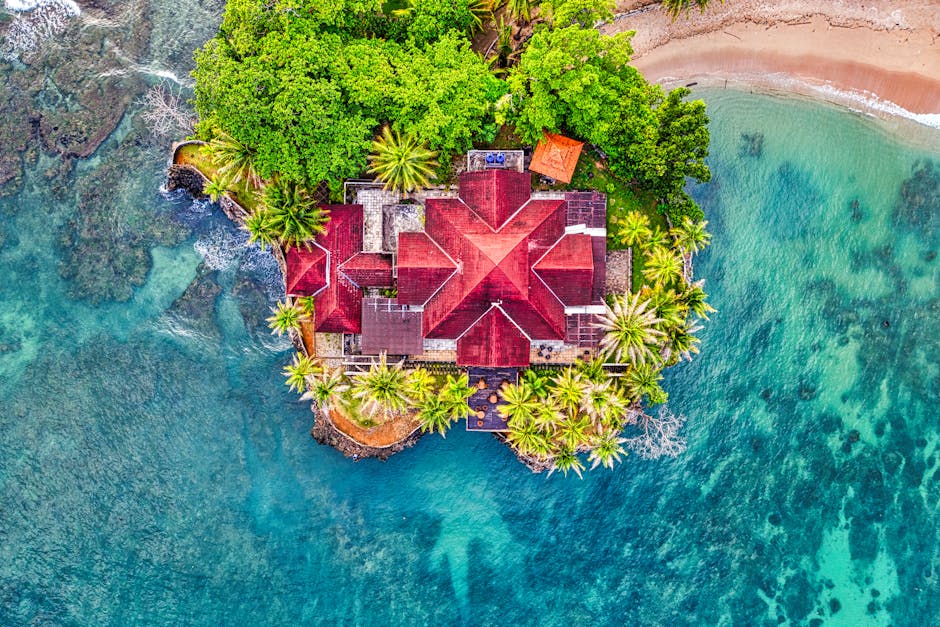
Explore the picturesque bay of Padar Island with its lush hills and turquoi…, Aru Islands, Indonesia
- Historic Architecture: The remnants of Dutch colonial warehouses in Dobo, the main port, built in the 1850s during the pearl rush, stand as weathered monuments to the islands’ lucrative and turbulent past.
- Cultural Scene: The mesmerizing Lego-lego dance, a communal circle dance performed during festivals like the annual Pesta Laut (Sea Festival) in May, where rhythmic chanting and synchronized movement tell ancestral stories.
- Local Specialties: Papeda, a sticky, savory sago porridge made from the trunk of the sago palm, served with a rich, yellow fish soup—a staple that defines the local Maluku-Papuan cuisine.
Pro Tip: Your best bet for smooth travel is during the dry season from May to October. For a truly unique experience, plan your visit around the Pesta Laut in Dobo, usually in early May, but confirm exact dates locally as they can shift. This is when the islands are most vibrant, but book flights and basic homestays months in advance.
Map of Aru Islands, Indonesia
Use these interactive maps to explore Aru Islands, Indonesia and plan your route:
📍 View Aru Islands, Indonesia on OpenStreetMap
🗺️ Open Aru Islands, Indonesia in Google Maps
Planning Your Trip: Practical Essentials
Getting There and Around
- By Air: The main gateway is Dobo’s Mathilda Batlayeri Airport (DOB). You’ll connect via Ambon (AMQ) or Tual (LUV) with Wings Air or Nam Air. Flights are limited (2-3 times weekly) and small, so book early. Book flights at Skyscanner for best deals.
- By Train: No train service exists to or within the Aru Islands, given its remote island geography.
- By Car: There are no car rental agencies. In Dobo, you can hire an ojek (motorcycle taxi) or a local driver with a car for day trips to nearby villages. For inter-island travel, boats are your only option.
- Local Transport: Transport between islands is via public ferries (slow, infrequent) or chartered longboats (fast, expensive). Within islands, travel is by ojek (approx. 20,000-50,000 IDR per short trip) or walking. There are no formal schedules; ask at the harbor in Dobo.
Best Time to Visit
The climate is tropical, with a distinct wet and dry season. Savvy travelers aim for the dry season for calmer seas and easier exploration, though the wet season brings lush, vibrant greenery.
| Season | Weather | Highlights |
|---|---|---|
| Dry Season (May–Oct) | Hot, 28-32°C (82-90°F), lower humidity, minimal rain. | Best for boat travel, birdwatching, and festivals; peak season for limited tourism. |
| Wet Season (Nov–Apr) | Very humid, 27-30°C (81-86°F), daily heavy rainfall and thunderstorms. | Lush landscapes, fewer visitors; travel can be disrupted by rough seas and flooded paths. |
| Shoulder (Apr/Oct-Nov) | Transitional, with sporadic rain but generally manageable conditions. | A good balance of decent weather and slightly lower chance of crowds, though “crowds” are relative here. |
Budgeting for Aru Islands, Indonesia

View of traditional Balinese temple gates with scenic Mount Agung in the di…, Aru Islands, Indonesia
| Category | Budget | Mid-range | Luxury |
|---|---|---|---|
| Accommodation | 150,000 – 300,000 IDR/night (basic losmen/homestay) | 500,000 – 800,000 IDR/night (simple hotel in Dobo) | Luxury hotels do not exist; top end is a well-organized liveaboard dive boat (from $200+/day). |
| Meals | 20,000 – 50,000 IDR (warung meals, nasi campur) | 75,000 – 150,000 IDR (restaurant seafood dinner) | Fine dining is not available; splurge on a private boat charter with a cook. |
| Transport | 50,000 IDR/day (local ojeks) | 300,000 – 500,000 IDR/day (private ojek/car for island tours) | 1,500,000+ IDR/day (private longboat charter between islands) |
| Activities | Free (beaches, village walks) | 200,000 IDR (guided jungle trek, village donation) | 2,000,000+ IDR (multi-day guided expedition to see Birds of Paradise) |
| Daily Total | 220,000 – 400,000 IDR ($14-$26) | 1,075,000 – 1,950,000 IDR ($70-$125) | 3,700,000+ IDR ($240+) |
Top Attractions and Must-See Sights
| Attraction | Description | Hours | Entry Fee |
|---|---|---|---|
| Kobroor Island Forests | Trek through prehistoric-feeling forests on Aru’s largest island, home to unique wildlife like the Aru flying fox and elusive birds of paradise. | Daylight hours; guide essential | Free, but guide fee ~200,000 IDR |
| Dobo Harbor & Old Town | Wander the historic port area, seeing old Dutch warehouses and the vibrant fish market, the bustling heart of the islands. | Market is busiest 5-9 AM | Free |
| Trangan Island Beaches | Discover utterly secluded, white-sand beaches like Ngaibor, with crystal-clear water perfect for snorkeling off pristine shores. | Always open | Free |
| Traditional Sasi Villages | Visit villages like Longgar to see the Sasi tradition—customary law markers (wooden poles) governing natural resource use. | Respectful visits during day; ask permission | Small donation (20,000-50,000 IDR) |
3-Day Itinerary: Aru Islands, Indonesia’s Highlights & Hidden Gems
Day 1: Dobo Discovery & Cultural Immersion
- Morning (7-9 AM): Start at Dobo’s frenetic fish market. Watch the night’s catch come in—barramundi, giant trevally, and maybe even a shark. Your best bet for photos is just after sunrise.
- Afternoon (12-3 PM): Explore the old Dutch quarter, then head to Rumah Makan Selera near the harbor for lunch. Order the Ikan Bakar Rica (grilled fish with spicy rica sauce) for about 75,000 IDR.
- Evening (6-8 PM): Take a stroll along the waterfront as the boats settle. For dinner, try Warung Padang Sari for hearty nasi campur. As night falls, listen for the call to prayer blending with the hum of generators—the signature sound of Dobo after dark.
Day 2: Island Hop to Trangan’s Secrets
- Morning (7 AM): Charter a local longboat from Dobo harbor to Trangan Island (approx. 1.5 hours, 800,000 IDR round-trip for boat). Pack water, snacks, and snorkel gear.
- Afternoon (12-3 PM): Arrive at Ngaibor Beach. You’ll likely have the entire crescent of powder sand to yourself. Snorkel the shallow reef. For lunch, you’ll need to bring your own picnic or arrange with your boat captain to buy fresh fish from a passing fisherman to grill on the beach.
- Evening (5 PM): Return to Dobo. Clean up and enjoy a relaxed dinner at your losmen or a simple warung. Locals recommend an early night after a day in the sun and sea.
Day 3: Forest Trek & Village Life on Kobroor
- Morning (6 AM): Hire an ojek (approx. 300,000 IDR for half-day) to the ferry crossing to Kobroor, then another to the village of Longgar. The journey is an adventure in itself. Secure a local guide in Longgar (essential, ~200,000 IDR) for a forest trek.
- Afternoon (12 PM): Your guide will point out sago palms, medicinal plants, and with immense luck, the distant call or flash of color from a Greater Bird of Paradise. Return to Longgar for a simple lunch, perhaps tasting papeda if arranged with a family.
- Evening (4 PM): Journey back to Dobo. For your final evening, savor a sunset drink by the harbor, reflecting on a world far removed from the ordinary.
Cultural Insights & Etiquette
- Language: Indonesian is essential. Local languages (like Dobel) are also spoken. Learn: “Terima kasih” (Thank you), “Permisi” (Excuse me), “Boleh foto?” (May I take a photo?).
- Customs: Always ask permission before entering a village or taking photos of people. The Sasi poles are sacred; do not touch them. Handshakes are common, but use your right hand.
- Tipping: Not expected but greatly appreciated for good service, especially for guides and boat captains. Rounding up or adding 10-20% is a generous gesture.
- Dress Code: Modesty is key, especially outside Dobo. Cover shoulders and knees in villages. Swimwear is only for the beach.
- Business Hours: Government hours: ~8 AM-3 PM, Mon-Fri. Shops open earlier and close later, but Sunday is quiet. Major Islamic holidays can shut everything down.
Where to Eat: Aru Islands, Indonesia’s Best Bites
Dining here is about fresh, simple ingredients from the sea and forest. Don’t expect fancy menus; the joy is in the incredible freshness of the fish and the unique texture of local staples like sago.
Must-Try Local Specialties
- Papeda with Yellow Fish Soup: The iconic dish. The sago porridge is flavorless but filling, designed to soak up the rich, turmeric-based soup with chunks of mackerel or tuna. Try it at a local warung or if invited to a home.
- Ikan Bakar (Grilled Fish): Freshly caught fish, simply grilled over coconut husks with a smear of spicy dabu-dabu or rica sambal. Best at harbor-side stalls in Dobo at dusk.
- Sagu Lempeng (Sago Pancakes): A simple, flat pancake made from sago flour, often eaten as a snack. You’ll find them being cooked on roadside griddles.
Restaurant Recommendations by Budget
| Type | Restaurant | Specialty | Price Range |
|---|---|---|---|
| Budget | Warung Padang Sari (Dobo Main St.) | Various lauk pauk (side dishes) with rice, served buffet-style. | 20,000 – 40,000 IDR |
| Mid-range | Rumah Makan Selera (Dobo Harbor) | Fresh grilled seafood and standard Indonesian rice dishes. | 60,000 – 150,000 IDR |
| Fine dining | Not applicable. For a special meal, arrange a private seafood barbecue on a beach through your accommodation or a boat captain. | Fresh lobster, crab, or giant prawns cooked to order. | 200,000+ IDR per person |
Where to Stay
Accommodation is basic. Dobo has a handful of simple hotels and losmen (guesthouses). Outside Dobo, homestays are rare and should be arranged locally with a guide. Manage your expectations: running water and 24-hour electricity are not guaranteed. Compare prices and book at Booking.com for Dobo options, but be prepared to call directly as online listings are sparse.
Best Neighborhoods for Accommodation
- Central Dobo (near Harbor): The most practical base. You’ll be close to transport, food, and services. It can be noisy but is supremely convenient. Suits first-time visitors and those on a short trip.
- Quieter Dobo Streets: A few losmen are set back from the main road. You trade a short walk for more peace at night. Ideal for light sleepers.
- Other Islands (Kobroor, Trangan): For true adventurers only. Staying requires prior arrangement with village heads or guides. Offers deep immersion but no tourist facilities. Suits expedition-style travelers and researchers.

Breathtaking aerial shot of Padar Island, Aru Islands, Indonesia
FAQs: Your Aru Islands, Indonesia Questions Answered
1. Is Aru Islands, Indonesia safe at night?
Dobo is generally safe, but it’s a small port town. Exercise normal caution: avoid dark, isolated areas and don’t flash valuables. Outside Dobo, safety is more about environmental awareness—having a guide in the jungle, being cautious on boats. The people are famously hospitable, but petty crime can occur anywhere.
2. What currency is used and are credit cards accepted?
The Indonesian Rupiah (IDR) is the only currency. Bring ample cash from Ambon or Tual before you fly in. There are only one or two ATMs in Dobo, and they frequently run out of cash or are offline. Credit cards are virtually useless except at maybe one hotel. Plan to operate entirely on cash.
3. How do I get from the airport to the city center?
Mathilda Batlayeri Airport is very close to Dobo. Your best bet is to take an ojek (motorcycle taxi) for about 20,000-30,000 IDR for a 10-minute ride. Sometimes your losmen will arrange a pick-up. There are no official

