
Ardabil, Iran’s Essential Carpets, Hot Springs & Safavid Soul (2026)
While crowds flock to the turquoise domes of Isfahan, Ardabil, Iran delivers a profound sense of history and a cooler, mountainous climate without the tourist throngs. Here, you’ll find the spiritual birthplace of the mighty Safavid Empire, which unified Persia in 1501, yet fewer than 5% of Iran’s international visitors make the journey north. What they’re missing is a city where history isn’t just displayed in museums; it’s woven into the world’s most valuable carpet and flows from therapeutic, mineral-rich springs.
Why Ardabil, Iran Stands Out

A close up of a wooden door with a handle, Ardabil, Iran
- Historic Architecture: The Sheikh Safi al-Din Khanegah and Shrine Ensemble, a 16th-century UNESCO World Heritage site, is a masterpiece of Persian architecture and the spiritual heart of the Safavid dynasty.
- Cultural Scene: The annual Carpet Weaving Festival in late summer showcases master weavers creating intricate Ardabil patterns, a craft designated as UNESCO Intangible Cultural Heritage.
- Local Specialties: You must try Ash-e Doogh, a uniquely tangy and hearty yogurt-based soup with herbs, legumes, and meatballs, found nowhere else in Iran quite like this.
Pro Tip: For the perfect balance of pleasant weather and vibrant local life, visit during the shoulder months of May or September. You’ll avoid the summer peak and the sometimes harsh winter chill, while catching the city in a more relaxed state, ideal for exploring the bazaar and shrine complex without crowds.
Map of Ardabil, Iran
Use these interactive maps to explore Ardabil, Iran and plan your route:
📍 View Ardabil, Iran on OpenStreetMap
🗺️ Open Ardabil, Iran in Google Maps
Planning Your Trip: Practical Essentials
Getting There and Around
- By Air: Ardabil Airport (ADU) has daily flights from Tehran on Iran Air and ATA Airlines. A taxi to the city center takes 20 minutes and costs around 500,000 IRR. Book flights at Skyscanner for best deals.
- By Train: While Ardabil itself isn’t on the main rail line, the closest major station is in Tabriz. From there, it’s a 3-hour bus or taxi ride. Reserve tickets at Trainline or the national railway website.
- By Car: The drive from Tabriz on Route 16 is scenic and takes about 3 hours. Parking in the city center is manageable. Compare car rentals at RentalCars.com.
- Local Transport: Shared taxis (savari) are the most efficient way to get around, with short trips costing 100,000-200,000 IRR. City buses are extremely cheap (under 50,000 IRR) but routes can be confusing for non-Persian speakers.
Best Time to Visit
Ardabil’s high-altitude location (1350m) gives it a notably cooler climate than much of Iran. Summers are mild and perfect for escaping the heat, while winters are cold and snowy, transforming the city into a gateway for hot spring enthusiasts.
| Season | Weather | Highlights |
|---|---|---|
| Summer (Jun–Aug) | Mild, 12–25°C (54–77°F), sunny days, cool nights. | Ideal for sightseeing and day trips to Mount Sabalan. Peak domestic tourism. |
| Winter (Dec–Feb) | Cold, -5 to 5°C (23–41°F), frequent snow. | Magical snowy scenery at the shrine; prime season for the hot springs in Sareyn. Few foreign tourists. |
| Shoulder (Apr–May/Sep–Oct) | Pleasant, 5–20°C (41–68°F), occasional rain. | The sweet spot. Comfortable exploration, vibrant bazaars, and the best chance for clear views of Mount Sabalan. |
Budgeting for Ardabil, Iran

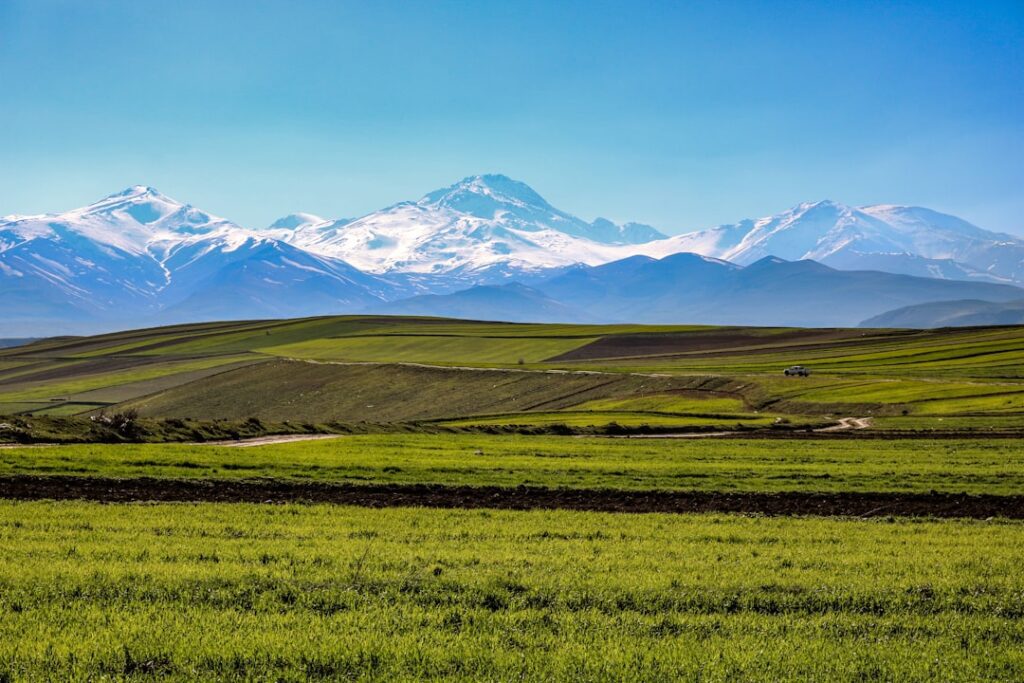
A snow covered mountain with a cloudy sky, Ardabil, Iran
| Category | Budget | Mid-range | Luxury |
|---|---|---|---|
| Accommodation | Guesthouse: 3,000,000 IRR/night | 3-star hotel: 8,000,000 IRR/night | 4-star hotel: 15,000,000+ IRR/night |
| Meals | Street food & Ash-e Doogh: 1,500,000 IRR/day | Local restaurants: 3,000,000 IRR/day | Fine dining: 6,000,000+ IRR/day |
| Transport | Public buses & shared taxis: 500,000 IRR/day | Private taxi for day: 4,000,000 IRR | Private car & driver: 8,000,000+ IRR/day |
| Activities | Shrine complex (free), Bazaar, Parks | Museums, Sareyn hot spring entry (~500,000 IRR) | Private guided historical tour |
| Daily Total | ~5,000,000 IRR | ~15,000,000 IRR | ~30,000,000+ IRR |
Top Attractions and Must-See Sights
| Attraction | Description | Hours | Entry Fee |
|---|---|---|---|
| Sheikh Safi al-Din Shrine Complex | A breathtaking journey through Safavid art, featuring the stunning Allah Allah Dome and a museum holding a fragment of the famed Ardabil Carpet. | 8:00 AM – 8:00 PM (Spring/Summer), 8:00 AM – 5:00 PM (Fall/Winter) | Foreigners: ~1,000,000 IRR |
| Ardabil Bazaar | A living, covered marketplace where you can watch craftsmen weave the city’s famous carpets and find exquisite copperware and local honey. | 9:00 AM – 9:00 PM (shops vary) | Free |
| Sareyn Hot Springs | A town 30km west famed for its sulfuric and radioactive mineral springs, believed to have healing properties for arthritis and skin conditions. | Public baths: 7:00 AM – 11:00 PM | Public bath entry: ~500,000 IRR |
| Jameh Mosque of Ardabil | An ancient Seljuk-era mosque, showcasing simpler, older architectural styles compared to the lavish Safavid shrine. | 8:00 AM – 6:00 PM | Free |
3-Day Itinerary: Ardabil, Iran’s Highlights & Hidden Gems
Day 1: The Soul of the Safavids
- Morning (7-9 AM): Start at the **Sheikh Safi al-Din Shrine Complex** right as it opens. Your best bet is to head straight to the **Chini Khaneh** (Porcelain House) to see its exquisite tilework in the soft morning light. Don’t miss the small museum housing a section of the original 16th-century Ardabil Carpet.
- Afternoon (12-3 PM): Walk to the bustling **Ardabil Bazaar**. For lunch, find a small stall or local eatery like **Kebab-e Sonnati Shandiz** for delicious koobideh kebabs. Explore the carpet workshops and copperware sections.
- Evening (6-8 PM): Stroll through **Shurabil Lake Park** on the city’s outskirts. Follow the locals and have dinner at **Restaurant-e Shazdeh**, known for its traditional Ardabili stews and fresh sangak bread.
Day 2: Thermal Waters & Mountain Air
- Morning (8 AM): Hire a private taxi for the day (~4,000,000 IRR) for the 40-minute drive to **Sareyn**. Visit the **public mineral baths** (separate sections for men and women) for a therapeutic soak. The water is a constant 42°C (108°F).
- Afternoon (1 PM): Enjoy lunch in Sareyn at a local restaurant specializing in **Dizi Sang** (a meat and bean stew cooked in a stone pot). Afterwards, drive towards the foothills of **Mount Sabalan** for breathtaking views; in clear weather, you can see the dormant volcano’s peak.
- Evening (7 PM): Return to Ardabil. For a relaxed evening, visit a traditional **Chaikhaneh (tea house)** near the bazaar for tea and conversation.
Day 3: History, Handicrafts & Honey
- Morning (9 AM): Visit the **Jameh Mosque** for its Seljuk-era simplicity. Then, head to the **Ardabil Anthropology Museum** (located in the historic Bathhouse of Vakil) to see exhibits on local nomadic tribes.
- Afternoon (12 PM): Have a final feast of **Ash-e Doogh** at a renowned spot like **Ashpazkhaneh Sonnati Agha Mihman**. Afterwards, do some last-minute shopping in the bazaar for authentic Ardabil honey and perhaps a small kilim (flat-woven rug).
- Evening (5 PM): Take a final contemplative walk around the shrine complex at dusk, when the lighting gives the turquoise tiles a magical glow, before your departure.
Cultural Insights & Etiquette
- Language: Persian (Farsi) is spoken. Key phrases: “Salam” (Hello), “Merci” (Thank you), “Lotfan” (Please). Azeri Turkish is also widely spoken. English is limited outside hotels.
- Customs: Hospitality (mehman navazi) is sacred. If invited to a home, bring a small gift like pastries. Always remove shoes when entering a home or carpeted shop.
- Tipping: Not mandatory but appreciated. Round up taxi fares. In restaurants, 5-10% is generous if service charge isn’t included.
- Dress Code: For women, a headscarf (rousari) and manteau (long coat) are mandatory in public. Men should avoid shorts. Dress modestly at all times, especially in religious sites.
- Business Hours: Government offices & banks: 7:30 AM – 3:30 PM (Sat-Wed). Bazaars & shops: 9 AM – 9 PM, often closed Friday. Many places close for lunch (12-4 PM).
Where to Eat: Ardabil, Iran’s Best Bites
Ardabil’s cuisine is hearty, dairy-rich, and influenced by its cool climate and Turkic culture. Yogurt features prominently, and meals are designed to warm you up. Dining is a social affair, so don’t rush.
Must-Try Local Specialties
- Ash-e Doogh: The city’s signature sour yogurt soup with herbs, chickpeas, and meatballs. Find the most authentic versions in small, traditional ashpazkhanehs (soup kitchens) in the old town.
- Kufteh Tabrizi: Giant, spiced meatballs stuffed with prunes, walnuts, and boiled eggs. While named for Tabriz, Ardabil’s versions are famously delicate and flavorful.
- Local Honey & Butter: Ardabil’s mountain pastures produce exceptional, fragrant honey and rich, yellow butter. They’re often served together with fresh bread for a simple, delicious breakfast.
Restaurant Recommendations by Budget
| Type | Restaurant | Specialty | Price Range |
|---|---|---|---|
| Budget | Ashpazkhaneh Sonnati Agha Mihman (near Bazaar) | Authentic Ash-e Doogh and other traditional stews | 1,500,000 – 2,500,000 IRR |
| Mid-range | Restaurant-e Shazdeh (Shurabil Park area) | Excellent kebabs, Dizi, and a great view | 3,000,000 – 5,000,000 IRR |
| Fine dining | Bagh-e Behesht Restaurant (inside a garden complex) | Upscale presentation of Persian classics in a beautiful setting | 6,000,000 IRR+ |
Where to Stay
Accommodation in Ardabil ranges from basic guesthouses to modern hotels. Staying near Imam Khomeini Street or the shrine offers the best access to major sights. Compare prices and book at Booking.com or Airbnb for apartments.
Best Neighborhoods for Accommodation
- City Center (Near Shrine & Bazaar): The most historic and convenient area. You can walk to major sights, but streets can be busy. Best for first-time visitors and history buffs.
- Shurabil Lake Area: A quieter, more modern district with parks and newer hotels. It’s a short taxi ride from the center and offers pleasant walks. Ideal for families and those wanting a calmer base.
- Along Imam Khomeini Street: The main thoroughfare, lined with shops, restaurants, and many mid-range hotels. Excellent transport links and plenty of dining options right outside your door.

A view of a bridge in the middle of a valley, Ardabil, Iran
FAQs: Your Ardabil, Iran Questions Answered
1. Is Ardabil, Iran safe at night?
Ardabil is generally very safe for travelers at night. Violent crime is rare. As in any city, practice common sense: stick to well-lit main streets, be aware of your belongings in crowded areas, and consider using a registered taxi for longer late-night journeys. Locals are often protective and helpful towards visitors.
2. What currency is used and are credit cards accepted?
The currency is the Iranian Rial (IRR). Due to international sanctions, foreign credit/debit cards (Visa, Mastercard) and traveler’s checks do NOT work. You must bring all your money in cash (Euros or US Dollars are best) and exchange it at official exchange offices (Sarrafi) in the city. Keep your exchange receipts.
3. How do I get from the airport to the city center?
Ardabil Airport (ADU) is only about 10km from downtown. Your options are a pre-booked private transfer (arranged by your hotel, ~700,000 IRR), an airport taxi (negotiate to ~500,000 IRR), or a rare city bus. The drive takes 20-30 minutes. Book airport transfers at GetYourGuide for convenience.
4. Do I need to speak the local language?
You do not need to speak Persian, but learning a few basic phrases will greatly enhance your experience and is appreciated by locals. English is not widely spoken outside major hotel receptions. Having your destination written in Persian script on your phone or a piece of paper is a savvy traveler’s trick

