
Anuradhapura, Sri Lanka: Essential Sacred Trees, Ancient Stupas & Timeless Serenity (2026)
Just after dawn, the scent of frangipani and sandalwood incense hangs heavy around the Sri Maha Bodhi, a sacred fig tree whose lineage dates back to 288 BC. As saffron-robed monks chant softly, pilgrims place lotus blossoms at its guarded roots. This isn’t just a historical site; it’s the world’s oldest living human-planted tree with a known planting date, and the spiritual heartbeat of a city that served as a capital for over 1,300 years. Here, history isn’t studied; it’s felt in the cool stone of a moonstone and the resonant ring of a temple bell.
Why Anuradhapura, Sri Lanka Stands Out

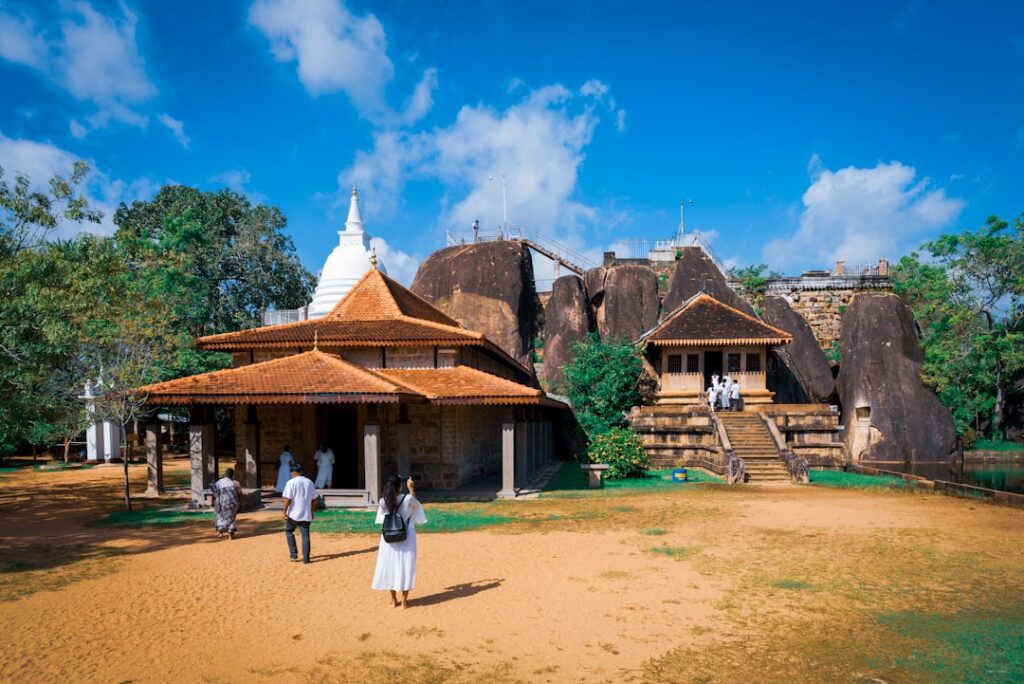
A house sitting on top of a lush green field next to a lake, Anuradhapura, Sri Lanka
- Historic Architecture: The Jetavanaramaya Stupa, built in the 3rd century, was once the third-tallest structure in the ancient world, a brick marvel that still inspires awe.
- Cultural Scene: The Poson Poya festival in June transforms the city with lanterns and devotional acts, commemorating the introduction of Buddhism to Sri Lanka in 247 BC.
- Local Specialties: You must try Kottu Roti at a local “kottu” shop—a rhythmic, stir-fried dish of shredded roti, vegetables, and your choice of meat, a symphony of flavor and sound.
Pro Tip: Purchase the “Cultural Triangle” ticket ($25) at the Archaeological Museum. It grants single-entry access to Anuradhapura and other major sites like Polonnaruwa and Sigiriya, saving you money if you’re touring the region. For the best experience, explore the sacred sites early (6:30 AM-10 AM) to avoid the intense midday heat and crowds.
Map of Anuradhapura, Sri Lanka
Use these interactive maps to explore Anuradhapura, Sri Lanka and plan your route. The ancient city is vast, spanning over 40 square kilometers, so planning your circuit from the sacred Bodhi tree northward is your best bet.
📍 View Anuradhapura, Sri Lanka on OpenStreetMap
🗺️ Open Anuradhapura, Sri Lanka in Google Maps
Planning Your Trip: Practical Essentials
Getting There and Around
- By Air: Bandaranaike International Airport (CMB) in Colombo is the main gateway. From there, a 4-5 hour drive or a scenic train ride gets you to Anuradhapura. Book flights at Skyscanner for best deals.
- By Train: The intercity express train from Colombo Fort to Anuradhapura is a journey through rural heartland, taking about 4 hours. First and second-class reserved seats are recommended. Reserve tickets at Trainline or the national railway website.
- By Car: Driving from Colombo via the A9 highway offers flexibility. Hiring a car with a driver for the day (approx. $40-$60) is a popular and stress-free way to navigate the sprawling archaeological park. Compare car rentals at RentalCars.com.
- Local Transport: The most common ways to explore are by hired tuk-tuk (negotiate a half/full-day rate of $15-$30), bicycle (rentals for $3-$5/day), or your own vehicle. Distances between major stupas are significant.
Best Time to Visit
Anuradhapura is in Sri Lanka’s dry zone, meaning it’s warm year-round. The key is balancing pleasant weather with cultural events.
| Season | Weather | Highlights |
|---|---|---|
| Dry Season (May–Sep) | Hot and dry, 28°C–34°C (82°F–93°F). Low chance of rain. | Ideal for sunrise exploration. Includes the vibrant Poson Poya festival in June. Peak tourist season. |
| Cool Season (Dec–Feb) | Most pleasant, 22°C–30°C (72°F–86°F). Cooler nights. | Perfect weather for extensive walking and cycling around the ruins. High season with more visitors. |
| Shoulder (Mar–Apr/Oct–Nov) | Hotter, with a chance of brief afternoon showers in Nov. | Fewer crowds, greener landscapes after rains. Good for photography and a more solitary experience. |
Budgeting for Anuradhapura, Sri Lanka

A large white dome with a clock on top of it, Anuradhapura, Sri Lanka
| Category | Budget | Mid-range | Luxury |
|---|---|---|---|
| Accommodation | $15–$25 (guesthouse, basic hotel) | $40–$80 (comfortable hotel with AC) | $120+ (heritage boutique hotel) |
| Meals | $5–$10 (local rice & curry, kottu) | $10–$20 (restaurant meals) | $30+ (fine dining at top hotels) |
| Transport | $5 (bicycle rental) | $25 (tuk-tuk for day) | $60+ (private car & driver) |
| Activities | $25 (Cultural Triangle ticket) | $40 (ticket + guided tour) | $100+ (private archaeologist guide) |
| Daily Total | $50–$65 | $100–$150 | $250+ |
Top Attractions and Must-See Sights
| Attraction | Description | Hours | Entry Fee |
|---|---|---|---|
| Sri Maha Bodhi (Sacred Bo Tree) | The revered offspring of the Buddha’s enlightenment tree, guarded 24/7 for over 2,300 years. | 24/7 (best at dawn) | Free (donation customary) |
| Ruwanwelisaya Stupa | A dazzling white dome restored to its ancient glory, considered an architectural masterpiece of King Dutugemunu. | 6:00 AM–9:00 PM | Included in CT ticket |
| Jetavanaramaya Stupa | An immense brick stupa whose scale humbles every visitor; once housed a part of the Buddha’s sash. | 7:00 AM–6:00 PM | Included in CT ticket |
| Abhayagiri Monastery Complex | A vast university monastery with the iconic Samadhi Buddha statue and twin ponds. | 7:00 AM–6:00 PM | Included in CT ticket |
| Isurumuniya Rock Temple | Famous for its exquisite stone carvings, including the legendary “Lovers,” set beside a rock-cut pool. | 8:00 AM–6:00 PM | ~$2 (separate fee) |
3-Day Itinerary: Anuradhapura, Sri Lanka’s Highlights & Hidden Gems
Day 1: The Sacred Heart & Imperial Grandeur
- Morning (7:00 AM): Start at the Sri Maha Bodhi. Soak in the dawn rituals. Then, walk to the stunning white Ruwanwelisaya Stupa. Circumambulate with pilgrims—it’s a profoundly peaceful experience.
- Afternoon (12:30 PM): Visit the Archaeological Museum (entry ~$3) to contextualize the ruins. For lunch, head to Mango Mango for their superb vegetable rice and curry buffet (~$6).
- Evening (5:30 PM): Witness the sunset at the Jetavanaramaya Stupa, when the bricks glow in the golden light. Enjoy dinner at Mihintale Restaurant for classic Sri Lankan flavors in a garden setting.
Day 2: Monasteries, Ponds & Stone Carvings
- Morning (8:00 AM): Explore the sprawling Abhayagiri Complex. Don’t miss the serene Samadhi Buddha statue and the ingenious Twin Ponds (Kuttam Pokuna). Hire a tuk-tuk for this circuit (~$20).
- Afternoon (1:00 PM): Lunch at a local favorite, New Panduwas Restaurant, for hearty portions of kottu roti. Then, visit the Isurumuniya Rock Temple to see its famous, graceful stone carvings.
- Evening (6:00 PM): Take a leisurely cycle around Tissa Wewa, an ancient reservoir. It’s a popular spot for locals to unwind and offers beautiful reflections of the stupas.
Day 3: Sunrise Pilgrimage & Local Life
- Morning (5:30 AM): Drive 30 minutes to Mihintale (~$15 by tuk-tuk), the cradle of Sri Lankan Buddhism. Climb the 1,840 granite steps to reach the summit for a breathtaking sunrise over the plains.
- Afternoon (12:00 PM): Descend and have a simple lunch at a stall near the base. Return to Anuradhapura and visit the Eth Pokuna (Elephant Pond), a massive ancient tank showcasing advanced hydraulic engineering.
- Evening (5:00 PM): For your final evening, browse the local market near the bus station for spices and crafts. Enjoy a farewell dinner at Priyamali Gedara, known for its authentic home-cooked style meals.
Cultural Insights & Etiquette
- Language: Sinhala and Tamil are official. English is widely understood in tourist areas. Learn “Ayubowan” (hello, with palms together) and “Istuti” (thank you).
- Customs: Always remove shoes and hats before entering a temple or sacred area. Dress modestly (shoulders and knees covered). Never turn your back to a Buddha statue for a photo.
- Tipping: Not mandatory but appreciated. Round up taxi fares, leave 50-100 LKR for porters, and 10% in restaurants if a service charge isn’t included.
- Dress Code: White or light-colored clothing is respectful for temple visits. You’ll often be required to wear long pants or a skirt and a top that covers shoulders.
- Business Hours: Shops: 9 AM-6 PM. Banks: 9 AM-3 PM on weekdays. Government offices close early on Fridays. Full moon (Poya) days are public holidays; alcohol sales are prohibited.
Where to Eat: Anuradhapura, Sri Lanka’s Best Bites
Dining in Anuradhapura focuses on hearty Sri Lankan cuisine—flavorful rice and curry, hoppers (bowl-shaped pancakes), and street food. Savvy visitors know that some of the best meals are in unassuming local cafes.
Must-Try Local Specialties
- Rice and Curry: The national staple. A plate of rice surrounded by 4-5 small bowls of curries (dhal, pumpkin, beetroot, fried fish) and sambol. Try it at Mango Mango or your guesthouse.
- Kottu Roti: The iconic “Sri Lankan stir-fry.” Listen for the rhythmic clanging of metal blades as roti is chopped on a griddle with veggies, egg, and meat. New Panduwas is a top spot.
- Hoppers (Appa) & String Hoppers (Idiyappam): Delicate, fermented rice flour creations. Have hoppers with egg and sambol for breakfast, and string hoppers with curry for dinner. Available at most local eateries.
Restaurant Recommendations by Budget
| Type | Restaurant | Specialty | Price Range |
|---|---|---|---|
| Budget | New Panduwas Restaurant (Town Center) | Freshly made Kottu Roti and short eats | $2–$5 |
| Mid-range | Mihintale Restaurant (Old Town Rd) | Extensive Sri Lankan buffet in a garden | $6–$12 |
| Fine dining | The Heritage Hotel Restaurant | Refined international and local cuisine in elegant surroundings | $15–$30 |
Where to Stay
Accommodation ranges from simple guesthouses near the old bus station to serene resorts by the tanks (reservoirs). Staying closer to the sacred area allows for easy early morning access. Compare prices and book at Booking.com or Airbnb for apartments.
Best Neighborhoods for Accommodation
- Old City (Sacred Area): The most atmospheric choice, steps from major stupas. Perfect for pilgrims and early risers. Options are often guesthouses and boutique stays. Can be quieter at night.
- New Town (Near Bus Station): The bustling commercial hub. Offers the most budget guesthouses, restaurants, and transport links. More noisy but very convenient.
- Tissa Wewa Area: A peaceful, scenic location by the ancient tank. Home to several higher-end hotels and resorts with beautiful views and pools.

A brick path with trees and water in the background, Anuradhapura, Sri Lanka
FAQs: Your Anuradhapura, Sri Lanka Questions Answered
1. Is Anuradhapura, Sri Lanka safe at night?
Yes, it is generally very safe. Violent crime is rare. Exercise normal precautions: avoid poorly lit, isolated areas of the archaeological park at night, and keep valuables secure. The sacred areas are often well-patrolled.
2. What currency is used and are credit cards accepted?
The Sri Lankan Rupee (LKR) is the currency. Carry cash (small denominations) for tuk-tuks, small eateries, temple donations, and market stalls. Credit cards are accepted at most hotels and higher-end restaurants. ATMs are widely available in the New Town.
3. How do I get from the airport to the city center?
From Bandaranaike Airport (CMB), the most convenient option is a pre-booked private taxi (approx. $70-$90, 4-5 hours). You can also take a taxi to Colombo Fort station (1 hour) and then the train (4 hours, ~$5-10). Book airport transfers at GetYourGuide for convenience.
4. Do I need to speak the local language?
Not at all. English is commonly spoken in the tourism sector—hotels, major restaurants, and ticket offices. Learning a few basic Sinhala phrases, however, is greatly appreciated by locals and enhances your experience.

