
Antsirabe, Madagascar: Amazing Thermal Springs, Pousse-Pousse Rides & Highland Culture (2025)
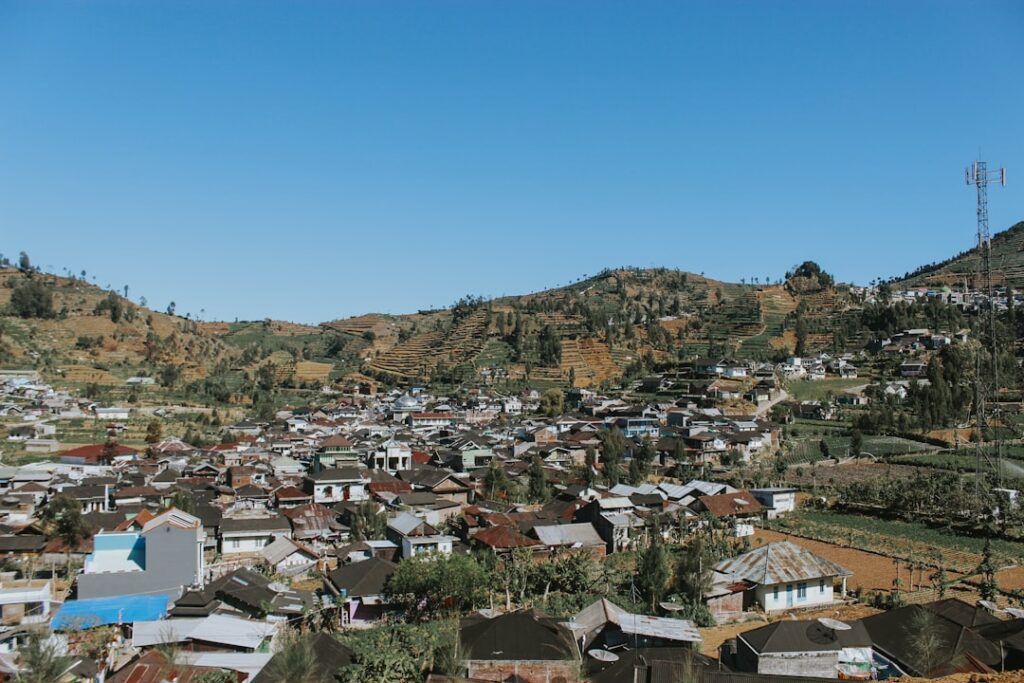
6 AM in Antsirabe reveals steam rising from natural thermal springs that first attracted European colonists in the 1870s. The crisp highland air carries scents of eucalyptus and woodsmoke as colorful pousse-pousse drivers begin polishing their rickshaws near the market. At 1,500 meters above sea level, this is Madagascar’s highest city, where volcanic activity meets French colonial architecture in a way you won’t find anywhere else on the island. Most travelers rush through in a day, but those who stay discover why Antsirabe means “the place of much salt” in Malagasy.
Why Antsirabe, Madagascar Stands Out

Brown bare tree near brown concrete building during daytime, Antsirabe, Madagascar
- Historic Architecture: The 1923 Thermal Establishment building showcases French colonial spa architecture where European aristocrats once took the waters.
- Cultural Scene: The Fetin’ny Pousse-Pousse (Rickshaw Festival) each September transforms the city with decorated vehicles and traditional music.
- Local Specialties: Don’t leave without trying ranon’apango, a unique tea made from slightly burned rice with a distinctive smoky flavor.
Pro Tip: Visit between April and October when the weather is driest and coolest – you’ll avoid the November-March rainy season when afternoon downpours can disrupt exploration. Arrive at attractions before 10 AM to beat the day-tour crowds from Antananarivo.
Map of Antsirabe, Madagascar
Use these interactive maps to explore Antsirabe, Madagascar and plan your route:
📍 View Antsirabe, Madagascar on OpenStreetMap
🗺️ Open Antsirabe, Madagascar in Google Maps
Planning Your Trip: Practical Essentials
Getting There and Around
- By Air: Fly into Ivato Airport (TNR) in Antananarivo, then take a 3-hour taxi (170km) for approximately 150,000 MGA. Book flights at Skyscanner for best deals.
- By Train: No direct rail service to Antsirabe – the Fianarantsoa-Côte Est railway serves eastern Madagascar. Reserve tickets at Trainline or the national railway website.
- By Car: RN7 highway from Antananarivo offers scenic highland views with rental cars available from 80,000 MGA/day. Compare car rentals at RentalCars.com.
- Local Transport: Pousse-pousse rides cost 2,000-5,000 MGA per trip, while taxis-brousses (shared minibuses) connect nearby towns for 3,000-10,000 MGA.
Best Time to Visit
Antsirabe’s highland climate means pleasant temperatures year-round, but the dry season offers optimal conditions for exploring thermal springs and volcanic lakes without rainfall interruptions.
| Season | Weather | Highlights |
|---|---|---|
| Summer (Jun–Aug) | 10-20°C, dry and sunny | Perfect for thermal baths, fewer crowds, ideal hiking conditions |
| Winter (Dec–Feb) | 15-25°C, daily afternoon rains | Lush green landscapes, lower hotel rates, indoor thermal spa visits |
| Shoulder (Apr–May/Sep–Oct) | 12-22°C, occasional showers | Best value accommodations, comfortable city exploration, festival season |
Budgeting for Antsirabe, Madagascar

A bunch of potted plants sitting on a shelf, Antsirabe, Madagascar
| Category | Budget | Mid-range | Luxury |
|---|---|---|---|
| Accommodation | 25,000-40,000 MGA/night | 60,000-120,000 MGA/night | 150,000+ MGA/night |
| Meals | 5,000-10,000 MGA/meal | 12,000-25,000 MGA/meal | 30,000+ MGA/meal |
| Transport | 2,000-5,000 MGA/day (pousse-pousse) | 10,000-20,000 MGA/day (taxi) | 50,000+ MGA/day (private car) |
| Activities | Free walking tours, public thermal baths 2,000 MGA | Private thermal spa 15,000 MGA, Lake Andraikiba boat trips 10,000 MGA | Full-day private guides 80,000 MGA, luxury spa treatments 40,000 MGA |
| Daily Total | 35,000-60,000 MGA | 100,000-180,000 MGA | 250,000+ MGA |
Top Attractions and Must-See Sights
| Attraction | Description | Hours | Entry Fee |
|---|---|---|---|
| Thermal Establishment | Historic 1923 spa complex with natural hot springs and therapeutic treatments | 7 AM-6 PM daily | Public baths: 2,000 MGA, Private spa: 15,000 MGA |
| Lake Andraikiba | Volcanic crater lake perfect for swimming, picnics, and traditional wooden boat rides | 24 hours | Free, boat rental: 10,000 MGA/hour |
| Antsirabe Market | Vibrant daily market showcasing local crafts, spices, and the famous pousse-pousse rickshaws | 6 AM-5 PM daily | Free |
| Tritriva Lake | Dramatic volcanic lake surrounded by forest with legendary Romeo and Juliet-style local folklore | Sunrise to sunset | 5,000 MGA |
3-Day Itinerary: Antsirabe, Madagascar’s Highlights & Hidden Gems
Day 1: Thermal Springs & Colonial History
- Morning: 7-9 AM thermal bath experience at the historic Thermal Establishment (2,000 MGA). The early morning light through the original 1920s windows creates perfect photography conditions.
- Afternoon: 12-3 PM pousse-pousse city tour (15,000 MGA for 2 hours) and Hotel des Thermes restaurant for lunch (try their romazava beef stew for 12,000 MGA).
- Evening: 6-8 PM stroll through Independence Avenue’s colonial architecture followed by dinner at La Varangue (their duck with local fruit sauce costs 18,000 MGA).
Day 2: Volcanic Lakes & Local Crafts
- Morning: Early taxi to Lake Tritriva (25,000 MGA round trip) – the volcanic lake’s water level mysteriously rises and falls with the seasons.
- Afternoon: Lake Andraikiba swimming and traditional wooden boat ride (10,000 MGA) followed by lunch at Chez Mamy (fresh tilapia for 8,000 MGA).
- Evening: Mineral water tasting at the Source Ranomafana spring followed by dinner at Hôtel Couleur Café (their zebu steak costs 14,000 MGA).
Day 3: Rural Villages & Artisan Workshops
- Morning: Taxi-brousse to Ambatolampy (15,000 MGA) to watch traditional aluminum pot manufacturing using recycled materials.
- Afternoon: Visit local woodcraft workshops in Antsirabe’s artisan quarter and lunch at Le Pousse-Pousse (their three-course Malagasy menu costs 12,000 MGA).
- Evening: Final thermal spa relaxation at your hotel followed by farewell dinner at La Corniche (their seafood platter costs 22,000 MGA).
Cultural Insights & Etiquette
- Language: Malagasy and French are widely spoken – learn “Manao ahoana” (hello), “Misaotra” (thank you), and “Azafady” (excuse me).
- Customs: Always ask permission before photographing people, especially elders – a smile and “Azafady” goes a long way.
- Tipping: Not expected but appreciated – round up taxi fares, 5-10% in restaurants if service was exceptional.
- Dress Code: Modest clothing preferred, especially when visiting rural villages – cover shoulders and knees.
- Business Hours: Shops typically open 8 AM-5 PM with 12-2 PM lunch break, closed Sundays.
Where to Eat: Antsirabe, Madagascar’s Best Bites
Antsirabe’s dining scene reflects its highland location with hearty zebu dishes, freshwater fish from volcanic lakes, and French-influenced cuisine from its colonial past. Travelers often discover that family-run establishments offer the most authentic experiences.
Must-Try Local Specialties
- Ravitoto: Cassava leaves stewed with pork and coconut milk – best at small local eateries near the market for 5,000 MGA
- Lasary Voatabia: Fresh tomato and onion salad with local herbs – perfect light lunch at street food stalls for 2,000 MGA
- Mofo Gasy: Sweet rice cakes cooked in banana leaves – morning specialty at bakery stalls for 500 MGA each
Restaurant Recommendations by Budget
| Type | Restaurant | Specialty | Price Range |
|---|---|---|---|
| Budget | Hotely Kely near central market | Authentic Malagasy plates with zebu | 5,000-8,000 MGA |
| Mid-range | La Varangue on Independence Avenue | French-Malagasy fusion cuisine | 12,000-25,000 MGA |
| Fine dining | Hôtel des Thermes restaurant | Gourmet tasting menus with wine pairings | 30,000-50,000 MGA |
Where to Stay
Accommodation ranges from charming colonial-era hotels near the thermal springs to modern options around the city center. Savvy visitors know that hotels with their own thermal pools offer the best value. Compare prices and book at Booking.com or Airbnb for apartments.
Best Neighborhoods for Accommodation
- City Center: Walking distance to thermal baths and restaurants, can be noisy at night – ideal for first-time visitors
- Thermal District: Peaceful area near the historic spa, slightly removed from center – perfect for relaxation seekers
- Lake Andraikiba: Scenic lakeside locations requiring transport to city – best for nature lovers and longer stays

A man riding a cart pulled by a horse down a street, Antsirabe, Madagascar
FAQs: Your Antsirabe, Madagascar Questions Answered
1. Is Antsirabe, Madagascar safe at night?
Generally safe in central areas, but take normal precautions – avoid poorly lit streets after dark and use registered taxis rather than walking alone. Most restaurants and hotels in the center have good security.
2. What currency is used and are credit cards accepted?
Malagasy Ariary (MGA) is the local currency. Credit cards work at larger hotels and upscale restaurants, but you’ll need cash for markets, pousse-pousse rides, and smaller establishments. ATMs are available in the city center.
3. How do I get from the airport to the city center?
Fly to Antananarivo (TNR), then take a 3-hour taxi (150,000-200,000 MGA) or Cotisse Transport bus (25,000 MGA) to Antsirabe. Book airport transfers at GetYourGuide for convenience.
4. Do I need to speak the local language?
French is widely understood in hotels and restaurants, while basic Malagasy greetings are appreciated in markets. English is limited to tourist areas – learning a few phrases significantly enhances your experience.
5. What’s the appropriate dress code?
Light layers work best for changeable highland weather. Modest clothing (covering shoulders and knees) shows respect, especially when visiting rural villages or religious sites. Bring a jacket for cool evenings.
Final Thoughts: Antsirabe, Madagascar Awaits
Antsirabe offers a unique blend of Malagasy culture and European spa heritage that you won’t find elsewhere in Madagascar. Between the therapeutic thermal waters, colorful pousse-pousse culture, and stunning volcanic landscapes, this highland city provides a refreshing contrast to coastal destinations. Travelers who allocate at least two full days discover why Antsirabe has been a restorative retreat for over a century. Don’t miss the early morning thermal bath ritual – it’s the perfect start to discovering this city where volcanic earth meets highland hospitality.

