
Andes Mountains, South America: Hidden Ancient Ruins, Epic Trekking & Indigenous Culture (2025)
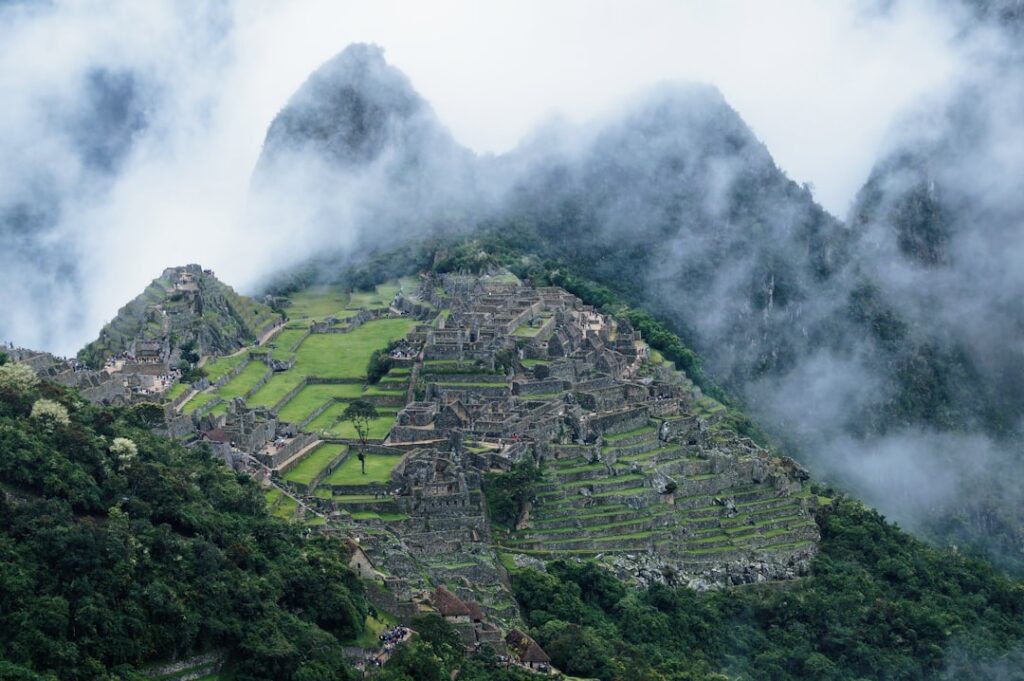
What if you could walk through civilizations that predate the Roman Empire by 1,500 years? The Andes Mountains reveal exactly that – with the Inca Trail’s stone pathways leading to Machu Picchu, built around 1450 AD, representing just the final chapter of cultures that flourished here for millennia. While most visitors focus solely on Peru, this 7,000-kilometer mountain range spanning seven countries offers archaeological wonders, indigenous markets unchanged for centuries, and landscapes ranging from Patagonian glaciers to Ecuador’s volcanic avenues. Here’s how to experience the world’s longest continental mountain range beyond the postcard views.
Why Andes Mountains, South America Stands Out

Man in green hoodie standing near brown mountain under white clouds and blu…, Andes Mountains, South America
- Historic Architecture: Machu Picchu’s 15th-century stone construction demonstrates Inca engineering mastery without mortar, surviving earthquakes for 500 years.
- Cultural Scene: The Inti Raymi Sun Festival each June 24th in Cusco recreates ancient Inca ceremonies with thousands of participants in traditional dress.
- Local Specialties: Cuy (guinea pig) roasted over open fire represents Andean culinary tradition dating back to pre-Columbian times.
Pro Tip: Book Inca Trail permits 6-8 months in advance through official government sites only – only 500 people (including guides and porters) are allowed daily, and permits sell out completely during peak season from May to September.
Map of Andes Mountains, South America
Use these interactive maps to explore Andes Mountains, South America and plan your route:
📍 View Andes Mountains, South America on OpenStreetMap
🗺️ Open Andes Mountains, South America in Google Maps
Planning Your Trip: Practical Essentials
Getting There and Around
- By Air: Major international gateways include Lima’s Jorge Chávez Airport (LIM), Santiago’s Arturo Merino Benítez Airport (SCL), and Bogotá’s El Dorado Airport (BOG). LATAM and Avianca offer extensive regional connections. Book flights at Skyscanner for best deals.
- By Train: PeruRail’s luxury Hiram Bingham service from Cusco to Machu Picchu offers the most scenic rail journey, while Ecuador’s Tren Crucero navigates dramatic volcanic landscapes. Reserve tickets at Trainline or the national railway website.
- By Car: The Pan-American Highway runs the length of the Andes with spectacular mountain passes, though 4×4 vehicles are recommended for high-altitude routes. Compare car rentals at RentalCars.com.
- Local Transport: Collectivos (shared vans) connect mountain villages for $3-10, while cable cars in Medellín and La Paz provide affordable city transport with mountain views. Check official city transport websites for passes and schedules.
Best Time to Visit
The Andes experience reverse seasons from the Northern Hemisphere, with dry season offering optimal trekking conditions while rainy season reveals lush landscapes with fewer crowds.
| Season | Weather | Highlights |
|---|---|---|
| Summer (Jun–Aug) | 45-65°F, dry and sunny | Peak trekking season with clear Machu Picchu views, but crowded and expensive |
| Winter (Dec–Feb) | 50-70°F with afternoon rains | Emerald-green landscapes, festival season, 30% lower prices but muddy trails |
| Shoulder (Apr–May/Sep–Oct) | 50-68°F, occasional showers | Ideal balance of good weather, manageable crowds, and reasonable pricing |
Budgeting for Andes Mountains, South America

A valley between mountains, Andes Mountains, South America
| Category | Budget | Mid-range | Luxury |
|---|---|---|---|
| Accommodation | $15-30/night hostels | $60-120/night boutique hotels | $250-600/night luxury lodges |
| Meals | $5-10 street food & markets | $15-25 local restaurants | $50-100 fine dining |
| Transport | $5-15 buses & collectivos | $20-50 taxis & tours | $100-300 private drivers |
| Activities | Free hiking, $30-80 ruins | $50-150 guided day trips | $200-500 luxury experiences |
| Daily Total | $45-85 | $120-250 | $500-1,200 |
Top Attractions and Must-See Sights
| Attraction | Description | Hours | Entry Fee |
|---|---|---|---|
| Machu Picchu, Peru | 15th-century Inca citadel perched at 7,970 feet with sophisticated dry-stone construction | 6:00 AM-5:30 PM | $45-70 depending on circuit |
| Salar de Uyuni, Bolivia | World’s largest salt flat creating surreal mirror effects during rainy season | 24 hours, tours 4:30 AM-6 PM | $25 park fee + $75 tour |
| Torres del Paine, Chile | Patagonian granite towers rising 9,350 feet above glacial lakes and golden pampas | 8:30 AM-8:30 PM | $35-49 depending on nationality |
| Cotopaxi Volcano, Ecuador | Perfectly symmetrical active volcano at 19,347 feet with high-altitude ecosystems | 8:00 AM-3:00 PM | $15 park entrance |
3-Day Itinerary: Andes Mountains, South America’s Highlights & Hidden Gems
Day 1: Sacred Valley Immersion
- Morning: 7:00 AM private tour ($65) to Moray’s circular Inca terraces and Maras salt mines, avoiding crowds that arrive after 10 AM when large tour buses appear.
- Afternoon: 12:30 PM exploration of Ollantaytambo’s fortress ruins and lunch at Hearts Café ($12) for their quinoa-stuffed peppers and fresh mango juice.
- Evening: 6:00 PM weaving demonstration at Centro de Textiles Tradicionales followed by dinner at El Huacatay ($35) for alpaca steak with Andean herbs.
Day 2: Machu Picchu Revelation
- Morning: 5:30 AM Vistadome train from Ollantaytambo to Aguas Calientes ($140 roundtrip), arriving for 8:00 AM Machu Picchu entry when morning mist creates magical photo conditions.
- Afternoon: 12:00 PM guided tour of the Sun Temple and Principal Temple, then lunch at Toto’s House ($18) for their legendary lomo saltado overlooking the Urubamba River.
- Evening: 6:30 PM return to Cusco and casual dinner at Jack’s Café ($15) – their banana pancakes are legendary among seasoned trekkers.
Day 3: Cusco’s Living History
- Morning: 8:00 AM exploration of Qorikancha’s Inca stonework fused with Spanish colonial architecture ($4 entry), then San Pedro Market for fresh lucuma fruit and authentic empanadas ($2-4).
- Afternoon: 1:00 PM chocolate-making workshop at Chocolate Museum ($25) using native cacao varieties, followed by late lunch at Greens Organic ($22) for their superfood bowls.
- Evening: 6:00 PM pisco sour tasting at Museo del Pisco ($18 flight) before farewell dinner at Cicciolina ($45) – reserve their balcony table for cathedral views.
Cultural Insights & Etiquette
- Language: Spanish predominates with Quechua and Aymara widely spoken; learn “Allillanchu” (hello in Quechua) and “Sumaj kawsay” (good living concept)
- Customs: Always ask permission before photographing indigenous people, particularly in markets – many believe cameras capture part of their soul
- Tipping: 10% in restaurants, $5-10/day for guides, $3-5/day for porters; always tip in local currency
- Dress Code: Conservative attire for religious sites, layers for rapidly changing mountain weather, sturdy shoes for uneven stone paths
- Business Hours: Shops 9 AM-7 PM with siesta closures 1-3 PM, museums closed Mondays, major festivals often mean complete shutdowns
Where to Eat: Andes Mountains, South America’s Best Bites
Andean cuisine reflects the altitude with hearty stews, ancient grains, and unique proteins – travelers discover that every valley has its own potato variety and microclimate-specific corn used in traditional cooking methods unchanged for generations.
Must-Try Local Specialties
- Ceviche Andino: High-altitude version using river trout instead of seafood, marinated in lime with rocoto peppers – find the best at Limo in Cusco’s Plaza de Armas
- Pachamanca: Underground-cooked feast of meats, potatoes, and beans prepared for special occasions – book through cultural tours for authentic experiences
- Chicha Morada: Sweet purple corn drink with pineapple and cinnamon, served everywhere from street stalls to fine dining establishments
Restaurant Recommendations by Budget
| Type | Restaurant | Specialty | Price Range |
|---|---|---|---|
| Budget | Mercado San Pedro, Cusco | Fresh fruit, empanadas, and authentic street food | $3-8 per meal |
| Mid-range | Uchu Peruvian Steakhouse, Cusco | Alpaca steaks and Peruvian fusion dishes | $25-40 per person |
| Fine dining | Mil Centro, Moray | Gastronomic experience using ancient ingredients | $85-120 tasting menu |
Where to Stay
Accommodation ranges from basic mountain refuges to luxurious spa resorts, with elevation considerations crucial – savvy travelers spend their first night in the Sacred Valley (lower altitude) before ascending to Cusco. Compare prices and book at Booking.com or Airbnb for apartments.
Best Neighborhoods for Accommodation
- San Blas, Cusco: Artsy cobblestone streets with boutique hotels and artisan workshops, perfect for culture lovers but challenging for those with mobility issues
- Ollantaytambo, Sacred Valley: Living Inca town with direct train access to Machu Picchu, ideal for early departures but limited evening dining options
- Miraflores, Lima: Coastal district with excellent restaurants and hotels, perfect for acclimatization before ascending to high altitudes

Brown and white giraffe on brown grass field during daytime, Andes Mountains, South America
FAQs: Your Andes Mountains, South America Questions Answered
1. Is Andes Mountains, South America safe at night?
Generally safe in tourist areas with basic precautions – stick to well-lit streets, avoid displaying expensive equipment, and use registered taxis after dark. Altitude sickness poses greater risk than crime for most visitors.
2. What currency is used and are credit cards accepted?
Each country has its own currency (Peruvian Sol, Chilean Peso, etc.), though US dollars are widely accepted. Credit cards work in cities and larger establishments, but always carry cash for markets, rural areas, and smaller vendors.
3. How do I get from the airport to the city center?
Official airport taxis cost $15-25 to most city centers, while airport shuttle services run $8-12. Lima’s Airport Express Bus offers the most economical option at $8. Book airport transfers at GetYourGuide for convenience.
4. Do I need to speak the local language?
Spanish helps immensely outside tourist zones, though English suffices in main attractions. Learning basic phrases like “gracias” (thank you) and “cuánto cuesta” (how much) enhances interactions with local communities.
5. What’s the appropriate dress code?
Layered clothing for temperature shifts, sturdy waterproof hiking shoes, and sun protection at high altitudes. Conservative dress (covered shoulders/knees) required for religious sites, with formal attire expected at upscale restaurants.
Final Thoughts: Andes Mountains, South America Awaits
The Andes offer more than spectacular scenery – they provide living connection to ancient civilizations, vibrant indigenous cultures, and some of South America’s most rewarding adventures. From the moment you witness sunrise over Machu Picchu to sharing chicha with local weavers, this mountain range transforms how you understand human resilience and natural grandeur. Seasoned travelers recommend focusing on one or two regions rather than attempting to cover the entire range – the depth of experience in Peru’s Sacred Valley or Ecuador’s Avenue of Volcanoes will far surpass superficial checking of multiple countries. Your most lasting memories will likely come from unexpected moments: a conversation with a Quechua elder, the taste of freshly harvested ocas, or the profound silence of high-altitude lakes at dawn. The mountains have guarded their secrets for millennia – they’re ready to share them with respectful visitors.

