
Ambunti, Papua New Guinea: Essential Spirit Masks, Sepik River Culture & Tribal Traditions (2026)
Ask locals about Ambunti, Papua New Guinea, and they’ll tell you about the haunting, rhythmic sound of the garamut slit-drum echoing across the Sepik River at dusk, calling villages to ceremony. Most guidebooks miss this completely, focusing only on the famous Crocodile Festival. Yet, this daily rhythm is the true heartbeat of the region, a living tradition connecting over 100,000 people across 200 villages in the East Sepik Province. Here, culture isn’t performed; it’s lived along the world’s longest river island system.
Why Ambunti, Papua New Guinea Stands Out

Colorful festival parade featuring participants in traditional attire and h…, Ambunti, Papua New Guinea
- Historic Architecture: The iconic Haus Tambaran (Spirit House), a towering structure built on ancestral designs dating back centuries, serves as the spiritual and political heart of every riverside village.
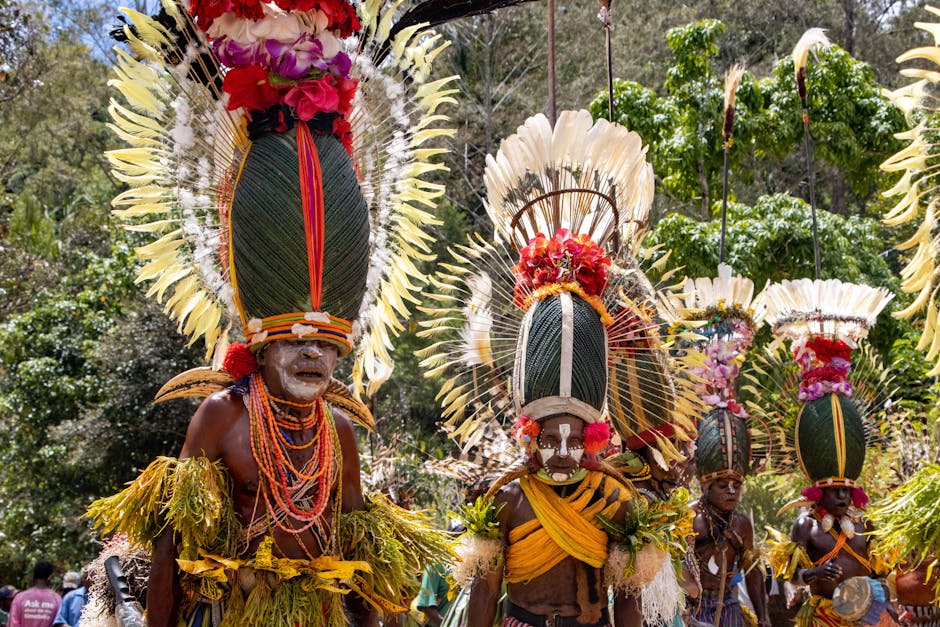
- Cultural Scene: The annual Ambunti Crocodile Festival in August, where tribes celebrate their sacred relationship with crocodiles through mesmerizing singsings (song and dance), body painting, and storytelling.
- Local Specialties: Sago grubs, a protein-rich delicacy harvested from sago palms, often roasted in banana leaves over an open fire for a smoky, nutty flavor.
Pro Tip: Plan your visit for the dry season (May to October). The Crocodile Festival is in August, but arriving a week early lets you experience village life without the influx of visitors, and the river levels are lower, making tributary exploration by dugout canoe far easier.
Map of Ambunti, Papua New Guinea
Use these interactive maps to explore Ambunti, Papua New Guinea and plan your route:
📍 View Ambunti, Papua New Guinea on OpenStreetMap
🗺️ Open Ambunti, Papua New Guinea in Google Maps
Planning Your Trip: Practical Essentials
Getting There and Around
- By Air: You’ll fly into Papua New Guinea via Jacksons International Airport (POM) in Port Moresby. From there, take a domestic flight on Airlines PNG or PNG Air to Wewak Airport (WWK). The final leg is a charter missionary plane (MAF or SIL Aviation) or a multi-day riverboat journey up the Sepik to Ambunti. Book flights at Skyscanner for best deals.
- By Train: There are no train services in Papua New Guinea. The primary transport arteries are domestic flights and rivers.
- By Car: Road access to Ambunti is virtually non-existent. The famed Sepik Highway is largely unpaved and impassable during the wet season. Travel is dominated by river transport. Compare car rentals for use in Wewak at RentalCars.com if you plan to explore the coast.
- Local Transport: Your main transport will be motorized dugout canoes (30-50 PGK/hour to charter) or the sporadic public PMV (Public Motor Vehicle) boats that ply the Sepik River. Schedules are fluid and based on passenger and cargo load.
Best Time to Visit
The climate is tropical, with temperature hovering around 30°C (86°F) year-round. The key difference is rainfall, which drastically affects accessibility and mosquito activity.
| Season | Weather | Highlights |
|---|---|---|
| Dry Season (May–Oct) | Sunny, lower humidity, minimal rain. Ideal river levels. | Peak festival time (Aug). Best for village visits, trekking, and photography. Fewer mosquitoes. |
| Wet Season (Nov–Apr) | Heavy daily rainfall, high humidity, frequent flooding. | Lush, vibrant scenery. Very few tourists. Many villages become inaccessible by foot. Travel is challenging. |
| Shoulder (Apr/Oct–Nov) | Transitional periods with sporadic showers. | Potential for lower prices and smaller crowds as seasons change. River travel may be less predictable. |
Budgeting for Ambunti, Papua New Guinea
Colorful tribal dancers in traditional attire at a cultural festival in Pap…, Ambunti, Papua New Guinea
| Category | Budget | Mid-range | Luxury |
|---|---|---|---|
| Accommodation | 150-250 PGK/night (village homestay) | 400-700 PGK/night (basic guesthouse in Ambunti station) | 800+ PGK/night (organized safari camp/lodge package) |
| Meals | 50 PGK (local market & sago) | 80-120 PGK (guesthouse meal) | 150+ PGK (included in tour package) |
| Transport | 50 PGK (public PMV boat fare) | 300-500 PGK/day (private canoe charter) | 1000+ PGK/day (private boat & guide) |
| Activities | Free (village walks, festival viewing) | 100 PGK (village entry/ceremony fee) | 500+ PGK (specialized carving demonstration/workshop) |
| Daily Total | 250-350 PGK | 880-1420 PGK | 2450+ PGK |
Note: 1 USD ≈ 3.8 PGK (Papua New Guinea Kina). Almost everything requires cash.
Top Attractions and Must-See Sights
| Attraction | Description | Hours | Entry Fee |
|---|---|---|---|
| The Sepik River | The lifeblood of the region, a journey along its brown waters offers glimpses of daily life, majestic birds, and stilt villages. | Daylight hours for travel | Free (Charter costs apply) |
| Haus Tambaran (Spirit House) | Visit a village Spirit House, like in Kanganaman or Palembei, adorned with ancestral skulls and towering bis poles carved with clan stories. | Daylight, with permission | 20-50 PGK village fee |
| Ambunti Crocodile Festival | A two-day celebration where tribes perform crocodile-inspired dances, showcasing intricate body paint and the cultural significance of the crocodile. | All day, early Aug | |
| Traditional Carving Workshops | Watch master carvers in villages like Yentchan create storyboards, masks, and hooks, using techniques passed down for generations. | Morning hours best | Free to watch, purchases vary |
3-Day Itinerary: Ambunti, Papua New Guinea’s Highlights & Hidden Gems
Day 1: Immersion in Ambunti Station & River Life
- Morning (7-9 AM): Wake with the sun and take a walk through the Ambunti government station. Observe the bustling market where villagers trade tobacco, betel nut, and fresh fish. Your best bet is to find a local guide here to arrange your river travel.
- Afternoon (12-3 PM): Charter a dugout canoe (approx. 300 PGK) for a 2-hour round trip to the nearby village of Wagu. See a traditional Haus Tambaran and watch women weaving bilum bags. Lunch on freshly caught fish and sago pancakes back at your guesthouse.
- Evening (6-8 PM): As dusk falls, listen for the garamut drum. Enjoy a simple dinner at your accommodation, then share stories with other travelers and local guides under a spectacular blanket of stars, uninterrupted by city lights.
Day 2: Deep into Sepik Village Culture
- Morning (7 AM): Depart early by motorized canoe for the village of Kanganaman (approx. 90 mins travel). The iconic, multi-story Haus Tambaran here is one of the most photographed on the Sepik. A village guide (50 PGK) will explain the symbolism of the carvings.
- Afternoon (12-3 PM): Continue to Yentchan village, renowned for its master carvers. Watch them work on a storyboard depicting a legend. Purchase carvings directly from the artists. Lunch will be a packed meal from your guesthouse.
- Evening (6-8 PM): Return to Ambunti. If it’s a festival time, you’ll witness evening singsings. Otherwise, savor a quiet dinner and reflect on the profound artistry you witnessed.
Day 3: Tributaries & Tradition
- Morning (7 AM): Journey up the Korewori River, a major tributary (charter cost 400 PGK). The narrower waterway offers an intimate view of rainforest wildlife and smaller, less-visited villages.
- Afternoon (12-3 PM): Visit a sago processing village. You’ll see how the staple food is extracted from the palm’s pith. Be brave and try a roasted sago grub. This is a true insider experience most tourists miss.
- Evening (6-8 PM): Your final evening calls for a sunset cruise on the main Sepik River. The changing light on the water and the silhouettes of passing canoes is magical. Enjoy a farewell dinner back at your lodge.
Cultural Insights & Etiquette
- Language: Tok Pisin is the lingua franca. Learn: “Gude” (Hello), “Tenkyu” (Thank you), “Mi laik baim dispela” (I would like to buy this). Many elders speak their indigenous tribal language.
- Customs: Always ask permission before taking photos of people, especially elders. The Haus Tambaran is a sacred male space; women are almost always prohibited from entering. Follow your guide’s lead.
- Tipping: Not a formal practice, but a small gift of tobacco, betel nut, or a modest cash “present” (20-50 PGK) to a village chief or guide who provides special access is appreciated.
- Dress Code: Modesty is key. Wear loose-fitting clothing that covers shoulders and knees. Quick-dry fabrics are ideal for the humidity and boat travel. Remove hats when approaching villages.
- Business Hours: Government stations run roughly 8 AM-4 PM. Village life operates on sun time. Sunday is a day of rest and church services; plan minimal activity.
Where to Eat: Ambunti, Papua New Guinea’s Best Bites
Dining is a functional part of the adventure here. You won’t find restaurants in a Western sense. Meals are provided by your guesthouse, homestay, or tour operator, centered on local staples: sago, freshwater fish (like saratoga), pork, sweet potato (kaukau), and greens. The experience is about authenticity, not variety.
Must-Try Local Specialties
- Mumu: A feast where meat and vegetables are cooked in an underground oven with hot stones. A social event often prepared for guests or festivals.
- Saksak: Steamed sago pudding, often served with fish or meat. It’s the foundational carbohydrate of the Sepik diet.
- Roasted Sago Grubs: A prized delicacy, high in fat and protein. They taste like smoky bacon or nuts when cooked. Try them at a village visit.
Restaurant Recommendations by Budget
| Type | Restaurant | Specialty | Price Range |
|---|---|---|---|
| Budget | Ambunti Market Stalls | Fresh fruit (pineapple, mango), roasted nuts, simple fried fish parcels. | 5-15 PGK |
| Mid-range | Your Guesthouse Kitchen (e.g., Ambunti Lodge) | Set meals featuring river fish, chicken, rice, and local vegetables. | 40-80 PGK per meal |
| Fine dining | Organized Safari Camp Meals (e.g., Karawari Lodge packages) | Multi-course meals incorporating local ingredients with international preparation, often with stunning river views. | Included in package (150+ PGK value) |
Where to Stay
Accommodation ranges from very basic to comfortable but rustic. Book everything well in advance, especially during festival season. Compare prices and book at Booking.com for some guesthouses, or Airbnb for rare local listings, but most bookings are made directly with lodges or through specialized tour operators.
Best Neighborhoods for Accommodation
- Ambunti Government Station: The main “town.” You’ll find the basic guesthouses (Ambunti Lodge), market, and airstrip here. It’s the logistical hub for arranging river trips. Best for independent travelers on a budget.
- Riverside Villages (Homestays): For deep cultural immersion. You’ll sleep in a family’s stilt house, share meals, and live on local time. Requires prior arrangement and a flexible, respectful attitude. Best for authentic cultural seekers.
- Remote Safari Lodges (e.g., Karawari Lodge): Located further downriver, these offer more comfort (private rooms, en suites, generators) and are usually all-inclusive with guided tours. Best for travelers wanting comfort and curated experiences.

Portrait of a Papua tribesman wearing traditional costume under clear blue sky., Ambunti, Papua New Guinea
FAQs: Your Ambunti, Papua New Guinea Questions Answered
1. Is Ambunti, Papua New Guinea safe at night?
Within the Ambunti station and villages, the primary safety concerns are not crime but health and environment. At night, use a flashlight to avoid snakes or uneven ground. Petty theft is rare but secure your belongings. The biggest risk is malaria; use strong repellent, sleep under a net, and take prophylaxis. Traveling alone at night on the river is not advised.
2. What currency is used and are credit cards accepted?
The currency is the Papua New Guinea Kina (PGK). You must bring all the cash you will need for your entire trip to the Sepik. There are no ATMs in Ambunti, and credit cards are not accepted anywhere. Exchange money in Port Moresby or Wewak before flying in. Bring small denominations for village fees and purchases.
3. How do I get from the airport to the city center?
From the Wewak Airport (WWK), you’ll need to take a taxi (approx. 50 PGK) to the Wewak waterfront to catch a passenger boat to Ambunti (a 2-3 day journey, cost varies) or to the mission aviation base for a charter flight (approx. 600-800 PGK one-way, 1 hour). The “city center” is the river. Book airport transfers in Wewak through your tour operator or at GetYourGuide for pre-arranged services.
4. Do I need to speak the local language?
No, but it helps immensely. English is an official language and is spoken by government workers and guides. In villages, Tok Pisin is essential. Hiring a local guide who speaks both English and Tok Pisin (and often the local tribal language) is not a luxury—it’s a necessity for meaningful interaction and navigation.

