
Amazon River, Brazil’s Amazing Wildlife, Waterways & Wilderness Immersion (2025)
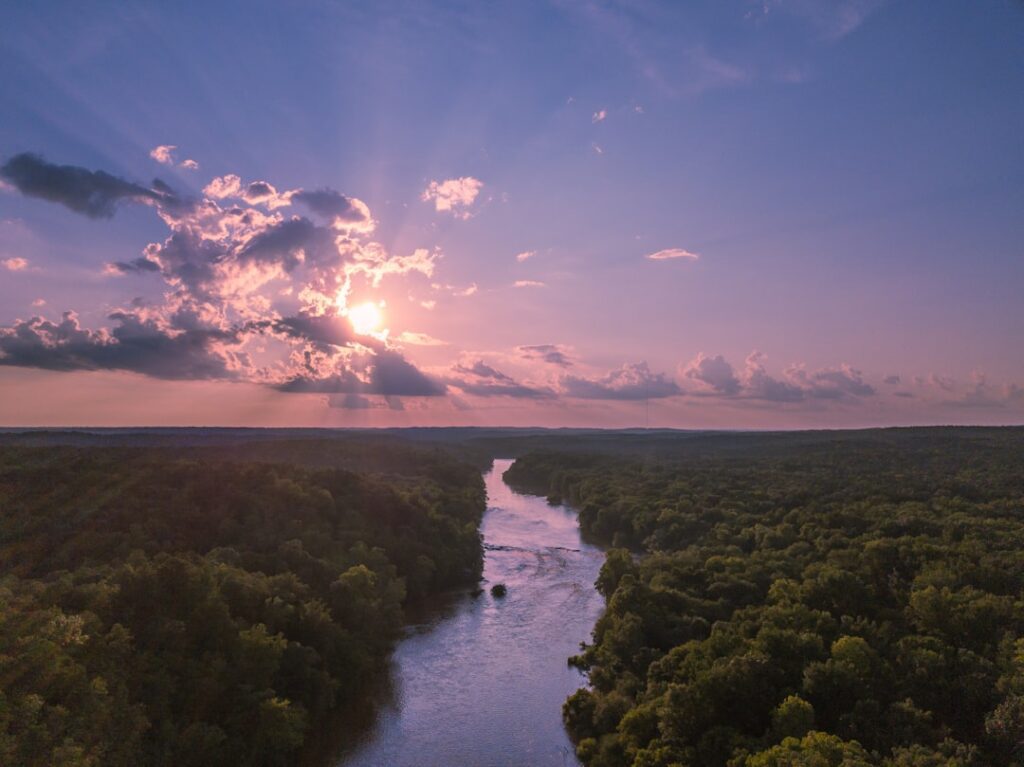
At 5:30 AM, the Amazon awakens with a symphony that has echoed for millennia – howler monkeys calling across misty tributaries, pink river dolphins breaking the water’s surface, and 2.5 million insect species humming in the world’s largest rainforest. This living, breathing ecosystem contains 20% of Earth’s fresh water and spans nine countries, yet the Brazilian portion offers the most accessible and diverse experiences. While most travelers see only 0.0001% of this 6.7 million square kilometer wilderness, the right approach reveals why this remains the planet’s ultimate natural wonder.
Why Amazon River, Brazil Stands Out

A couple of people in a boat on a lake, Amazon River, Brazil
- Historic Architecture: The 19th-century Amazon Theatre in Manaus, built during the 1896 rubber boom with materials imported from Europe, symbolizes the region’s extravagant past.
- Cultural Scene: The Parintins Folklore Festival each June transforms the island into a spectacular celebration of indigenous Boi-Bumbá legends with elaborate costumes and music.
- Local Specialties: Tacacá, a steaming bowl of jambu leaves and shrimp in tucupi broth, delivers an authentic Amazonian flavor experience found nowhere else.
Pro Tip: Visit during the dry season (July-December) when water levels drop 10-15 meters, creating pristine beaches and revealing hiking trails impossible to access during flood season. Morning tours between 5:30-8:30 AM offer the best wildlife spotting opportunities before the midday heat sets in.
Map of Amazon River, Brazil
Use these interactive maps to explore Amazon River, Brazil and plan your route:
📍 View Amazon River, Brazil on OpenStreetMap
🗺️ Open Amazon River, Brazil in Google Maps
Planning Your Trip: Practical Essentials
Getting There and Around
- By Air: Eduardo Gomes International Airport (MAO) in Manaus serves as the main gateway with direct flights from Miami, Panama City, and major Brazilian cities. Book flights at Skyscanner for best deals.
- By Train: No railway connections exist in the Amazon region due to the challenging terrain and extensive waterways that serve as natural transportation routes.
- By Car: The BR-319 highway connects Manaus to Porto Velho but requires 4WD and experienced drivers during rainy season. Compare car rentals at RentalCars.com.
- Local Transport: Regional boats depart daily from Manaus port to remote communities (12-36 hour journeys costing $20-50), while speedboats offer faster alternatives. Within cities, buses and taxis provide affordable transportation.
Best Time to Visit
The Amazon experiences two distinct seasons that dramatically transform the landscape and available activities. Savvy travelers choose based on their preferred experiences rather than avoiding specific months.
| Season | Weather | Highlights |
|---|---|---|
| Dry Season (Jun–Dec) | 26-32°C, lower humidity, minimal rainfall | Hiking through exposed forest trails, river beach visits, excellent fishing conditions with moderate crowds |
| Wet Season (Jan–May) | 23-30°C, high humidity, daily heavy rains | Flooded forest exploration by canoe, lush vegetation, spectacular water-based wildlife viewing with fewer tourists |
| Shoulder (May/Jun & Nov/Dec) | 25-31°C, transitioning weather patterns | Combination of water and land activities possible, lower accommodation rates, ideal for photography with dramatic skies |
Budgeting for Amazon River, Brazil

A group of people sitting on top of a boat, Amazon River, Brazil
| Category | Budget | Mid-range | Luxury |
|---|---|---|---|
| Accommodation | $15-30 (hostels/guesthouses) | $80-150 (jungle lodges) | $250-600+ (premium eco-resorts) |
| Meals | $8-15 (local markets/street food) | $20-35 (restaurant meals) | $50-100+ (gourmet dining) |
| Transport | $5-20 (public boats/buses) | $30-80 (private transfers) | $100-300 (private boat charters) |
| Activities | $15-40 (group tours) | $50-120 (private guides) | $150-400 (specialized expeditions) |
| Daily Total | $43-105 | $180-385 | $550-1400+ |
Top Attractions and Must-See Sights
| Attraction | Description | Hours | Entry Fee |
|---|---|---|---|
| Meeting of Waters | Where the dark Rio Negro and sandy Amazon flow side-by-side for 6km without mixing due to different densities | Sunrise to sunset | Boat tour $25-75 |
| Anavilhanas Archipelago | The world’s second largest river archipelago with 400 islands creating an extraordinary flooded forest ecosystem | Daily 6 AM-6 PM | Park fee $8 + guide |
| Amazon Theatre | Opulent 1896 opera house showcasing rubber boom extravagance with Italian marble and French stained glass | 9 AM-5 PM Tue-Sat | $4 guided tour |
| Janauari Ecological Park | Floating villages, giant water lilies, and maze-like igapó forests accessible via elevated walkways | 8 AM-4 PM daily | $15 including boat |
3-Day Itinerary: Amazon River, Brazil’s Highlights & Hidden Gems
Day 1: Manaus & River Introduction
- Morning: 7 AM tour of Mercado Adolpho Lisboa, the 1882 iron market modeled after Les Halles in Paris. Sample exotic fruits like cupuaçu and açaí from local vendors for under $5.
- Afternoon: 12 PM Meeting of Waters boat tour ($45) followed by lunch at Tambaqui de Banda floating restaurant specializing in grilled tambaqui fish with pirão sauce.
- Evening: 6 PM Amazon Theatre guided tour witnessing the magnificent dome painted to resemble the Eiffel Tower view, then dinner at Caxiri Restaurant featuring modern Amazonian cuisine.
Day 2: Jungle Immersion
- Morning: 5:30 AM sunrise canoe tour ($35) through Janauari Lake’s flooded forests spotting sloths, hoatzin birds, and pink river dolphins before the day’s heat.
- Afternoon: Jungle trek with indigenous guide ($60) learning medicinal plants and survival techniques, followed by piranha fishing and swimming with pink dolphins.
- Evening: Night caiman spotting expedition using flashlights to identify red eye reflections, then traditional dinner at your jungle lodge featuring pato no tucupi (duck in manioc sauce).
Day 3: River Communities & Departure
- Morning: 8 AM boat transfer ($25) to riverside community visit learning about rubber tapping history and sustainable Brazil nut harvesting from local families.
- Afternoon: Indigenous cultural demonstration featuring traditional dances and crafts, plus lunch prepared by community members using ingredients from their forest gardens.
- Evening: Sunset cruise along the Rio Negro capturing the spectacular transition from day to night in the rainforest before your evening departure.
Cultural Insights & Etiquette
- Language: Portuguese predominates, though many indigenous guides speak English. Learn “obrigado/a” (thank you), “por favor” (please), and “bom dia” (good morning).
- Customs: Always ask permission before photographing indigenous community members. Remove shoes when entering local homes and accept offered food or drinks graciously.
- Tipping: Tip guides 10-15% of tour cost, restaurant staff 10%, and boat crew $5-10 per day. Cash in small denominations is essential.
- Dress Code: Lightweight, long-sleeved clothing in neutral colors protects against insects and sun. Quick-dry fabrics handle humidity and sudden rain showers.
- Business Hours: Shops typically open 9 AM-6 PM with midday breaks. Many close Sundays. Banks operate 10 AM-4 PM weekdays.
Where to Eat: Amazon River, Brazil’s Best Bites
Amazonian cuisine showcases ingredients found nowhere else on Earth, from giant river fish to exotic fruits and unique preparation methods developed by indigenous communities over centuries.
Must-Try Local Specialties
- Tacacá: Aromatic soup with jambu leaves that create a tingling sensation, dried shrimp, and yellow tucupi sauce – best at Bar do Armando in Manaus
- Pirarucu de Casaca: The Amazon’s largest scaled fish prepared with bananas, tomatoes, and onions – expertly prepared at Banzeiro Restaurant
- Açaí: Unlike sweet versions elsewhere, authentic Amazon açaí is savory and served with fried fish or shrimp at local markets
Restaurant Recommendations by Budget
| Type | Restaurant | Specialty | Price Range |
|---|---|---|---|
| Budget | Mercado Adolpho Lisboa food stalls | Fresh fish plates with regional sides | $8-15 |
| Mid-range | Casa do Chef (Manaus center) | Modern Amazonian fusion cuisine | $25-45 |
| Fine dining | Alfredo Restaurant (Tropical Hotel) | Gourmet tasting menus with river views | $60-100+ |
Where to Stay
Accommodation ranges from basic riverboats to luxurious jungle lodges, with location dramatically impacting your Amazon experience. Compare prices and book at Booking.com or Airbnb for apartments.
Best Neighborhoods for Accommodation
- Manaus City Center: Historic area with easy access to cultural sites and restaurants, though further from pristine wilderness – ideal for first-time visitors
- Jungle Lodges (2-3 hours from Manaus): Immersive rainforest experience with guided activities included, ranging from basic to luxury – perfect for nature enthusiasts
- Riverboat Cruises: Multi-day journeys deep into remote areas with constantly changing scenery – best for adventurous travelers with flexible schedules

A hut with a thatched roof next to a river, Amazon River, Brazil
FAQs: Your Amazon River, Brazil Questions Answered
1. Is Amazon River, Brazil safe at night?
Jungle lodges and organized tours are very safe with experienced guides. In Manaus, stick to well-lit tourist areas after dark and avoid isolated riverbanks. Wildlife encounters are generally harmless when following guide instructions.
2. What currency is used and are credit cards accepted?
Brazilian Real (BRL) is the official currency. Credit cards work in Manaus and established lodges, but carry sufficient cash (small denominations) for remote communities, markets, and tipping. ATMs are scarce outside cities.
3. How do I get from the airport to the city center?
Manaus airport taxis cost approximately $15-20 to downtown (30 minutes). Shared vans offer budget options at $8 per person. Pre-booked transfers through your lodge typically include this service. Book airport transfers at GetYourGuide for convenience.
4. Do I need to speak the local language?
Portuguese helps immensely, but tour guides speak excellent English. Learn basic greetings and numbers. In remote areas, nonverbal communication and patience work effectively. Translation apps function in cities with internet.
5. What’s the appropriate dress code?
Lightweight, long-sleeved shirts and pants in neutral colors protect against insects and sun. Quick-dry fabrics handle humidity. Sturdy waterproof shoes essential for jungle treks. Modest attire respects local communities during visits.
Final Thoughts: Amazon River, Brazil Awaits
The Amazon offers what few destinations can – a genuine connection to our planet’s living heart. Beyond statistics about its size and biodiversity, this region delivers transformative experiences that recalibrate your relationship with nature. From waking to the rainforest’s dawn chorus to witnessing the Meeting of Waters’ natural phenomenon, each moment reveals why this ecosystem matters globally. Travelers often discover that the Amazon’s greatest gift isn’t what you see, but how it changes your perspective. Your best approach? Embrace the humidity, follow local guidance, and allow this magnificent wilderness to reveal its secrets at its own pace. The adventure of a lifetime begins where the river meets the rainforest.

