
Alaska’s Inside Passage, USA’s Amazing Glaciers, Wildlife & Coastal Culture (2025)
Just after dawn in late May, the Inside Passage reveals its true scale. The first rays of sun catch the blue-white face of a tidewater glacier, followed by the explosive sound of a calving iceberg hitting the fjord. The air smells of salt and spruce, and an eagle’s cry echoes off granite cliffs. This 500-mile protected marine highway, a labyrinth of over 1,000 islands, isn’t just a route—it’s a living, breathing ecosystem where humpback whales feed and Tlingit culture thrives, all accessible only by sea or air.
Why Alaska’s Inside Passage, USA Stands Out

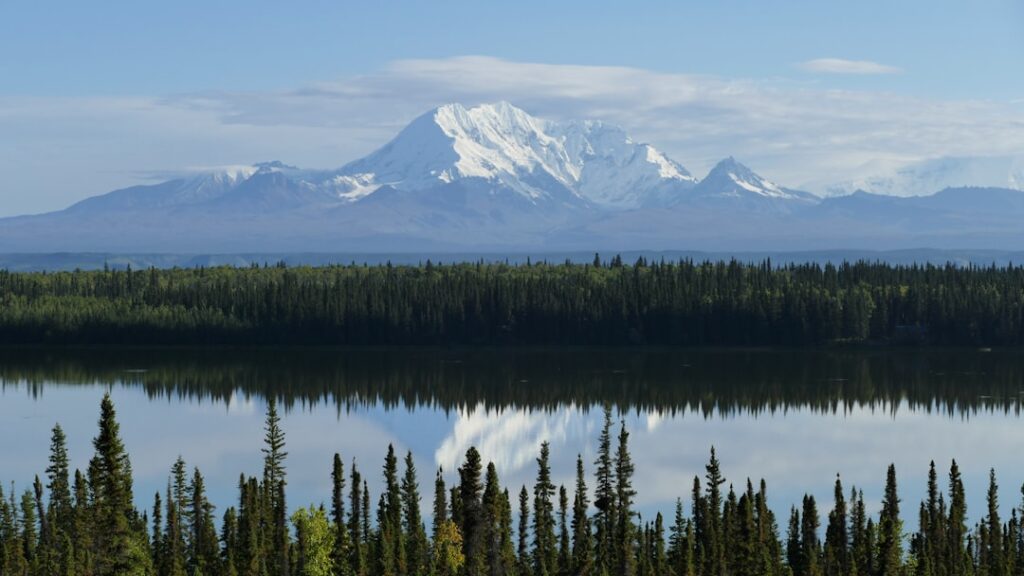
Trees near mountain, Alaska’s Inside Passage, USA
- Historic Architecture: The 1898 Russian Bishop’s House in Sitka, one of the few surviving examples of Russian colonial architecture in the U.S., offers a tangible link to Alaska’s pre-American history.
- Cultural Scene: The biennial Celebration festival in Juneau, the world’s largest gathering of Tlingit, Haida, and Tsimshian peoples, transforms the city with dance, art, and ceremony for four immersive days.
- Local Specialties: Fresh-caught wild Alaska king salmon, often grilled over alder wood, is a culinary rite of passage, best enjoyed at a dockside shack in a fishing town like Petersburg.
Pro Tip: For the perfect balance of good weather, active wildlife, and manageable crowds, target the shoulder seasons: late May or early September. You’ll avoid the peak July cruise ship rush, find better deals on independent tours, and still have excellent chances of seeing whales and bears under the lingering summer light.
Map of Alaska’s Inside Passage, USA
Use these interactive maps to explore Alaska’s Inside Passage, USA and plan your route:
📍 View Alaska’s Inside Passage, USA on OpenStreetMap
🗺️ Open Alaska’s Inside Passage, USA in Google Maps
Planning Your Trip: Practical Essentials
Getting There and Around
- By Air: Major gateways are Juneau International Airport (JNU), Ketchikan International Airport (KTN), and Sitka Rocky Gutierrez Airport (SIT). Alaska Airlines provides the most comprehensive jet service from Seattle and Anchorage. Book flights at Skyscanner for best deals.
- By Sea (Ferry): The Alaska Marine Highway System is the local lifeline. It’s not a cruise but a practical, scenic ferry connecting all major ports. The 3-day journey from Bellingham, WA to Skagway is legendary. Reserve tickets and vehicle space months in advance at the official AMHS website.
- By Cruise Ship: This is the most common way visitors experience the Passage. Major lines depart from Seattle and Vancouver from May to September. For a smaller, more immersive experience, look into expedition-style ships or uncruises.
- Local Transport: Within towns, everything is walkable. For excursions, you’ll rely on tour operators for boats and seaplanes. There are no roads connecting the communities; travel between them is strictly by air or sea.
Best Time to Visit
The Inside Passage has a short, intense visitor season defined by maritime weather and wildlife patterns. Your experience will vary dramatically depending on when you go.
| Season | Weather | Highlights |
|---|---|---|
| Summer (Jun–Aug) | 45-65°F (7-18°C), long days (18+ hours of light), highest chance of rain, especially in the south. | Peak wildlife activity (whales, bears, eagles), all tours operational, vibrant town life. Also peak cruise ship crowds and prices. |
| Winter (Dec–Feb) | 25-40°F (-4 to 4°C), very short days (6 hours of light), snow in northern areas like Skagway. | Extremely quiet, dramatic storm-watching, northern lights possible. Most tourist services are closed; travel is for hardy, self-sufficient adventurers. |
| Shoulder (May & Sept) | 40-55°F (4-13°C), transitioning weather, fewer rainy days in May. | Your best bet for value and authenticity. Fewer crowds, lower prices, active wildlife (bear viewing in May, whale migrations in Sept), and stunning spring blooms or fall colors. |
Budgeting for Alaska’s Inside Passage, USA

Snow covered mountain during daytime, Alaska’s Inside Passage, USA
| Category | Budget | Mid-range | Luxury |
|---|---|---|---|
| Accommodation | $80-120/night (hostel, basic B&B) | $150-250/night (standard hotel, nice B&B) | $300+/night (wilderness lodge, premium hotel) |
| Meals | $30-40/day (cafeteria, food truck, self-catering) | $60-90/day (sit-down restaurants, pub lunches) | $120+/day (fine dining, chef’s tasting menus) |
| Transport | $50/day (local walks, public ferry hop) | $150-250/day (guided kayak tour, flightseeing trip) | $400+/day (private boat charter, helicopter glacier trek) |
| Activities | $0-30/day (hiking, museum visits) | $75-150/day (half-day whale watch, cultural tour) | $200+/day (all-day guided expedition) |
| Daily Total | $160-240 | $435-740 | $1,020+ |
Top Attractions and Must-See Sights
| Attraction | Description | Hours | Entry Fee |
|---|---|---|---|
| Tracy Arm Fjord | A stunning 30-mile fjord with twin Sawyer Glaciers, where you’ll navigate through icebergs and spot seals and waterfalls. | Access by tour boat only; full-day trips typically 8am-5pm. | $180-$220 per person for a day cruise from Juneau. |
| Misty Fjords National Monument | Known as the “Yosemite of the North,” this wilderness of sheer cliffs and misty waterfalls is best seen from the air or sea. | Flightseeing tours run 8am-6pm; boat tours have similar hours. | Flightseeing: $250-$350. Boat Tour: $180-$220. |
| Glacier Bay National Park | A UNESCO site where massive tidewater glaciers meet the sea, offering unparalleled calving displays and marine life. | Park open 24/7; most access is via day cruise or multi-day tour boat. | Free park entry; day cruise from Gustavus: ~$220. |
| Alaska Raptor Center, Sitka | A world-class rehabilitation center for bald eagles and other birds of prey, with up-close flying demonstrations. | May-Sept: 8am-4pm; Oct-Apr: 10am-2pm (closed Sun). | $15 adults, $13 for ages 12 and under. |
3-Day Itinerary: Alaska’s Inside Passage, USA’s Highlights & Hidden Gems
Day 1: Juneau’s Glaciers & Gastronomy
- Morning (7:30 AM): Catch the first Blue Bus ($45 round-trip) to the Mendenhall Glacier Visitor Center. Hike the 45-minute Nugget Falls Trail to stand at the base of a powerful waterfall with the glacier as your backdrop. Watch for salmon in the stream and black bears along the banks in late summer.
- Afternoon (12:30 PM): Head back to town for a legendary crab roll at **Tracy’s King Crab Shack** on the docks (expect to spend $30-$40). Then, explore the small but excellent Alaska State Museum ($12 entry) to understand the region’s layered history.
- Evening (6:00 PM): Take the Mount Roberts Tramway ($45) for panoramic views. Have dinner at **The Hangar on the Wharf**, a converted aircraft hangar, for fresh halibut and local beers. If you’re energetic, savvy visitors know the trail from the tram’s top station offers even better, crowd-free vistas.
Day 2: Wildlife & Wilderness by Sea
- Morning (8:00 AM): Embark on a small-group whale watching tour with a company like **Harvey’s Alaska Adventures** (~$180). From May to September, your chances of seeing humpbacks bubble-net feeding are high in the nutrient-rich waters around Juneau.
- Afternoon (1:30 PM): Disembark in Auke Bay and grab a quick lunch at **The Sandbar**, a local seafood joint. Then, drive or take a taxi 20 minutes to the **Shrine of St. Therese**, a serene stone chapel on a rocky island connected by a causeway—a peaceful spot most tourists overlook.
- Evening (7:00 PM): For a true local experience, enjoy dinner at **The Rookery Cafe**, known for its innovative, locally sourced small plates. Afterwards, stroll the docks and listen to live music spilling from the **Alaska Hotel Bar**, a historic saloon.
Day 3: Flightseeing & Native Culture
- Morning (8:30 AM): Splurge on a 2-hour flightseeing tour with **Wings Airways** (~$300) to the remote **Taku Lodge**. You’ll fly over five glaciers before landing for a hearty, all-you-can-eat salmon bake at a historic lodge, often with black bears nearby.
- Afternoon (2:00 PM): Return to Juneau and visit the **Walter Soboleff Building**, home to the Sealaska Heritage Institute. Their exhibits on Northwest Coast Native art and culture are unparalleled (entry $10). Don’t miss the stunning totem pole collection in the atrium.
- Evening (6:30 PM): Have a final farewell dinner at **Salt**, focusing on modern Alaskan cuisine. Plan to spend your last hours walking along the seawall, watching the floatplanes come in, and soaking in the crisp, evergreen-scented air.
Cultural Insights & Etiquette
- Language: English is universal. Learning a few Tlingit words shows respect: “Gunalchéesh” (Thank you), “Yak’éi” (Good), and “Lingít Aaní” (Tlingit land).
- Customs: Respect is paramount. Always ask permission before photographing people, especially Indigenous artists at work. When viewing totem poles or clan houses, understand they are not mere art but sacred storytelling vessels and family crests.
- Tipping: Standard U.S. rates apply: 15-20% in restaurants, $2-5 per bag for porters, $5-10 per day for hotel housekeeping. For guided tour leaders, 10-15% of the tour cost is customary for exceptional service.
- Dress Code: Practicality rules. Waterproof layers, sturdy hiking shoes, and fleece are essential. For nicer dinners, “Alaska formal” means clean jeans and a collared shirt. Always pack a warm hat and gloves, even in summer.
- Business Hours: In summer, shops are typically open 9am-7pm. Many smaller museums and businesses reduce hours or close entirely from October to April. Major holidays like the 4th of July are celebrated with gusto in every town.
Where to Eat: Alaska’s Inside Passage, USA’s Best Bites
Dining here is a celebration of the sea and the forest. The mantra is hyper-local: what’s fresh today from the water or the land? You’ll find exceptional seafood shacks next to fine-dining establishments where chefs forage for mushrooms and berries.
Must-Try Local Specialties
- Wild Alaska King Salmon: The king of fish, richest in flavor. Locals swear by it grilled simply with alder smoke. Try it at **The Channel Club** in Sitka or any dockside “burger” stand in Petersburg.
- Dungeness Crab: Sweet, tender crab often served simply steamed with drawn butter. **Annabelle’s Famous Keg and Chowder House** in Ketchikan is a classic spot for a crab feast.
- Fireweed Honey & Jelly: Made from the nectar of vibrant pink fireweed flowers, this is a uniquely Alaskan souvenir. Drizzle it on fresh-baked sourdough pancakes for breakfast.
Restaurant Recommendations by Budget
| Type | Restaurant | Specialty | Price Range |
|---|---|---|---|
| Budget | **Pizza Express** (Juneau) | Surprisingly excellent pizza and local beer in a no-frills setting. | $10-20 per person |
| Mid-range | **The Beachside Restaurant** (Berners Bay, near Juneau) | Fresh, creative seafood with stunning waterfront views, accessible by boat or a scenic drive. | $25-50 per person |
| Fine dining | **Ludvig’s Bistro** (Sitka) | Mediterranean-inspired Alaskan cuisine in a cozy, intimate setting—think paella with local spot prawns. | $60+ per person |
Where to Stay
Accommodation ranges from simple B&Bs to remote wilderness lodges. Book very early for summer visits—prime spots fill up 6-9 months in advance. Compare prices and book at Booking.com or Airbnb for apartments.
Best Neighborhoods for Accommodation
- Downtown Juneau: The most convenient base, with walkable access to restaurants, the tram, and the State Museum. Can be noisy when cruise ships are in. Ideal for first-time visitors who want everything at their doorstep.
- Sitka’s Halibut Point Road: A quieter, more residential area with several excellent B&Bs offering stunning water views. You’ll need a rental car or bike, but you’ll be rewarded with serenity and local charm.
- Gustavus (Gateway to Glacier Bay): A tiny community of lodges and inns just outside the national park. This is for travelers who prioritize wilderness immersion over town amenities. Your days will be spent on the water in the park.

A body of water surrounded by mountains under a cloudy sky, Alaska’s Inside Passage, USA
FAQs: Your Alaska’s Inside Passage, USA Questions Answered
1. Is Alaska’s Inside Passage, USA safe at night?
Generally, yes. The small towns are very safe. Standard precautions apply: be aware of your surroundings in quieter areas. The greater “danger” is from wildlife when hiking—always carry bear spray, know how to use it, and make noise on trails. In towns, moose can be unpredictable; give them a wide berth.
2. What currency is used and are credit cards accepted?
The U.S. Dollar (USD) is the currency. Credit cards (Visa/Mastercard most common) are accepted almost everywhere, even in small shops. However, savvy travelers always carry $50-100 in smaller bills for tips, farmers’ markets, or in case of technical issues at remote lodges.

