
Al-Ula, Saudi Arabia (Hegra’s lesser-known Nabatean sites): Essential Ancient Mysteries, Golden Deserts & Starry Nights (2025)
While crowds flock to Petra’s Treasury, Al-Ula’s lesser-known Nabatean sites offer 111 monumental tombs carved into sandstone cliffs without the jostling queues. Hegra, Saudi Arabia’s first UNESCO World Heritage Site, contains tombs dating to the 1st century BC that rival their Jordanian counterparts in scale and preservation. Here, you can stand before Qasr al-Farid’s four-story facade completely alone at sunset, hearing only desert winds whisper through ancient inscriptions. This is archaeology without the crowds, where 2,000-year-old stories remain etched in stone rather than obscured by selfie sticks.
Why Al-Ula, Saudi Arabia (Hegra’s lesser-known Nabatean sites) Stands Out

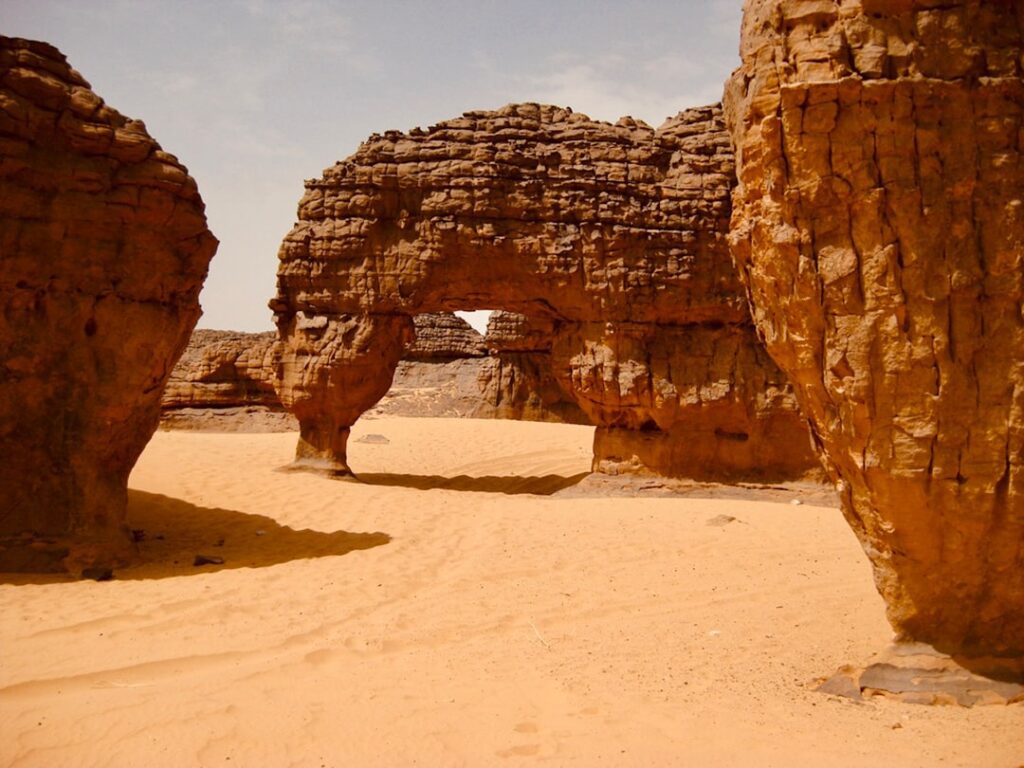
Brown rock formation against white sky, Al-Ula, Saudi Arabia (Hegra’s lesser-known Nabatean sites)
- Historic Architecture: Qasr al-Farid’s unfinished tomb (1st century AD) showcases Nabatean engineering with its four-story facade carved from a single rock outcrop.
- Cultural Scene: Winter at Tantora Festival transforms ancient sites with music performances against 2,000-year-old archaeological backdrops.
- Local Specialties: Madfoon – lamb slow-cooked in underground pits with aromatic rice and regional spices.
Pro Tip: Visit between November and March when temperatures hover around 75°F (24°C) and book Hegra tours for 3:30 PM to experience the golden hour light illuminating the tombs’ facades – the photography is spectacular and crowds thin dramatically compared to morning slots.
Map of Al-Ula, Saudi Arabia (Hegra’s lesser-known Nabatean sites)
Use these interactive maps to explore Al-Ula, Saudi Arabia (Hegra’s lesser-known Nabatean sites) and plan your route:
📍 View Al-Ula, Saudi Arabia (Hegra’s lesser-known Nabatean sites) on OpenStreetMap
🗺️ Open Al-Ula, Saudi Arabia (Hegra’s lesser-known Nabatean sites) in Google Maps
Planning Your Trip: Practical Essentials
Getting There and Around
- By Air: Prince Abdul Majeed bin Abdulaziz Airport (ULH) receives flights from Riyadh (1.5 hours), Jeddah (2 hours), and Dubai (3 hours) via Saudia and Flynas. Book flights at Skyscanner for best deals.
- By Train: No direct rail service to Al-Ula yet; the high-speed Haramain Railway connects Jeddah to Medina (3 hours), then it’s a 2-hour drive. Reserve tickets at Trainline or the national railway website.
- By Car: Highway 375 connects from Medina (2.5 hours) through dramatic desert landscapes. Rental agencies at airports; pre-book for better rates. Compare car rentals at RentalCars.com.
- Local Transport: Mandatory guided tours access archaeological sites; electric shuttles operate within Hegra. Private drivers cost $80-120/day. Check official Royal Commission for AlUla website for transport passes and schedules.
Best Time to Visit
Al-Ula’s desert climate means extreme summer heat gives way to perfect winter exploring conditions. Savvy travelers target the shoulder months when accommodation prices drop 30% but weather remains ideal for outdoor exploration.
| Season | Weather | Highlights |
|---|---|---|
| Summer (Jun–Aug) | 100-115°F (38-46°C), intense sun | Indoor museums, evening events, 50% lower hotel rates but limited outdoor access |
| Winter (Dec–Feb) | 65-75°F (18-24°C), clear skies | Perfect tomb exploration, festivals, stargazing; book 3 months ahead for premium accommodations |
| Shoulder (Apr–May/Sep–Oct) | 75-90°F (24-32°C), pleasant evenings | Fewer crowds, full site access, ideal photography conditions with softer light |
Budgeting for Al-Ula, Saudi Arabia (Hegra’s lesser-known Nabatean sites)

A desert scene with a building in the middle of the desert, Al-Ula, Saudi Arabia (Hegra’s lesser-known Nabatean sites)
| Category | Budget | Mid-range | Luxury |
|---|---|---|---|
| Accommodation | $80-120/night (local guesthouses) | $200-350/night (Shaden Resort) | $800-1,200/night (Banyan Tree or Habitas) |
| Meals | $8-15 (local eateries) | $25-45 (restaurant meals) | $75-120 (fine dining experiences) |
| Transport | $15/day (shuttle passes) | $80/day (private driver) | $200/day (luxury transfers) |
| Activities | $40 (Hegra basic tour) | $120 (premium experiences) | $300 (private guided tours) |
| Daily Total | $150-200 | $400-600 | $1,300-1,800 |
Top Attractions and Must-See Sights
| Attraction | Description | Hours | Entry Fee |
|---|---|---|---|
| Hegra Archaeological Site | 131 monumental Nabatean tombs with intricate facades carved from sandstone outcrops | 9 AM-6 PM (winter), 4 PM-12 AM (summer) | $40 (basic tour), $95 (premium) |
| Old Town Al-Ula | 900 mud-brick houses dating to 7th century AD with recently restored market streets | 8 AM-11 PM | $15 |
| Elephant Rock | 50-meter tall sandstone formation shaped like an elephant, spectacular at sunset | 24 hours | Free |
| Dadan Kingdom Sites | Ancient capital dating to 9th century BC with lion tombs and archaeological digs | 9 AM-5 PM | $25 (combined ticket) |
3-Day Itinerary: Al-Ula, Saudi Arabia (Hegra’s lesser-known Nabatean sites)’s Highlights & Hidden Gems
Day 1: Ancient Civilizations & Golden Hours
- Morning: 7:30 AM guided tour of Hegra ($95 premium experience) focusing on Qasr al-Farid and Jabal Ithlib’s siq. The morning light reveals inscriptions most visitors miss.
- Afternoon: 12:30 PM traditional lunch at Al Nakheel Restaurant (try their lamb madfoon for $25) followed by 2 PM exploration of Old Town’s restored market streets.
- Evening: 5:30 PM sunset at Elephant Rock with local coffee ceremony, then dinner at Somewhere Restaurant overlooking the illuminated rock formations.
Day 2: Desert Adventures & Starlit Skies
- Morning: 6 AM hot air balloon ride ($180) over the desert – you’ll float above tombs as the sun rises, creating unforgettable photography opportunities.
- Afternoon: 1 PM exploration of Dadan Kingdom’s lion tombs followed by lunch at Tawlet AlUla featuring traditional Lihyani dishes.
- Evening: 7 PM stargazing experience at Gharameel ($65) with astronomers pointing out constellations Bedouin navigators used for centuries.
Day 3: Canyon Exploration & Cultural Immersion
- Morning: 8 AM 4×4 transfer ($45) to AlUla Fresh Farm for date harvesting and traditional breakfast, then onward to hidden canyon oases.
- Afternoon: 12 PM rock art viewing at Jabal Ikmah’s “open library” of ancient inscriptions, lunch at Maraya Social with panoramic desert views.
- Evening: 6 PM farewell dinner at Shaden Resort’s authentic Saudi cuisine experience, sampling regional dishes from across the kingdom.
Cultural Insights & Etiquette
- Language: Arabic predominates; learn “As-salamu alaykum” (hello), “Shukran” (thank you), “Kam ath-thaman?” (how much?) – English widely spoken in tourist areas
- Customs: Accept coffee or dates when offered – refusal considered rude; always use right hand for eating and greetings
- Tipping: 10-15% in restaurants appreciated but not mandatory; round up taxi fares; $5-10/day for guides depending on service quality
- Dress Code: Modest clothing recommended – women should cover shoulders and knees; abayas available for purchase locally if preferred
- Business Hours: Shops open 9 AM-1 PM, reopen 4-10 PM; closed during prayer times (approximately 20 minutes, five times daily)
Where to Eat: Al-Ula, Saudi Arabia (Hegra’s lesser-known Nabatean sites)’s Best Bites
Al-Ula’s culinary scene blends traditional Bedouin cooking with modern Saudi hospitality. Don’t miss the opportunity to dine under the stars at desert camps where recipes have been passed down for generations.
Must-Try Local Specialties
- Madfoon: Lamb marinated with spices, wrapped in palm leaves and slow-cooked in underground pits – try at Al Nakheel Restaurant
- Jareesh: Crushed wheat simmered with meat and spices, a traditional breakfast dish found at Tawlet AlUla
- Dates with Arabic coffee: Medjool dates from local farms served with cardamom-infused coffee – available at all desert experiences
Restaurant Recommendations by Budget
| Type | Restaurant | Specialty | Price Range |
|---|---|---|---|
| Budget | AlUla Fresh Market stalls | Fresh fruit, traditional breads, local snacks | $5-15 |
| Mid-range | Tawlet AlUla (Old Town) | Authentic Saudi dishes with cooking demonstrations | $25-40 |
| Fine dining | Maraya Social (Mirror Building) | Modern Middle Eastern cuisine with desert views | $80-120 |
Where to Stay
Accommodation ranges from luxurious desert resorts to comfortable mid-range hotels, with most clustered near the main archaeological sites. Book early during peak season as premium properties sell out months in advance. Compare prices and book at Booking.com or Airbnb for apartments.
Best Neighborhoods for Accommodation
- Hegra Area: Premium resorts with direct tomb access, perfect for archaeology enthusiasts but requires transportation to town
- Old Town District: Characterful accommodations within walking distance of restaurants and markets, ideal for cultural immersion
- Desert Camps: Authentic Bedouin-style tents for stargazing experiences, best for adventurous travelers seeking traditional atmosphere

A desert landscape with rocks, Al-Ula, Saudi Arabia (Hegra’s lesser-known Nabatean sites)
FAQs: Your Al-Ula, Saudi Arabia (Hegra’s lesser-known Nabatean sites) Questions Answered
1. Is Al-Ula, Saudi Arabia (Hegra’s lesser-known Nabatean sites) safe at night?
Extremely safe – Saudi Arabia has very low crime rates. The archaeological sites have excellent lighting and security, and you’ll find families strolling through Old Town until midnight. Desert areas should only be explored with guides due to navigation challenges.
2. What currency is used and are credit cards accepted?
Saudi Riyal (SAR) is the local currency (approximately 3.75 SAR = $1 USD). Credit cards widely accepted at hotels, restaurants, and major sites, but carry cash for smaller vendors and tips. ATMs available at airports and major hotels.
3. How do I get from the airport to the city center?
Official taxis cost approximately $25 for the 15-minute journey to central Al-Ula. Most hotels offer complimentary airport transfers when booked directly. Pre-booked private transfers run $35-50. Book airport transfers at GetYourGuide for convenience.
4. Do I need to speak the local language?
Not essential – English is widely spoken in tourist areas, and all archaeological sites have English-speaking guides. Learning basic Arabic greetings is appreciated and enhances interactions with local merchants and guides.
5. What’s the appropriate dress code?
Modest clothing is recommended – women should cover shoulders and knees, while men should avoid shorts in religious sites. Abayas (available for purchase locally) aren’t mandatory for foreign women but respected when worn. Desert evenings can be cool, so bring layers.
Final Thoughts: Al-Ula, Saudi Arabia (Hegra’s lesser-known Nabatean sites) Awaits
Al-Ula offers that rare combination of world-class archaeology accessible without crowds, set against some of the planet’s most dramatic desert landscapes. While Petra receives over 1 million visitors annually, Hegra’s 111 tombs provide an intimate encounter with Nabatean civilization where you can still hear ancient echoes in the silence. The destination perfectly balances luxury comforts with authentic adventure – from stargazing in pristine deserts to dining in mirror-clad restaurants. For your most memorable experience, time your Hegra visit for late afternoon when the setting sun turns the sandstone tombs golden and the crowds have dispersed. This is ancient history brought vividly to life, waiting patiently in the Saudi desert for those seeking stories beyond the well-trodden path.

