
Al Hamra, Oman: Amazing Mudbrick Heritage, Mountain Majesty & Date Palm Serenity (2026)
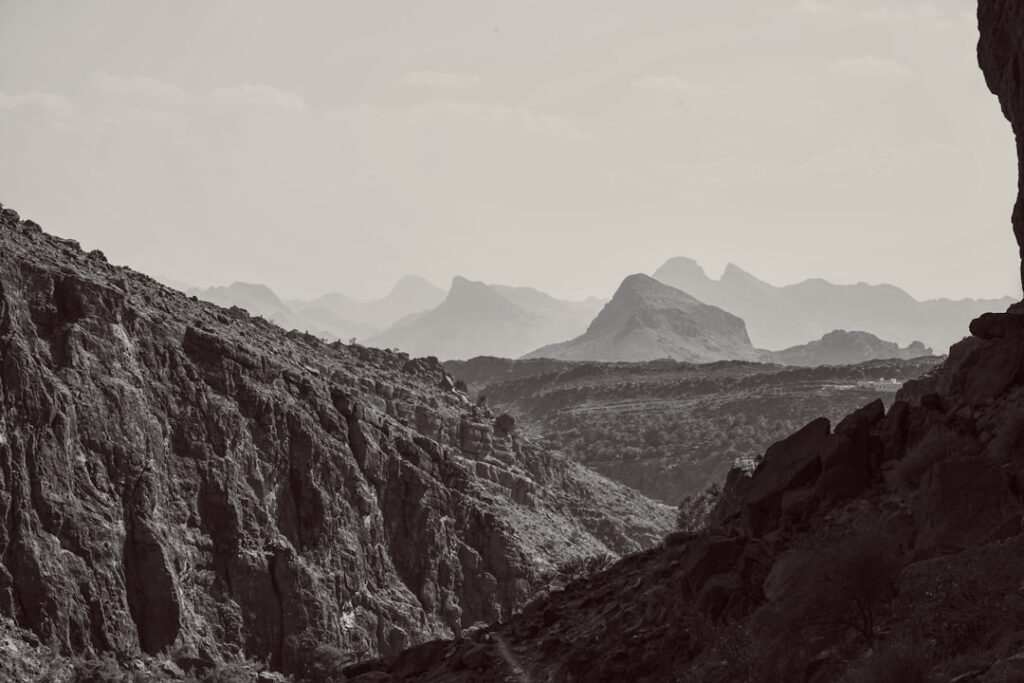
While crowds flock to the grand mosques of Muscat, Al Hamra, Oman delivers a raw, unfiltered glimpse into a 400-year-old way of life that has all but vanished. Here, you don’t just visit a museum; you walk through a living, breathing abandoned village where the scent of sun-baked mudbrick and the rustle of date palms are your only guides. This is the heart of the Hajar Mountains, where time moves to the rhythm of the falaj water channels.
Why Al Hamra, Oman Stands Out

A stone building with a wooden door and window, Al Hamra, Oman
- Historic Architecture: The labyrinthine lanes of Al Hamra Old Town, with its multi-story mudbrick houses built in the 17th century, stand as a perfectly preserved example of pre-oil Omani urban design.
- Cultural Scene: The annual Date Festival in July/August is a vibrant celebration of the region’s most important crop, where you can taste dozens of date varieties and witness traditional sorting and packing methods.
- Local Specialties: You must try Shuwa, a celebratory dish of marinated lamb slow-cooked for up to 48 hours in an underground sand oven, infusing it with incredible tenderness and smoky flavor.
Pro Tip: Visit between October and April for perfect 20-28°C (68-82°F) hiking weather. To have the ancient village of Misfat al Abriyeen almost to yourself, arrive right at sunrise (around 6:30 AM) before the day-trip buses from Muscat arrive after 10 AM.
Map of Al Hamra, Oman
Use these interactive maps to explore Al Hamra, Oman and plan your route:
📍 View Al Hamra, Oman on OpenStreetMap
🗺️ Open Al Hamra, Oman in Google Maps
Planning Your Trip: Practical Essentials
Getting There and Around
- By Air: Muscat International Airport (MCT) is your gateway, served by Oman Air, SalamAir, and major international carriers. The drive to Al Hamra takes about 2.5 hours. Book flights at Skyscanner for best deals.
- By Train: Oman has no passenger rail network, so train travel is not an option. Reserve tickets at Trainline or the national railway website for travel in other regions.
- By Car: The drive from Muscat via Route 15 is scenic and straightforward. A 4×4 is recommended only if you plan to explore remote mountain tracks like the original road to Jebel Shams. Compare car rentals at RentalCars.com.
- Local Transport: There is no formal public transport within Al Hamra. Your options are your own vehicle, taxis (agree on a price beforehand, around 5-10 OMR for local trips), or pre-booked tours from Muscat.
Best Time to Visit
The climate dictates your experience here. The mountain air makes Al Hamra more temperate than coastal Muscat, but timing is key for comfortable exploration.
| Season | Weather | Highlights |
|---|---|---|
| Summer (Jun–Aug) | Hot (30-40°C / 86-104°F) but dry. Intense sun, cool mountain evenings. | Experience the lively Date Festival; very few tourists; lower accommodation rates. |
| Winter (Dec–Feb) | Cool & pleasant (15-25°C / 59-77°F). Chilly nights, perfect for daytime hiking. | Peak tourist season; ideal for all outdoor activities; book accommodations well in advance. |
| Shoulder (Apr–May/Sep–Oct) | Warm to hot (25-35°C / 77-95°F). September can see occasional rain. | Best balance of good weather and smaller crowds; lush greenery in April after winter rains. |
Budgeting for Al Hamra, Oman

Explore Al Alam Palace, Al Hamra, Oman
| Category | Budget | Mid-range | Luxury |
|---|---|---|---|
| Accommodation | 15-25 OMR (Guesthouse) | 40-70 OMR (Boutique Hotel) | 100+ OMR (Luxury Heritage) |
| Meals | 3-5 OMR (Local Cafeteria) | 8-15 OMR (Restaurant) | 20+ OMR (Fine Dining) |
| Transport | Car Rental Split (5 OMR/day) | Private Taxi (30 OMR/day) | Private Driver (80+ OMR/day) |
| Activities | Free (Hiking, Old Town) | 10-20 OMR (Guided Tours) | 50 OMR (Private Guided Hike) |
| Daily Total | 25-40 OMR | 80-130 OMR | 200+ OMR |
Top Attractions and Must-See Sights
| Attraction | Description | Hours | Entry Fee |
|---|---|---|---|
| Al Hamra Old Town (Bait Al Safah) | A living museum village where local women demonstrate traditional bread-making, coffee grinding, and perfume blending. | 9:00 AM – 1:00 PM, 3:00 PM – 6:00 PM (Sat-Thu) | 2 OMR |
| Misfat al Abriyeen | A breathtaking mountain village clinging to cliffs, famed for its ancient falaj irrigation system and lush banana & date plantations. | Open 24/7 (Respect privacy) | Free |
| Jebel Shams (‘Sun Mountain’) | Oman’s highest peak at 3,009m, offering the epic “Grand Canyon of Arabia” view from the rim at Wadi Ghul. | Open 24/7 | Free |
| Bait Al Rudaydah Fort | A 17th-century defensive fort with a distinctive round tower, offering panoramic views over the old town and date plantations. | 8:00 AM – 2:00 PM (Check locally) | 0.5 OMR |
3-Day Itinerary: Al Hamra, Oman’s Highlights & Hidden Gems
Day 1: Mudbrick Labyrinths & Mountain Vistas
- Morning (7:30 AM): Start at Bait Al Safah in Al Hamra Old Town. Watch the morning bread-making ritual and sip fresh Omani coffee. Your 2 OMR entry supports the local women’s cooperative.
- Afternoon (12:30 PM): Drive 15 minutes to Misfat al Abriyeen. Park at the entrance and walk the marked trail through the village’s incredible agricultural terraces. Have a simple lunch of chicken majboos (spiced rice) at Misfah Old House for about 4 OMR.
- Evening (5:30 PM): Drive up the winding road to Jebel Shams for sunset over Wadi Ghul. The colors are spectacular. Return for dinner at Al Hamra Hotel’s restaurant, trying their excellent grilled hamour (local fish) for 7 OMR.
Day 2: Canyon Depths & Starry Nights
- Morning (8:00 AM): Hike the Balcony Walk (W6 trail). This moderate 3-4 hour round-trip hike starts near Jebel Shams Resort and clings to the side of the canyon, offering dizzying views to the abandoned village of As Sab. Bring water and sun protection.
- Afternoon (1:00 PM): Enjoy a well-earned picnic lunch with supplies from Al Hamra’s local souq. Then, visit the small but fascinating Al Hamra Date Factory to see processing and taste varieties like Fard and Khalas.
- Evening (7:00 PM): For a unique experience, book an overnight stay at a guesthouse in Misfat al Abriyeen like Misfah Old House. Dine on the terrace under a blanket of stars—the mountain silence is profound.
Day 3: Forts, Falajes & Farewell Feasts
- Morning (9:00 AM): Explore Bait Al Rudaydah Fort. Then, drive 20 minutes to the ancient village of Ghul, at the very base of the canyon. The drive down is an adventure, best in a 4×4 (allow 1 OMR for fuel).
- Afternoon (12:30 PM): Head to the nearby town of Bahla, a UNESCO World Heritage site (30 min drive). Explore the immense Bahla Fort and the surrounding pottery souq. Have lunch at Bahla Fort Restaurant for authentic Omani fare.
- Evening (6:00 PM): Return to Al Hamra for a final feast. If you’ve pre-ordered 24 hours in advance, savor the legendary Shuwa at a local restaurant like Al Diyar Al Hamra. It’s the perfect celebratory end to your mountain journey.
Cultural Insights & Etiquette
- Language: Arabic is official. English is understood in hotels/tourist spots. Learn “As-salamu alaykum” (hello), “Shukran” (thank you), and “Ma’is-salamah” (goodbye).
- Customs: Always accept offers of Omani coffee (qahwa) and dates—it’s a sign of hospitality. Use your right hand for eating and greeting. Public displays of affection are frowned upon.
- Tipping: Not mandatory but appreciated. Round up taxi fares, leave 5-10% in sit-down restaurants if service charge isn’t included, and tip tour guides 3-5 OMR.
- Dress Code: Modesty is key. Men and women should cover shoulders and knees. Light, loose-fitting clothing is most practical and respectful, especially in the old villages.
- Business Hours: Government: 7:30 AM – 2:30 PM (Sun-Thu). Souqs: 8 AM – 1 PM & 4 PM – 9 PM (often closed Friday morning). Friday is the holy day.
Where to Eat: Al Hamra, Oman’s Best Bites
Dining here is about hearty, flavorful mountain cuisine. You’ll find a mix of simple local cafeterias serving rice and grilled meats, and a growing number of charming restaurants set in old houses. Portions are generous, and hospitality is always included.
Must-Try Local Specialties
- Shuwa: The king of Omani cuisine. Marinated lamb or goat wrapped in banana leaves and slow-cooked in a sand oven for up to two days. Must be ordered a day ahead at places like Al Diyar Al Hamra.
- Mishkak: Skewers of marinated meat (often beef or chicken) grilled over charcoal. Perfect street food found at roadside stalls in the evening.
- Halwa: A sticky, sweet gelatinous dessert made from rosewater, saffron, nuts, and sugar. Try it at the Bahla souq for the most authentic version.
Restaurant Recommendations by Budget
| Type | Restaurant | Specialty | Price Range |
|---|---|---|---|
| Budget | Al Hamra Cafeteria (Town Center) | Freshly made chicken shawarma and karak chai (spiced tea). | 1-3 OMR |
| Mid-range | Misfah Old House (Misfat al Abriyeen) | Authentic Omani lunches on a terrace with epic mountain views. | 4-6 OMR |
| Fine dining | The View Restaurant (Jebel Shams Resort) | International and Omani fusion with unparalleled canyon vistas. | 15-25 OMR |
Where to Stay
Accommodation ranges from basic guesthouses to stunning heritage properties. Staying in a restored old house in Al Hamra or a guesthouse in Misfat al Abriyeen offers the most atmospheric experience. Compare prices and book at Booking.com or Airbnb for apartments.
Best Neighborhoods for Accommodation
- Central Al Hamra: Convenient for exploring the old town and with the most dining options. Suits first-time visitors and those without a car. Can lack mountain views.
- Misfat al Abriyeen: For an immersive, tranquil experience. You’ll stay in a working mountain village. Best for hikers and those seeking peace. Note: access is on foot from the parking area.
- Jebel Shams Area: For stunning canyon views and cool high-altitude air. Ideal for serious hikers and photographers. Limited dining, so often half-board is best.
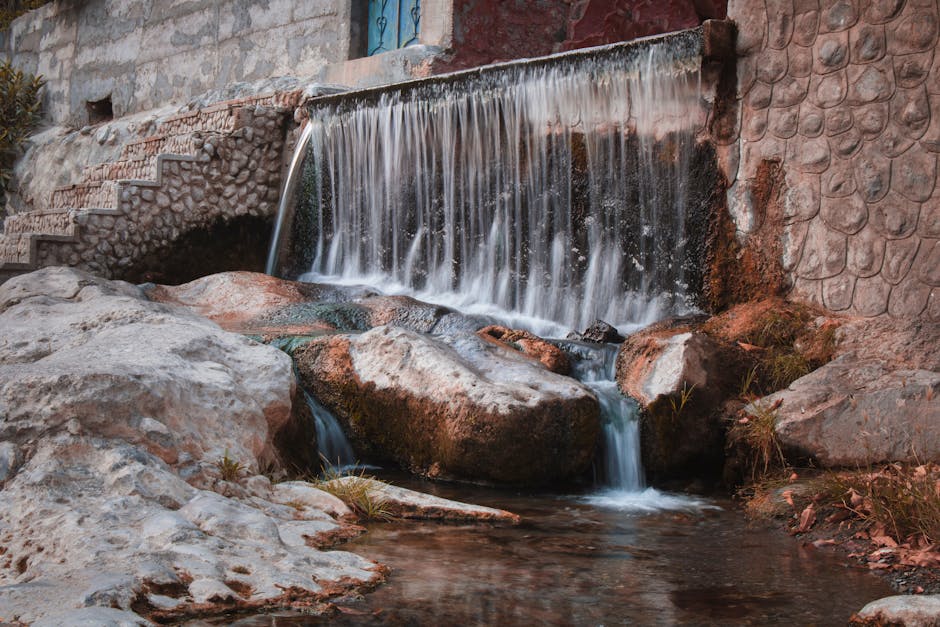
Scenic waterfall cascading over stones in Nakhl, Oman., Al Hamra, Oman
FAQs: Your Al Hamra, Oman Questions Answered
1. Is Al Hamra, Oman safe at night?
Extremely safe. Oman has very low crime rates. Walking in Al Hamra town at night is perfectly safe. When hiking in remote mountain areas like Jebel Shams, the main risks are natural—stay on marked trails, carry water, and inform someone of your plans.
2. What currency is used and are credit cards accepted?
The currency is the Omani Rial (OMR). 1 OMR ≈ $2.60 USD. Credit cards (Visa/Mastercard) are accepted at hotels, resorts, and some restaurants. However, in local cafeterias, the souq, and for taxis, you will need cash. ATMs are available in central Al Hamra.
3. How do I get from the airport to the city center?
From Muscat International Airport (MCT), the most flexible option is to rent a car (2.5-hour drive via Route 15). Pre-booked private transfers cost 60-80 OMR one-way. There is no direct public bus. Book airport transfers at GetYourGuide for convenience.
4. Do I need to speak the local language?
No. English is widely spoken in the tourism sector (hotels, guided tours, major restaurants). In the old souq or with older locals, you may encounter limited English, but Omanis are famously helpful and will try to communicate. Learning a few Arabic greetings goes a very long way.
5. What’s the appropriate dress code?
Modest, loose-fitting clothing is required. For men: trousers and shirts (t-shirts are fine). For women: clothing covering shoulders and knees; a scarf is useful for visiting mosques. This is especially important when exploring traditional villages like Misfat al Abriyeen out of respect for residents.
Final Thoughts: Al Hamra, Oman Awaits
Al Hamra offers something increasingly rare: a profound connection to

