
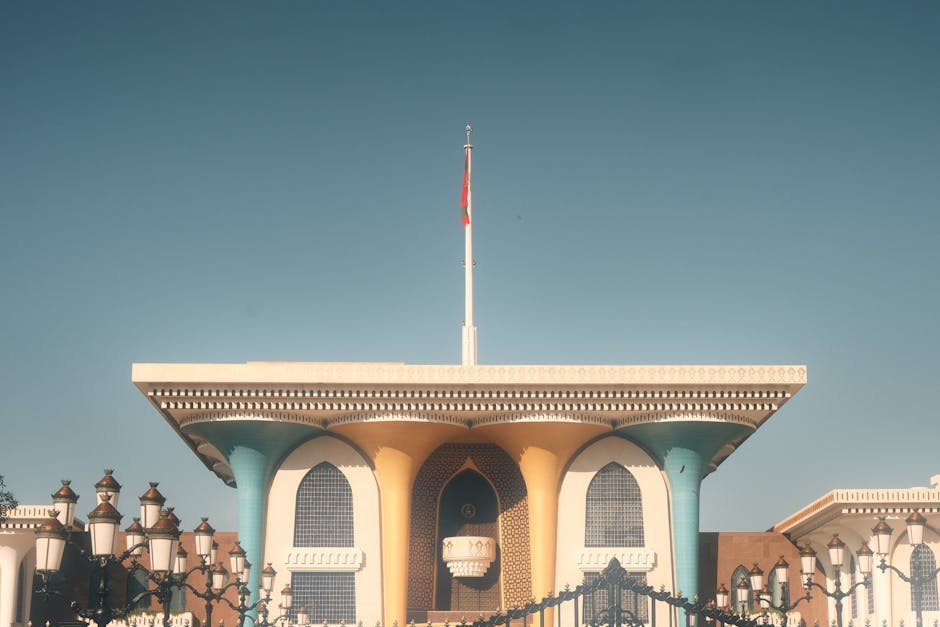
Al Buraimi, Oman: Essential Cross-Border Culture, Ancient Forts & Oasis Serenity (2026)
While crowds flock to the skyscrapers of Dubai just 90 minutes away, Al Buraimi, Oman delivers an authentic, unhurried taste of traditional Arabian life without the traffic jams and premium price tags. Here, your morning coffee costs less than a dollar, and the most important sound is the call to prayer echoing between 19th-century mudbrick forts, not a taxi horn. This is the quiet, culturally rich counterpoint to the UAE’s glittering excess, where history is lived, not just displayed.
Why Al Buraimi, Oman Stands Out
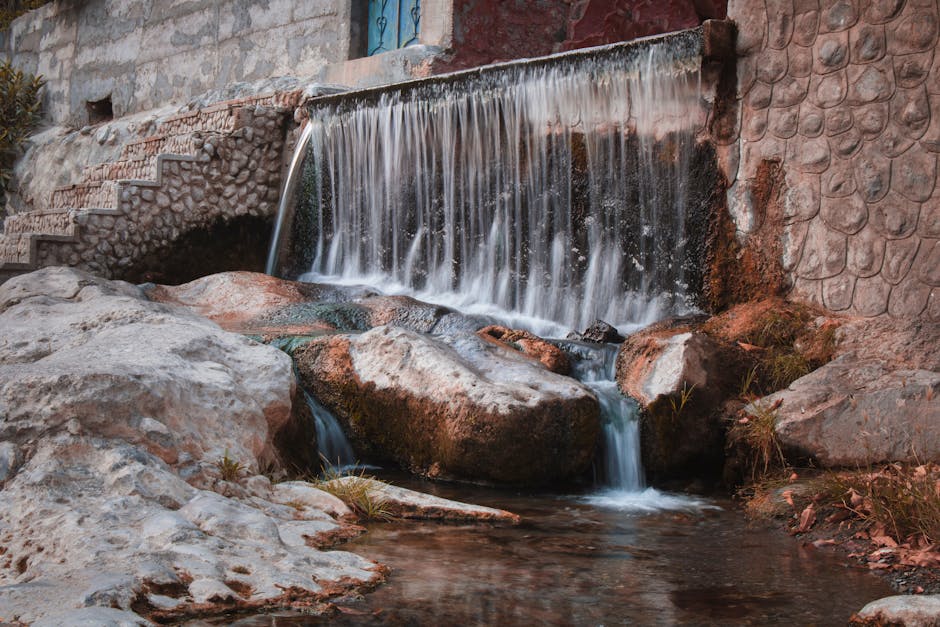
Scenic waterfall cascading over stones in Nakhl, Oman., Al Buraimi, Oman
- Historic Architecture: Al Buraimi Fort, a 19th-century defensive structure built from mudbrick and palm wood, stands as a testament to the region’s strategic importance in tribal conflicts and its role in defining the modern Omani-UAE border.
- Cultural Scene: The annual Al Buraimi Date Festival in September celebrates the region’s agricultural heart, where you can taste over 200 varieties of dates and witness traditional date-pressing competitions.
- Local Specialties: You must try Shuwa, a celebratory dish of marinated lamb slow-cooked for up to 48 hours in an underground sand oven, infusing it with incredible tenderness and smoky flavor.
Pro Tip: Visit between October and March for perfect 25-30°C (77-86°F) days. For the ultimate experience, plan your trip around a Thursday or Friday morning to explore the vibrant Al Buraimi Souq when it’s at its busiest with locals from both sides of the border, then enjoy a quiet afternoon as the city slows for the weekend.
Map of Al Buraimi, Oman
Use these interactive maps to explore Al Buraimi, Oman and plan your route:
📍 View Al Buraimi, Oman on OpenStreetMap
🗺️ Open Al Buraimi, Oman in Google Maps
Planning Your Trip: Practical Essentials
Getting There and Around
- By Air: Fly into Al Ain International Airport (AAN) in the UAE, just a 30-minute drive away, served by Air Arabia and Wizz Air Abu Dhabi. A pre-booked taxi to Al Buraimi costs ~25 OMR ($65). Book flights at Skyscanner for best deals.
- By Train: There are no passenger train services to Al Buraimi. The nearest major rail hub is in Abu Dhabi, UAE.
- By Car: The drive from Muscat via Route 9 takes about 3.5 hours. From Al Ain, UAE, it’s a straightforward 20-minute border crossing. Ensure your rental agreement permits cross-border travel. Compare car rentals at RentalCars.com.
- Local Transport: Taxis are the primary mode; always agree on a fare before starting (5-10 OMR for most in-town trips). There is no formal public bus system, but shared minibuses operate on fixed routes for about 0.5 OMR.
Best Time to Visit
Timing is everything in the desert. The ideal window offers comfortable exploration weather, aligning with local cultural events for a richer experience.
| Season | Weather | Highlights |
|---|---|---|
| Summer (Jun–Aug) | Extremely hot, 38-45°C (100-113°F). Dry and intense sun. | Lowest tourist numbers; indoor museum visits and late-evening souq trips are your best bet. Not recommended for extensive outdoor sightseeing. |
| Winter (Dec–Feb) | Pleasant and mild, 18-25°C (64-77°F). Cool, clear nights. | Perfect for fort explorations, desert picnics, and long walks. Peak season for regional tourists, so book accommodation slightly ahead. |
| Shoulder (Apr–May/Sep–Oct) | Warm to hot, 28-35°C (82-95°F). Evenings are comfortable. | The sweet spot. Great weather combined with the September Date Festival. You’ll find fewer visitors and better hotel rates than in peak winter. |
Budgeting for Al Buraimi, Oman
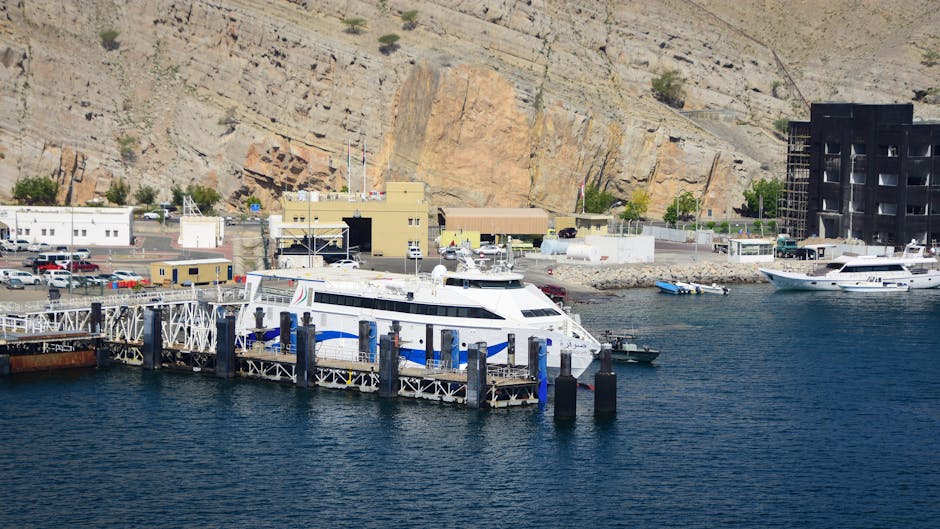
A serene view of boats docked at the Port of Al-Chasab in Musandam, Al Buraimi, Oman
| Category | Budget | Mid-range | Luxury |
|---|---|---|---|
| Accommodation | 15-25 OMR/night for a local guesthouse | 35-55 OMR/night for a 4-star business hotel | 70+ OMR/night for a resort-style hotel with pool & spa |
| Meals | 2-4 OMR for a filling shawarma & juice | 8-12 OMR for a restaurant meal with appetizers | 20+ OMR for a multi-course fine dining experience |
| Transport | 1-2 OMR/day for shared minibus trips | 10-15 OMR/day for taxi fares or a basic rental car | 30+ OMR/day for a premium SUV with driver |
| Activities | Free fort visits, souq browsing | 5 OMR for museum entries, 20 OMR for a desert tour | 50+ OMR for private guided historical tours |
| Daily Total | 20-35 OMR ($52-$91) | 60-90 OMR ($156-$234) | 170+ OMR ($442+) |
Top Attractions and Must-See Sights
| Attraction | Description | Hours | Entry Fee |
|---|---|---|---|
| Al Buraimi Fort | The city’s iconic 19th-century mudbrick fortress, offering a tangible journey into the region’s defensive history and tribal past. | Sat-Thu: 8 AM-2 PM; Fri: 8 AM-11 AM | Free |
| Al Buraimi Souq | A vibrant, authentic market where Omani and Emirati cultures blend, famous for fresh dates, Omani halwa, and traditional textiles. | Daily: 8 AM-1 PM & 4 PM-10 PM | Free |
| Bait Al Nadha Museum | Housed in a restored traditional house, this museum showcases local heritage, Bedouin jewelry, weaponry, and archaeological finds. | Sat-Wed: 8 AM-2 PM; Thu: 9 AM-1 PM | 2 OMR |
| Wadi Jizzi | A stunning desert valley (wadi) just outside town, perfect for a scenic drive, photography, and witnessing dramatic rock formations. | 24/7 | Free |
3-Day Itinerary: Al Buraimi, Oman’s Highlights & Hidden Gems
Day 1: Forts, Souqs & Border Culture
- Morning (7-9 AM): Start at Al Buraimi Fort to explore in the cool morning light. Climb the watchtower for panoramic views of the city and the bordering UAE.
- Afternoon (12-3 PM): Dive into the Al Buraimi Souq. For lunch, grab a table at **Al Meshwar Restaurant** near the souq entrance for their famous mixed grill platter (6 OMR).
- Evening (6-8 PM): Take a short taxi to the **Hillat Al Saad** area to see traditional mudbrick architecture at sunset, followed by dinner at **Bin Ateeq** for authentic Omani fare like Harees (wheat and meat porridge).
Day 2: Heritage, Museums & Desert Echoes
- Morning (8 AM): Visit the Bait Al Nadha Museum (2 OMR entry) – allow an hour to appreciate the detailed exhibits on pre-oil life.
- Afternoon (1 PM): Enjoy a late lunch at **Diyar Al Buraimi**, a local favorite for Mandi (spiced rice and meat). Then, hire a taxi for the afternoon (approx. 15 OMR) to explore **Wadi Jizzi**.
- Evening (6 PM): Experience a classic Omani coffee ceremony at a designated majlis (sitting area) often found in larger hotels like the Golden Tulip, a perfect, relaxed end to the day.
Day 3: Oasis Drive & Culinary Discovery
- Morning (9 AM): Rent a car for the day (from 12 OMR) and drive 45 minutes to the stunning **Al Ain Oasis** in the UAE (remember your passport!). Wander the 3,000-acre UNESCO-listed palm groves and ancient falaj irrigation systems.
- Afternoon (1 PM): Have lunch back in Al Buraimi at **Al Khabbah Restaurant**, renowned for its massive, shareable platters of Kabsa (spiced rice with chicken or lamb).
- Evening (5 PM): Your final stop: a visit to a local date farm on the city’s outskirts (ask your hotel to arrange). Tour the plantation and buy fresh, locally packaged dates as the perfect edible souvenir.
Cultural Insights & Etiquette
- Language: Arabic is official. English is widely understood in hotels and shops. Learn “As-salamu alaykum” (hello), “Shukran” (thank you), and “Kayf halak?” (how are you?).
- Customs: Always use your right hand for eating and greeting. Public displays of affection are frowned upon. When invited to a majlis, it’s polite to accept at least one cup of Arabic coffee or tea.
- Tipping: Not mandatory but appreciated. Round up taxi fares, leave 5-10% in sit-down restaurants if service isn’t included, and tip hotel porters 1-2 OMR.
- Dress Code: Modesty is key. Men should avoid shorts in public buildings. Women should cover shoulders and knees; a loose-fitting tunic and pants or a long skirt is ideal. Carrying a light scarf is always useful.
- Business Hours: Government offices: Sat-Wed 7:30 AM-2:30 PM. Shops: often split shifts (9 AM-1 PM, 4 PM-10 PM). Everything closes for prayer times, which occur five times daily.
Where to Eat: Al Buraimi, Oman’s Best Bites
Dining here is a celebration of Omani generosity and flavor. You’ll find a focus on shared platters, fragrant rice, slow-cooked meats, and the ubiquitous date. Don’t just eat—engage. Meals are a social cornerstone.
Must-Try Local Specialties
- Shuwa: The national celebratory dish. Lamb marinated in a secret spice mix, wrapped in banana leaves, and slow-cooked in a sand oven for up to two days. Best tried during Eid or at large family-style restaurants like **Bin Ateeq** if pre-ordered.
- Majboos/Machboos: A fragrant rice dish similar to biryani, cooked with meat (usually chicken or lamb), dried lime, and rosewater. **Al Khabbah Restaurant** serves an exceptional version.
- Omani Halwa: A sticky, gelatinous sweet made from rosewater, saffron, nuts, and sugar. It’s a symbol of hospitality. Buy the freshest blocks from vendors in the **Al Buraimi Souq**.
Restaurant Recommendations by Budget
| Type | Restaurant | Specialty | Price Range |
|---|---|---|---|
| Budget | Al Meshwar Restaurant (Downtown) | Hearty mixed grills and shawarma wraps | 2-5 OMR per person |
| Mid-range | Diyar Al Buraimi (Near Roundabouts) | Authentic Mandi and large family platters | 6-12 OMR per person |
| Fine dining | Al Sarh Restaurant (Golden Tulip Hotel) | International buffet with Omani specialties in an upscale setting | 15-25 OMR per person |
Where to Stay
Accommodation ranges from functional business hotels to a few more luxurious options. There’s no defined “tourist district,” so your best bet is to choose based on proximity to the souq and main roads for easy taxi access. Compare prices and book at Booking.com or Airbnb for apartments.
Best Neighborhoods for Accommodation
- City Center (Near the Souq & Fort): The most convenient location for walking to main sights. You’ll find older, budget-friendly hotels and constant activity. Perfect for short stays and immersive cultural experiences.
- Al Khadra Area: A more modern, residential area with newer mid-range chain hotels. It offers quieter streets, easier parking, and is a short, cheap taxi ride from the center. Ideal for families or those with a rental car.
- Outskirts/Highway: Home to the larger 4-5 star hotels like the Golden Tulip. These offer resort-style amenities (pools, spas) but require a taxi for any outing. Best for travelers prioritizing in-hotel comfort and attending business conferences.
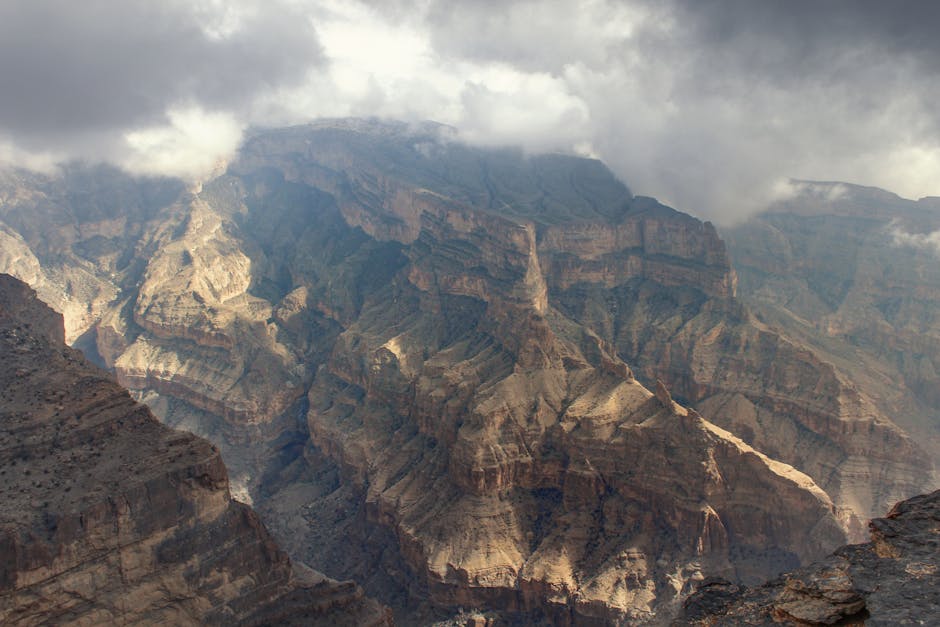
Majestic aerial view of Jabal Shams, Al Buraimi, Oman
FAQs: Your Al Buraimi, Oman Questions Answered
1. Is Al Buraimi, Oman safe at night?
Yes, it is generally very safe. Violent crime is extremely rare. As in any city, exercise standard precautions: be aware of your surroundings in quieter areas, and use licensed taxis. The biggest nighttime hazard for drivers is occasionally wandering camels on outer roads.
2. What currency is used and are credit cards accepted?
The Omani Rial (OMR) is the currency. 1 OMR is approximately $2.60 USD. Credit cards (Visa/Mastercard) are widely accepted in hotels, larger restaurants, and supermarkets. However, you’ll need cash (small bills) for the souq, taxis, and smaller eateries. ATMs are readily available.
3. How do I get from the airport to the city center?
From Al Ain International Airport (AAN), pre-booking a transfer is your best bet. A metered taxi will cost ~25 OMR for the 30-minute journey, including the border crossing. Ensure you have your passport and any necessary visa for Oman ready. Book airport transfers at GetYourGuide for convenience.
4. Do I need to speak the local language?
No. English is commonly spoken in the tourism and service sectors. In the souq or with older locals, you may encounter language barriers, but a smile and basic Arabic greetings go a very long way. Most signage is in both Arabic and English.
5. What’s the appropriate dress code?
Modest, loose-fitting clothing is required. For women, this means covering shoulders and knees. Men should avoid sleeveless

