
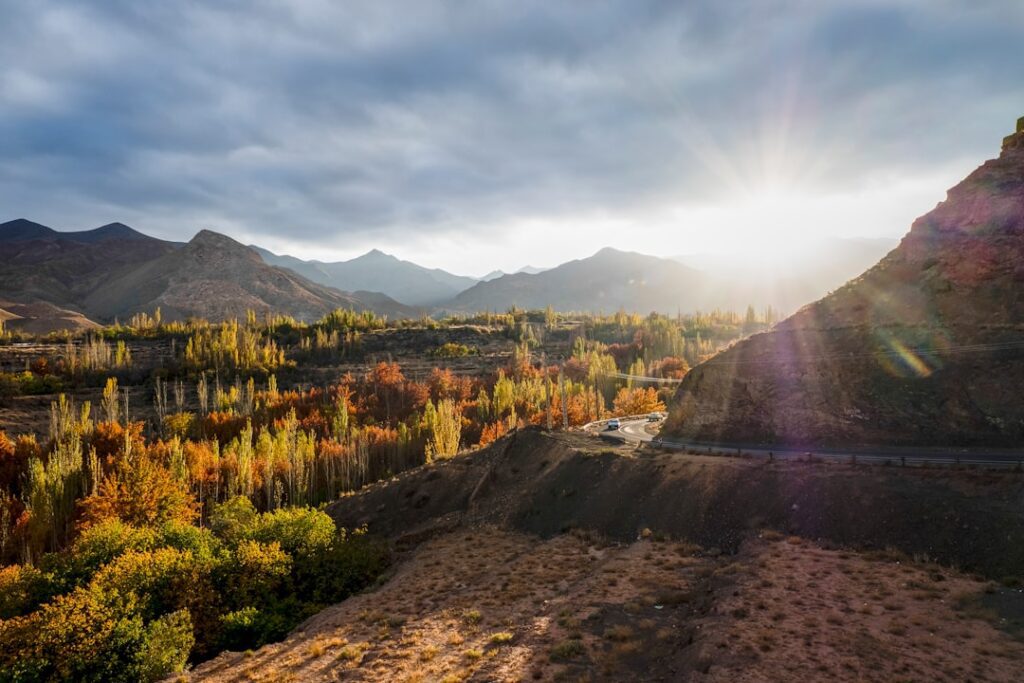
Abyaneh, Iran: Hidden Red Architecture, Ancient Zoroastrian Roots & Living Traditions (2025)
What if a single village could transport you through 1,500 years of Persian history? Abyaneh, Iran proves this possible with its distinctive red mud-brick houses cascading down the Karkas Mountains, where elderly women still wear traditional floral-patterned white scarves and speak Middle Persian. While 2 million tourists annually visit nearby Isfahan, fewer than 50,000 discover this living museum where Zoroastrian fire temples once stood and the local calendar predates Islam by centuries.
Why Abyaneh, Iran Stands Out

Woman sitting on brown concrete chair, Abyaneh, Iran
- Historic Architecture: The 11th-century Jameh Mosque features a unique wooden mihrab from the Seljuk era with pre-Islamic motifs
- Cultural Scene: The annual Tirgan Water Festival each July celebrates ancient Zoroastrian traditions with water-splashing and poetry
- Local Specialties: Don’t miss the village’s signature walnut-stuffed dried apples served with mountain tea
Pro Tip: Visit between 3-5 PM when the setting sun illuminates the red clay buildings at their most brilliant, then stay overnight to experience the village after day-trippers leave – the starry mountain skies are spectacular from rooftop terraces.
Map of Abyaneh, Iran
Use these interactive maps to explore Abyaneh, Iran and plan your route:
📍 View Abyaneh, Iran on OpenStreetMap
🗺️ Open Abyaneh, Iran in Google Maps
Planning Your Trip: Practical Essentials
Getting There and Around
- By Air: Fly into Imam Khomeini International Airport (IKA) in Tehran, then take a 4-hour drive or domestic flight to Kashan Airport. Book flights at Skyscanner for best deals.
- By Train: Take Tehran-Kashan trains running 6 times daily (2.5 hours, $8-15), then hire a taxi for the 45-minute mountain drive to Abyaneh. Reserve tickets at Trainline or the national railway website.
- By Car: The scenic Route 64 from Kashan winds through mountains with stunning valley views – rent a 4WD for winter visits. Compare car rentals at RentalCars.com.
- Local Transport: The village is entirely walkable, but taxis from Kashan cost $15-20 each way – negotiate round-trip including waiting time.
Best Time to Visit
Spring and autumn offer ideal conditions for exploring the mountainous terrain, while summer brings vibrant festivals and winter transforms the village into a snow-dusted wonderland with fewer visitors.
| Season | Weather | Highlights |
|---|---|---|
| Summer (Jun–Aug) | 75-85°F, dry and sunny | Tirgan Festival, longest days for photography, bustling with Iranian tourists |
| Winter (Dec–Feb) | 25-40°F, frequent snow | Dramatic snow scenes, empty lanes, cozy traditional guesthouses with heaters |
| Shoulder (Apr–May/Sep–Oct) | 55-70°F, mild and clear | Perfect hiking weather, blooming wildflowers, optimal for extended exploration |
Budgeting for Abyaneh, Iran

Assorted clothes on brown wooden rack, Abyaneh, Iran
| Category | Budget | Mid-range | Luxury |
|---|---|---|---|
| Accommodation | $15-25 (village homestay) | $40-60 (traditional guesthouse) | $80-120 (private historic house) |
| Meals | $5-8 (local teahouses) | $12-18 (restaurant meals) | $25-35 (private dining experiences) |
| Transport | $3 (shared taxi from Kashan) | $20 (private taxi round-trip) | $60 (private driver for day) |
| Activities | Free (village exploration) | $5-10 (museum entries) | $50 (private guide for day) |
| Daily Total | $25-40 | $70-100 | $200-250 |
Top Attractions and Must-See Sights
| Attraction | Description | Hours | Entry Fee |
|---|---|---|---|
| Jameh Mosque | 11th-century Seljuk mosque with rare wooden mihrab and Zoroastrian-inspired architecture | 8 AM-6 PM | $2 |
| Traditional Houses | Centuries-old red mud-brick homes with latticed windows and inscribed doorframes | Always accessible | Free |
| Ethnographic Museum | Preserved 18th-century home displaying traditional costumes and agricultural tools | 9 AM-5 PM | $3 |
| Ancient Cemetery | Pre-Islamic gravestones with unusual inscriptions in early Persian scripts | Always accessible | Free |
3-Day Itinerary: Abyaneh, Iran’s Highlights & Hidden Gems
Day 1: Ancient Architecture & Village Life
- Morning: Arrive by 7 AM to photograph the sunrise illuminating the red village before crowds arrive. Start at the upper village where the oldest houses date to the Sassanian era.
- Afternoon: Explore the Jameh Mosque at noon when light streams through its ancient windows, then lunch at Abyaneh Traditional Restaurant for their lamb and plum stew ($12).
- Evening: Join locals at the public square for tea and conversation as temperatures cool, then enjoy rooftop stargazing from your guesthouse.
Day 2: Cultural Immersion & Mountain Exploration
- Morning: Hire a local guide ($25 for 3 hours) to explain the unique Abyanehi dialect and Zoroastrian symbols carved into doorframes.
- Afternoon: Visit the Ethnographic Museum to see traditional floral-patterned dresses, then hike to the mountain spring that has supplied the village for centuries.
- Evening: Participate in a cooking class ($15) learning to make the village’s signature barley bread in traditional clay ovens.
Day 3: Regional Connections & Departure
- Morning: Take a shared taxi ($5) to nearby Natanz to visit its magnificent 14th-century Friday Mosque and see how architecture evolved in the region.
- Afternoon: Return to Abyaneh for final souvenir shopping – don’t miss the handmade embroidered scarves ($8-15) at the women’s cooperative.
- Evening: Enjoy a farewell dinner at your guesthouse featuring multiple local dishes, then depart for Kashan with pre-arranged transportation.
Cultural Insights & Etiquette
- Language: While Farsi is understood, locals speak a distinct Middle Persian dialect – learn “Salam” for hello and “Merci” for thank you
- Customs: Always remove shoes before entering homes and accept tea when offered – refusal is considered rude
- Tipping: Round up taxi fares and leave 10% at restaurants – small gifts from your home country delight elderly residents
- Dress Code: Women should wear headscarves and loose clothing covering arms and legs; men avoid shorts
- Business Hours: Shops open 8 AM-1 PM and 4-7 PM, closed Fridays; museums close for lunch 12-2 PM
Where to Eat: Abyaneh, Iran’s Best Bites
Traditional Abyaneh cuisine reflects its mountain environment with hearty stews, dried fruits, and bread baked in communal clay ovens. Most dining happens in family-run establishments where recipes have been passed down for generations.
Must-Try Local Specialties
- Dizi: Lamb and chickpea stew served with bread for dipping – best at Abyaneh Traditional Restaurant
- Kalleh Jush: Mountain herb soup with walnuts and dried yogurt – a specialty at local homestays
- Local Walnuts and Apples: Grown in village orchards and sold dried or fresh at the morning market
Restaurant Recommendations by Budget
| Type | Restaurant | Specialty | Price Range |
|---|---|---|---|
| Budget | Village Teahouse (main square) | Fresh bread with local honey and tea | $3-6 |
| Mid-range | Abyaneh Traditional Restaurant | Lamb stew with dried plums | $10-15 |
| Fine dining | Private guesthouse dinners | Multi-course traditional meals | $25-35 |
Where to Stay
Accommodation ranges from basic homestays with local families to restored historic houses with traditional architecture. Most options cluster in the village center within walking distance of all attractions. Compare prices and book at Booking.com or Airbnb for apartments.
Best Neighborhoods for Accommodation
- Upper Village: Quieter area with oldest architecture and panoramic views, perfect for photographers and those seeking tranquility
- Village Center: Close to restaurants and shops, ideal for first-time visitors wanting easy access to amenities
- Lower Valley: Newer guesthouses with modern amenities while maintaining traditional architectural styles

Woman in white and red hijab, Abyaneh, Iran
FAQs: Your Abyaneh, Iran Questions Answered
1. Is Abyaneh, Iran safe at night?
Extremely safe – the village has virtually no crime. However, carry a flashlight as streets are poorly lit and uneven. Locals are protective of visitors and will often escort you if you appear lost after dark.
2. What currency is used and are credit cards accepted?
Iranian Rials (IRR) are the official currency, though prices are often quoted in Tomans (10 Rials = 1 Toman). Bring cash as credit cards don’t work due to sanctions. Exchange money in Kashan before arriving.
3. How do I get from the airport to the city center?
From Tehran’s Imam Khomeini Airport, take a taxi ($25-35) to Tehran’s main bus terminal, then catch a bus to Kashan ($8, 3 hours), followed by a taxi to Abyaneh ($15-20, 45 minutes). Book airport transfers at GetYourGuide for convenience.
4. Do I need to speak the local language?
Basic Farsi phrases are appreciated, but many younger residents speak some English. Older villagers primarily speak the local Abyanehi dialect. Carry a phrasebook and use translation apps for complex conversations.
5. What’s the appropriate dress code?
Women must wear headscarves and loose clothing covering arms and legs at all times. Men should avoid shorts. In winter, dress in layers as indoor heating is minimal and mountain temperatures drop significantly at night.
Final Thoughts: Abyaneh, Iran Awaits
Abyaneh offers one of Iran’s most authentic cultural experiences, where ancient traditions continue to shape daily life in a spectacular mountain setting. Unlike restored historical sites, this is a living community where architecture, language, and customs have preserved centuries of Persian heritage. Savvy travelers know to spend at least one night to experience the village’s magical transformation after day-trippers depart. Don’t miss the opportunity to learn a few words of the local dialect – elderly residents’ faces light up when visitors attempt their ancient language, creating connections that transcend typical tourist experiences. Your journey here supports the preservation of a unique cultural treasure that has withstood 1,500 years of history.

