
Malekula, Vanuatu’s Essential Cannibal History, Coral Reefs & Kastom Culture (2025)
While thousands flock to Port Vila’s resorts each year, fewer than 500 international travelers annually discover Malekula, Vanuatu’s second-largest island, where 30 distinct indigenous languages survive and ancient traditions remain untouched by mass tourism. Here, you’ll find the world’s most accessible cannibal history sites just footsteps from pristine coral reefs, with traditional nakamal (chief’s meeting grounds) operating exactly as they have for centuries. This isn’t just another Pacific island—it’s a living museum where kastom (custom) culture thrives.
Why Malekula, Vanuatu Stands Out

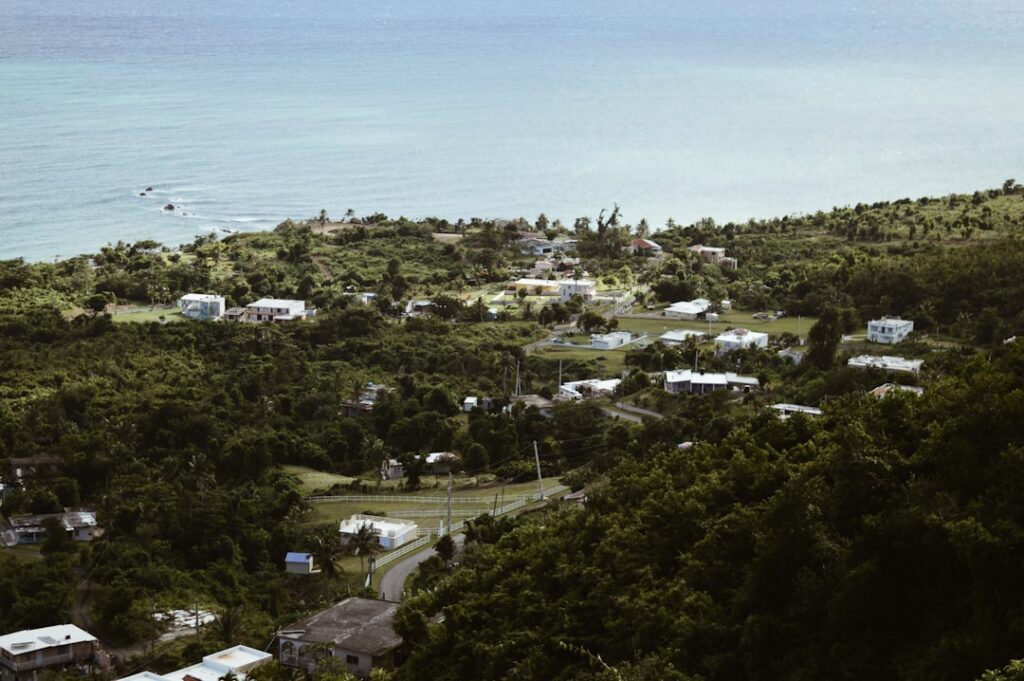
Green trees near body of water under white clouds and blue sky during daytime, Malekula, Vanuatu
- Historic Architecture: The 1912 French colonial administration building in Lamap, with its distinctive hurricane-proof design, stands as a testament to early European settlement attempts.
- Cultural Scene: The annual Nalawan Festival in September features the mesmerizing Rom dance, where men perform intricate steps while balancing on bamboo poles to tell creation stories.
- Local Specialties: Lap lap, the national dish made from grated yam, banana, or taro baked in coconut milk with island cabbage and meat in banana leaves.
Pro Tip: Visit during the dry season from May to October, but avoid July when cruise ships occasionally dock at the southern ports—arrive on weekdays when most tour groups have moved on to other islands.
Map of Malekula, Vanuatu
Use these interactive maps to explore Malekula, Vanuatu and plan your route:
📍 View Malekula, Vanuatu on OpenStreetMap
🗺️ Open Malekula, Vanuatu in Google Maps
Planning Your Trip: Practical Essentials
Getting There and Around
- By Air: Air Vanuatu flies daily from Port Vila to Norsup Airport (5,000 VUV/$45 one-way) and weekly to Lamap Airport; book flights at Skyscanner for best deals.
- By Sea: MV Hautiara ferry connects Port Vila to Malekula weekly (3,500 VUV/$32 economy class); reserve tickets at the Vanuatu Ferry Terminal in Port Vila.
- By Car: Rent 4WD vehicles in Lakatoro (12,000 VUV/$110 daily) for navigating unpaved coastal roads; compare car rentals at RentalCars.com.
- Local Transport: Shared pickup trucks serve as taxis (500 VUV/$4.50 per segment); boat transfers to offshore islands cost 2,000-5,000 VUV/$18-45 depending on distance.
Best Time to Visit
Malekula’s tropical climate means you’ll experience warm temperatures year-round, but the dry season from May to October offers ideal conditions for exploring both cultural sites and natural attractions without excessive rainfall.
| Season | Weather | Highlights |
|---|---|---|
| Dry Season (May–Oct) | 24-28°C, low humidity, minimal rainfall | Best for hiking to Big Nambas villages, crystal-clear diving conditions, cultural festivals |
| Wet Season (Nov–Apr) | 26-30°C, high humidity, daily tropical showers | Lush green landscapes, fewer visitors, lower accommodation rates but some roads impassable |
| Shoulder (Apr/Oct) | 25-29°C, occasional brief showers | Ideal balance of good weather and minimal crowds, perfect for photography and village visits |
Budgeting for Malekula, Vanuatu

Seashore during daytime, Malekula, Vanuatu
| Category | Budget | Mid-range | Luxury |
|---|---|---|---|
| Accommodation | 3,500-5,000 VUV/$32-45 (guesthouses) | 8,000-12,000 VUV/$73-110 (bungalows) | 20,000+ VUV/$182+ (eco-resorts) |
| Meals | 1,500 VUV/$14 (market/local eateries) | 2,500-4,000 VUV/$23-36 (restaurants) | 6,000+ VUV/$55+ (resort dining) |
| Transport | 1,000 VUV/$9 (shared trucks) | 3,000 VUV/$27 (private transfers) | 8,000 VUV/$73 (boat charters) |
| Activities | 1,000 VUV/$9 (village donations) | 3,000-5,000 VUV/$27-45 (guided tours) | 10,000+ VUV/$91+ (private guides) |
| Daily Total | 7,000 VUV/$64 | 16,500 VUV/$150 | 44,000 VUV/$400 |
Top Attractions and Must-See Sights
| Attraction | Description | Hours | Entry Fee |
|---|---|---|---|
| Big Nambas Cultural Village | Meet the famous tribal group known for their red-dyed penis sheaths and elaborate ceremonial grounds | Daily 8 AM-4 PM | 1,500 VUV includes guided tour |
| Maskelyne Islands | Stunning offshore archipelago with some of Vanuatu’s best snorkeling right from the beach | Always accessible | Free (boat transfer 3,000 VUV) |
| Rano Waterfall | Three-tiered waterfall plunging into natural swimming pools surrounded by tropical rainforest | Daylight hours | 500 VUV village donation |
| Tomman Island Cannibal Sites | See actual stone tables and ceremonial grounds where cannibalism was practiced until the 1960s | 9 AM-3 PM with guide | 2,000 VUV with cultural explanation |
3-Day Itinerary: Malekula, Vanuatu’s Highlights & Hidden Gems
Day 1: Cultural Immersion & Island History
- Morning: 7:30 AM departure from Lakatoro to Big Nambas villages (2-hour drive, 3,000 VUV) where you’ll witness traditional welcome ceremonies and learn about the complex graded society system.
- Afternoon: 12:30 PM lunch at Litslits Village (1,500 VUV for authentic lap lap) followed by visiting the French colonial ruins in Lamap and the 19th-century Catholic mission station.
- Evening: 6 PM kava tasting at a local nakamal in Norsup (500 VUV per shell) followed by dinner at Norsup Market (2,000 VUV for fresh fish and local vegetables).
Day 2: Coastal Exploration & Marine Wonders
- Morning: 7 AM boat charter from Uripiv Island to the Maskelyne Islands (8,000 VUV for private boat, 2,000 VUV shared) for world-class snorkeling among pristine coral gardens teeming with tropical fish.
- Afternoon: 1 PM beachside barbecue on Uliveo Island (3,500 VUV including fresh lobster) followed by visiting the traditional saltwater people’s villages to see unique stilt-house architecture.
- Evening: 5:30 PM sunset photography at Shark Bay, where reef sharks gather at dusk, then dinner at Wala Island Resort (4,500 VUV for their famous coconut crab).
Day 3: Waterfalls & Cannibal History
- Morning: 8 AM 4WD transport to Rano Waterfall (4,000 VUV round trip) with a moderate 45-minute hike through dense jungle to swim in the natural pools beneath the falls.
- Afternoon: 12 PM traditional earth oven lunch prepared by local guides (2,000 VUV) followed by the sobering but fascinating tour of Tomman Island’s cannibal sites with cultural context from elder guides.
- Evening: 6 PM final cultural performance at a Small Nambas village (2,000 VUV donation) featuring the spectacular Rom dance, then farewell dinner at Lakatoro Trading Post (3,500 VUV).
Cultural Insights & Etiquette
- Language: While Bislama is widely spoken, learning “Halo” (hello), “Tangkyu tumas” (thank you very much), and “Mi laekem” (I like it) shows respect; many villages speak their own indigenous languages.
- Customs: Always ask permission before photographing people or sacred sites; never step over food or walk between people in conversation; remove hats when entering villages.
- Tipping: Not expected but appreciated for exceptional service; instead, make donations to village development funds (500-2,000 VUV) or purchase local crafts.
- Dress Code: Modest clothing essential—women should cover shoulders and knees in villages; swimwear only at designated beaches; men should avoid going shirtless outside beach areas.
- Business Hours: Shops open 7:30 AM-4:30 PM Monday-Friday, 7:30 AM-12 PM Saturday; everything closes Sunday for church and family time.
Where to Eat: Malekula, Vanuatu’s Best Bites
Malekula’s food scene revolves around fresh, local ingredients with French and Melanesian influences—think just-caught fish, organic root vegetables, and tropical fruits prepared using traditional earth oven methods alongside simple European techniques introduced by early settlers.
Must-Try Local Specialties
- Lap Lap: Vanuatu’s national dish of grated root vegetables baked with coconut milk and meat in banana leaves; try the authentic version at Litslits Village or Lakatoro Market.
- Tuluk: A savory steamed pudding made from grated taro, manioc, or yam filled with seasoned pork or chicken; find the best at morning markets throughout the island.
- Nalot:
Restaurant Recommendations by Budget
| Type | Restaurant | Specialty | Price Range |
|---|---|---|---|
| Budget | Lakatoro Market Food Stalls | Fresh fish plates with local vegetables | 1,000-1,500 VUV |
| Mid-range | Lakatoro Trading Post Restaurant | Grilled lobster with coconut rice | 3,000-4,500 VUV |
| Fine dining | Wala Island Resort Restaurant | Five-course seafood tasting menu | 6,000-8,000 VUV |
Where to Stay
Accommodation ranges from basic guesthouses in Lakatoro to traditional bungalows in coastal villages and exclusive eco-resorts on private islands. Book well in advance during festival seasons. Compare prices and book at Booking.com or Airbnb for apartments.
Best Neighborhoods for Accommodation
- Lakatoro/Norsup: The administrative center with the most services, ideal for first-time visitors wanting convenience and access to both coasts; limited beach access but best transport connections.
- Maskelyne Islands: Perfect for snorkeling enthusiasts and beach lovers; remote and tranquil but requires boat transfers and has limited supplies.
- Southwest Coast Villages: Authentic cultural immersion in traditional communities; basic amenities but unparalleled access to kastom ceremonies and local guides.

Green trees near body of water during daytime, Malekula, Vanuatu
FAQs: Your Malekula, Vanuatu Questions Answered
1. Is Malekula, Vanuatu safe at night?
Malekula is generally very safe, but travelers should take normal precautions—avoid walking alone in unlit areas after dark and secure valuables. Villages are exceptionally safe, but in larger settlements like Lakatoro, it’s wise to use common sense after 9 PM.
2. What currency is used and are credit cards accepted?
Vanuatu Vatu (VUV) is the official currency, with approximately 110 VUV to 1 USD. Credit cards are accepted only at larger hotels and resorts in Lakatoro; cash is essential everywhere else. ATMs exist only in Lakatoro and Norsup.
3. How do I get from the airport to the city center?
From Norsup Airport, shared pickup trucks to Lakatoro cost 500 VUV per person (10-minute ride); private transfers arranged through accommodations cost 1,000-1,500 VUV. From Lamap Airport, boat transfers to nearby islands cost 2,000-3,000 VUV. Book airport transfers at GetYourGuide for convenience.
4. Do I need to speak the local language?
English is widely understood in tourist areas, and Bislama serves as the lingua franca. In remote villages, you’ll need a guide. Learning basic Bislama phrases greatly enhances interactions and shows cultural respect.
5. What’s the appropriate dress code?
Conservative dress is essential—women should wear skirts or dresses below the knee with covered shoulders in villages; men should wear trousers or longer shorts. Swimwear is only appropriate at designated beaches, not when walking through communities.
Final Thoughts: Malekula, Vanuatu Awaits
Malekula offers what few destinations can—genuine cultural encounters completely untouched by mass tourism, where ancient traditions continue as daily life rather than performances for visitors. Here, you’re not just observing culture but being invited into living communities where stories of cannibal chiefs and creation myths are family histories. The real magic happens when you slow down—spend extra days in villages, accept invitations to share meals, and listen to elders’ stories. Savvy travelers know that Malekula’s greatest treasure isn’t in any guidebook: it’s the spontaneous moments of connection that will stay with you long after the tropical tan fades. Don’t rush—the island reveals its secrets gradually to those willing to embrace its pace and traditions.
{“@context”: “https://schema.org”, “@type”: “FAQPage”, “mainEntity”: [{“@type”: “Question”, “name”: “What is the best time to visit Malekula?”, “acceptedAnswer”: {“@type”: “Answer”, “text”: “The best time to visit Malekula depends on your preferences. Generally, the dry season offers the most pleasant weather for sightseeing and outdoor activities.”}}, {“@type”: “Question”, “name”: “How many days do I need in Malekula?”, “acceptedAnswer”: {“@type”: “Answer”, “text”: “Most travelers spend 3-5 days in Malekula to see the main attractions. A week allows for a more relaxed pace and day trips.”}}, {“@type”: “Question”, “name”: “Is Malekula expensive to visit?”, “acceptedAnswer”: {“@type”: “Answer”, “text”: “Malekula can be visited on various budgets. Accommodation ranges from hostels to luxury hotels, and local restaurants offer affordable dining.”}}]}
Related Guides
Explore more destinations similar to Malekula:
- Boise’s Basque Block, USA’s Best Culture, Cuisine & Living Heritage (2025)
- Banyuwangi, Indonesia’s Ultimate Volcanoes, Waterfalls & Ancient Traditions (2025)
- Sichuan’s Wildlife, China’s Best Pandas, Peaks & Ancient Forests (2026)
- Bissorã, Guinea-Bissau: Best Rural Rhythms, Colonial Echoes & Cashew Countryside (2026)

