
Debre Damo, Ethiopia: Essential Ancient Monasteries, Rock-Hewn Churches & Living Traditions (2025)
At dawn, the 50-foot leather rope dangling from Debre Damo’s cliff face feels both ancient and immediate as you haul yourself up to Ethiopia’s oldest monastery, established in the 6th century. The morning air carries incense and chanting from monks who’ve maintained uninterrupted prayer here for 15 centuries. This isn’t just a historical site—it’s a living spiritual community where time moves to the rhythm of prayer bells and the sun’s journey across the Tigrayan plateau.
Why Debre Damo, Ethiopia Stands Out

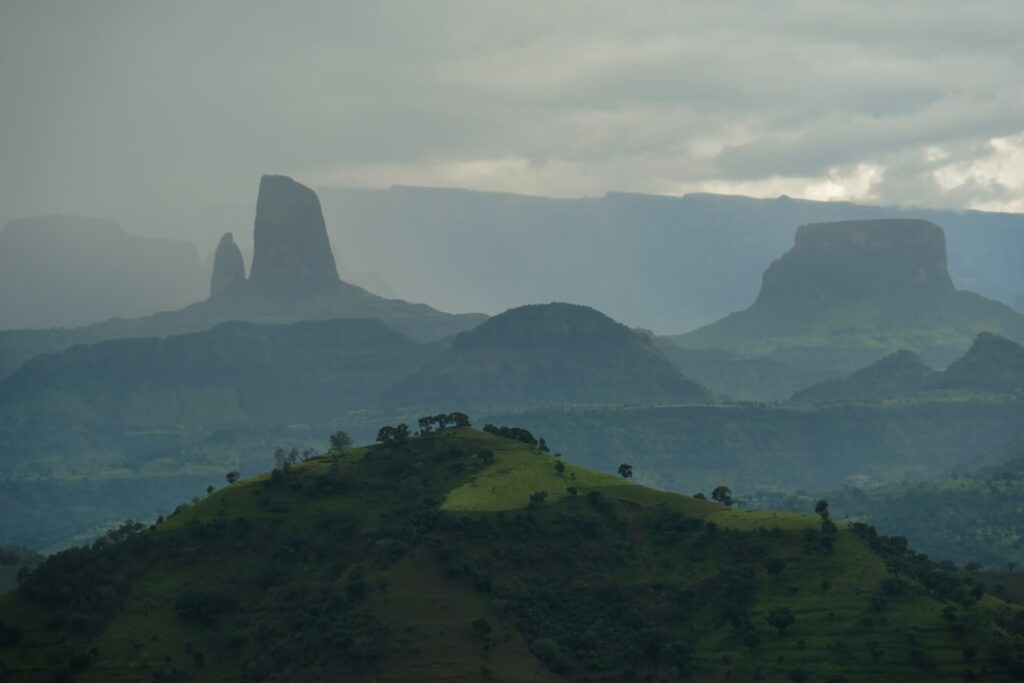
High angle photo of mountain, Debre Damo, Ethiopia
- Historic Architecture: The 6th-century monastery church features Aksumite architectural style with its wooden beams and stone construction, representing one of Ethiopia’s oldest surviving Christian structures.
- Cultural Scene: Witness the daily chanting rituals and prayer ceremonies that have continued unchanged since the monastery’s founding in the 500s AD.
- Local Specialties: Try injera with shiro wat at local eateries—the perfect vegetarian meal after your monastery visit.
Pro Tip: Arrive between 7-9 AM when the morning prayer services conclude and before the midday heat makes the rope ascent more challenging. October through February offers the most comfortable climbing conditions with cooler temperatures and clearer skies.
Map of Debre Damo, Ethiopia
Use these interactive maps to explore Debre Damo, Ethiopia and plan your route:
📍 View Debre Damo, Ethiopia on OpenStreetMap
🗺️ Open Debre Damo, Ethiopia in Google Maps
Planning Your Trip: Practical Essentials
Getting There and Around
- By Air: Fly into Alula Aba Nega Airport in Mekele (MQX), served by Ethiopian Airlines from Addis Ababa. From Mekele, you’ll need a 3-hour drive to Debre Damo. Book flights at Skyscanner for best deals.
- By Train: No direct train service reaches Debre Damo—the nearest major rail connection is in Addis Ababa. Reserve tickets at Trainline or the national railway website.
- By Car: Hire a 4×4 vehicle with driver from Mekele (approximately $80-120/day including fuel and driver). The rough terrain demands experienced local drivers. Compare car rentals at RentalCars.com.
- Local Transport: Shared minibuses run from Adigrat to the base of Debre Damo (about $3 per person), but most travelers opt for private transport for flexibility. Check official city transport websites for passes and schedules.
Best Time to Visit
The optimal visiting window balances comfortable climbing conditions with accessibility—dry season months provide the safest rope ascent and clearest views across the plateau.
| Season | Weather | Highlights |
|---|---|---|
| Summer (Jun–Aug) | 18-25°C, rainy afternoons | Lush green landscapes but slippery rope conditions; fewer visitors |
| Winter (Dec–Feb) | 15-22°C, dry and sunny | Perfect climbing weather; excellent photography conditions; peak season |
| Shoulder (Apr–May/Sep–Oct) | 17-24°C, occasional showers | Good climbing conditions; moderate crowds; lower accommodation rates |
Budgeting for Debre Damo, Ethiopia

Aerial photography of green mountains during daytime, Debre Damo, Ethiopia
| Category | Budget | Mid-range | Luxury |
|---|---|---|---|
| Accommodation | $15-25 per night (guesthouses) | $40-70 (comfortable hotels) | $100-150 (boutique lodges) |
| Meals | $5-8 (local eateries) | $10-15 (hotel restaurants) | $20-30 (fine dining in Mekele) |
| Transport | $3-5 (shared minibuses) | $80-120 (private 4×4 with driver) | $150+ (premium vehicles) |
| Activities | $10 (monastery donation) | $50 (guided day trips) | $100+ (private guides) |
| Daily Total | $35-50 | $180-265 | $370-500 |
Top Attractions and Must-See Sights
| Attraction | Description | Hours | Entry Fee |
|---|---|---|---|
| Debre Damo Monastery | 6th-century cliff-top monastery accessible only by rope climb, featuring ancient manuscripts and stunning views | 7 AM-5 PM | $10 donation |
| Mikael Imba | Rock-hewn church near the base with exceptional architectural details and religious artifacts | 8 AM-4 PM | $5 |
| Adigrat Market | Traditional Tigrayan market offering local crafts, spices, and cultural immersion | 6 AM-2 PM (Saturdays) | Free |
| Yeha Temple | Pre-Aksumite temple dating to 500 BC, one of Ethiopia’s oldest standing structures | 8:30 AM-5:30 PM | $8 |
3-Day Itinerary: Debre Damo, Ethiopia’s Highlights & Hidden Gems
Day 1: Ancient Monasteries & Cliff Ascents
- Morning: Arrive at Debre Damo base by 7:30 AM for the rope ascent ($10 donation) when temperatures are coolest. Local guides assist with the 50-foot climb using traditional leather ropes.
- Afternoon: Explore the monastery complex and enjoy packed lunch from Adigrat. Visit the ancient manuscript library with permission from monks.
- Evening: Return to Adigrat for dinner at Gheralta Lodge Restaurant (try the tibs with local honey wine, $12-18).
Day 2: Rock-Hewn Churches & Local Culture
- Morning: Visit Mikael Imba rock church ($5 entry) at 8 AM to see the exceptional architectural details before crowds arrive.
- Afternoon: Explore Adigrat’s cultural museum and enjoy lunch at Kaleb Restaurant (vegetarian platter $6-8).
- Evening: Attend traditional coffee ceremony at a local family’s home (arranged through your hotel, $5-10 including participation).
Day 3: Historical Sites & Market Immersion
- Morning: Drive to Yeha Temple ($8 entry, 1.5 hours from Adigrat) to explore Ethiopia’s oldest standing structure dating to 500 BC.
- Afternoon: Experience Saturday market in Adwa (if timing aligns) and lunch at local eateries serving ful medames ($3-5).
- Evening: Final dinner at Vision Hotel in Adigrat (international and Ethiopian cuisine, $10-15) before departure.
Cultural Insights & Etiquette
- Language: Learn basic Tigrinya greetings: “Selam” (hello), “Amesegenalehu” (thank you). English is limited outside hotels.
- Customs: Remove shoes before entering churches and monasteries. Always accept coffee when offered—it’s a sign of respect.
- Tipping: Tip guides 100-200 Birr ($2-4) per day. Restaurant tipping isn’t expected but appreciated.
- Dress Code: Modest clothing covering shoulders and knees is mandatory for religious sites. Women cannot enter Debre Damo monastery.
- Business Hours: Most sites open 7:30 AM-5:30 PM. Government offices close 12-1 PM for lunch. Many businesses close Sundays.
Where to Eat: Debre Damo, Ethiopia’s Best Bites
Ethiopian cuisine shines in Tigray with distinctive regional variations—expect flavorful vegetarian dishes, rich stews, and the world’s best coffee. Dining here is as much about social connection as nourishment.
Must-Try Local Specialties
- Tihlo: Barley ball dumplings served with spicy meat sauce—a Tigrayan specialty best tried at Adigrat’s local eateries
- Shiro: Chickpea stew with berbere spice, typically served with injera at family-run restaurants like Kaleb Restaurant
- Tella: Traditional home-brewed beer made from maize and gesho leaves, available at local taverns
Restaurant Recommendations by Budget
| Type | Restaurant | Specialty | Price Range |
|---|---|---|---|
| Budget | Meskel Restaurant, Adigrat | Authentic tihlo and vegetarian platters | $3-6 |
| Mid-range | Gheralta Lodge Restaurant | Fusion Ethiopian-Italian cuisine with panoramic views | $12-20 |
| Fine dining | Vision Hotel Restaurant, Adigrat | International dishes with Ethiopian ingredients | $15-25 |
Where to Stay
Accommodation ranges from basic guesthouses in Adigrat to stunning eco-lodges with mountain views. Most visitors base themselves in Adigrat for Debre Damo access. Compare prices and book at Booking.com or Airbnb for apartments.
Best Neighborhoods for Accommodation
- Adigrat City Center: Convenient location with restaurants and transport options, though noisier; ideal for budget travelers
- Gheralta Area: Scenic mountain lodges with stunning views, perfect for photography enthusiasts and mid-range budgets
- Mekele: Larger city with more amenities, better for luxury travelers willing to commute to sites

A city with many buildings, Debre Damo, Ethiopia
FAQs: Your Debre Damo, Ethiopia Questions Answered
1. Is Debre Damo, Ethiopia safe at night?
Yes, the areas around religious sites are generally safe, though you should avoid walking alone in remote areas after dark. Petty theft is rare but keep valuables secure. Local communities are protective of visitors to religious sites.
2. What currency is used and are credit cards accepted?
Ethiopian Birr (ETB) is the local currency. Credit cards are accepted only at larger hotels in Mekele—plan to carry sufficient cash (ATMs available in Adigrat and Mekele). Budget $50-100 cash per day for expenses.
3. How do I get from the airport to Debre Damo?
From Mekele Airport (MQX), hire a private 4×4 with driver ($80-120/day) for the 3-hour journey to Debre Damo. Shared taxis to Adigrat cost about $10 per person, then you’ll need local transport to the monastery. Book airport transfers at GetYourGuide for convenience.
4. Do I need to speak the local language?
English is spoken at hotels and by guides, but learning basic Tigrinya greetings will enhance your experience. Key phrases: “Dehanna der?” (How are you?), “Awo” (Yes), “Aydelem” (No). Most signage at historical sites includes English.
5. What’s the appropriate dress code?
Modest clothing is essential—long pants/skirts and covered shoulders for both men and women at religious sites. Sturdy shoes are necessary for the rope climb. Light layers work well for temperature variations between cool mornings and warm afternoons.
Final Thoughts: Debre Damo, Ethiopia Awaits
Debre Damo offers one of Ethiopia’s most authentic historical experiences, where ancient traditions continue uninterrupted amid breathtaking landscapes. The physical challenge of the rope ascent becomes part of the spiritual journey, connecting you to centuries of pilgrims who’ve made this same climb. Travelers often discover that the monastery’s timeless atmosphere and the warmth of Tigrayan hospitality create memories that linger long after departure. For your most meaningful visit, engage with local guides who can share the rich stories behind these ancient stones—their insights transform impressive architecture into living history.
{“@context”: “https://schema.org”, “@type”: “FAQPage”, “mainEntity”: [{“@type”: “Question”, “name”: “What is the best time to visit Debre Damo?”, “acceptedAnswer”: {“@type”: “Answer”, “text”: “The best time to visit Debre Damo depends on your preferences. Generally, the dry season offers the most pleasant weather for sightseeing and outdoor activities.”}}, {“@type”: “Question”, “name”: “How many days do I need in Debre Damo?”, “acceptedAnswer”: {“@type”: “Answer”, “text”: “Most travelers spend 3-5 days in Debre Damo to see the main attractions. A week allows for a more relaxed pace and day trips.”}}, {“@type”: “Question”, “name”: “Is Debre Damo expensive to visit?”, “acceptedAnswer”: {“@type”: “Answer”, “text”: “Debre Damo can be visited on various budgets. Accommodation ranges from hostels to luxury hotels, and local restaurants offer affordable dining.”}}]}
Related Guides
Explore more destinations similar to Debre Damo:

