
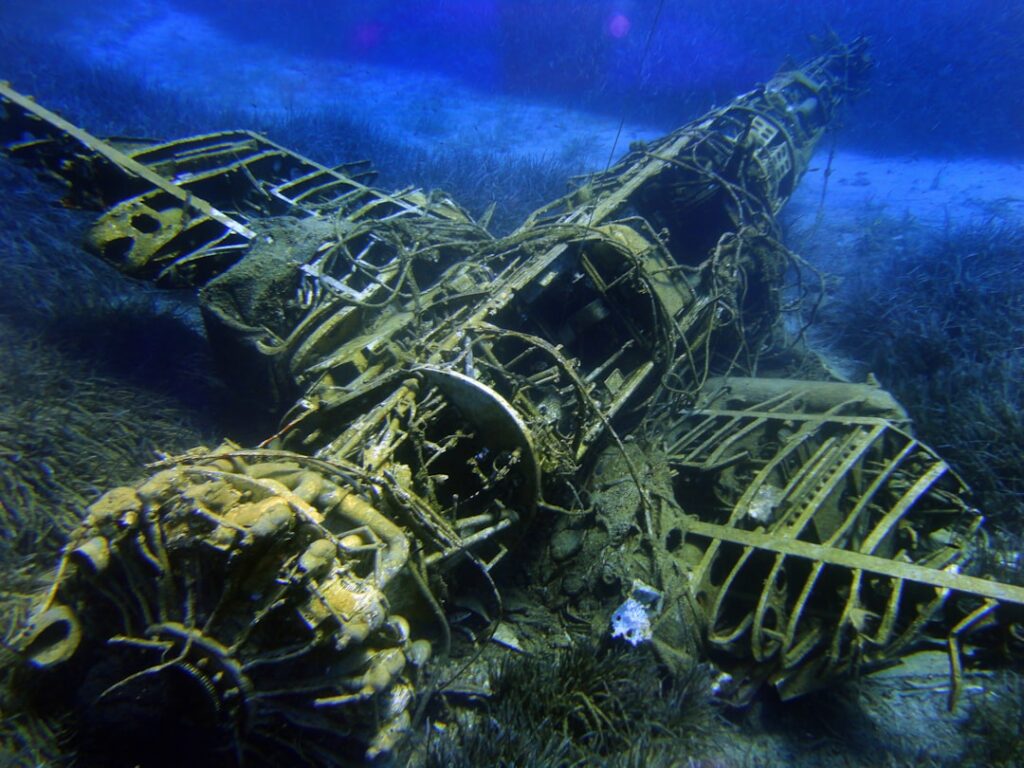
Bacoli, Italy (Baiae Underwater Ruins): Incredible Sunken Palaces, Volcanic Lakes & Coastal Charm (2025)
While 6 million tourists crowd Pompeii annually, just 45 minutes away lies a Roman resort where emperors vacationed—now submerged beneath turquoise waters. The Baiae Underwater Archaeological Park contains the world’s only sunken Roman city accessible to snorkelers, with mosaic floors and marble columns visible through crystal-clear seawater. Here, Julius Caesar and Nero built lavish villas along what was once called the “Campi Flegrei” (Burning Fields), a volcanic landscape where thermal springs still bubble at 158°F. This isn’t just history—it’s history you swim through.
Why Bacoli, Italy (Baiae Underwater Ruins) Stands Out

A statue of a man and a woman in the water, Bacoli, Italy (Baiae Underwater Ruins)
- Historic Architecture: The 1st-century BC Piscina Mirabilis, Rome’s largest underground reservoir, features 48 vaulted pillars spanning 15,000 square meters.
- Cultural Scene: The August Lido di Venere festival transforms the coastline with floating stages and underwater light shows illuminating the ruins.
- Local Specialties: Impepata di cozze (peppered mussels) harvested from the very waters covering the ancient ruins.
Pro Tip: Book your underwater ruin tour for 10 AM—the morning sun penetrates the water best for visibility, and you’ll avoid the afternoon winds that can churn the sea. May and September offer the clearest waters with fewer than 20 visitors per tour.
Map of Bacoli, Italy (Baiae Underwater Ruins)
Use these interactive maps to explore Bacoli, Italy (Baiae Underwater Ruins) and plan your route:
📍 View Bacoli, Italy (Baiae Underwater Ruins) on OpenStreetMap
🗺️ Open Bacoli, Italy (Baiae Underwater Ruins) in Google Maps
Planning Your Trip: Practical Essentials
Getting There and Around
- By Air: Naples International Airport (NAP) is 35km away with direct flights from major European hubs. From the airport, take the Curreri shuttle bus to Pozzuoli (€8), then Cumana train to Bacoli. Book flights at Skyscanner for best deals.
- By Train: The Cumana railway connects Naples to Bacoli in 45 minutes with departures every 15 minutes from Montesanto station. Reserve tickets at Trainline or the national railway website.
- By Car: Take the A56 motorway exit 12 to Bacoli, but note limited parking near archaeological sites—your best bet is the paid lot at Via Miseno (€2/hour). Compare car rentals at RentalCars.com.
- Local Transport: EAV buses connect all major sites (€1.50 per ticket), but seasoned travelers prefer renting bicycles from Bacoli Bike (€15/day) to explore the coastal paths.
Best Time to Visit
Bacoli’s microclimate means warmer winters than inland areas, but the underwater ruins are truly spectacular when the sea is calm and clear. Savvy visitors target the shoulder seasons when water visibility exceeds 15 meters and the thermal springs are most enjoyable.
| Season | Weather | Highlights |
|---|---|---|
| Summer (Jun–Aug) | 75-85°F, crowded, occasional strong winds | All boat tours operating, festival season, vibrant beach clubs but limited underwater visibility |
| Winter (Dec–Feb) | 50-55°F, fewer tourists, some sites closed | Empty archaeological sites, thermal baths at their most therapeutic, budget accommodation rates |
| Shoulder (Apr–May/Sep–Oct) | 65-75°F, calm seas, perfect conditions | Crystal-clear underwater viewing, comfortable temperatures for exploring, local harvest festivals |
Budgeting for Bacoli, Italy (Baiae Underwater Ruins)

Person scuba driving underwater, Bacoli, Italy (Baiae Underwater Ruins)
| Category | Budget | Mid-range | Luxury |
|---|---|---|---|
| Accommodation | €60-80/night B&B | €120-180/night seaside hotel | €250+/night villa with thermal pool |
| Meals | €8-12 street food/pizza | €25-40 trattoria meals | €70+ fine dining with wine |
| Transport | €6/day bus passes | €40/day scooter rental | €100/day private driver |
| Activities | €15 snorkel tour | €45 scuba diving | €150 private boat charter |
| Daily Total | €90-110 | €180-250 | €400+ |
Top Attractions and Must-See Sights
| Attraction | Description | Hours | Entry Fee |
|---|---|---|---|
| Baiae Underwater Archaeological Park | Swim above Roman villas with intact floor mosaics and statues in 5-meter deep waters | 9AM-6PM (tour dependent) | €15 snorkeling, €50 scuba |
| Piscina Mirabilis | Ancient engineering marvel – Rome’s largest underground freshwater reservoir with stunning acoustics | 10AM-4PM Tue-Sun | €8 including guide |
| Castello di Baia Archaeological Museum | 16th-century castle housing recovered statues and artifacts from the sunken city | 9AM-7:30PM daily | €4 |
| Miseno Cape & Thermal Springs | Hike to Roman naval base ruins followed by natural thermal baths in volcanic rock pools | 24/7 (guided hikes 10AM) | Free (guided hike €20) |
3-Day Itinerary: Bacoli, Italy (Baiae Underwater Ruins)’s Highlights & Hidden Gems
Day 1: Ancient Waters & Thermal Wonders
- Morning: 8:30 AM underwater ruins snorkel tour with Centro Sub Campi Flegrei (€25) – the guides point out Emperor Claudius’s sunken nymphaeum where fish swim through ancient archways.
- Afternoon: 1 PM lunch at Ristorante Pescatori (€35) for their signature impepata di cozze paired with local Falanghina wine, followed by 3 PM visit to the Castello di Baia museum to see artifacts recovered from the sea.
- Evening: 6:30 PM sunset at Lido di Venere beach club with aperitivo (€12) watching the lights illuminate the coastline, then dinner at Osteria del Borgo (€45) for seafood pasta with sea urchin.
Day 2: Volcanic Landscapes & Roman Engineering
- Morning: 9 AM guided hike of Miseno Cape (€20) to see the Roman naval base ruins and natural saunas in volcanic caves – the steam reaches 104°F from underground thermal activity.
- Afternoon: 1:30 PM lunch at Trattoria da Pasqualino (€25) for their frittura di paranza (mixed fried fish) followed by 3:30 PM tour of Piscina Mirabilis – stand where Roman aqueducts delivered 8,000 cubic meters of water daily.
- Evening: 7 PM thermal bath experience at Terme di Baia (€35) soaking in natural hot springs that have been used since Roman times, followed by late dinner at Il Gabbiano (€50) for lobster linguine.
Day 3: Coastal Exploration & Local Life
- Morning: 9:30 AM ferry to Procida (€12 roundtrip) for photography at Corricella’s colorful harbor, then 11 AM exploration of Terra Murata fortified village with panoramic views of the sunken city’s location.
- Afternoon: 1 PM lunch at Caracalè (€30) on Procida for rabbit alla procidana, then 3:30 PM return to Bacoli for kayak rental (€20) to paddle above the submerged Roman port.
- Evening: 7 PM farewell dinner at Ristorante Il Cenacolo (€60) with their tasting menu featuring seven seafood courses, ending with limoncello made from local Femminiello lemons.
Cultural Insights & Etiquette
- Language: Basic Italian phrases like “Buongiorno” (good morning) and “Quanto costa?” (how much?) are appreciated – the local dialect includes Greek influences from ancient colonization.
- Customs: Always greet shopkeepers when entering establishments, and expect slower meal service – dining is social, not rushed. The passeggiata (evening stroll) along the lungomare is sacred from 6-8 PM.
- Tipping: Service charge usually included, but rounding up €1-2 at cafes and 5-10% at restaurants for exceptional service. Tour guides expect €5-10 per person.
- Dress Code: Cover shoulders and knees when visiting churches and archaeological sites. Beachwear only at beaches – locals change into proper clothing before entering town.
- Business Hours: Shops close 1-4 PM for riposo (siesta), reopen until 7:30 PM. Most museums close Mondays. August sees many closures as locals take vacation.
Where to Eat: Bacoli, Italy (Baiae Underwater Ruins)’s Best Bites
Bacoli’s cuisine reflects its maritime history with seafood caught daily from the same waters that hide Roman ruins. Don’t miss the zuppa di pesce alla bacolese, a fish stew recipe dating back to Roman garum sauce traditions. Family-run trattorias outnumber fancy restaurants, and the best meals often come from places with handwritten menus.
Must-Try Local Specialties
- Impepata di Cozze: Mussels steamed with black pepper and lemon – the pepper counters the mineral taste from volcanic seabeds. Try at Ristorante Pescatori where they’ve been perfecting it for three generations.
- Baba al Rum con Limone: The local twist on Naples’ famous dessert, soaked in lemon-infused rum. Pasticceria Mennella makes the best version using Femminiello lemons grown on volcanic soil.
- Polpo alla Luciana: Octopus cooked in terracotta with tomatoes, olives, and chili – named after the Santa Lucia fishing district. Trattoria da Ciro serves it with potatoes grown in mineral-rich Phlegraean soil.
Restaurant Recommendations by Budget
| Type | Restaurant | Specialty | Price Range |
|---|---|---|---|
| Budget | Pizzeria da Gennaro (Via Fusaro) | Montanara fried pizza with local ricotta | €8-15 |
| Mid-range | O’ Guarracino (Via Miseno) | Spaghetti with tellines (tiny clams from nearby sands) | €25-40 |
| Fine dining | Il Primo Impero (Baia waterfront) | Seven-course seafood tasting menu with wine pairings | €80+ |
Where to Stay
Accommodation ranges from family-run B&Bs in historic buildings to luxury hotels with thermal pools. The three main areas each offer different experiences – Bacoli Centro for convenience, Baia for history, and Miseno for beach access. Compare prices and book at Booking.com or Airbnb for apartments.
Best Neighborhoods for Accommodation
- Bacoli Centro: Walking distance to train station and shops, with several B&Bs in 18th-century buildings – perfect for travelers using public transport but can be noisy in evenings.
- Baia: The historic heart with castle views and waterfront dining, though accommodations are older – ideal for history buffs who want to wake up to archaeological sites.
- Miseno: Beachfront area with thermal springs access and quieter atmosphere – best for families and travelers seeking relaxation, though further from restaurants.

High angle photo of seashore, Bacoli, Italy (Baiae Underwater Ruins)
FAQs: Your Bacoli, Italy (Baiae Underwater Ruins) Questions Answered
1. Is Bacoli, Italy (Baiae Underwater Ruins) safe at night?
Yes, the coastal areas are generally safe with locals enjoying evening strolls until late. However, as with any destination, avoid isolated areas after dark and keep valuables secure. The main lungomare between Baia and Miseno is particularly lively and safe until midnight.
2. What currency is used and are credit cards accepted?
Italy uses the Euro (€). Credit cards are widely accepted in hotels and larger restaurants, but you’ll need cash for smaller trattorias, market stalls, and some tour operators. ATMs (bancomat) are available in Bacoli Centro – look for ones attached to banks for better security.
3. How do I get from the airport to the city center?
From Naples Airport, take the Curreri shuttle bus to Pozzuoli (45 minutes, €8), then the Cumana train to Bacoli (20 minutes, €2.10). Alternatively, pre-book a private transfer (€60-80) for direct service. Book airport transfers at GetYourGuide for convenience.
4. Do I need to speak the local language?
While Italian is the official language, most tourism operators speak basic English. Learning a few phrases will enhance your experience significantly – locals appreciate “grazie” (thank you) and “per favore” (please). In smaller establishments, pointing and smiling works perfectly fine.
5. What’s the appropriate dress code?
Casual but modest – cover shoulders and knees when visiting religious sites and archaeological museums. Beachwear is acceptable only at beaches and pool areas. For evening dining, smart casual is appropriate (no shorts or flip-flops at nicer restaurants). Comfortable walking shoes are essential for exploring ruins.
Final Thoughts: Bacoli, Italy (Baiae Underwater Ruins) Awaits
Bacoli offers what few destinations can: the chance to literally swim through history in waters that once hosted Roman emperors, then relax in thermal springs that have soothed travelers for millennia. While Pompeii shows you how Romans died, Baiae shows you how they lived – in luxury, surrounded by volcanic beauty. Your most memorable moment might be floating above a 2,000-year-old mosaic as fish dart between columns that supported imperial parties. Don’t miss the early morning boat tours when the sea is like glass and the ruins appear closest to the surface – it’s in these quiet moments that you truly connect with this extraordinary place where land, sea, and
Explore More Destinations
- Jozani, Tanzania on a Budget: an Ancient Forest for $35/Day (2026)
- Nsumbu, Zambia on a Budget: Wild Africa for $40/Day (2026)
- Semporna, Malaysia on a Budget: Paradise for $35/Day (2026)
- Khuzestan, Iran on a Budget: Ancient Empires for $30/Day (2026)
- Ngerulmud, Palau on a Budget: Island Majesty for $45/Day (2026)
Ready to Visit Bacoli?
Start planning your trip today. Compare hotels, find the best tours, and get insider tips.
Your adventure in Bacoli starts here →
Related Guides
Explore more destinations similar to Bacoli:

