
Stockholm, Sweden’s Ultimate Archipelagos, Innovation & Scandinavian Design (2025)
What if a single city could offer 30,000 islands within easy reach? Stockholm proves this isn’t fantasy – the Stockholm Archipelago contains exactly 30,000 islands stretching 80 kilometers east into the Baltic Sea. While visitors typically spend 2-3 days exploring Gamla Stan’s medieval alleys, seasoned travelers know the real magic begins when you board a ferry to Grinda or Vaxholm. Here’s how to experience both the historic core and the wild archipelago that makes Stockholm truly unique.
Why Stockholm, Sweden Stands Out

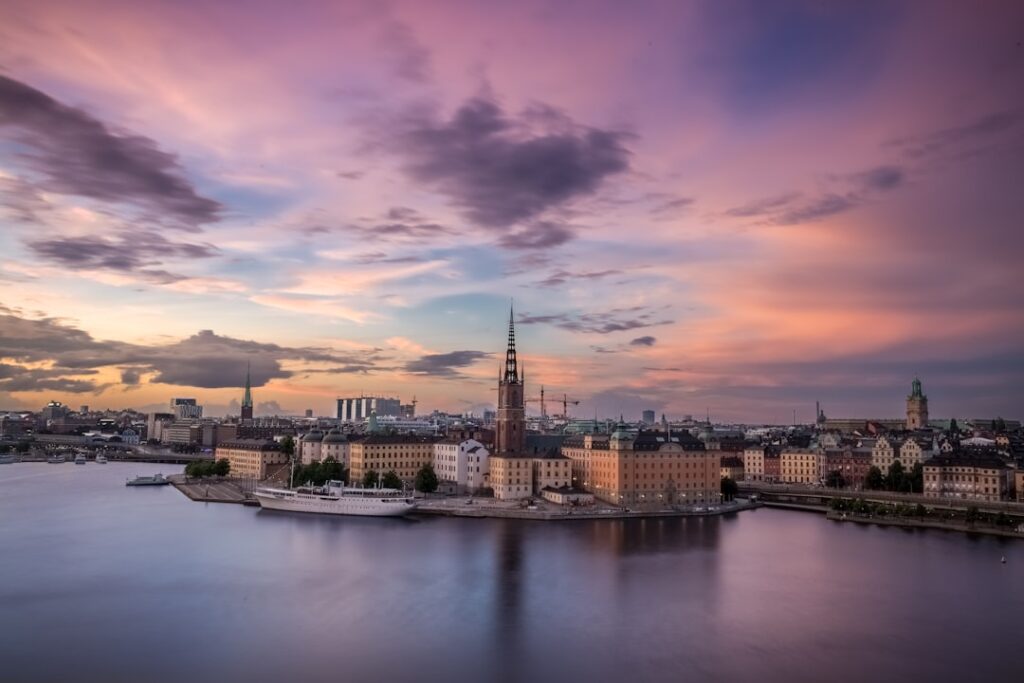
City buildings near body of water under blue sky, Stockholm, Sweden
- Historic Architecture: The 17th-century Vasa Museum houses the world’s only preserved 17th-century warship that sank on its maiden voyage in 1628.
- Cultural Scene: The Midsummer celebration in June features flower crowns, maypole dancing, and traditional herring feasts across the archipelago islands.
- Local Specialties: Don’t miss traditional cinnamon buns (kanelbullar) served with coffee during fika – Sweden’s beloved coffee break ritual.
Pro Tip: Visit during late May through August for optimal weather, but book archipelago ferries for weekdays to avoid Swedish families escaping to their summer cottages on weekends.
Map of Stockholm, Sweden
Use these interactive maps to explore Stockholm, Sweden and plan your route:
📍 View Stockholm, Sweden on OpenStreetMap
🗺️ Open Stockholm, Sweden in Google Maps
Planning Your Trip: Practical Essentials
Getting There and Around
- By Air: Stockholm Arlanda Airport (ARN) serves major international carriers including SAS and Norwegian, with the Arlanda Express train taking 20 minutes to central station. Book flights at Skyscanner for best deals.
- By Train: SJ high-speed trains connect Stockholm to Copenhagen (5 hours) and Gothenburg (3 hours) with scenic coastal views. Reserve tickets at Trainline or the national railway website.
- By Car: E4 highway runs north-south through Stockholm, but parking costs approximately 40 SEK/hour downtown. Compare car rentals at RentalCars.com.
- Local Transport: SL Access card (20 SEK deposit) provides unlimited travel on metro, buses, and ferries – 24-hour pass costs 165 SEK. Check official city transport websites for passes and schedules.
Best Time to Visit
Stockholm transforms dramatically with the seasons, offering completely different experiences from midnight sun summers to cozy candlelit winters. Your best bet depends on whether you prioritize outdoor activities or cultural immersion.
| Season | Weather | Highlights |
|---|---|---|
| Summer (Jun–Aug) | 15-25°C, 18+ hours daylight, occasional rain | Archipelago swimming, outdoor dining, Midsummer festivals, moderate crowds |
| Winter (Dec–Feb) | -5 to 0°C, 6 hours daylight, snow likely | Christmas markets, ice skating, cozy fika culture, fewer tourists but limited daylight |
| Shoulder (Apr–May/Sep–Oct) | 5-15°C, changing conditions, colorful foliage | Museum visits without crowds, lower prices, perfect for photography and city exploration |
Budgeting for Stockholm, Sweden

Cars parked in front of brown concrete building during daytime, Stockholm, Sweden
| Category | Budget | Mid-range | Luxury |
|---|---|---|---|
| Accommodation | Hostels: 300-500 SEK/night | Hotels: 1200-2000 SEK/night | Boutique: 3000+ SEK/night |
| Meals | Street food/Korv: 80-120 SEK | Restaurants: 200-400 SEK | Fine dining: 800+ SEK |
| Transport | SL card: 165 SEK/day | Taxis: 300-500 SEK/trip | Private boat: 2000+ SEK |
| Activities | Free museums/parks | Vasa Museum: 170 SEK | Archipelago sailing: 1500 SEK |
| Daily Total | 600-800 SEK | 1800-2500 SEK | 4000+ SEK |
Top Attractions and Must-See Sights
| Attraction | Description | Hours | Entry Fee |
|---|---|---|---|
| Vasa Museum | The world’s only preserved 17th-century warship that sank in 1628 on its maiden voyage | 10:00-17:00 (until 20:00 Wed) | 170 SEK |
| Gamla Stan | Medieval old town with cobblestone streets, the Royal Palace, and Stortorget square | 24/7 (shops 10:00-18:00) | Free to explore |
| Skansen Open-Air Museum | Historic Sweden in miniature with traditional buildings, Nordic animals, and crafts demonstrations | 10:00-16:00 (seasonal variations) | 220 SEK |
| Stockholm City Hall | Iconic brick building where Nobel Prize banquet is held, offering panoramic city views from tower | Tours at 10:00, 11:00, 12:00, 14:00 | 120 SEK |
3-Day Itinerary: Stockholm, Sweden’s Highlights & Hidden Gems
Day 1: Historic Core & Royal Splendor
- Morning: 8:00 AM walking tour through Gamla Stan’s empty cobblestone streets before crowds arrive. Start at Stortorget square where the Stockholm Bloodbath occurred in 1520.
- Afternoon: 12:30 PM Royal Palace changing of the guard (daily June-August) followed by lunch at Tradition (95 SEK traditional pea soup). Explore the palace’s 600 rooms and royal apartments.
- Evening: 6:00 PM cocktail at Pharmarium in Stortorget square, housed in Sweden’s first pharmacy, then dinner at Fem Små Hus for traditional Swedish cuisine in 17th-century cellars.
Day 2: Museums & Modern Design
- Morning: 9:00 AM Vasa Museum entry (170 SEK) to see the magnificent warship before tour groups arrive at 11:00. Don’t miss the lower deck tour at 10:30.
- Afternoon: 1:30 PM Moderna Museet for Scandinavian design and photography, then lunch at museum café with views of Skeppsholmen island. Walk to Östermalm’s food hall for gourmet Swedish treats.
- Evening: 7:00 PM dinner at Gastrologik (two Michelin stars, book 3 months ahead) or Pelikan in Södermalm for traditional Swedish husmanskost in historic beer hall setting.
Day 3: Archipelago Adventure
- Morning: 8:30 AM ferry from Strömkajen to Vaxholm (125 SEK one-way, 1 hour). Explore the 16th-century Vaxholm Fortress and colorful wooden houses of this archipelago gateway.
- Afternoon: 12:30 PM lunch at Vaxholm Hotel’s waterfront restaurant for seafood platter, then hike coastal trails or rent kayaks to explore smaller islands.
- Evening: 6:00 PM return ferry to Stockholm, final dinner at Meatballs for the People in Södermalm for 14 varieties of Sweden’s most famous dish.
Cultural Insights & Etiquette
- Language: Swedes speak excellent English, but learning “tack” (thank you), “hej” (hello), and “fika” (coffee break) earns appreciation
- Customs: Remove shoes when entering Swedish homes, respect personal space in queues, and always wait for hosts to say “skål” before drinking
- Tipping: Service included in bills, but rounding up or leaving 10% for exceptional service is appreciated
- Dress Code: Smart casual prevails – Swedes dress well but practically, with layers for changing weather
- Business Hours: Shops 10:00-18:00 weekdays, 10:00-16:00 Saturdays, most closed Sundays except museums and restaurants
Where to Eat: Stockholm, Sweden’s Best Bites
Stockholm’s food scene blends traditional husmanskost (home cooking) with groundbreaking New Nordic cuisine. Travelers often discover that fika – the daily coffee and pastry break – becomes their favorite Swedish tradition.
Must-Try Local Specialties
- Köttbullar: Swedish meatballs with lingonberries and cream sauce – best at Meatballs for the People in Södermalm
- Gravlax: Dill-cured salmon served with mustard sauce – sample at Östermalms Saluhall food market
- Semla: Cardamom bun filled with almond paste and cream, traditionally eaten before Lent – find at Vetekatten bakery
Restaurant Recommendations by Budget
| Type | Restaurant | Specialty | Price Range |
|---|---|---|---|
| Budget | Nystekt Strömming (Slussen) | Fresh fried herburgers in bread | 60-80 SEK |
| Mid-range | Pelikan (Södermalm) | Traditional Swedish husmanskost in historic beer hall | 200-350 SEK |
| Fine dining | Frantzén (Gamla Stan) | Three-Michelin-star Nordic tasting menu | 4500+ SEK |
Where to Stay
Stockholm’s neighborhoods each offer distinct personalities, from medieval Gamla Stan to trendy Södermalm. Savvy visitors know that staying near a T-bana (metro) station provides the best access to all city attractions. Compare prices and book at Booking.com or Airbnb for apartments.
Best Neighborhoods for Accommodation
- Gamla Stan: Historic charm with cobblestone streets and central location, but can be noisy and expensive – perfect for first-time visitors
- Södermalm: Trendy, creative district with boutique shops and vibrant nightlife, slightly more affordable – ideal for younger travelers
- Östermalm: Upscale residential area with beautiful architecture and high-end dining, excellent transport links – best for luxury seekers

A boat on the water, Stockholm, Sweden
FAQs: Your Stockholm, Sweden Questions Answered
1. Is Stockholm, Sweden safe at night?
Stockholm ranks among Europe’s safest capitals, with well-lit streets and reliable police presence. Exercise normal precautions in Central Station and certain parts of suburbs like Rinkeby, but the city center remains very secure for evening exploration.
2. What currency is used and are credit cards accepted?
Sweden uses Swedish Krona (SEK), with current exchange approximately 10 SEK = 1 USD. Credit cards are accepted everywhere – even public toilets and market stalls. Many establishments have become cashless, so carry cards rather than large amounts of cash.
3. How do I get from the airport to the city center?
Arlanda Express train takes 20 minutes (320 SEK), Flygbussarna airport coach takes 45 minutes (119 SEK), and taxis cost 500-700 SEK. The commuter train (pendeltåg) is cheapest at 38 SEK but requires SL card. Book airport transfers at GetYourGuide for convenience.
4. Do I need to speak the local language?
English proficiency among Swedes is exceptionally high – you’ll find everyone from museum guards to shop assistants speaks fluent English. Learning basic greetings like “tack” (thanks) and “ursäkta” (excuse me) shows cultural respect.
5. What’s the appropriate dress code?
Stockholm style is smart casual – think well-fitting jeans, quality sweaters, and practical footwear for cobblestone streets. Bring layers year-round, including a waterproof jacket. Upscale restaurants may require smarter attire, but generally Swedes prioritize comfort and functionality.
Final Thoughts: Stockholm, Sweden Awaits
Stockholm delivers that rare combination of historic grandeur and forward-thinking innovation, where medieval castles stand alongside sustainable city planning. Beyond the must-see Vasa Museum and Gamla Stan’s charming alleys, the true Stockholm experience lies in embracing fika culture and discovering the archipelago’s wild beauty. Don’t make the common mistake of rushing through – instead, schedule time to simply wander and let Stockholm’s understated elegance reveal itself. Your most memorable moment might just be sharing cinnamon buns with new friends on a sun-drenched archipelago rock.
{“@context”: “https://schema.org”, “@type”: “FAQPage”, “mainEntity”: [{“@type”: “Question”, “name”: “What is the best time to visit Stockholm?”, “acceptedAnswer”: {“@type”: “Answer”, “text”: “The best time to visit Stockholm depends on your preferences. Generally, the dry season offers the most pleasant weather for sightseeing and outdoor activities.”}}, {“@type”: “Question”, “name”: “How many days do I need in Stockholm?”, “acceptedAnswer”: {“@type”: “Answer”, “text”: “Most travelers spend 3-5 days in Stockholm to see the main attractions. A week allows for a more relaxed pace and day trips.”}}, {“@type”: “Question”, “name”: “Is Stockholm expensive to visit?”, “acceptedAnswer”: {“@type”: “Answer”, “text”: “Stockholm can be visited on various budgets. Accommodation ranges from hostels to luxury hotels, and local restaurants offer affordable dining.”}}]}
Related Guides
Explore more destinations similar to Stockholm:
- Porto, Portugal’s Ultimate Port Wine, Azulejos & Riverside Charm (2025)
- Gwangju, South Korea’s Best Democracy, Art & Spicy Stews (2026)
- Ninh Binh, Vietnam’s Best Limestone Peaks, Ancient Temples & Rural Serenity (2025)
- Isla del Sol, Bolivia: Essential Ancient Ruins, Sacred Waters & Mountain Trails (2025)

