
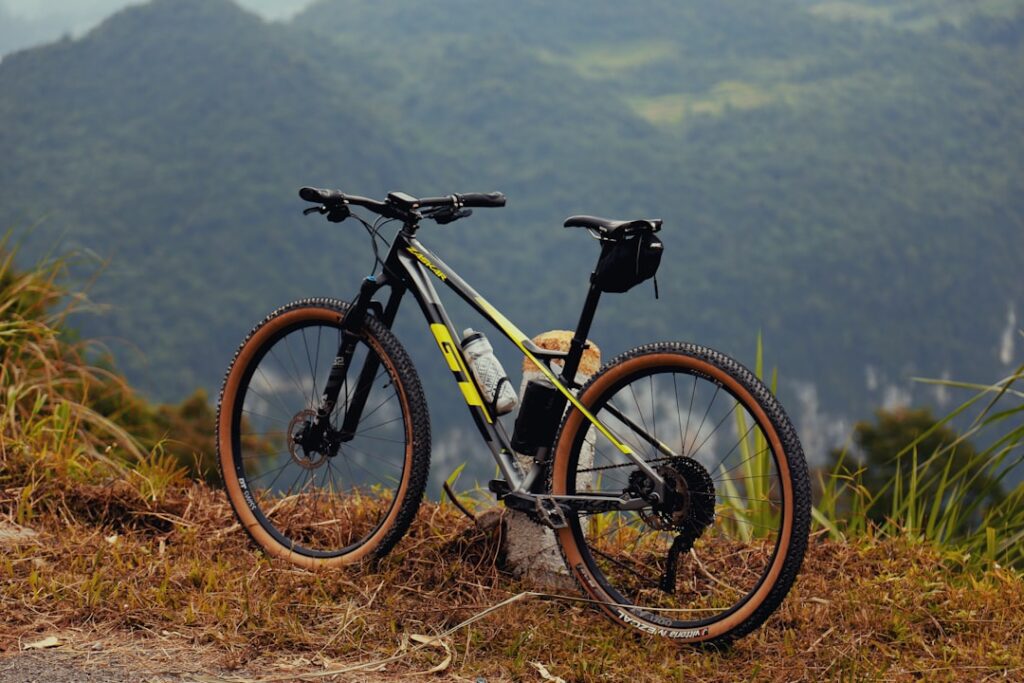
Why Ha Giang Is Vietnam’s Most Breathtaking Road Trip
Ha Giang Province sits at Vietnam’s northernmost edge, where the Himalayas spill into Southeast Asia. The Ha Giang Loop — a 350-kilometer motorbike circuit — winds through limestone karsts, emerald rice terraces, and vertigo-inducing mountain passes. At its heart lies the Ma Pi Leng Pass, a 20-kilometer stretch dubbed the “King of Vietnamese Passes” that clings to cliffs 1,500 meters above the Nho Que River.
Ma Pi Leng Pass: The Crown Jewel
Ma Pi Leng is not merely a road — it is a monument to human perseverance. Carved by hand by H’mong and Tay workers between 1959 and 1965, the pass connects Dong Van and Meo Vac districts. The name derives from the H’mong language, meaning “bridge of a horse’s nose,” referring to its sharp, narrow ridge profile.
Best Viewpoints Along Ma Pi Leng
- Ma Pi Leng Panorama Point — The iconic overlook with the “Happiness Road” sign. Arrive before 8 AM to beat the tour buses.
- Nho Que River Boat Ride — Descend 500 meters to the turquoise river for a 30-minute boat trip through the Tu San Canyon, Southeast Asia’s deepest gorge.
- Sky Path (Con Duong Hanh Phuc) — A pedestrian trail offering unobstructed aerial views of the pass.
- M Flag Tower — A small monument marking the pass summit with 360-degree views.
The Complete Ha Giang Loop Route
Most riders complete the loop in 3 to 4 days. The standard clockwise route:
- Day 1: Ha Giang City → Quan Ba (Heaven’s Gate) → Yen Minh (90 km)
- Day 2: Yen Minh → Dong Van (70 km) via the Dong Van Karst Plateau Geopark
- Day 3: Dong Van → Meo Vac via Ma Pi Leng Pass → Mau Due (80 km)
- Day 4: Mau Due → Du Gia Waterfall → Ha Giang City (110 km)
Best Time to Visit Ha Giang
| Season | Months | Conditions |
|---|---|---|
| Spring | March–April | Buckwheat flowers bloom; mild temperatures (15–25°C) |
| Summer | May–August | Lush green rice terraces; risk of landslides |
| Autumn | September–November | Golden harvest season; clearest skies |
| Winter | December–February | Cold and foggy; possible frost at high altitude |
Where to Stay
- Dong Van: H’mong Homestay — family-run with valley views (2–15/night)
- Meo Vac: Ma Pi Leng Panorama — cliff-edge guesthouse with sunrise views (0–25/night)
- Du Gia: Du Gia Homestay — waterfall access and family dinners (0/night)
- Ha Giang City: Jasmine Hostel — reliable motorbike rental and route maps (/night)
Practical Tips for the Loop
- Motorbike rental: 150,000–200,000 VND/day (–8) for a semi-automatic. Get a Honda Wave or Yamaha Sirius.
- Permit: Foreigners need a Ha Giang travel permit (150,000 VND, obtainable at the immigration office in Ha Giang City or via your hostel).
- Fuel: Fill up at every opportunity — stations are sparse between towns.
- Gear: Bring a warm jacket (temperatures drop to 5°C at altitude), rain poncho, and a full-face helmet.
- Experience level: The road is paved but narrow with sharp switchbacks. Intermediate riding skills recommended.
Local Culture & Ethnic Minorities
Ha Giang is home to 17 ethnic minority groups, including the H’mong, Tay, Dao, and Lo Lo. The Sunday morning market in Dong Van is a kaleidoscope of traditional dress, livestock trading, and local cuisine. Try thang co (horse meat stew) and men men (steamed cornmeal) — authentic H’mong staples.
Getting to Ha Giang
From Hanoi: Sleeper bus (6–7 hours, 2–15) or private van (5 hours, 0–100). Most travelers depart Hanoi at 9 PM to arrive by dawn.
Ready to Ride?
Plan Your Ha Giang Adventure
Find the best motorbike rentals, homestays, and guided loop tours for your Vietnam road trip.
Last updated: May 2026

