
Sukhumi, Abkhazia (Georgia): Epic Soviet Grandeur, Subtropical Gardens & Black Sea Mystique (2025)
While crowds flock to Batumi’s flashy casinos and modern skyline, Sukhumi delivers authentic Soviet-era atmosphere and subtropical beauty without the commercial frenzy. Here you’ll find 19th-century botanical gardens with 5,000 plant species, abandoned sanatoriums whispering Cold War secrets, and beaches where locals still play chess under palm trees. This is where the Caucasus meets the sea in a hauntingly beautiful collision of history and nature that most travelers completely overlook.
Why Sukhumi, Abkhazia (Georgia) Stands Out

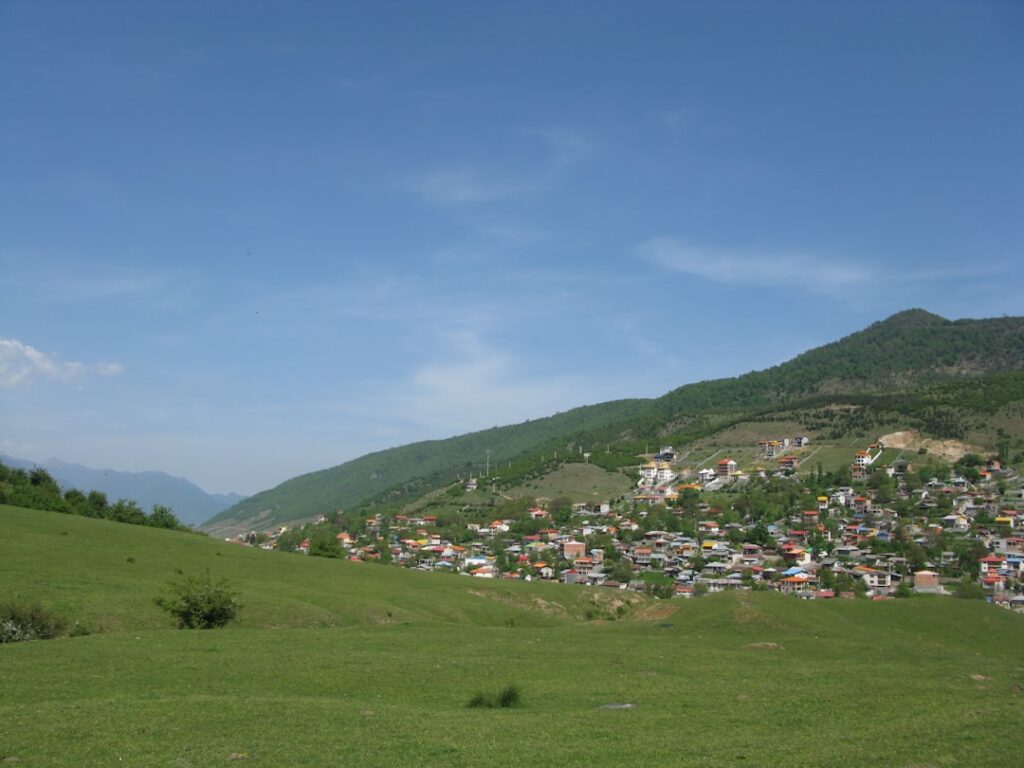
A view of a city with mountains in the background, Sukhumi, Abkhazia (Georgia)
- Historic Architecture: The 1905 Abkhazian Drama Theater combines Moorish revival style with Soviet history, surviving multiple conflicts while maintaining its ornate facade.
- Cultural Scene: The annual Apsny Festival each October celebrates Abkhazian independence with traditional horse riding displays and polyphonic singing competitions.
- Local Specialties: Don’t miss adjika – the fiery red pepper paste that locals add to everything from cheese to meat, claiming it’s their secret to longevity.
Pro Tip: Visit in late September when the summer crowds have thinned but the sea remains warm (around 22°C), and you’ll catch the start of persimmon and pomegranate season at local markets.
Map of Sukhumi, Abkhazia (Georgia)
Use these interactive maps to explore Sukhumi, Abkhazia (Georgia) and plan your route:
📍 View Sukhumi, Abkhazia (Georgia) on OpenStreetMap
🗺️ Open Sukhumi, Abkhazia (Georgia) in Google Maps
Planning Your Trip: Practical Essentials
Getting There and Around
- By Air: Most travelers fly into Sochi Airport (AER) in Russia then cross by land, as Sukhumi’s airport remains closed since the 1990s conflict. Book flights at Skyscanner for best deals.
- By Train: The overnight train from Moscow takes 36 hours but offers a nostalgic Soviet-era experience with proper dining cars and compartment service. Reserve tickets at Trainline or the national railway website.
- By Car: The scenic coastal road from Adler features stunning Black Sea views but requires crossing the Psou River border checkpoint. Compare car rentals at RentalCars.com.
- Local Transport: Marshrutkas (shared minibuses) cost 15-30 Russian rubles per ride and follow set routes throughout the city – just flag them down anywhere along their path.
Best Time to Visit
Sukhumi’s subtropical climate means mild winters and warm, humid summers, with the tourist season peaking from June to August when the sea becomes swimmable and outdoor cafes buzz with activity.
| Season | Weather | Highlights |
|---|---|---|
| Summer (Jun–Aug) | 25-30°C, humid with occasional thunderstorms | Beach season at peak, lively promenade, water sports available but most crowded |
| Winter (Dec–Feb) | 6-10°C, rainy with rare snow | Empty Soviet sanatoriums for urban exploration, lowest prices, atmospheric misty seaside walks |
| Shoulder (Apr–May/Sep–Oct) | 15-22°C, pleasant with less rain | Ideal for hiking in nearby mountains, botanical gardens at their best, local harvest festivals |
Budgeting for Sukhumi, Abkhazia (Georgia)

A scenic view of a town and a body of water, Sukhumi, Abkhazia (Georgia)
| Category | Budget | Mid-range | Luxury |
|---|---|---|---|
| Accommodation | 800-1,500 RUB/night Soviet-era guesthouse | 2,000-4,000 RUB/night central hotel | 5,000+ RUB/night sea-view suite |
| Meals | 300-500 RUB for street food & markets | 800-1,500 RUB restaurant meals | 2,500+ RUB fine dining with wine |
| Transport | 15-30 RUB marshrutka rides | 200-500 RUB taxi trips | 1,500+ RUB private driver per hour |
| Activities | Free beaches & architecture walks | 200-500 RUB museum entries | 2,000+ RUB private guided tours |
| Daily Total | 1,500-2,500 RUB | 4,000-7,000 RUB | 10,000+ RUB |
Top Attractions and Must-See Sights
| Attraction | Description | Hours | Entry Fee |
|---|---|---|---|
| Sukhumi Botanical Garden | Founded in 1840 with 5,000 plant species including a 300-year-old Caucasian lime tree | 9 AM-6 PM daily | 200 RUB |
| Abkhazian State Museum | Comprehensive history from ancient Greek colonies to Soviet era with unique archaeological finds | 10 AM-5 PM Tue-Sun | 250 RUB |
| Monkey Nursery Institute | Established 1927 as Soviet primate research center, now home to 300 monkeys roaming semi-wild | 10 AM-6 PM daily | 300 RUB |
| Besleti Bridge | 11th-century stone arch bridge spanning the Basla River, masterpiece of medieval Georgian engineering | 24 hours | Free |
3-Day Itinerary: Sukhumi, Abkhazia (Georgia)’s Highlights & Hidden Gems
Day 1: Soviet Heritage & Seaside Strolls
- Morning: 7:30 AM sunrise walk along the Sukhumi Embankment when fishermen are casting nets and elderly locals take their morning constitutional. Stop at the abandoned Restaurant Amra for haunting Soviet mosaic art.
- Afternoon: 12:30 PM tour of the Monkey Nursery (300 RUB) followed by lunch at Nartaa serving authentic abysta (corn porridge with suluguni cheese) for 450 RUB.
- Evening: 6 PM visit to the Abkhazian Drama Theater for people-watching, then dinner at Akvarium floating restaurant for fresh Black Sea kalkan fish (900 RUB).
Day 2: Botanical Wonders & Mountain Views
- Morning: 8 AM entry to Sukhumi Botanical Garden (200 RUB) to beat the heat and crowds – don’t miss the section dedicated to citrus varieties developed during Soviet times.
- Afternoon: 1 PM marshrutka ride to nearby New Athos (50 RUB) to explore the 19th-century New Athos Monastery complex and underground railway system built by monks.
- Evening: 7 PM traditional Abkhazian feast at Amra Restaurant featuring roasted goat with adjika and homemade wine – budget 1,200 RUB per person.
Day 3: Ancient History & Local Markets
- Morning: 9 AM taxi to the 11th-century Besleti Bridge (400 RUB roundtrip) then continue to the ruins of Anakopia Fortress for panoramic views over the coast.
- Afternoon: 1 PM exploration of Central Market for tasting local honey, cheeses, and seasonal fruits, followed by lunch at market stall #47 serving khachapuri for 200 RUB.
- Evening: 6:30 PM final stroll through the Park of Glory and dinner at Gagrypsh Restaurant – the historic wooden building where Stalin once dined (main courses from 800 RUB).
Cultural Insights & Etiquette
- Language: Abkhaz and Russian are official languages; learn “shәybәl” (thank you) and “bziа” (hello) – even basic attempts earn warm responses
- Customs: Always accept offered food or drink – refusal is considered rude; toasting traditions are elaborate during feasts
- Tipping: 10% in restaurants if service charge isn’t included; round up taxi fares; small gifts appreciated for home visits
- Dress Code: Modest clothing preferred when visiting religious sites; beachwear should stay on the beach
- Business Hours: Shops typically open 9 AM-7 PM with lunch breaks 1-2 PM; many close Sundays; prepare for Soviet-style customer service
Where to Eat: Sukhumi, Abkhazia (Georgia)’s Best Bites
Abkhazian cuisine represents a fascinating fusion of Caucasian, Turkish, and Russian influences with emphasis on grilled meats, corn-based dishes, and the ubiquitous adjika spice paste. Meals are social events here, often stretching for hours with multiple courses and plenty of homemade wine.
Must-Try Local Specialties
- Abysta: Corn porridge with suluguni cheese, often served with roasted meats – find the best version at family-run Nartaa restaurant
- Akud: Spicy bean paste with walnuts and coriander, typically eaten with mamaliga (cornbread) – available at most local markets
- Amgyal: Cheese rolls stuffed with mint and cheese, then grilled – street vendors along the embankment sell them fresh
Restaurant Recommendations by Budget
| Type | Restaurant | Specialty | Price Range |
|---|---|---|---|
| Budget | Ldzaa Nykha (Market area) | Authentic abysta and bean dishes | 300-600 RUB |
| Mid-range | Amra (Leon Avenue) | Traditional feasts with live music | 800-1,500 RUB |
| Fine dining | Gagrypsh (Historic pier) | Fresh seafood with Black Sea views | 1,500-3,000 RUB |
Where to Stay
Accommodation ranges from Soviet-era sanatoriums turned hotels to family-run guesthouses, with the most atmospheric options clustered near the seafront where you’ll catch sea breezes and easy access to main attractions. Compare prices and book at Booking.com or Airbnb for apartments.
Best Neighborhoods for Accommodation
- Seafront District: Historic hotels with sea views, easy beach access, and walking distance to restaurants – ideal for first-time visitors but can be noisy
- Mountain Foothills: Quiet guesthouses with garden settings, cooler temperatures, and panoramic views – perfect for relaxation but requires transport to center
- City Center: Soviet-era hotels with character, close to markets and museums – great for budget travelers wanting authentic Soviet atmosphere

A group of people walking around a park, Sukhumi, Abkhazia (Georgia)
FAQs: Your Sukhumi, Abkhazia (Georgia) Questions Answered
1. Is Sukhumi, Abkhazia (Georgia) safe at night?
The city center and embankment areas are generally safe for walking at night, though it’s wise to avoid poorly lit side streets after dark. Petty crime is rare but increasing, so keep valuables secure. The political situation remains complex, so check current travel advisories before visiting.
2. What currency is used and are credit cards accepted?
Russian rubles (RUB) are the primary currency, though some places might accept euros or dollars at poor exchange rates. Credit cards have limited acceptance – mainly at larger hotels and upscale restaurants. Your best bet is carrying sufficient cash in rubles, as ATMs can be unreliable.
3. How do I get from the airport to the city center?
Since Sukhumi’s airport is closed, most travelers arrive via Sochi Airport. From there, take a taxi (2,000-3,000 RUB) or marshrutka (300 RUB) to the Psou border crossing, then another taxi (500 RUB) into Sukhumi. The entire journey takes 2-3 hours depending on border queues. Book airport transfers at GetYourGuide for convenience.
4. Do I need to speak the local language?
Russian serves as the lingua franca and is widely understood, while English proficiency remains limited to younger generations in tourist areas. Learning basic Russian phrases like “spasibo” (thank you) and “skolko stoit” (how much) will significantly enhance your experience and interactions with locals.
5. What’s the appropriate dress code?
Casual but modest clothing works for most situations – think comfortable walking shoes for uneven pavements, light layers for changing weather, and swimwear reserved for beaches. When visiting religious sites, cover shoulders and knees, and women might want to carry a headscarf for Orthodox churches.
Final Thoughts: Sukhumi, Abkhazia (Georgia) Awaits
Sukhumi offers something increasingly rare in today’s homogenized travel landscape – a destination that feels genuinely undiscovered, where Soviet history lingers in crumbling sanatoriums and subtropical gardens flourish with century-old trees. This isn’t a place for luxury resorts or seamless tourism infrastructure, but for travelers seeking authentic encounters and atmospheric exploration. The city rewards those who come with patience and curiosity, revealing its layers gradually through conversations with market vendors, spontaneous chess games on the promenade, and the haunting beauty of abandoned buildings being reclaimed by nature. Your most lasting memory might well be the simple pleasure of eating freshly grilled corn by the sea as the sun sets over the Black Sea, exactly as locals have done for generations.
Related Guides
Explore more destinations similar to Sukhumi:
- Nakhchivan, Azerbaijan’s Best Ancient Tombs, Salt Caves & Mountain Vistas (2025)
- Pakxan, Laos’s Best River Crossings, Rustic Charm & Ancient Forests (2026)
- Ilha de Marajó, Brazil’s Essential Buffalo, Beaches & Ancient Ceramics (2026)
- Suwon, South Korea’s Hidden UNESCO Fortresses, Royal Cuisine & Tech Hub Energy (2026)

