
Santo Antão, Cape Verde: Ultimate Hiking Trails, Green Valleys & Authentic Island Culture (2025)
What if you could hike through landscapes that defy every desert island stereotype? Santo Antão proves that Cape Verde’s second-largest island receives 3 times more rainfall than its neighbors, creating lush green valleys that plunge dramatically into the Atlantic. Here, you’ll find 42 marked hiking trails traversing volcanic craters, sugarcane plantations, and traditional villages where time seems suspended. While most visitors cluster on Sal and Boa Vista’s beaches, savvy travelers discover this 779-square-kilometer hiking paradise offers authentic Cape Verdean life unchanged by mass tourism.
Why Santo Antão Stands Out

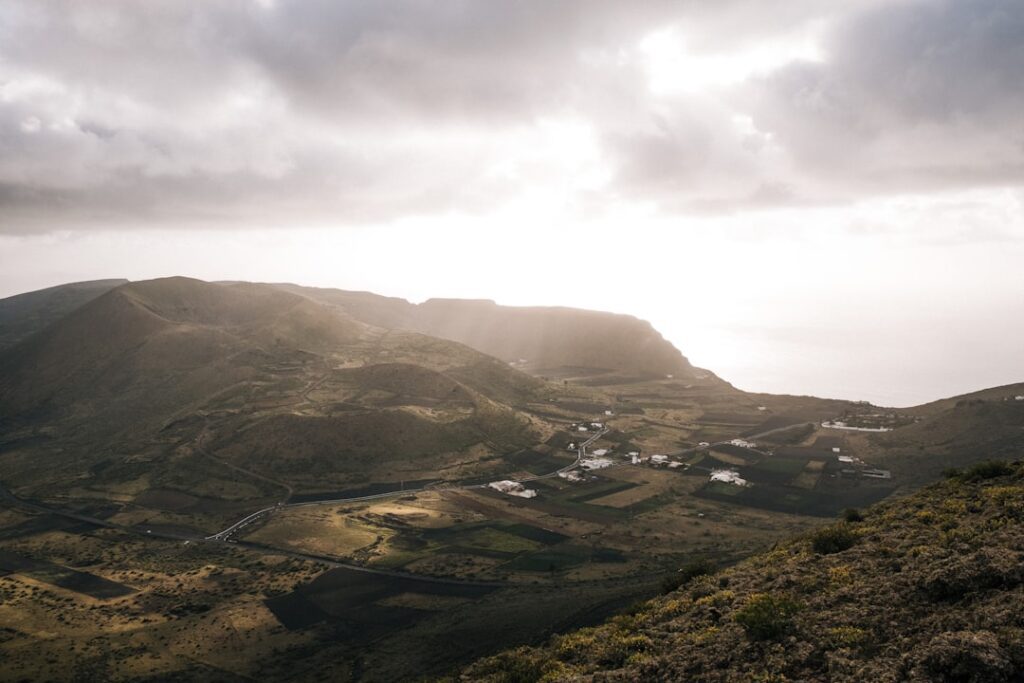
A view of the ocean from the top of a mountain, Santo Antão, Cape Verde (hiking paradise)
- Historic Architecture: The 1876 Church of Santo António in Ponta do Sol features distinctive black volcanic stone construction and remains the island’s most photographed colonial landmark.
- Cultural Scene: The February Carnival in Ribeira Grande transforms the streets with vibrant parades, African-Portuguese music fusion, and elaborate handmade costumes.
- Local Specialties: Don’t miss grogue – the potent sugarcane spirit distilled in traditional mountain stills and often flavored with local fruits like passionfruit or tamarind.
Pro Tip: Visit during October-November when the summer crowds have dispersed, temperatures average 25°C, and the landscape is lush from recent rains – plus you’ll catch the sugarcane harvest and grogue production at its peak.
Map of Santo Antão, Cape Verde
Use these interactive maps to explore Santo Antão, Cape Verde and plan your route:
📍 View Santo Antão, Cape Verde on OpenStreetMap
🗺️ Open Santo Antão, Cape Verde in Google Maps
Planning Your Trip: Practical Essentials
Getting There and Around
- By Air: Fly into Cesária Évora Airport (VXE) on São Vicente island, then take the 45-minute ferry to Porto Novo. TACV Cabo Verde Airlines offers regular flights from Lisbon and other islands. Book flights at Skyscanner for best deals.
- By Train: No train service exists on Santo Antão – the mountainous terrain makes railway construction impractical. The iconic aluguer (shared taxis) provide the authentic local transport experience.
- By Car: Rent a 4×4 at Porto Novo ferry terminal (€45-65/day) to navigate the steep mountain roads. The EN1-STA coastal road offers spectacular views but requires careful driving. Compare car rentals at RentalCars.com.
- Local Transport: Aluguer shared taxis cost €3-8 between villages, while private taxis run €25-40 for half-day hire. No formal bus system exists – the aluguers depart when full from main village squares.
Best Time to Visit
Santo Antão offers distinct seasonal experiences, with the hiking conditions varying dramatically between the dry and rainy seasons. Travelers often discover that shoulder months provide the ideal balance of comfortable temperatures and manageable tourist numbers.
| Season | Weather | Highlights |
|---|---|---|
| Summer (Jun–Aug) | 24-29°C, dry and windy | Perfect coastal hiking, fewer rain interruptions, but landscapes appear browner |
| Winter (Dec–Feb) | 20-25°C, possible mountain fog | Lush green valleys, flowing waterfalls, but some high trails may be obscured |
| Shoulder (Apr–May/Sep–Oct) | 22-27°C, occasional showers | Ideal hiking conditions, vibrant vegetation, and comfortable temperatures throughout |
Budgeting for Santo Antão

Brown and green mountains under white clouds during daytime, Santo Antão, Cape Verde (hiking paradise)
| Category | Budget | Mid-range | Luxury |
|---|---|---|---|
| Accommodation | €25-40 per night (guesthouses) | €60-90 (boutique hotels) | €120-200 (premium eco-lodges) |
| Meals | €8-12 (local restaurants) | €15-25 (hotel restaurants) | €35-50 (fine dining with wine) |
| Transport | €5-10 (aluguer taxis) | €30-50 (private taxi half-day) | €80-120 (private driver full-day) |
| Activities | Free hiking trails | €25 (guided half-day hike) | €60 (private guided full-day trek) |
| Daily Total | €40-65 | €100-160 | €220-350 |
Top Attractions and Must-See Sights
| Attraction | Description | Hours | Entry Fee |
|---|---|---|---|
| Ribeira da Paúl Valley Hike | 8km trail through stunning agricultural terraces with ocean views and traditional villages | Daylight hours | Free (guide €25) |
| Cova Crater | Volcanic crater at 1,200m elevation with unique microclimate and panoramic views | Sunrise to sunset | Free |
| Ponta do Sol | Charming coastal town with colorful colonial architecture and fishing harbor | Always accessible | Free |
| Ribeira das Patas | Dramatic canyon hike through volcanic rock formations and lush vegetation | Daylight hours | Free |
3-Day Itinerary: Santo Antão’s Highlights & Hidden Gems
Day 1: Coastal Wonders & Cliffside Villages
- Morning: 7:30 AM ferry from São Vicente to Porto Novo (€10), then drive to Ponta do Sol for breakfast at Café Mar e Sol with their famous fresh papaya and coffee.
- Afternoon: Hike the coastal trail from Ponta do Sol to Fontainhas (2.5 hours), stopping at the cliffside village of Corvo for photos, then lunch at Restaurante Fonte do Paúl for catchupa (€12).
- Evening: Sunset drinks at Ponta do Sol harbor watching local fishermen, followed by dinner at Hotel Solponta specializing in grilled tuna with banana (€18).
Day 2: Mountain Valleys & Crater Exploration
- Morning: 8 AM start for Cova Crater viewpoint (1,200m elevation) with a local guide (€30) to learn about unique crater flora including giant heather trees and endemic bird species.
- Afternoon: Descend into Ribeira da Paúl valley for a 3-hour hike through sugarcane and banana plantations, stopping at a local grogue distillery for tasting (€5).
- Evening: Dinner at Pedracin Village in Vila das Pombas featuring traditional cabrito (goat stew) with local music performances (€22).
Day 3: Canyon Adventures & Cultural Immersion
- Morning: Private taxi to Ribeira das Patas (€40) for the spectacular canyon hike through volcanic rock formations, with packed lunch from your accommodation.
- Afternoon: Visit Tarrafal de Monte Trigo fishing village accessible only by 4×4 or boat, swimming at the black sand beach and fresh fish lunch at Pensão Tia Celeste (€15).
- Evening: Final dinner in Ribeira Grande at Restaurant Morabeza trying their signature lobster with sweet potato, then evening ferry back to São Vicente.
Cultural Insights & Etiquette
- Language: Portuguese is official but Cape Verdean Creole dominates daily life – learn “obrigado/obrigada” (thank you) and “ta dret” (everything’s good) to connect with locals.
- Customs: Always greet people before asking questions – a simple “bom dia” (good morning) shows respect in this relationship-focused culture.
- Tipping: 5-10% in restaurants is appreciated but not expected; round up taxi fares; €2-5 daily for hotel cleaning staff.
- Dress Code: Modest clothing in villages (avoid beachwear away from coasts); sturdy hiking shoes essential for trails; light layers for changing mountain weather.
- Business Hours: Shops 8 AM-12 PM & 3-6 PM (siesta break); restaurants 12-3 PM & 7-10 PM; everything closes early Sunday.
Where to Eat: Santo Antão’s Best Bites
Santo Antão’s cuisine reflects its agricultural abundance and Portuguese-African heritage, with fresh seafood, mountain-grown produce, and traditional slow-cooked stews defining the culinary experience. Don’t expect fancy restaurants – the best meals often come from family-run establishments using generations-old recipes.
Must-Try Local Specialties
- Catchupa: The national dish of slow-cooked corn, beans, and whatever meat or fish is available – best at Restaurante Fonte do Paúl in Paúl Valley
- Grilled Tuna with Banana: Fresh local tuna grilled with fried banana – a specialty at Hotel Solponta in Ponta do Sol
- Cabrito Stew: Tender goat meat slow-cooked with potatoes and spices – the version at Pedracin Village is legendary among locals
Restaurant Recommendations by Budget
| Type | Restaurant | Specialty | Price Range |
|---|---|---|---|
| Budget | Cantinho do Amílcar (Ribeira Grande) | Fresh fish plates with rice and beans | €8-12 |
| Mid-range | Restaurant Morabeza (Ribeira Grande) | Lobster with local vegetables | €18-25 |
| Fine dining | Hotel Solponta (Ponta do Sol) | Gourmet Cape Verdean tasting menu | €35-50 |
Where to Stay
Accommodation on Santo Antão ranges from simple guesthouses in fishing villages to comfortable eco-lodges in the mountains. Most visitors split their stay between coastal and valley locations to minimize daily travel. Compare prices and book at Booking.com or Airbnb for apartments.
Best Neighborhoods for Accommodation
- Ponta do Sol: Charming coastal town with the best restaurants and ferry access, ideal for first-time visitors wanting convenience and atmosphere
- Paúl Valley: Mountain lodges surrounded by stunning scenery, perfect for serious hikers seeking early trail access and tranquility
- Ribeira Grande: The island’s main town with most services and transport links, best for travelers wanting local culture and easy aluguer access

Body of water during daytime, Santo Antão, Cape Verde (hiking paradise)
FAQs: Your Santo Antão Questions Answered
1. Is Santo Antão safe at night?
Extremely safe – violent crime is virtually unknown. Exercise normal precautions in towns after dark, but even solo female travelers report feeling completely secure. The main risks are trail navigation and mountain road conditions rather than personal safety.
2. What currency is used and are credit cards accepted?
Euros are widely accepted alongside the Cape Verdean Escudo (fixed at €1 = 110 CVE). Carry cash – only larger hotels and a few restaurants in Ponta do Sol accept cards. ATMs exist only in Ribeira Grande and Porto Novo.
3. How do I get from the airport to Santo Antão?
Fly into São Vicente (VXE), take a taxi to Porto Grande harbor (€10, 15 minutes), then the ferry to Porto Novo (€10, 45 minutes). Ferries run 3-4 times daily. Book airport transfers at GetYourGuide for convenience.
4. Do I need to speak the local language?
Portuguese phrases help in villages, but most tourism workers speak some English/French. Learn basic greetings – locals appreciate the effort. In remote areas, pointing and smiling works perfectly for simple transactions.
5. What’s the appropriate dress code?
Modest casual wear in villages (cover shoulders/knees), sturdy hiking gear on trails, and swimwear only at beaches. Pack layers – coastal areas are warm while mountains can be cool and foggy even in summer.
Final Thoughts: Santo Antão Awaits
Santo Antão offers that increasingly rare travel experience: authentic discovery without tourist crowds. Here, you’ll find hiking trails that rival Europe’s best but with the warmth of Cape Verdean hospitality and landscapes that constantly surprise with their diversity. From the moment you watch sunrise over Cova Crater to sharing grogue with local farmers, this island captures the soul of Cape Verde beyond the beaches. Savvy travelers know to visit now – before the secret gets out. Your best bet? Book during shoulder season, hire a local guide for at least one hike, and leave room in your itinerary for spontaneous discoveries along Santo Antão’s breathtaking trails.
Related Guides
Explore more destinations similar to Santo Antão:
- Margarita Island, Venezuela’s Best Beaches, Fortresses & Caribbean Culture (2025)
- Frederick Reef, Australia: Essential Solitude, Shipwrecks & Untamed Coral Kingdoms (2026)
- Willemstad, Curaçao: Hidden Pastel Architecture, Caribbean Culture & Underwater Wonders (2026)
- Koh Bulon Leh, Thailand: Best Untouched Beaches, Sea Gypsy Culture & Bioluminescent Waters (2025)

