
Bahir Dar, Ethiopia’s Hidden Monasteries, Monsoons & Monolithic Marvels (2025)
Sunrise over Lake Tana reveals what few travelers experience: 37 islands where time stopped in the 14th century. As morning mist lifts from Africa’s largest lake, you’ll hear the distant chanting of monks preserving illuminated gospels in circular churches built entirely from mud and straw. While 95% of Ethiopia’s visitors head straight to Lalibela’s rock-hewn churches, Bahir Dar offers living religious traditions where medieval manuscripts are still studied daily and boat trips cost just $15 to islands tourists rarely see.
Why Bahir Dar, Ethiopia Stands Out

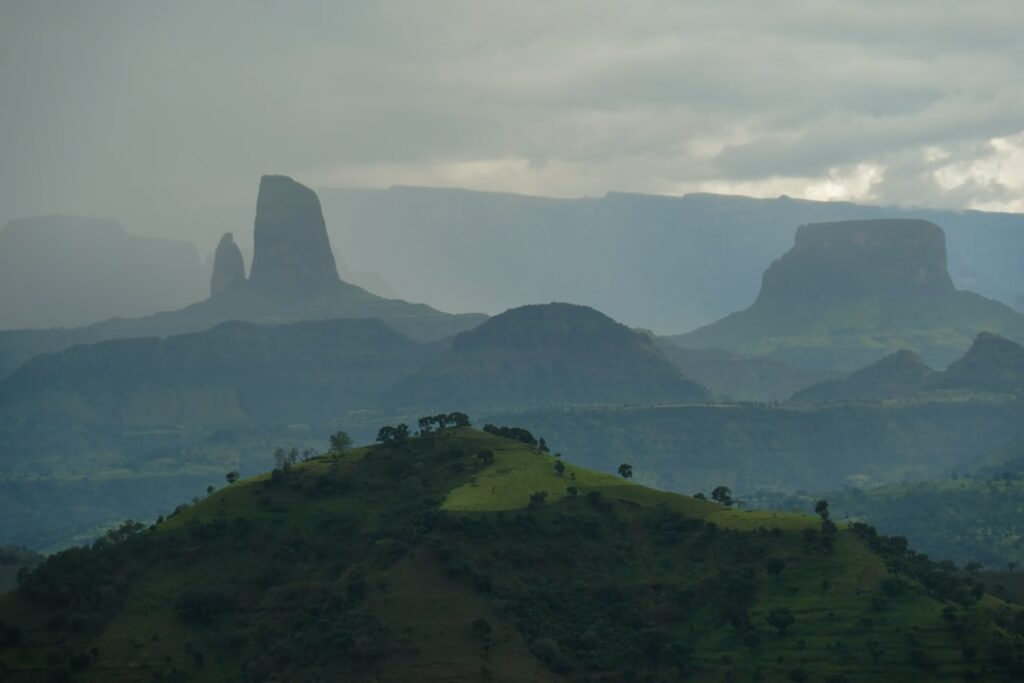
High angle photo of mountain, Bahir Dar, Ethiopia
- Historic Architecture: The 14th-century Ura Kidane Mehret monastery features vibrant frescoes depicting biblical scenes in a circular design unique to Lake Tana’s island churches.
- Cultural Scene: Timkat (Epiphany) celebrations each January transform the city with colorful processions where thousands follow replicas of the Ark of the Covenant to Lake Tana’s shores.
- Local Specialties: Don’t miss tibs – sizzling spiced meat served with injera bread at lakeside restaurants while watching traditional tanqua boats sail by.
Pro Tip: Visit between October and February when water levels at Blue Nile Falls are highest (especially November), and arrive at monasteries before 10 AM to avoid the midday heat and have more time with the resident monks.
Map of Bahir Dar, Ethiopia
Use these interactive maps to explore Bahir Dar, Ethiopia and plan your route:
📍 View Bahir Dar, Ethiopia on OpenStreetMap
🗺️ Open Bahir Dar, Ethiopia in Google Maps
Planning Your Trip: Practical Essentials
Getting There and Around
- By Air: Bahir Dar Airport (BJR) receives daily Ethiopian Airlines flights from Addis Ababa (45 minutes, $80-120). Taxis to city center cost 150-200 ETB ($3-4). Book flights at Skyscanner for best deals.
- By Train: No direct rail service to Bahir Dar – the nearest station is in Addis Ababa. Most travelers fly or take buses for the 9-hour journey from the capital.
- By Car: The scenic drive from Addis Ababa takes 9-10 hours via Debre Markos. Rental cars with drivers cost $60-80/day. Compare car rentals at RentalCars.com.
- Local Transport: Blue-and-white minibuses (5 ETB per ride) connect major areas, while bajaj (tuk-tuks) charge 30-50 ETB for short trips. Private boat hire for Lake Tana starts at $15/hour.
Best Time to Visit
Bahir Dar’s climate is tropical but elevation keeps temperatures pleasant year-round. The dry season (October-May) offers ideal conditions for monastery visits and waterfall viewing, while the rainy season (June-September) brings lush landscapes but potentially disrupted boat trips.
| Season | Weather | Highlights |
|---|---|---|
| Summer (Jun–Aug) | 22-28°C, heavy afternoon rains | Fewer crowds, green landscapes, but some boat trips may be canceled |
| Winter (Dec–Feb) | 18-26°C, sunny and dry | Perfect monastery weather, Timkat festival in January, peak waterfall flow |
| Shoulder (Apr–May/Sep–Oct) | 20-29°C, occasional showers | Best value, comfortable temperatures, ideal for photography with dramatic skies |
Budgeting for Bahir Dar, Ethiopia
Blue Nile Falls in a forest, Bahir Dar, Ethiopia
| Category | Budget | Mid-range | Luxury |
|---|---|---|---|
| Accommodation | $15-25/night (guesthouses) | $40-80/night (3-4 star hotels) | $120-200/night (Kuriftu Resort) |
| Meals | $5-8/day (local eateries) | $15-25/day (restaurants) | $40-60/day (resort dining) |
| Transport | $3-5/day (public transport) | $15-20/day (taxis/private boat) | $40-60/day (private car & driver) |
| Activities | $10-15/day (entry fees) | $25-40/day (guided tours) | $60-100/day (private guides) |
| Daily Total | $33-53 | $95-165 | $260-420 |
Top Attractions and Must-See Sights
| Attraction | Description | Hours | Entry Fee |
|---|---|---|---|
| Blue Nile Falls | 400m-wide “Smoking Water” cascade best viewed November-December after rainy season | 7 AM-5:30 PM daily | 200 ETB ($4) + 50 ETB camera fee |
| Lake Tana Monasteries | 14th-century island churches with vibrant frescoes and ancient manuscripts | 8 AM-5 PM (monastery hours vary) | 100-200 ETB per monastery + boat hire |
| Bezawit Hill Palace | Former imperial palace with panoramic views over Lake Tana and Blue Nile outlet | 9 AM-5 PM daily | 50 ETB ($1) |
| Bahir Dar Market | Sprawling local market where farmers sell coffee, spices and traditional crafts | 6 AM-6 PM daily | Free (watch belongings) |
3-Day Itinerary: Bahir Dar, Ethiopia’s Highlights & Hidden Gems
Day 1: Lake Tana’s Island Monasteries
- Morning: 7:30 AM boat departure from Bahir Dar port to Zege Peninsula ($25 for private boat). Visit Ura Kidane Mehret monastery (200 ETB entry) to see 14th-century frescoes depicting Ethiopian saints.
- Afternoon: 12:30 PM lunch at Lake Shore Restaurant (try the dorowat chicken stew for 180 ETB) followed by visit to Kibran Gabriel monastery (men only, 150 ETB) to view ancient manuscripts.
- Evening: 6 PM sunset boat cruise on Lake Tana ($15) followed by dinner at Wude Coffee (traditional coffee ceremony included with meal, 250 ETB).
Day 2: Blue Nile & City Exploration
- Morning: 7 AM shared taxi to Blue Nile Falls (100 ETB per person). Cross the Portuguese Bridge (built 1626) for the best photo angles of the 45-meter falls when water flow peaks November-December.
- Afternoon: 1 PM return to city for lunch at Goha Hotel (buffet with Nile views, 350 ETB) then explore Bezawit Hill Palace (50 ETB) for panoramic city views.
- Evening: 5:30 PM visit to Bahir Dar Market for spice shopping followed by dinner at Dream Line Hotel restaurant (fresh Nile perch, 280 ETB).
Day 3: Cultural Immersion & Departure
- Morning: 8 AM bajaj to Tana Chewata district (40 ETB) to watch traditional weaving demonstrations. Visit the local pottery cooperative where artisans use ancient techniques.
- Afternoon: 12 PM farewell lunch at Blue Nile Restaurant (vegetarian fasting food platter, 190 ETB) then visit the Bahir Dar University Ethnographic Museum (free, donations appreciated).
- Evening: 4 PM traditional coffee ceremony at a local home (arranged through your hotel, typically 100 ETB) before airport transfer for evening flights.
Cultural Insights & Etiquette
- Language: Amharic phrases like “ameseginalehu” (thank you) and “salam” (hello) are appreciated. English is understood in tourist areas but learning basic greetings shows respect.
- Customs: Remove shoes before entering churches and monasteries. Always accept coffee when offered – refusing is considered rude. Use right hand for eating and handing items.
- Tipping: 10% in restaurants is customary. Tour guides expect 200-500 ETB per day, while boat drivers appreciate 50-100 ETB tips.
- Dress Code: Modest clothing (covered shoulders and knees) is essential for religious sites. Lightweight natural fabrics work best in the humid climate.
- Business Hours: Most businesses open 8:30 AM-12:30 PM and 2:30-5:30 PM. Many close Sunday mornings for church. Orthodox fasting periods (Wednesdays and Fridays) mean vegetarian menus at many restaurants.
Where to Eat: Bahir Dar, Ethiopia’s Best Bites
Bahir Dar’s dining scene revolves around traditional Ethiopian cuisine with incredible Nile perch fresh from the lake. Travelers discover that meals here are social events – don’t be surprised if strangers invite you to share their table. The city’s position on Lake Tana means fish dishes are particularly exceptional, while the coffee ceremony remains the heart of local hospitality.
Must-Try Local Specialties
- Asa Tibs: Spicy fried Nile perch served with injera – best at Lake Shore Restaurant where they source fish directly from local fishermen
- Shiro: Chickpea stew served during fasting days – try the version at Wude Coffee which includes their signature homemade bread
- Tella: Traditional home-brewed beer made from teff – sample at local houses rather than restaurants for the authentic experience
Restaurant Recommendations by Budget
| Type | Restaurant | Specialty | Price Range |
|---|---|---|---|
| Budget | Merkato Local Eateries (market area) | Injera with various stews | 50-100 ETB ($1-2) |
| Mid-range | Blue Nile Restaurant (city center) | Fresh fish platters | 180-350 ETB ($3.50-7) |
| Fine dining | Kuriftu Resort (lakeside) | Fusion Ethiopian-Italian cuisine | 500-800 ETB ($10-16) |
Where to Stay
Bahir Dar offers accommodation ranging from basic guesthouses to luxury resorts, with most visitors preferring lakeside locations for the breezes and views. The city center puts you within walking distance of markets and restaurants, while properties along Lake Tana provide stunning sunrises. Compare prices and book at Booking.com or Airbnb for apartments.
Best Neighborhoods for Accommodation
- Lake Tana Shoreline: Upscale resorts with private beaches and boat access, perfect for relaxation but further from city center (10-15 minute drives)
- City Center: Walking distance to markets and restaurants, with mid-range hotels offering good value and easy access to local transport
- Giorgis Area: Residential neighborhood with guesthouses providing authentic local experiences and lower prices, ideal for budget travelers

Brown concrete pathway between brown trees during daytime, Bahir Dar, Ethiopia
FAQs: Your Bahir Dar, Ethiopia Questions Answered
1. Is Bahir Dar, Ethiopia safe at night?
Bahir Dar is generally safe, but travelers should take normal precautions. Stick to well-lit areas, avoid walking alone late at night, and use registered taxis after dark. The lakeside areas and main streets remain busy until about 9 PM. Petty theft can occur in crowded markets, so keep valuables secure.
2. What currency is used and are credit cards accepted?
Ethiopian Birr (ETB) is the local currency. Credit cards are accepted only at major hotels and some upscale restaurants – always carry cash for markets, local transport, and monastery entry fees. ATMs are available in the city center but may have withdrawal limits of 4000 ETB per day.
3. How do I get from the airport to the city center?
Bahir Dar Airport is just 8km from downtown. Shared minibuses cost 20 ETB but can be crowded with luggage. Official airport taxis charge 150-200 ETB for the 15-minute ride. Book airport transfers at GetYourGuide for convenience.
4. Do I need to speak the local language?
English is widely spoken in tourist areas, hotels, and restaurants. Learning basic Amharic greetings will enhance your experience and locals appreciate the effort. Key phrases include “tena yistilign” (hello), “ameseginalehu” (thank you), and “sint not?” (how much?).
5. What’s the appropriate dress code?
Modest clothing is essential – cover shoulders and knees, especially when visiting monasteries and churches. Lightweight, breathable fabrics work best in the humid climate. For evening dining, smart casual is acceptable at most restaurants, though resorts may have slightly dressier expectations.
Final Thoughts: Bahir Dar, Ethiopia Awaits
Bahir Dar offers what few destinations can: living history where medieval religious traditions continue unchanged, natural wonders like the Blue Nile Falls that humble even seasoned travelers, and a pace of life that encourages genuine connection with local culture. While the rock-hewn churches of Lalibela draw the crowds, savvy visitors know Bahir Dar provides equally profound experiences with far fewer tourists. Your most memorable moment might be sharing coffee with monks who’ve preserved ancient manuscripts for generations, or watching the sunset paint Lake Tana gold while traditional tanqua boats glide silently by. Don’t rush your visit – this is a place that reveals its secrets slowly, rewarding those who take time to truly experience Ethiopia’s spiritual and natural heartland.
Related Guides
Explore more destinations similar to Bahir Dar:
- Antigua Guatemala, Guatemala: Essential Colonial Charm, Volcanic Hikes & Coffee Culture (2025)
- Tafraout, Morocco: Essential Granite Landscapes, Almond Blossoms & Berber Culture (2025)
- Huacho, Peru’s Best Beaches, History & Coastal Charm (2026)
- Forget Bali. Komodo’s Dragons & Pink Beaches Await in 2025.

